
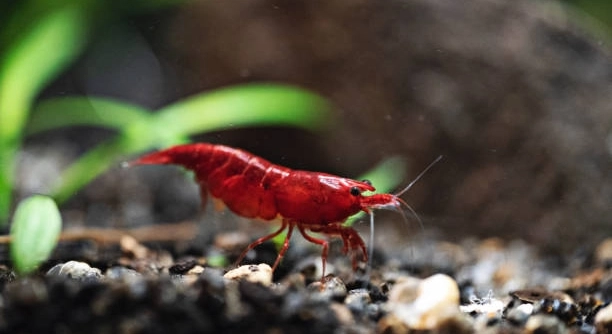
Cherry shrimp are small, colorful freshwater creatures that many people enjoy keeping in home aquariums. Their vibrant red color and peaceful nature make them a popular choice for beginners and experienced hobbyists alike.
The ideal temperature for cherry shrimp ranges between 72°F and 78°F. Maintaining water within this range supports proper metabolism, encourages breeding, and reduces stress, promoting overall health and longevity for these delicate freshwater invertebrates.
Keeping the right temperature is just one part of caring for cherry shrimp, and paying attention to it will improve their well-being significantly.
Why Temperature Matters for Cherry Shrimp
Cherry shrimp are very sensitive to changes in water temperature. Too cold, and their metabolism slows, making them less active and more prone to illness. Too warm, and their lifespan can shorten, and they may experience stress that affects molting and reproduction. Stable temperature helps maintain their immune system and supports consistent behavior. Even small daily fluctuations can impact their feeding and energy levels. I noticed in my own tank that when the water dipped below 70°F, the shrimp hid more and barely ate. On the other hand, when it climbed above 80°F, some became lethargic, and breeding slowed down noticeably. Using a reliable aquarium heater and thermometer can prevent these issues. Keeping the temperature steady also ensures that beneficial bacteria in the tank thrive, which is crucial for maintaining water quality and preventing ammonia spikes. Overall, stable water temperature is key to healthy and active cherry shrimp.
Maintaining a consistent temperature reduces stress and helps cherry shrimp live longer, healthier lives, encouraging natural behavior and proper growth.
Even minor shifts in water temperature can have noticeable effects. Cherry shrimp are delicate, and fluctuations can lead to molting problems or skipped breeding cycles. Consistent temperature also helps keep algae growth under control and maintains balance in the tank’s ecosystem. By monitoring the water daily and adjusting the heater as needed, you create a safe, comfortable environment. Over time, this stability leads to stronger shrimp that reproduce reliably and display their best colors. Using a small thermometer and setting the heater a degree or two lower than the target temperature can prevent overshooting. I’ve found that tanks between 74°F and 76°F produce the most active shrimp, with babies growing quickly. Paying attention to these details might seem tedious, but it prevents bigger problems and keeps the shrimp thriving, brightening the aquarium with healthy, lively movement.
Signs Your Tank Is Too Hot or Too Cold
Temperature issues often show in behavior changes, such as reduced activity or excessive hiding.
Shrimp moving slowly, refusing food, or molting irregularly can indicate stress from water temperature. Quick action to adjust heating can prevent long-term health issues and improve overall tank conditions.
Shrimp are more likely to show changes in behavior than in appearance when temperatures are off. Cold water slows metabolism, causing lethargy and less frequent feeding, while warm water may make shrimp restless, prone to illness, or shorten their lifespan. Eggs might not hatch properly if conditions are extreme, and molting can become irregular or fail entirely. Observing how shrimp react to subtle temperature changes is essential. A sudden dip in the room temperature can be enough to trigger hiding or slow movement. Using a thermometer at multiple points in the tank helps detect hot or cold spots. Additionally, water quality often changes with temperature shifts, so keeping both stable ensures the shrimp remain healthy. Adjusting the heater gradually and monitoring daily behavior allows you to create a consistent, safe environment. The right temperature improves survival rates, encourages reproduction, and keeps the shrimp vibrant and active.
Maintaining Temperature in Your Tank
A stable heater and a reliable thermometer are essential for keeping cherry shrimp healthy. Small daily checks prevent sudden fluctuations, and placing the tank away from drafts or direct sunlight helps maintain steady water conditions.
I use a small digital thermometer in my tank to track the water daily. Even minor changes, like leaving a window open in winter, can affect temperature. The heater should be set slightly below the target temperature so the water warms gradually, avoiding spikes. Gradual adjustments prevent stress, especially during molting periods or breeding. I also place a thin foam mat under the tank to reduce heat loss from the bottom, which seems to help maintain stability. Monitoring daily habits, like feeding times and filter operation, ensures consistent conditions, creating an environment where shrimp stay active, reproduce reliably, and display bright colors.
Using multiple thermometers can help detect hot or cold spots in larger tanks. This ensures that all areas stay within the ideal range, preventing isolated stress zones. Adjusting heater placement and monitoring flow can further stabilize conditions, making shrimp care much easier and improving overall tank health.
Seasonal Temperature Changes
Seasonal shifts often affect water temperature in home aquariums. Winter can cool the tank, while summer may cause overheating if the tank is near sunlight or heating vents.
During summer, I noticed my shrimp hiding more during the hottest part of the day. Using fans, adjusting room temperature, or slightly lowering the heater helps prevent overheating. In winter, tanks near windows or poorly insulated rooms can drop below 72°F, slowing shrimp activity. I added a small space heater in the room and insulated the tank’s back to maintain stable conditions. Seasonal adjustments are subtle but necessary to avoid stress and health problems. Monitoring the tank more closely during these periods ensures shrimp continue to thrive and reproduce consistently.
Seasonal temperature swings can impact water chemistry as well. Cold water holds more oxygen but slows metabolism, while warm water increases activity but reduces oxygen levels. Monitoring both temperature and water parameters together ensures shrimp remain healthy throughout the year. By tracking trends over weeks, you can anticipate seasonal effects and make adjustments gradually, preventing sudden shocks. Simple changes like room heating, shading the tank, or using insulation can maintain stability without disturbing the shrimp. I’ve found this careful management keeps my tank balanced, shrimp active, and breeding consistent, even when external temperatures fluctuate.
Ideal Temperature for Breeding
Cherry shrimp breed best when water stays between 74°F and 78°F. Stable temperatures encourage regular molting and egg production.
I noticed in my tank that when the temperature dipped below 72°F, females rarely carried eggs. Keeping it steady improved breeding success noticeably.
Adjusting Temperature Gradually
Sudden temperature changes can stress shrimp and affect their health. Always adjust the heater in small increments to reach the desired range. Rapid heating or cooling can cause molting problems or even mortality. Gradual changes allow shrimp to adapt without shock, supporting activity and proper feeding behavior. I usually adjust the heater 1–2°F per day until the tank reaches the target temperature, monitoring behavior closely to ensure they remain active. Combining careful adjustments with daily checks of water quality creates a safer environment and improves overall shrimp vitality.
Tools for Temperature Monitoring
A reliable thermometer is essential for tracking tank conditions accurately.
FAQ
What is the best temperature range for cherry shrimp?
The ideal range for cherry shrimp is between 72°F and 78°F. Staying within this range supports their metabolism, encourages breeding, and reduces stress. I’ve seen the most active shrimp when the water hovers around 75°F. Temperatures outside this range can slow activity or cause health problems.
Can cherry shrimp survive in cooler water?
Cherry shrimp can tolerate water slightly below 72°F, but their metabolism slows, and they become less active. In my experience, prolonged exposure to cold water causes hiding, reduced feeding, and slower growth. Short-term drops are usually fine, but long-term low temperatures can affect survival and reproduction.
What happens if the water gets too warm?
Water above 78°F increases stress and shortens lifespan. I’ve noticed shrimp become lethargic and sometimes stop eating when the tank gets too warm. Overheating also affects breeding and can make molting irregular, which risks injuries. Fans or shading can help prevent temperature spikes.
Do cherry shrimp need a heater year-round?
A heater is important if the room temperature fluctuates or drops below 72°F. I keep a small heater running in winter to maintain stability. During warmer months, sometimes the heater isn’t needed, but I still monitor the water to ensure it doesn’t exceed 78°F.
How do I prevent temperature fluctuations in my tank?
Consistent monitoring is key. I use a digital thermometer and check it daily. Avoid placing the tank near windows, heating vents, or air conditioners. A small heater set slightly below the target temperature helps stabilize the water slowly without sudden spikes.
Can temperature affect breeding?
Yes, stable temperatures encourage regular molting and egg-laying. When my tank stays between 74°F and 76°F, females carry eggs more often, and hatching rates improve. If the water fluctuates, breeding slows, and eggs may not develop properly. Temperature consistency is critical for reproductive success.
Is it safe to adjust the temperature quickly?
Rapid changes can stress shrimp and cause molting problems. I always adjust the heater 1–2°F per day to avoid shock. Gradual changes help shrimp adapt and keep feeding and activity patterns normal, reducing the risk of illness.
What tools are best for monitoring temperature?
I use a digital thermometer for accuracy and a small floating thermometer as a backup. Multiple readings help detect hot or cold spots in larger tanks. Reliable monitoring ensures shrimp stay within their ideal temperature range consistently.
Can seasonal changes affect shrimp health?
Yes, winter drafts or summer heat can change water temperature quickly. I noticed that my shrimp hide more in winter when the water dips, and they become restless in hot summer periods. Adjusting room temperature, adding insulation, or shading the tank helps maintain stability year-round.
How important is temperature compared to other care factors?
Temperature is as critical as water quality, feeding, and tank maintenance. I’ve found that even with perfect water chemistry, unstable temperatures lead to stress, reduced breeding, and health issues. Keeping temperature steady ensures shrimp thrive, stay active, and show their best colors consistently.
How can I tell if shrimp are stressed from temperature?
Signs include hiding, reduced feeding, irregular molting, or lethargy. In my tank, I noticed shrimp avoiding open areas when water got too cold or hot. Consistent monitoring and adjusting heating gradually helps prevent these stress behaviors.
What is the easiest way to maintain stable temperatures?
A good heater, thermometer, and proper tank placement make it simple. I avoid direct sunlight and drafts, and I set the heater slightly below the target temperature. Daily checks prevent surprises, ensuring the shrimp remain healthy and active.
Do different colors of cherry shrimp tolerate temperature differently?
No significant difference exists between colors. Red, orange, or even darker variants all thrive in the same temperature range. In my experience, behavior and breeding are affected more by water stability than color type.
Can tank size affect temperature stability?
Larger tanks generally maintain temperature better than small ones. I noticed my 10-gallon tank stayed more stable than my 5-gallon, which fluctuated quickly with room changes. Using a heater and thermometer is still important regardless of size.
What is the long-term effect of unstable temperature?
Chronic fluctuations reduce lifespan, slow growth, and disrupt breeding. I’ve seen shrimp fail to molt properly or stop reproducing when the water isn’t stable. Maintaining steady temperature is essential for a thriving tank over months and years.
Are there signs that my heater isn’t working properly?
Unexpected water drops or rises, shrimp hiding, or erratic behavior can indicate heater issues. I test mine with a thermometer and replace faulty heaters immediately. Proper monitoring prevents stress and keeps shrimp healthy.
How precise does the temperature need to be?
Within 1–2°F of the target is sufficient. I aim for around 75°F and check daily. Tiny fluctuations are normal, but staying close to the ideal range ensures optimal health, breeding, and activity levels.
What steps should I take if the tank overheats?
Turn off the heater, increase room airflow, or use a fan to cool the water slowly. I avoid sudden ice or cold water additions, which can shock the shrimp. Gradual adjustments reduce stress and prevent health issues.
How does temperature interact with water quality?
Temperature affects oxygen levels, metabolism, and beneficial bacteria. Cold water holds more oxygen but slows metabolism, while warm water accelerates metabolism but reduces oxygen. I always check parameters like ammonia and nitrites alongside temperature to ensure balance.
Can shrimp adapt to slightly different temperatures over time?
They tolerate small deviations, but long-term stability is best. I’ve noticed shrimp can survive short periods outside the ideal range, but reproduction and molting are optimal only within 72–78°F consistently. Gradual acclimation helps if adjustments are needed.
Are there tools to automate temperature control?
Yes, programmable heaters and thermostats can maintain steady temperatures. I personally prefer simple digital heaters with daily checks, but automation works well for larger or busy tanks. It reduces stress and keeps the environment consistent.
Does lighting affect temperature?
Strong aquarium lights can raise water temperature slightly. I noticed this in my tank during long daylight hours. Using LED lights and monitoring the water ensures lighting doesn’t push temperatures above 78°F.
How often should I check the temperature?
Daily checks are ideal. I monitor my tank each morning to catch small changes before they stress the shrimp. Regular observation prevents health issues and keeps the tank stable over time.
Can temperature affect shrimp color?
Yes, consistent optimal temperatures help shrimp display their brightest colors. I noticed that when my tank stayed around 75°F, the red tones were more vivid. Stress or fluctuations often lead to duller colors.
Is it necessary to adjust feeding with temperature changes?
Shrimp eat less in cooler water and more in warmer conditions. I adjust feeding slightly based on activity. Observing shrimp behavior alongside temperature ensures they get the right amount of food without polluting the tank.
What are common mistakes regarding temperature?
Not monitoring daily, adjusting too quickly, placing the tank in drafty or sunny spots, and ignoring seasonal changes are common. I’ve made these mistakes and seen shrimp hide or fail to breed. Consistent checks prevent these issues.
How can I create a backup plan for temperature control?
Extra heaters, thermometers, and monitoring alarms help. I keep a spare heater ready and check readings twice daily during extreme seasons. Backup systems prevent sudden stress and ensure long-term shrimp health.
Do shrimp tolerate wide temperature swings?
No, wide swings are harmful. I observed shrimp become lethargic or stop eating with rapid changes. Maintaining steady conditions is far better than letting the temperature fluctuate frequently.
Can water circulation affect temperature?
Yes, strong currents can distribute heat evenly. I make sure the filter circulates water gently without stressing shrimp. This helps maintain consistent conditions throughout the tank.
What is the easiest way to check temperature accuracy?
Compare a digital thermometer with a secondary floating thermometer. I do this weekly to ensure readings are reliable. Accurate monitoring is essential for shrimp well-being.
How does temperature affect molting?
Stable, optimal temperatures support regular molting. Cold water slows it, and hot water can cause incomplete molts. I noticed healthier, complete molts when my tank stayed around 75°F consistently.
Should I adjust temperature for breeding only?
Temperature should remain stable year-round. Breeding improves at 74–76°F, but sudden changes outside this range can stress shrimp even when not breeding. Consistency is key for overall health.
How can I combine temperature control with other care routines?
Check water parameters, adjust feeding, and maintain the heater together. I integrate temperature monitoring with weekly water tests and daily observation, creating a holistic care routine that keeps shrimp thriving.
Are there risks with high-tech temperature devices?
Overreliance on automation can be risky if devices fail. I always double-check readings manually. Simple monitoring ensures quick response to any issues, preventing stress or mortality.
Do cherry shrimp prefer slightly warmer or cooler water within the ideal range?
They generally do well around 75°F. I’ve seen slightly higher temperatures speed up activity but require careful oxygen monitoring. Slightly cooler temperatures slow metabolism but reduce stress risks.
Can temperature affect shrimp behavior in groups?
Yes, consistent temperature promotes normal social behavior. I noticed aggression or hiding when the tank fluctuated, but stable conditions encourage natural interaction and feeding patterns.
Is it better to aim for the middle of the range or edges?
Middle of the range, around 74–76°F, is safest. I’ve seen better breeding, activity, and coloration here. Edges can work short-term, but long-term stability matters most.
Can I use room heaters or air conditioners to help?
Yes, they can stabilize the tank environment. I adjust room temperature slightly when needed but always monitor the water to avoid sudden spikes or drops that stress the shrimp.
Do shrimp react immediately to temperature changes?
Some respond quickly with hiding or reduced feeding. I monitor behavior closely when adjusting temperature, allowing me to make gradual corrections before stress becomes serious.
How do I acclimate new shrimp to my tank temperature?
Float the bag in the tank, then slowly mix tank water over 30–60 minutes. I avoid sudden changes to prevent shock. Gradual acclimation ensures new shrimp adjust safely.
Can substrate or decorations affect local temperature?
Yes, dark rocks absorb heat from lights, and substrate thickness can influence thermal retention. I place decorations carefully and monitor water to maintain uniform temperature.
How does tank cover affect temperature?
Covers reduce evaporation and heat loss. I keep a lid to maintain stable temperatures and prevent sudden cooling from drafts.
Are live plants affected by temperature changes?
Plants prefer stable temperatures too. I noticed that fluctuations stressed moss and other plants, which can indirectly affect water quality and shrimp health. Maintaining consistent heat benefits both shrimp and plants.
Is temperature more important than pH for cherry shrimp?
Both are important, but unstable temperature can cause immediate stress. I monitor pH alongside temperature, but I’ve seen shrimp survive brief pH shifts better than wide temperature swings.
What’s the simplest long-term strategy for temperature care?
Use a good heater, thermometer, and daily monitoring. Adjust gradually, account for seasons, and combine with proper tank placement. I follow this routine and my shrimp remain active, colorful, and reproduce reliably.
How can I tell if the tank has stabilized after an adjustment?
Check behavior, feeding, and molting over several days. I wait until shrimp resume normal activity before making further changes. Consistent readings indicate the tank is stable.
Can aquarium insulation help?
Yes, insulating the back or sides reduces heat loss and prevents drafts. I added foam to my tank and noticed fewer temperature swings, which improved shrimp activity.
What is the risk of ignoring temperature monitoring?
Ignoring it leads to stress, molting issues, poor reproduction, and possible death. I’ve learned that daily checks prevent long-term problems and keep shrimp healthy and colorful.
Does water volume affect temperature stability?
Larger volumes hold heat better. I noticed smaller tanks fluctuate more, requiring closer monitoring and careful heater placement.
Can I use multiple heaters in one tank?
Yes, in large tanks, multiple heaters help maintain uniform temperature. I place them on opposite ends to reduce hot or cold spots and ensure consistent conditions throughout.
Is it okay if temperature varies slightly during the day?
Minor, gradual changes are fine. I observed that shrimp tolerate 1–2°F shifts, but large, sudden swings cause stress. Consistency matters more than perfection.
How long does it take for shrimp to recover from mild temperature stress?
With stable conditions, a few days are usually enough. I noticed activity and feeding normalize within 2–4 days after correcting water temperature.
Does tank location in the room matter?
Yes, avoid drafts, windows, or heaters. I place my tank in a central, stable spot, which helps maintain steady temperatures year-round.
Can shrimp survive in non-ideal temperatures temporarily?
Short-term exposure is usually safe, but long-term stress affects health and reproduction. I always try to correct deviations as soon as possible to prevent problems.
How do I balance temperature with oxygen levels?
Warm water reduces oxygen, so I ensure adequate circulation and surface agitation. I’ve seen healthier shrimp when temperature and oxygen are balanced.
Should I monitor temperature during vacations?
Yes, use automated heaters and alarms if possible. I rely on battery-backed thermometers and have a friend check the tank if I’m away.
Can shrimp acclimate to slightly higher or lower temperatures long-term?
Slight deviations are tolerated, but I’ve noticed optimal growth and breeding occur only within 72–78°F consistently. Gradual adaptation helps but isn’t a substitute for proper care.
Do shrimp eat differently at different temperatures?
Yes, activity and appetite increase in warmer water and decrease in cooler water. I adjust feeding slightly to match activity levels.
Can extreme temperature changes kill cherry shrimp?
Yes, rapid or prolonged extremes can be fatal. I make sure to adjust gradually and monitor closely to prevent dangerous conditions.
Are there visual signs of stress from temperature?
Shrimp may hide, turn pale, or move slowly. I check behavior first before assuming water chemistry issues. Stress often shows in activity changes before appearance.
How often should I calibrate my thermometer?
At least once a month. I compare digital and floating thermometers to ensure readings remain accurate, preventing unnoticed temperature problems.
Can a malfunctioning heater affect shrimp immediately?
Yes, sudden temperature drops or spikes can stress or kill shrimp quickly. I replace faulty heaters immediately to maintain stable conditions.
Does tank cover help reduce evaporation-related temperature drops?
Yes, it slows cooling and reduces water loss. I always keep a lid on my tank, which stabilizes temperature and maintains water quality.
Is it better to monitor water temperature manually or digitally?
Digital thermometers provide accurate, continuous readings, but I also verify manually to catch errors. Combining methods ensures shrimp safety and optimal conditions.
How do I recover shrimp after a sudden temperature change?
Restore stable temperatures gradually and monitor behavior. I feed lightly, maintain water quality, and avoid further adjustments until shrimp return to normal activity.
Are there long-term effects of repeated small temperature fluctuations?
Repeated small fluctuations increase stress, slow growth, and reduce reproduction. I ensure daily monitoring and gradual adjustments to prevent cumulative negative effects over months.
Can heaters fail without obvious signs?
Yes, some heaters stop heating gradually. I monitor temperature daily to detect slow failures and prevent shrimp stress or death.
Do cherry shrimp prefer constant or slightly fluctuating temperatures?
Constant temperatures are best. Slight daily changes are tolerated, but large swings can cause stress and affect behavior and breeding.
How important is temperature compared to diet?
Both are important, but temperature directly affects metabolism and activity. I ensure steady heat first, then focus on balanced feeding to support growth and reproduction.
Can I use temperature controllers for multiple tanks?
Yes, controllers can manage multiple heaters efficiently. I use them for larger setups to maintain uniform conditions and reduce monitoring time.
Does water hardness interact with temperature effects?
Indirectly, yes. Temperature affects metabolism, which influences mineral use. I maintain stable hardness and temperature together for healthy shrimp.
What is the safest way to lower water temperature?
Turn off heaters, increase airflow, or shade the tank. I avoid adding ice-cold water, which shocks shrimp. Gradual cooling prevents stress and health issues.
How do I combine filtration with temperature stability?
Filters circulate water evenly, preventing hot or cold spots. I monitor flow to ensure it doesn’t stress shrimp while maintaining consistent temperature throughout the tank.
Is it necessary to track temperature trends over time?
Yes, monitoring trends helps anticipate seasonal changes and prevent stress. I keep a small log to detect gradual shifts before they affect shrimp health.
Can temperature affect shrimp lifespan?
Yes, consistently optimal temperatures support longer life. I’ve noticed shrimp live longer and breed more reliably when the tank stays within the 72–78°F range.
Do all shrimp in a tank react the same to temperature changes?
Generally, yes, but weaker individuals or juveniles may show stress sooner. I monitor all shrimp and adjust conditions gradually to protect the entire group.
Can substrate choice impact temperature regulation?
Thicker substrates retain heat better. I use fine gravel, which helps maintain stable temperature and provides a comfortable environment for shrimp.
Is it necessary to acclimate shrimp after temperature adjustments?
Gradual adjustments reduce stress. I change 1–2°F per day and watch behavior to ensure shrimp adapt without hiding or stopping feeding.
Can water additives affect temperature tolerance?
Some additives can affect metabolism, indirectly influencing how shrimp handle temperature. I always test additives carefully and maintain stable water conditions.
Are transparent tanks more prone to temperature swings?
Yes, they absorb light and heat differently. I monitor transparent tanks more closely and use covers or shading to maintain stability.
How long does it take for temperature changes to affect shrimp behavior?
Shrimp can respond within hours. I watch for hiding, reduced feeding, or slow movement as early signs of stress, then correct conditions immediately.
Does water volume per shrimp matter for temperature stability?
Larger water volume stabilizes temperature better. I maintain adequate water volume per shrimp to reduce the impact of room fluctuations.
Are there long-term benefits to strict temperature control?
Yes, shrimp remain healthier, breed reliably, molt properly, and display bright colors consistently. I’ve observed a noticeable difference when I maintain steady conditions over months.
Can shrimp recover from temperature stress if corrected quickly?
Yes, with stable water and proper care, they recover within days. I monitor feeding, behavior, and molting to ensure full recovery.
Does using live plants help buffer temperature changes?
Yes, plants absorb
Final Thoughts
Caring for cherry shrimp requires attention to water temperature, but it is not as difficult as it might seem. Keeping the water within the recommended range of 72°F to 78°F makes a noticeable difference in their health and activity. Stable water helps shrimp feed properly, molt safely, and breed more successfully. In my experience, even small daily checks with a thermometer can prevent problems before they become serious. A heater set slightly below the target temperature and a thermometer placed at different points in the tank are simple tools that make maintaining stability easier. It also helps to place the tank away from windows, vents, or other sources of sudden temperature changes. I’ve noticed that tanks in drafty spots or direct sunlight can fluctuate quickly, which stresses the shrimp. Small adjustments, like using a lid or insulating the tank’s back, reduce these fluctuations and make the tank environment safer.
Temperature stability affects more than just shrimp behavior. It influences water chemistry, oxygen levels, and even the growth of plants or algae in the tank. Warmer water accelerates metabolism but reduces oxygen, while cooler water slows activity but keeps oxygen levels higher. Watching how the shrimp behave during temperature changes provides early clues about stress. In my own tank, I’ve seen shrimp hide or feed less when the water dipped slightly below 72°F, and they became restless when it climbed above 78°F. Gradual changes prevent shock, so I always adjust the heater slowly, one or two degrees at a time. Combining consistent temperature with proper filtration, regular water changes, and careful feeding supports shrimp health in a complete way. Even small habits, like checking the thermometer each morning or observing how shrimp move, contribute to creating a balanced and healthy environment over time.
Finally, paying attention to seasonal changes and tank placement is important. Winter drafts, summer heat, and sunlight exposure can all influence water temperature without being obvious. I adjust room conditions, use insulation when needed, and sometimes slightly tweak the heater to maintain a steady range. Consistency is key, and over time, maintaining stable temperature has helped my shrimp thrive, reproduce reliably, and display their brightest colors. Cherry shrimp are resilient when their environment is steady, and simple, regular care goes a long way toward keeping them healthy. Taking the time to monitor and adjust temperature carefully ensures the shrimp enjoy a stress-free environment, remain active, and live longer. Even small, consistent steps make a lasting difference in their overall well-being.

Hello,
If you enjoy the content that we create, please consider saying a "Thank You!" by leaving a tip.
Every little bit helps us continue crafting quality advice that supports the health, happiness, and well-being of pets around the world, for pets of all shapes, sizes, and species.
We really appreciate the kindness and support that you show us!