
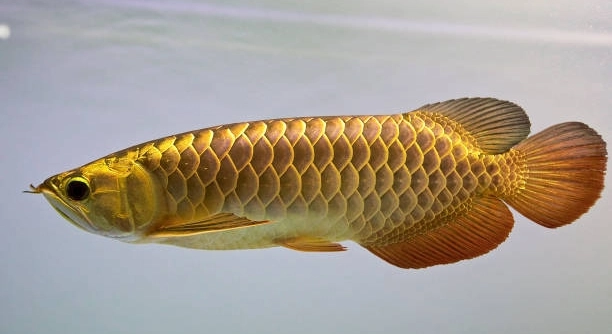
Have you ever noticed your arowana behaving differently throughout the day, gliding calmly at times and becoming more active at others? These subtle changes may make you wonder if your fish can sense the passing of time.
Arowanas cannot tell the exact time of day as humans do, but they are highly responsive to light patterns and environmental cues. Their behavior adjusts according to natural circadian rhythms influenced by daylight, feeding routines, and aquarium lighting schedules.
Understanding how lighting and daily patterns affect your arowana’s rhythm helps create a stable environment that supports its natural instincts and overall well-being.
Understanding Arowana Behavior Throughout the Day
Arowanas are sensitive creatures that react strongly to changes in light, temperature, and activity around their tank. Their behavior often shifts depending on the time of day, reflecting a natural rhythm similar to what they experience in the wild. During daylight hours, they tend to be more alert and active, gliding gracefully across the surface as they watch for movement or feeding opportunities. As evening approaches, their movements become slower and more deliberate, signaling a period of rest. This natural rhythm helps regulate their stress levels and keeps them healthy, both physically and mentally. When aquarium lighting mimics natural daylight cycles, it helps your arowana maintain this instinctive behavior.
In captivity, maintaining consistent lighting and feeding schedules ensures that your arowana develops predictable routines. Consistency helps build a sense of security, making your fish more comfortable and less prone to stress-related illnesses.
Changes in their surroundings can easily disrupt their rhythm. Even small adjustments, like altering the lighting duration or feeding time, can affect their activity level and appetite. Observing your arowana’s behavior daily helps you understand its routine and make gradual adjustments when necessary. Over time, you’ll notice that your fish naturally adapts to your household patterns, becoming more synchronized with your schedule.
How Light Influences Their Sense of Time
Light plays the biggest role in shaping an arowana’s daily rhythm. Their bodies rely on visual cues to determine when it’s time to rest or stay active.
In aquariums, artificial lighting becomes a substitute for sunlight, guiding their internal clock. Arowanas respond best to steady, moderate light that simulates daylight conditions, ideally lasting between ten to twelve hours a day. Bright, sudden lighting changes can cause stress and confusion, especially if they occur abruptly during rest periods. To prevent this, timers are often used to automate gradual light transitions, mimicking sunrise and sunset. Consistent lighting helps regulate their biological patterns, ensuring stable feeding behavior and energy levels. Without a proper light schedule, your arowana may become restless, lose appetite, or display erratic swimming. Maintaining a balanced environment not only supports their health but also allows you to observe their natural beauty as they move gracefully under controlled lighting.
Feeding Patterns and Their Connection to Time
Feeding times strongly influence an arowana’s perception of daily rhythm. When fed consistently, they begin associating certain hours with food, showing excitement or increased movement as the time approaches. Regular feeding schedules strengthen their internal timing and support their overall balance and well-being.
Arowanas quickly adapt to a structured feeding routine. Over time, they learn when to expect food, often rising to the surface or pacing near familiar feeding spots. This conditioned behavior reflects their awareness of timing based on consistency, not actual clock time. Keeping their meals predictable prevents stress and encourages healthy digestion. It also allows you to monitor their appetite and notice early signs of irregular behavior. Skipping meals or feeding at random times can confuse their internal rhythm, affecting their energy and rest cycles. Maintaining a consistent routine helps keep them comfortable and stable.
Feeding patterns also influence how your arowana interacts with you. They recognize motion near the tank or the sound of the food container, linking these cues to mealtime. Over time, these responses become stronger, making feeding a familiar daily ritual. This regular interaction not only helps establish trust but also provides insight into their overall health and comfort level.
Environmental Cues and Adaptation
Arowanas use subtle environmental changes to guide their daily rhythm. Light, temperature, and even room activity influence their sense of time, helping them adjust their behavior naturally. These external factors form part of their instinctive response system.
Stable surroundings allow your arowana to adapt and thrive. Consistent lighting schedules, gentle water movement, and steady temperatures support their internal rhythm, reducing anxiety and promoting natural activity cycles. Even noise levels around the aquarium matter; sudden disturbances can cause stress and affect their behavior. A calm environment with predictable patterns helps them feel secure. Over time, they begin to adjust their movements and rest periods according to these cues. By maintaining stability in their habitat, you encourage their natural instincts to flourish, allowing them to remain active and at ease throughout the day.
Observing Behavioral Changes
Observing your arowana closely helps you notice subtle behavior shifts that align with time-based patterns. They may become more active when expecting food or calmer during dim lighting. These habits reflect their sensitivity to consistent routines and environmental cues.
Keeping track of these behaviors allows you to understand their comfort levels and detect early signs of stress. Sudden changes in activity, appetite, or swimming patterns may signal disruptions in their rhythm. Recognizing these signs early helps you maintain stability and support their natural timing.
The Importance of Routine
A structured routine helps your arowana feel secure and balanced. Regular lighting, feeding, and cleaning schedules create predictability, which reduces anxiety and supports stable behavior. This consistency mimics natural cycles, helping your fish maintain healthy rest and activity patterns. Disrupting these routines too often can lead to confusion and stress-related issues. Maintaining steady daily patterns encourages smoother adaptation and overall well-being. It also helps you build a deeper understanding of your fish’s needs and reactions, making care more effective and harmonious.
Building a Stable Environment
Consistency is the foundation of a stable aquarium. Keeping lighting, feeding, and maintenance on schedule helps your arowana stay healthy and active. A calm, predictable setting ensures that their internal rhythm remains balanced throughout each day.
FAQ
Can arowanas actually tell the time of day?
Arowanas cannot tell time in the human sense, but they can sense changes in their environment that signal time passing. Their daily rhythm is guided by light exposure, feeding consistency, and regular activity around the tank. These environmental cues help them anticipate when to rest, feed, or stay active. Over time, they begin to associate certain times of day with specific events, such as feeding or lighting changes, which creates a structured behavioral pattern that mimics time awareness.
How does lighting affect an arowana’s behavior?
Lighting plays a major role in regulating an arowana’s behavior and internal rhythm. When light gradually brightens in the morning and dims at night, it helps mimic natural daylight patterns. This transition allows the fish to recognize when to be active and when to rest. Sudden or irregular lighting changes can confuse their sense of routine, leading to stress or erratic movement. Using an automatic timer for your aquarium lights ensures consistency, helping your arowana maintain a natural and calm pattern each day.
Do arowanas become stressed by irregular feeding times?
Yes, irregular feeding schedules can cause stress for arowanas. These fish thrive on consistency, and when their routine is disrupted, they may become restless or lose appetite. Feeding them at the same time every day allows their digestive system and activity levels to adjust accordingly. It also builds trust and predictability, creating a sense of stability in their environment. Skipping or delaying meals too often can confuse their internal rhythm, making it harder for them to maintain healthy behavior and energy levels.
Can room activity influence an arowana’s daily rhythm?
Arowanas are sensitive to movement and vibrations around their tank. Frequent changes in room activity—like turning lights on and off suddenly or moving around the aquarium unpredictably—can affect their comfort and behavior. When their surroundings remain calm and steady, they learn to adapt more easily to daily routines. Keeping the tank in a quiet area where activity is predictable helps them develop a sense of safety, allowing their natural rhythm to remain stable.
Do arowanas need complete darkness at night?
Providing a period of darkness at night is important for arowanas, as it allows them to rest properly. Total darkness mimics natural nighttime conditions, signaling their bodies to slow down and recover from daily activity. However, complete darkness is not always necessary if the room has gentle ambient light. What matters most is avoiding sudden light exposure during rest periods, as this can startle them and cause stress. Using dim or soft lighting during nighttime hours helps maintain a peaceful environment.
How can I tell if my arowana’s rhythm is disrupted?
Changes in swimming patterns, loss of appetite, or unusual restlessness can signal that your arowana’s rhythm is off. If they appear less active during normal feeding times or remain still for long periods, it may indicate environmental stress or inconsistent schedules. Checking lighting times, water temperature, and feeding frequency can help restore balance. Most behavioral changes stem from irregular conditions, so keeping their routine steady is the best way to help them return to normal activity.
What lighting schedule is best for arowanas?
A consistent 10 to 12-hour light cycle is ideal for arowanas. This range mimics the natural day and night rhythm they experience in the wild. Using an automated timer helps maintain this schedule effortlessly. The light should gradually increase in brightness during the morning and decrease at night, avoiding abrupt shifts. Regular lighting patterns support better feeding, rest, and overall health, helping them feel secure and active.
Can arowanas adapt to household schedules?
Yes, over time, arowanas can adapt to the household’s daily routine. They learn to respond to cues such as feeding times, light changes, and regular movements around the tank. This adaptation allows them to develop their own predictable cycle that aligns closely with your schedule. However, abrupt changes can disrupt this balance, so consistency remains key to keeping them comfortable and well-adjusted.
Is it possible to reset an arowana’s internal rhythm?
If your arowana’s rhythm becomes irregular, it can be gradually reset through consistent lighting, feeding, and reduced disturbances. Begin by reintroducing fixed feeding times and stabilizing the light cycle. Avoid changing the environment drastically. Within a few weeks, most arowanas adjust and regain their normal behavioral rhythm. Patience and steadiness are essential when helping them reestablish their routine.
Why does my arowana seem more active at night?
Some arowanas display increased activity during the evening due to residual light or late feeding schedules. This behavior may also reflect adaptation to household movement patterns. Ensuring a consistent light-dark cycle and avoiding nighttime disturbances encourages them to rest naturally. Over time, their rhythm will align with a stable daily pattern.
Final Thoughts
Understanding how arowanas respond to time and routine helps create a peaceful and stable environment where they can thrive. These elegant fish may not measure time like humans, but they rely heavily on consistency and environmental cues to maintain their natural rhythm. Every light change, feeding schedule, and sound near their tank influences how they behave throughout the day. By observing these patterns, you can recognize what keeps them calm and active, ensuring their daily cycle remains steady. Consistency in their environment is not just a routine—it’s a foundation for their overall well-being and longevity. Creating balance through small, predictable actions allows them to develop a sense of safety, helping them move gracefully and behave more naturally.
Lighting and feeding schedules play the most important roles in shaping an arowana’s rhythm. When these factors are properly managed, they help establish a natural flow of activity and rest. Arowanas are incredibly perceptive to changes in brightness and movement, so a sudden light switch or missed feeding time can easily cause stress. Maintaining regular lighting that mimics sunrise and sunset encourages them to rest when the lights dim and become active when brightness returns. Similarly, feeding them at the same time each day helps them anticipate mealtime without anxiety. This structure provides both physical and psychological comfort, allowing them to focus on swimming, exploring, and interacting with their surroundings instead of reacting to unpredictable changes.
Taking time to understand and respect an arowana’s daily rhythm strengthens your bond with the fish and enhances its quality of life. When the environment remains stable, their natural colors appear more vivid, their appetite stays strong, and their swimming becomes more fluid. These signs indicate that their internal balance is in harmony with the environment you’ve built. Small habits—like turning on lights gradually, maintaining consistent water conditions, and observing behavior during feeding—can make a significant difference in their comfort and trust. Over time, this consistency creates a calm and predictable atmosphere that mirrors their natural instincts. Caring for an arowana is not just about keeping water clean or feeding properly; it’s about providing a steady rhythm that helps them feel safe every single day. A balanced routine ensures your arowana not only survives but truly thrives in its home.

Hello,
If you enjoy the content that we create, please consider saying a "Thank You!" by leaving a tip.
Every little bit helps us continue crafting quality advice that supports the health, happiness, and well-being of pets around the world, for pets of all shapes, sizes, and species.
We really appreciate the kindness and support that you show us!