
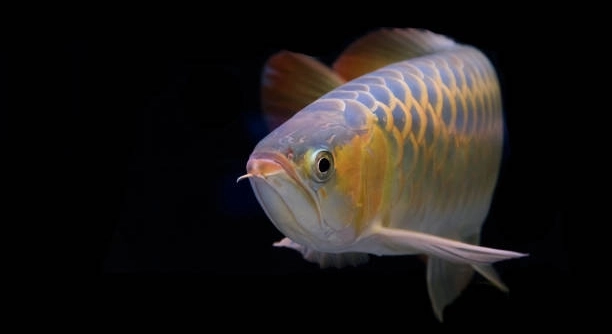
Arowanas are elegant freshwater fish known for their shimmering scales and graceful movements. Popular among aquarium enthusiasts, these fish carry a sense of prestige and fascination, making them a favorite choice for both novice and experienced fish keepers.
Arowanas are large, predatory fish native to Asia, South America, and Australia. They are known for their elongated bodies, strong swimming abilities, and surface-feeding habits. Some species are considered symbols of luck, while others require specialized care.
Learning about their unique behaviors, feeding patterns, and habitat needs can change how you view these remarkable fish. Understanding these facts ensures better care and appreciation of arowanas in home aquariums.
Arowanas Can Grow Very Large
Arowanas are among the largest freshwater fish kept in aquariums. Depending on the species, they can grow up to three feet long. Their size demands a spacious tank, often over 250 gallons, to provide enough room for swimming and turning comfortably. Without sufficient space, their health and behavior can be negatively affected. Large tanks also help maintain stable water conditions, which are crucial for arowanas. These fish are strong jumpers and can easily escape from open tanks, so secure lids are necessary. Their impressive size is part of their appeal, but it also comes with a commitment to long-term care. Feeding arowanas requires a diet rich in protein, often including live or frozen food like shrimp, insects, and small fish. Regular tank maintenance and monitoring water quality are essential to prevent diseases and stress. Observing a fully grown arowana is rewarding, reflecting both their strength and elegance in an aquarium environment.
Arowanas require significant space and care, making them a long-term commitment for those who can meet their needs.
With proper attention, diet, and habitat, these fish can live for many years. Their growth, behavior, and vibrant appearance make the effort worthwhile, but neglecting their specific requirements can quickly lead to health issues. Understanding their size, feeding habits, and swimming needs ensures they thrive in captivity. Arowanas are intelligent and responsive, recognizing caretakers and reacting to their presence. Maintaining stable water conditions, feeding a balanced diet, and preventing injuries from jumping or tank decorations are essential for their well-being. Regular observation allows early detection of illness or stress. Many owners find that caring for arowanas teaches patience and attention to detail, highlighting the importance of consistency. Large tanks with gentle filtration create a calm environment, encouraging natural behavior. Overall, the combination of size, diet, and environment makes keeping arowanas both challenging and rewarding for those committed to their care.
Arowanas Can Jump Out of Tanks
Arowanas are known for their ability to jump several feet out of water when startled or hunting.
Securing a tank with a sturdy lid is essential. They may leap to chase prey, avoid threats, or explore surroundings, which can result in injury or death if precautions are not taken. Jumping is a natural behavior for arowanas, stemming from their predatory instincts. Providing a safe, enclosed environment minimizes accidents while allowing them to display their active, agile swimming habits. Observing them in a well-protected tank reveals their full range of motion and energy. It is important to create a stable environment with minimal sudden disturbances. Floating decorations, hiding spaces, and consistent feeding schedules can reduce stress, which often triggers jumping. Over time, caretakers learn to anticipate these movements, ensuring both the fish’s safety and the preservation of the tank’s setup. Understanding this behavior is crucial for anyone committed to keeping arowanas healthy and secure.
Arowanas Require Specific Water Conditions
Arowanas thrive in warm, slightly acidic to neutral water. Maintaining temperature between 75–82°F and pH around 6.5–7.5 is crucial. Sudden fluctuations can stress them and make them susceptible to disease. Regular monitoring ensures their health and longevity.
Keeping stable water conditions involves careful monitoring and maintenance. Arowanas are sensitive to sudden changes in temperature, pH, and hardness. Using reliable heaters, filters, and test kits helps maintain the ideal environment. Partial water changes every week reduce toxins and maintain oxygen levels. Avoid overcrowding the tank, as this can affect water quality and cause stress. Observing the fish’s behavior often indicates if water conditions are optimal. Signs of stress include reduced activity, clamped fins, or loss of appetite. Consistency in care directly impacts their growth, coloration, and overall health. Proper water management is essential for arowanas to flourish.
Filtration and aeration play key roles in maintaining water quality for arowanas. Strong currents are not necessary, but gentle flow helps mimic their natural habitat. Avoid harsh chemical treatments unless recommended for disease management. Clean tanks regularly and remove uneaten food to prevent decay and spikes in ammonia or nitrites. Balancing water parameters supports their immune system, making them less prone to infections. Over time, consistent water care fosters natural behavior and reduces stress, allowing arowanas to swim actively and feed efficiently. By prioritizing stable conditions, caretakers ensure these fish remain healthy, vibrant, and responsive.
Arowanas Are Carnivorous
Arowanas are primarily carnivores, requiring a diet rich in protein. They prefer live or frozen prey such as shrimp, fish, and insects, which support growth and health.
Feeding arowanas involves providing varied, high-quality protein sources. Relying solely on one type of food can cause nutritional deficiencies. Many owners supplement their diet with pellets formulated for carnivorous fish to ensure balanced nutrition. Occasional treats like small crickets or worms stimulate natural hunting instincts. Overfeeding can lead to obesity and water contamination, so portion control is essential. Observing eating patterns helps identify health issues early. Young arowanas grow rapidly and require more frequent feedings, while adults eat less often. Proper nutrition supports strong bones, bright scales, and energetic swimming. Planning feeding schedules reduces stress and keeps the tank environment stable.
It is important to prepare food safely before feeding. Live prey should be disease-free, and frozen items must be thawed properly. Avoid feeding human food, which can upset digestion. Feeding a variety of protein sources mimics natural dietary habits and encourages natural behaviors. Supplementing with occasional vitamins or fortified pellets helps prevent deficiencies in captivity. Understanding their carnivorous needs ensures arowanas remain healthy, active, and vibrant in coloration. Consistency in feeding routines fosters predictable behavior, reduces aggression, and allows the fish to thrive over many years under careful care.
Arowanas Are Territorial
Arowanas are highly territorial and may become aggressive toward other fish in the same tank. They prefer open swimming space and limited tank mates. Proper tank size and careful selection of companions help reduce conflicts.
Introducing new fish gradually is important. Avoid overcrowding, as territorial disputes can cause injuries. Monitoring interactions and separating aggressive individuals when necessary maintains a safer environment.
Arowanas Can Live for Many Years
With proper care, arowanas can live 10 to 15 years or longer in captivity. Their lifespan depends on stable water conditions, appropriate diet, and minimal stress. Regular health checks help detect early signs of disease. Maintaining consistent care ensures these fish thrive for many years, showing their full potential in size, color, and behavior. Lifespan also varies among species, with some Asian arowanas living even longer under optimal conditions. Preventing injuries from tank equipment or jumping and avoiding rapid environmental changes support longevity. Observing behavior, appetite, and physical appearance allows caretakers to adjust care as needed. Proper long-term planning and commitment are essential for keeping arowanas healthy throughout their extended lifespan.
Arowanas Recognize Their Caretakers
Arowanas can become familiar with people who feed and interact with them regularly. They often respond to presence and movement, showing recognition and comfort.
FAQ
How often should I feed my arowana?
Feeding frequency depends on age and size. Juvenile arowanas need to be fed once or twice daily to support rapid growth. Adults typically eat every other day or three times a week. Portion control is important to prevent overfeeding, which can lead to obesity and poor water quality. Use high-protein foods like live or frozen shrimp, small fish, insects, and specially formulated carnivorous pellets. Observing the fish during feeding helps ensure they are eating well and allows detection of any health issues early. A consistent schedule supports natural feeding habits and reduces stress.
What size tank do arowanas need?
Arowanas grow very large, so they require spacious tanks. A minimum of 250 gallons is recommended for adult fish. Larger tanks provide ample swimming space and reduce stress caused by confinement. Tank width and length are just as important as height, as arowanas swim horizontally and need room to turn. Overcrowding can lead to aggression and health problems. Adding floating decorations or plants can provide shelter, but ensure there is plenty of open swimming space. Using a secure lid is essential, as arowanas are powerful jumpers. Consistent water quality management becomes easier in larger volumes of water.
Can arowanas live with other fish?
Arowanas are territorial and predatory, so tank mates must be chosen carefully. Small fish may be eaten, while similarly sized fish may provoke aggression. Peaceful but large species like certain catfish or large cichlids can sometimes coexist. Avoid overcrowding and monitor interactions closely. Provide hiding spots and separate aggressive individuals if needed. Over time, arowanas may tolerate compatible tank mates but often remain dominant. Understanding their territorial nature helps maintain a stable and safe environment. Proper planning in tank setup prevents injuries, stress, and competition for food.
What water conditions are best for arowanas?
Arowanas need warm, slightly acidic to neutral water. Temperature should range between 75–82°F, and pH should stay around 6.5–7.5. Sudden changes in temperature or pH can stress them and increase disease risk. Use heaters, reliable filters, and regular water testing to maintain stability. Partial water changes help remove waste and maintain oxygen levels. Avoid overcrowding, which can reduce water quality. Gentle currents are sufficient, and strong flow is unnecessary. Observing behavior and appetite indicates whether conditions are suitable. Clean tanks and proper water management are critical for long-term health and vibrant appearance.
How do I prevent arowanas from jumping?
Arowanas are natural jumpers, especially when hunting or startled. Secure lids are essential. Minimize sudden disturbances near the tank and provide a calm environment. Floating decorations or hiding spots can reduce stress, while regular feeding reduces the drive to search for food. Gentle handling and consistent tank routines help prevent accidents. Monitoring behavior over time allows caretakers to anticipate jumps and maintain safety. Ensuring the tank is free of hazards and creating a stable environment protects the fish from injury.
How long do arowanas live in captivity?
Arowanas can live 10 to 15 years or longer with proper care. Longevity depends on stable water, diet, and minimal stress. Regular health checks and consistent maintenance reduce the risk of disease and injury. Species differences affect lifespan, with some Asian arowanas reaching even longer ages. Protecting them from sudden environmental changes, tank hazards, and aggressive tank mates supports long-term health. Observing behavior, appetite, and physical condition allows timely adjustments in care. Committed caretakers who prioritize water quality, nutrition, and safe habitat can ensure arowanas live a full and healthy life.
Do arowanas recognize their caretakers?
Arowanas are intelligent and can recognize people who feed or interact with them regularly. They often respond to movements near the tank, showing signs of recognition and comfort. Over time, they may become more interactive and display curiosity toward familiar individuals. Regular, calm interactions help build trust, reduce stress, and support feeding routines. This recognition is a sign of their intelligence and adaptability in captivity. Consistency in care and handling fosters positive behavior and strengthens the bond between fish and caretaker, making daily observation and maintenance more rewarding.
What is the best diet for arowanas?
Arowanas are carnivorous and require a protein-rich diet. Live or frozen foods like shrimp, small fish, crickets, and worms are ideal. High-quality carnivorous pellets can supplement their diet to ensure balanced nutrition. Avoid human food, which can harm digestion. Providing variety supports natural hunting behavior and encourages activity. Overfeeding can harm health and water quality, so portion control is essential. Supplementing with occasional vitamins helps prevent deficiencies. Observing feeding behavior and adjusting diet based on age and size ensures optimal growth, vibrant coloration, and energy. Consistency in feeding routines promotes health and reduces stress.
How do I maintain tank cleanliness for arowanas?
Regular tank cleaning is essential to prevent disease and stress. Remove uneaten food promptly and perform partial water changes weekly. Filters should be checked and cleaned regularly. Monitor ammonia, nitrites, and nitrate levels to maintain safe water quality. Avoid overcrowding, which can increase waste production. Observing the fish’s behavior and appetite helps detect early signs of water-related issues. Clean decorations and substrate to prevent buildup of debris. Consistent maintenance supports their immune system and encourages natural behavior. Proper cleaning and water management ensure arowanas remain healthy, active, and visually striking in the aquarium environment.
Arowanas are remarkable fish that require careful attention and commitment. Their large size, carnivorous diet, and territorial nature make them a unique challenge for aquarium care. Maintaining proper water conditions, including temperature, pH, and cleanliness, is essential to their health and longevity. Without consistent care, they can become stressed, sick, or aggressive, which can affect their appearance and behavior. Observing them closely helps detect early signs of illness or discomfort. Over time, the effort invested in providing the right environment, diet, and space becomes clear in their growth, coloration, and overall vitality. These fish are not just pets; they are a responsibility that demands knowledge, patience, and consistency from their caretakers.
Arowanas are also intelligent and interactive fish. They recognize people who feed and care for them, often showing awareness of movement and presence around the tank. This behavior reflects their natural curiosity and adaptability in captivity. Providing a stable, calm environment allows them to display their natural swimming patterns and hunting instincts safely. Arowanas are strong jumpers, so secure lids are essential to prevent injury. Their territorial instincts mean that careful selection of tank mates and sufficient swimming space is necessary to avoid aggression. Understanding these behaviors helps create a balanced and safe habitat, ensuring that the fish remain healthy, active, and responsive to their surroundings.
Caring for arowanas is a long-term commitment, but it can be rewarding. Their impressive size, shimmering scales, and elegant movements make them a visually striking addition to an aquarium. Proper diet, including live, frozen, or high-quality pellet foods, supports their growth and health, while regular tank maintenance preserves a safe and stable environment. Over time, consistent care leads to thriving fish that can live many years, providing both visual enjoyment and a sense of accomplishment. Observing arowanas develop, adapt, and interact with their surroundings highlights the importance of patience and dedication in aquarium keeping. By understanding their unique needs, caretakers can ensure these fish remain vibrant, healthy, and active for a long time, making the effort of their care both meaningful and rewarding.

Hello,
If you enjoy the content that we create, please consider saying a "Thank You!" by leaving a tip.
Every little bit helps us continue crafting quality advice that supports the health, happiness, and well-being of pets around the world, for pets of all shapes, sizes, and species.
We really appreciate the kindness and support that you show us!