
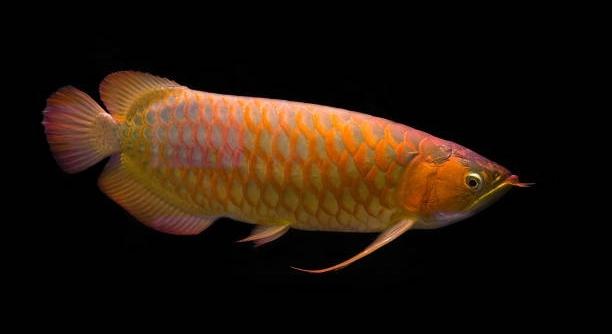
Arowanas are striking fish known for their shimmering scales and graceful movements. Many aquarium owners notice these majestic creatures seem to respond differently to various people, especially children who approach with excitement and curiosity.
Arowanas exhibit subtle behavioral changes around children, often becoming more cautious or attentive. Their responses can include slower swimming, pausing near the glass, or observing the child’s movements. These behaviors reflect the fish’s natural instincts and adaptability in their environment.
Observing these responses can enhance your understanding of arowanas’ personalities and help maintain a calm, balanced aquarium environment for both the fish and young family members.
How Arowanas Perceive Children
Arowanas are naturally cautious fish. When children approach the aquarium, their quick movements and high energy can make the fish pause or swim more slowly. This reaction is not aggression but a form of observation. They notice the child’s presence and gauge whether there is any threat. Over time, arowanas may recognize repeated, gentle behavior from children, which can lead to calmer interactions. The size of the aquarium also affects this behavior, as a larger space gives the fish more room to retreat and feel secure. Lighting and reflections can influence how the fish perceives movement, sometimes amplifying their caution. Feeding routines also play a role, as fish may associate children with food. While every arowana has its own personality, observing these subtle cues helps in understanding their comfort levels. Patience and consistent behavior from children often result in smoother interactions over time.
Children’s presence can encourage curiosity, but sudden movements may cause arowanas to hide or pause briefly in their swimming patterns.
Consistent exposure to children who approach calmly helps arowanas adapt and feel more secure. Slowly, the fish may begin to swim closer to the glass when a child is nearby, showing curiosity without stress. Avoid tapping the glass or sudden loud noises, as these can trigger defensive behaviors. Incorporating feeding times when children are present allows the fish to associate them with positive experiences. Over weeks, careful observation reveals patterns: some arowanas may actively follow a child’s hand, while others remain more reserved. Aquarium decorations, hiding spots, and sufficient swimming space also influence how comfortable arowanas feel. By monitoring their reactions, you can create an environment where children can enjoy observing the fish while ensuring the arowanas remain calm and healthy. This understanding strengthens the interaction between children and these majestic fish.
Tips for Safe Interaction
Approach the tank slowly and keep movements gentle. Children should avoid tapping or startling the fish.
Allow children to observe quietly at first. Over time, supervised feeding sessions can be introduced. Teaching patience and respect helps children understand the fish’s needs. Using consistent routines reduces stress for arowanas. Avoid overcrowding the aquarium and maintain clean water to ensure a healthy environment. Gradually, the fish become more comfortable with children, and interactions become smoother. Arowanas respond best when children are calm and predictable, creating a positive atmosphere. By following these practices, the tank remains safe for both the fish and the children, promoting a peaceful and enjoyable observation experience.
Common Behavioral Changes Around Children
Arowanas may swim closer to the glass, pause frequently, or follow movements when children approach. Some appear more alert, while others retreat to hiding spots. These shifts are normal and reflect the fish adjusting to a new type of presence in their environment.
Repeated gentle interactions often lead to calmer behavior. Arowanas may begin swimming confidently near children’s hands during feeding, showing interest without stress. Over time, they recognize predictable movements and less energetic behavior, which encourages exploration of the tank instead of hiding. Observation is key to understanding individual responses, as some arowanas remain cautious while others become curious. Patience ensures interactions remain safe and positive.
Environmental factors also affect reactions. Tank size, hiding spots, lighting, and water conditions influence how secure arowanas feel. Children approaching calmly and slowly can help fish explore more openly. Maintaining a predictable routine, especially around feeding, reinforces comfort and reduces stress. Noticing subtle cues, such as tail flicks or pauses, helps gauge mood and ensures the aquarium remains a safe space for both fish and children.
Encouraging Positive Interactions
Supervised feeding allows arowanas to associate children with food, creating a positive link. Keep movements slow to reduce stress.
Offering treats at the same time daily helps fish anticipate interaction without fear. Children should avoid sudden gestures, which can startle the fish. Over time, this consistency promotes confidence in the arowana and encourages exploration near the glass. Watching carefully for signs of stress ensures safe engagement. Patience is essential, as each fish adjusts differently, and forcing interaction can cause retreat or defensive behavior.
Observing arowanas regularly helps children understand their unique personalities. Fish may respond differently based on mood, health, or environmental factors. Allowing arowanas to explore freely while maintaining calm routines ensures both safety and enjoyment. Adjusting lighting, decorations, and hiding spots creates a secure space that encourages curiosity rather than fear. Repetition in feeding, gentle gestures, and quiet observation teaches children respect for the fish while providing predictable cues that arowanas can trust. Over weeks, the tank atmosphere improves, allowing both children and fish to coexist peacefully.
Signs of Comfort Around Children
Arowanas may linger near the glass without hiding, showing calm swimming and curiosity. They may follow slow hand movements or watch quietly, indicating a sense of security in the presence of children.
Tail and fin movements can signal comfort. Arowanas that explore decorations or swim confidently near the front are more at ease, demonstrating trust over time.
Managing Stress in Young Fish
Stress in arowanas appears as rapid swimming, hiding, or refusing food. Sudden loud noises or fast movements from children can trigger these behaviors. Consistent routines, gentle interaction, and proper tank conditions help minimize stress, allowing fish to feel secure and maintain regular eating habits.
Adjusting the Aquarium Environment
Providing adequate hiding spots, stable lighting, and proper tank size reduces fear and allows arowanas to explore safely, improving interactions with children.
FAQ
Do arowanas recognize children differently than adults?
Arowanas are sensitive to movement and energy levels. Children tend to move more quickly and unpredictably, which can make the fish cautious. Over time, with calm and consistent behavior, arowanas may become accustomed to children, recognizing them as a non-threatening presence. Adults often elicit calmer responses because their movements are slower and more predictable, but the fish’s recognition is based largely on behavior rather than age.
Why do arowanas sometimes hide when children are nearby?
Hiding is a natural response to perceived threats. Sudden movements, loud noises, or tapping on the glass can cause arowanas to retreat. Hiding allows them to feel secure and avoid potential danger. Ensuring children approach slowly and quietly reduces these stress reactions and encourages the fish to remain visible.
Can arowanas become more playful around children?
Yes, some arowanas display curiosity and active swimming patterns when they feel safe. Repeated gentle interactions, especially during feeding times, can encourage exploratory behavior. While “playful” may look like following hand movements or swimming near the glass, it is the fish’s way of observing and engaging with a familiar presence.
How do I know if my arowana is stressed by children?
Signs of stress include rapid swimming, darting to hiding spots, refusing food, and flared fins. Prolonged stress can impact health and appetite. Observing subtle body language, such as tail flicks, sudden pauses, or clamped fins, helps identify discomfort. Adjusting the child’s interaction approach or providing more hiding spaces can reduce stress.
Is it safe to let children feed arowanas?
Feeding can be safe if supervised. Children should use gentle, controlled movements and follow a consistent routine. Avoid overfeeding or dropping food suddenly, which may startle the fish. Feeding under guidance helps arowanas associate children with positive experiences while maintaining safe interaction.
Do environmental changes affect arowanas’ behavior around children?
Absolutely. Tank size, water temperature, lighting, and décor influence how comfortable arowanas feel. Adequate space, calm lighting, and secure hiding spots help the fish feel safe, reducing defensive reactions when children approach. Changes in environment should be gradual to avoid unnecessary stress.
Can arowanas learn to differentiate between calm and energetic children?
Yes, arowanas are observant and can notice patterns in behavior. Calm, slow movements are less threatening, encouraging curiosity and exploration. Energetic or loud behavior tends to trigger caution or retreat. Over time, fish adapt to repeated positive interactions, showing selective comfort depending on the child’s approach.
What is the best way for children to interact with arowanas?
Children should move slowly, avoid tapping the glass, and maintain quiet voices. Supervised feeding and observation help build trust. Allowing the fish to approach on their own terms promotes a safe, stress-free environment. Repetition and patience are key to positive interactions.
How long does it take for arowanas to adjust to children?
Adjustment varies by individual fish. Some may adapt within days if interactions are gentle, while others take weeks. Consistency, calm behavior, and a predictable environment encourage faster acclimation. Observing reactions and giving space when needed ensures the process remains safe and positive.
Do arowanas show affection toward children?
While not affectionate in a human sense, arowanas display recognition and curiosity. Following movements, swimming near the glass, or observing quietly reflects comfort and trust. These behaviors indicate the fish feel secure around the child and respond to gentle, consistent interaction.
Can multiple children interact with arowanas safely?
Yes, but it is important to supervise all interactions. The fish may become stressed with too many energetic movements at once. Rotating calm, consistent engagement allows each child to interact safely and helps the arowanas adjust without becoming overwhelmed.
Are certain types of arowanas more sensitive to children?
Yes, species and individual temperament affect behavior. Some are naturally more cautious, while others are curious and responsive. Observing each fish’s reactions and tailoring interactions to their personality ensures a positive experience for both children and the aquarium inhabitants.
How can I encourage long-term positive behavior around children?
Maintain consistent routines, provide hiding spaces, avoid sudden movements, and supervise interactions. Repeated positive experiences, like calm observation and gentle feeding, reinforce security. Over time, arowanas learn to associate children with a predictable, safe presence, encouraging curiosity rather than stress.
Is it okay if some arowanas never approach children?
Yes, individual differences are normal. Some fish remain cautious regardless of repeated gentle exposure. Forcing interaction can cause stress. Respecting each arowana’s comfort level ensures their health and wellbeing while still allowing children to observe them safely.
Can children help in monitoring fish health?
Yes, observing behaviors such as swimming patterns, appetite, and responsiveness provides insights into arowanas’ wellbeing. Teaching children to notice these cues encourages responsibility and awareness while supporting the fish’s health in a calm and supervised way.
Final Thoughts
Arowanas are remarkable fish with unique behaviors that respond to their environment and the people around them. When children are present, these fish may show noticeable changes in swimming patterns, pauses, or focused attention near the glass. Such responses are natural and indicate the fish is observing and adjusting to a new type of presence. Over time, gentle and consistent interactions allow arowanas to become familiar with children, resulting in calmer and more confident behavior. It is important to recognize that every fish has its own temperament. Some may be naturally curious and approach more readily, while others remain cautious, preferring to observe from a distance. Patience and careful observation help both the fish and children coexist in the same space without causing unnecessary stress.
Maintaining a safe and stable aquarium environment is essential for positive interactions. Factors such as tank size, water quality, hiding spots, and lighting all contribute to how secure arowanas feel. Providing ample space and calm surroundings allows the fish to explore without fear, even when children are nearby. Feeding routines are particularly important because arowanas quickly learn to associate consistent, gentle behavior with food. Supervised feeding sessions give children an opportunity to engage responsibly while helping the fish feel safe. Avoiding sudden movements, tapping, or loud noises is key, as these can trigger defensive behaviors or hiding. Over weeks and months, gradual and patient exposure encourages the fish to exhibit more relaxed and curious behavior. This balance between observation, gentle interaction, and proper environment creates a positive atmosphere for both children and the fish.
Respecting individual differences in arowanas ensures long-term wellbeing and safe engagement. Not every fish will approach or interact in the same way, and that is normal. Some may remain reserved, while others may actively explore near the glass when children are around. Forcing interaction can cause stress, so allowing the fish to choose when to engage is crucial. By observing behaviors such as swimming patterns, pauses, tail movements, and response to feeding, children can learn to understand the fish’s mood and comfort levels. This process also teaches patience, responsibility, and respect for living creatures. Over time, careful observation and consistent, gentle interactions create a positive environment where children can enjoy the presence of arowanas, and the fish can maintain their natural behaviors without stress. Ensuring these elements are in place contributes to a harmonious relationship between the fish and the household, supporting both the health of the arowanas and a calm, enjoyable experience for children.

Hello,
If you enjoy the content that we create, please consider saying a "Thank You!" by leaving a tip.
Every little bit helps us continue crafting quality advice that supports the health, happiness, and well-being of pets around the world, for pets of all shapes, sizes, and species.
We really appreciate the kindness and support that you show us!