
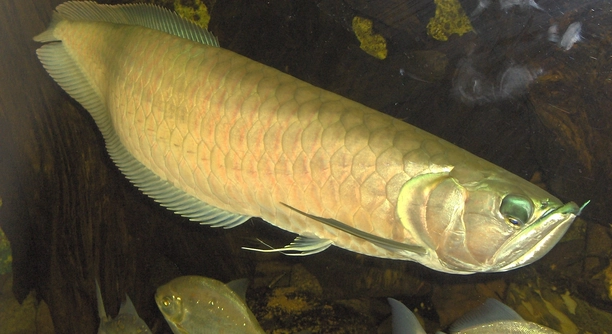
Do you ever notice your arowana swimming nervously without any clear reason? Many fish owners have observed unusual behavior in their arowanas that seems linked to subtle changes in their surroundings or environment.
Arowanas have sensory systems that can detect vibrations and shifts in water pressure, which may allow them to respond to seismic activity or tremors. These adaptations help them navigate their environment and react to potential disturbances quickly and instinctively.
Observing these responses can reveal how sensitive arowanas are to their habitat. Learning about these behaviors offers insight into their instincts and environmental awareness.
How Arowanas Sense Vibrations
Arowanas rely on their lateral line system, a row of sensory organs along their sides that detects water movement and vibrations. These organs are highly sensitive and allow the fish to pick up even minor changes in their environment. When the ground shakes, it creates subtle disturbances in the water, which the lateral line can detect. Many fish owners notice that their arowanas become restless or swim closer to the bottom of the tank during tremors. This behavior is not just random; it reflects an instinctive response to perceived threats. In addition to detecting vibrations, arowanas use their vision to monitor movement and changes in light patterns. Combining these senses helps them react quickly to anything unusual. Observing this behavior can give insight into how fish perceive threats differently from humans, emphasizing the importance of maintaining a calm environment for their wellbeing.
Arowanas often show signs of stress when vibrations are detected. Their fins may flare, and movements become rapid, reflecting their instinct to respond quickly.
Understanding these reactions helps owners provide a safer and more stable environment. By minimizing sudden disturbances and monitoring their fish closely, it’s possible to reduce stress and maintain overall health, ensuring that arowanas thrive in captivity. Their sensitivity to vibrations also shows how advanced and responsive their natural instincts are, even in a controlled environment. Observing and noting these behaviors can guide tank placement, water conditions, and interactions, making daily care more effective. Over time, owners can learn to recognize subtle cues that indicate when their arowana senses environmental changes. This knowledge is valuable not only for comfort but also for safety, as these behaviors could alert humans to potential seismic activity before other signs appear. Arowanas’ natural instincts are finely tuned, and respecting them improves both the fish’s wellbeing and the owner’s experience.
Environmental Factors That Affect Arowana Behavior
Temperature changes can influence an arowana’s sensitivity to vibrations. Sudden shifts may make them more alert.
Stable water conditions are essential for minimizing unnecessary stress. Fluctuations in temperature, pH, or filtration noise can all impact behavior. Arowanas are particularly responsive to consistent conditions because they allow their lateral line system to function optimally. Loud household noises, tapping on the tank, or nearby construction can also make them anxious. Providing a calm and predictable environment helps them remain relaxed and react appropriately to genuine environmental changes, like seismic activity. Tanks with adequate space, plants, or structures can further reduce stress, giving the fish areas to retreat if vibrations occur. Owners should monitor not only water quality but also external factors that might create small disturbances. Even subtle vibrations can cause changes in swimming patterns or feeding habits. By understanding these influences, caretakers can ensure their arowana’s instincts are preserved without unnecessary stress, keeping the fish healthy and more attuned to genuine environmental cues.
Signs Your Arowana Reacts to Vibrations
Restlessness, sudden darting, or staying near the tank bottom can indicate that your arowana senses vibrations. These behaviors often occur before obvious disturbances, showing how finely tuned their senses are.
Watching your arowana closely during minor tremors or tapping on the tank reveals subtle behavioral changes. They may pause mid-swim, flick their fins, or adjust their position in the water column. These responses are not random but reflect instinctive alertness. In some cases, they may hide behind decorations or swim along the tank edges, seeking a sense of security. Over time, owners learn to recognize these subtle signals as early indicators of environmental changes.
Not every movement is related to vibrations. Feeding schedules, water quality, or interaction with other fish can also cause sudden activity. However, consistent patterns linked to external disturbances strongly suggest sensitivity to vibrations. Keeping a log of behaviors and environmental factors helps identify triggers accurately. Recognizing these patterns allows for better tank management, reducing stress and supporting the arowana’s natural instincts in a safe environment.
How to Support Your Arowana During Disturbances
Providing stable water conditions and a calm environment helps reduce stress when vibrations occur. Consistent temperature, pH, and filtration are essential.
Adding hiding spots, such as plants or decorative structures, allows your arowana to feel secure during tremors or vibrations. Minimizing external noise and avoiding tapping on the tank supports their natural sense of safety. Observing the fish regularly and noting behavioral changes helps identify when they are reacting to environmental shifts versus normal activity.
Gradual acclimation to minor disturbances can improve resilience, but sudden or frequent vibrations can be stressful. Maintaining tank stability, reducing loud noises, and ensuring proper diet and water quality all contribute to overall wellbeing. Respecting these needs allows the arowana to rely on its instincts safely without undue stress. Over time, this approach encourages a balanced response to vibrations, keeping the fish healthy and alert.
Understanding Their Lateral Line System
The lateral line is a row of sensory organs along an arowana’s body. It detects vibrations and water movement, helping the fish sense nearby disturbances without seeing them directly.
This system allows arowanas to react quickly to changes in their environment. Subtle water shifts trigger movement adjustments and alert behaviors, showing how finely tuned their senses are.
Tank Placement and Sensitivity
The location of the tank can influence how much vibration your arowana experiences. Placing tanks on solid, stable surfaces reduces unnecessary disturbances and helps the fish remain calm.
Observing Behavioral Patterns
Tracking changes in swimming, feeding, or fin movements over time reveals how your arowana responds to environmental vibrations. Noticing patterns can guide adjustments to tank conditions and care routines.
External Vibrations and Household Activity
Household activities like walking heavily near the tank, moving furniture, or using appliances can create vibrations. These minor disturbances may affect sensitive arowanas, prompting stress responses or unusual behavior.
FAQ
Can arowanas sense earthquakes before humans?
Arowanas are sensitive to vibrations in the water, which may include tremors caused by seismic activity. While they cannot predict earthquakes in the human sense, their responses to subtle water disturbances often occur before we notice anything. Observing restlessness, rapid swimming, or hiding behavior can indicate that the fish is reacting to environmental shifts. These behaviors are instinctive and help them stay alert to potential danger. Fish in the wild rely on similar mechanisms to escape predators or navigate changes in their surroundings. Monitoring these reactions in captivity can provide insight into how sensitive their senses are compared with ours.
What signs indicate an arowana is sensing vibrations?
Typical signs include sudden darting movements, staying close to the bottom, fin flaring, and unusual swimming patterns. Some arowanas may press against decorations or swim along tank edges. These behaviors are not constant and often appear during subtle changes in water pressure or small tremors. Observing these signs regularly helps owners differentiate between normal activity and stress responses. Documenting behavior patterns over time can reveal consistent triggers, allowing better management of the tank environment. Recognizing these subtle cues is essential for maintaining a healthy, calm setting that respects the fish’s natural instincts.
Are all arowanas equally sensitive to vibrations?
Sensitivity varies among individual fish. Factors such as age, size, health, and previous experiences can influence how strongly an arowana reacts to vibrations. Younger or more alert fish may display more noticeable responses, while older or stressed fish could be less responsive. Tank conditions also play a role; noisy environments or fluctuating water quality may desensitize or overstimulate them. Understanding your arowana’s unique behavior is important. By observing patterns and environmental influences, you can learn which triggers cause the most reaction and adjust care practices accordingly.
Can vibrations stress arowanas?
Yes, repeated or intense vibrations can cause stress. Stress manifests as loss of appetite, erratic swimming, or hiding for extended periods. Maintaining stable water conditions, minimizing loud noises, and providing hiding spaces can reduce stress. Observing their reactions helps ensure their environment is supportive. A calm, predictable setting allows the lateral line system to function naturally without overreaction. Avoid tapping on the glass or placing the tank near high-traffic areas. Reducing unnecessary disturbances supports long-term health and allows the fish to respond only to meaningful environmental changes.
Do arowanas respond to household activities?
Common activities like walking heavily, moving furniture, or using appliances can create minor vibrations. Sensitive arowanas may react with sudden movements or hiding behaviors. Placement on stable surfaces and monitoring daily activity can minimize unnecessary stress. Even small tremors can trigger a reaction, showing their finely tuned senses. Understanding these triggers helps improve tank placement and daily routines. By keeping the environment predictable, owners can ensure that responses are due to real environmental changes, not ordinary household vibrations, helping the fish remain relaxed and healthy.
Can observing arowanas help humans notice earthquakes?
While arowanas cannot communicate specific warnings, consistent behavioral changes can hint at environmental tremors. Some owners notice unusual swimming patterns or restlessness before detectable seismic activity. Observing these reactions may provide early, though indirect, signs. Careful record-keeping of behaviors and external events helps identify patterns. It is not a reliable warning system, but it demonstrates the fish’s sensitivity. Understanding and respecting these instincts allows for safer tank management and appreciation of their natural awareness, even if it cannot replace scientific monitoring.
How can I reduce stress from vibrations in the tank?
Maintaining stable water conditions, including temperature, pH, and filtration, is essential. Adding plants, rocks, or hiding spots provides security. Minimizing noise and avoiding tapping or moving the tank also reduces stress. Gradual acclimation to minor disturbances can help build resilience. Monitoring reactions over time ensures changes are effective. Creating a consistent and calm environment supports natural behavior and reduces unnecessary anxiety. Adjusting placement away from high-traffic areas and providing sufficient space further encourages stability, allowing arowanas to use their sensory systems without overstimulation.
Is it normal for arowanas to overreact to minor vibrations?
Yes, overreactions are part of their natural instinct. Lateral line sensitivity is designed to detect even small changes, so minor disturbances can appear significant. Responses usually include darting, hiding, or sudden fin movements. Observing these reactions is a way to understand their awareness. It is important to distinguish between genuine environmental stress and normal alert behavior. With consistent observation, owners learn which triggers are harmless and which may require adjustments in tank conditions or placement. Recognizing normal reactivity prevents unnecessary concern while supporting the fish’s well-being.
Do tank decorations help arowanas cope with vibrations?
Decorations provide areas for hiding and reduce perceived threats. Rocks, plants, and driftwood allow arowanas to adjust positioning during disturbances. This gives them a sense of security and can reduce stress. Thoughtful placement can also prevent collisions and minimize sudden movements caused by minor vibrations. Over time, these safe spots help the fish react calmly, supporting natural behavior while protecting their health. Observing how they use these spaces during disturbances offers insight into their coping mechanisms and environmental preferences.
Can vibrations affect feeding habits?
Sudden or continuous vibrations may reduce appetite or cause hesitation during feeding. Arowanas may swim erratically or retreat from the feeding area if they feel threatened. Keeping feeding times consistent and minimizing nearby disturbances helps maintain normal eating patterns. Monitoring changes in appetite alongside environmental factors allows owners to adjust tank placement, schedule, or conditions to ensure proper nutrition. Maintaining a calm feeding environment supports overall health and reinforces stable behavior, reducing the impact of minor vibrations on their daily routine.
Arowanas are remarkable fish with instincts that make them highly aware of their surroundings. Their ability to detect vibrations through the lateral line system allows them to respond to subtle changes in water movement or pressure. This sensitivity is not limited to natural behaviors like hunting or avoiding predators; it also extends to environmental disturbances such as minor tremors or vibrations in the home. Owners often notice sudden darting, hiding, or unusual swimming patterns when vibrations occur. These reactions may seem dramatic, but they are a natural part of the fish’s survival instincts. Observing these behaviors closely can help caretakers understand their arowana’s needs and the environment’s impact on its well-being.
Maintaining a stable and calm tank environment is essential for reducing stress caused by vibrations. Temperature fluctuations, sudden loud noises, or inconsistent water quality can make arowanas more sensitive and reactive. Providing sufficient hiding spaces, stable water conditions, and thoughtful tank placement reduces unnecessary stress while allowing the fish to react naturally to meaningful environmental changes. Even small household vibrations, like footsteps, moving furniture, or appliance operation, can trigger a response. By observing how your arowana reacts to these subtle disturbances, it is possible to make adjustments that support a balanced and healthy lifestyle. These small changes not only improve the fish’s comfort but also ensure that its natural sensory abilities function properly without causing undue anxiety.
Understanding arowanas’ sensitivity to vibrations highlights the importance of attentive and informed care. While their reactions cannot predict earthquakes with certainty, these behaviors show how finely tuned their senses are to the world around them. Owners who take the time to monitor and document behavior gain insight into both normal activity and potential stressors. This knowledge allows for better tank management, safer environmental conditions, and a more harmonious life for the fish. Ultimately, respecting these instincts and providing a stable, calm habitat ensures that arowanas can thrive. Their responses to vibrations serve as a reminder of how intelligent and perceptive these fish can be, reinforcing the responsibility of providing thoughtful care for their overall health and well-being.

Hello,
If you enjoy the content that we create, please consider saying a "Thank You!" by leaving a tip.
Every little bit helps us continue crafting quality advice that supports the health, happiness, and well-being of pets around the world, for pets of all shapes, sizes, and species.
We really appreciate the kindness and support that you show us!