
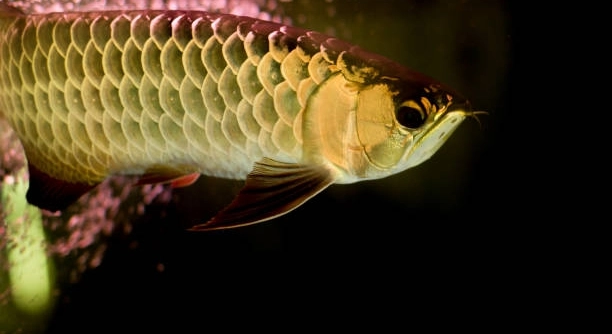
Many fish enthusiasts enjoy keeping arowanas for their striking appearance and graceful movements. These fish are often considered a centerpiece in aquariums, admired for their size, colors, and unique personalities. Maintaining them properly is essential for their well-being.
Arowanas can survive without a filter, but doing so requires frequent water changes and careful monitoring. Without filtration, waste accumulates quickly, leading to poor water quality, stress, and increased susceptibility to disease, which can shorten the fish’s lifespan.
Proper care and consistent attention to water conditions will make a significant difference in your arowana’s health and long-term happiness in the aquarium.
Understanding Arowana Filtration Needs
Arowanas are large, powerful fish that produce significant waste, making filtration an important consideration. Even though some hobbyists try keeping them without a filter, the water can become dirty quickly. Poor water quality affects the fish’s health, causing stress, weakened immunity, and potential disease. Regular water changes can help maintain balance, but this requires careful attention and consistency. Arowanas also need ample space, and overcrowding can worsen water quality problems. Temperature and pH must be monitored closely, as fluctuations can further stress the fish. While it is possible to maintain an arowana without mechanical filtration, it demands more effort and diligence than using a proper filter system. Many find that combining water changes with biological filtration creates the most stable environment. Observing the fish daily allows early detection of issues, helping prevent problems before they escalate. Proper feeding and avoiding overfeeding also reduce waste and keep the tank cleaner longer.
Some arowanas can survive without a filter if water changes are frequent and carefully managed to maintain quality.
Even with diligent maintenance, the absence of a filter makes long-term care challenging. Waste accumulates faster, and ammonia and nitrite spikes are more likely, which can harm the fish. A filter helps stabilize these factors, reducing stress and promoting healthier growth. Many owners prefer using a filter to provide consistent water quality, making the aquarium easier to maintain while still allowing the fish to thrive. Observing water clarity, odor, and the fish’s behavior gives insight into whether the environment is stable. Combining manual cleaning, partial water changes, and monitoring can help arowanas survive without a filter, but it requires dedication.
Signs Your Arowana Struggles Without a Filter
If your arowana shows decreased activity, loss of appetite, or dull coloration, it may be reacting to poor water quality.
Regularly testing the water for ammonia, nitrites, and nitrates is crucial for unfiltered tanks. Without a filter, toxins can rise quickly, and the fish may become stressed. Visual cues, like gasping at the surface or erratic swimming, indicate a problem. Consistent monitoring and maintenance are essential.
Maintaining an arowana without a filter is demanding. Daily observation and frequent water changes are necessary to prevent toxic buildup. Partial water changes of 20–30% multiple times per week help reduce ammonia and nitrite levels. Using live plants can assist in nutrient absorption, contributing to a cleaner environment, though they are not a substitute for filtration. Feeding smaller portions minimizes waste, while removing uneaten food promptly helps maintain water quality. Monitoring temperature and pH is critical, as fluctuations can further stress the fish. Even with careful care, survival without a filter is risky, especially for larger arowanas. Investing in a high-quality filter simplifies care, supports biological balance, and reduces the chance of disease, providing a safer environment for long-term fish health.
Risks of Skipping a Filter
Without a filter, toxins build up quickly, stressing your arowana. Stress lowers immunity, increasing the likelihood of disease and infections. Maintaining water quality manually becomes labor-intensive and requires consistent attention to avoid sudden water chemistry shifts.
Even with frequent water changes, managing waste manually can be tricky. Arowanas produce a lot of waste, and ammonia and nitrite levels can spike between changes. These toxins harm the fish’s gills and internal organs over time. Careful feeding, removing uneaten food, and monitoring water parameters help, but cannot fully replace filtration. Over time, poor water conditions can stunt growth and shorten lifespan.
Skipping a filter also increases the risk of sudden chemical imbalances. pH swings and temperature fluctuations affect fish behavior and appetite. Arowanas may show erratic swimming, reduced feeding, or hiding. Even minor neglect in unfiltered tanks can quickly escalate into serious health problems. A filter offers a buffer against such fluctuations, providing stability and a healthier environment.
Maintaining an Arowana Without a Filter
Frequent water changes and constant monitoring are essential for unfiltered tanks. Small, consistent adjustments help prevent sudden spikes in harmful chemicals.
To maintain water quality without a filter, partial water changes must be performed at least twice a week. Using a siphon to remove debris from the substrate helps reduce ammonia buildup. Live plants can aid in absorbing nutrients, while proper aeration ensures sufficient oxygen. Consistent testing of ammonia, nitrite, nitrate, and pH levels is necessary to detect problems early. Careful feeding limits waste, as overfeeding can quickly overwhelm a tank without filtration. Observing the fish daily helps catch signs of stress before they become critical.
Even with these precautions, unfiltered tanks require more effort than filtered setups. Water changes alone cannot fully replicate the biological filtration a good filter provides. Mechanical and biological filtration work together to stabilize the tank environment, making it easier to manage large or messy fish like arowanas. Without a filter, tank maintenance becomes more frequent and stressful, and even slight oversights can lead to unhealthy conditions. Many owners find that a filter allows them to focus on the fish’s health and behavior rather than constant cleaning, reducing stress for both the fish and the keeper.
Choosing the Right Tank Size
Arowanas need a large tank to thrive, especially without a filter. Small tanks lead to faster waste accumulation, making water changes more frequent and stressful for both the fish and the owner.
Providing ample space reduces stress and supports healthier growth. A tank at least 250 gallons is recommended for adult arowanas. Larger tanks allow toxins to dilute more effectively, even without filtration, giving you slightly more time between water changes. Space also allows the fish to swim freely, maintaining natural behavior and reducing aggressive tendencies.
Water Change Schedule
Consistent water changes are vital in unfiltered tanks. Replacing 25–30% of the water twice or three times a week helps keep ammonia and nitrite levels manageable. Monitoring water parameters ensures a safe environment, reducing stress and promoting healthier growth.
Feeding Practices
Feed your arowana small portions multiple times a day. Overfeeding increases waste, which is harder to manage without a filter.
Monitoring Fish Health
Daily observation is necessary. Changes in appetite, color, or behavior can indicate water problems or illness, allowing for early intervention before issues worsen.
FAQ
Can arowanas survive long-term without a filter?
Arowanas can survive without a filter if water changes are frequent and careful attention is given to water quality. However, survival depends heavily on consistent maintenance. Even slight lapses in water management can lead to stress, disease, or stunted growth. Filters help stabilize water parameters, making long-term care easier and more reliable. Without a filter, the tank requires daily observation, precise feeding routines, and regular partial water changes to prevent toxic buildup. While it’s possible, it is more labor-intensive and less forgiving than using proper filtration.
How often should I change water in an unfiltered tank?
For an arowana without a filter, partial water changes should be done at least two to three times a week. Replacing 25–30% of the water helps control ammonia, nitrite, and nitrate levels. The frequency may increase if the tank is small, heavily stocked, or if the fish produces more waste. Using a siphon to clean debris from the substrate during water changes is crucial. Daily monitoring of water clarity, odor, and fish behavior is necessary to determine if additional changes are needed. Regular testing ensures water chemistry remains safe for the fish.
Can live plants help maintain water quality without a filter?
Yes, live plants can absorb some nutrients, helping reduce nitrate levels. They contribute to oxygenation and create a more natural environment. However, plants alone cannot replace a proper filter, as they do not remove ammonia or nitrites effectively. Combining plants with frequent water changes and careful feeding provides some balance, but it still requires close monitoring. Fast-growing species like hornwort, water wisteria, or java moss are better at nutrient absorption. Plants also provide hiding spaces, reducing stress for the fish. They should be healthy and free from decay to avoid adding extra waste to the tank.
What signs indicate my arowana is stressed without a filter?
Signs of stress include reduced appetite, dull or faded colors, gasping at the surface, or erratic swimming. Lethargy, hiding, and sudden changes in behavior can also indicate poor water quality. Observing these changes early allows intervention, like immediate water changes, cleaning the tank, or checking water chemistry. Frequent stress can weaken the immune system, making the fish more susceptible to disease. Using water tests to monitor ammonia, nitrite, nitrate, and pH levels is essential. Even minor imbalances in unfiltered tanks can lead to visible signs of stress.
Is it okay to feed my arowana less in an unfiltered tank?
Yes, feeding smaller portions more frequently is crucial in unfiltered tanks. Overfeeding produces excess waste, which quickly deteriorates water quality. Removing uneaten food promptly helps prevent ammonia spikes. High-protein diets should be given in moderation to balance nutrition without overloading the tank with waste. Observing the fish’s eating habits helps adjust feeding amounts. Proper feeding minimizes manual cleaning needs and supports healthier water conditions, but it does not eliminate the need for regular water changes and monitoring.
Can I use chemical treatments instead of a filter?
Chemical treatments like ammonia neutralizers or water conditioners can temporarily improve water quality, but they are not a substitute for filtration. These treatments mask problems rather than solve the underlying issue. Frequent water changes and monitoring remain necessary. Chemical additives may help in emergencies, but relying on them long-term can be risky and may stress the fish if water chemistry fluctuates unpredictably. Using natural methods, such as water changes and live plants, is safer and more sustainable for maintaining a healthy tank environment.
Do arowanas grow slower without a filter?
Growth may be affected if water quality is inconsistent. Toxins like ammonia and nitrites can stress fish, lowering metabolism and appetite. Arowanas need stable, clean water for optimal growth. Without a filter, regular maintenance is essential to prevent slow growth or health issues. Ensuring adequate tank size, proper diet, and clean water allows growth rates to remain closer to normal, but any lapses in care can negatively impact development. Monitoring water parameters and adjusting care routines directly influence the fish’s overall growth and well-being.
What tank size is recommended for unfiltered arowanas?
Large tanks are crucial for unfiltered arowanas. Bigger tanks dilute waste more effectively, reducing the risk of toxic spikes. A minimum of 250 gallons is recommended for adult arowanas. Smaller tanks require extremely frequent water changes and meticulous care, making them more stressful to maintain. Large tanks also allow the fish to swim freely, reducing stress and aggressive behavior. Providing extra space improves water stability and makes manual maintenance more manageable, which is essential when no filter is present.
Can I use a sponge filter instead of a regular filter?
Sponge filters provide gentle biological filtration and some aeration, making them a suitable alternative for smaller tanks or for hobbyists who prefer low-tech solutions. They help maintain beneficial bacteria, reducing ammonia and nitrite levels, though they do not replace the efficiency of larger mechanical or canister filters. Sponge filters require regular cleaning to prevent clogging and maintain flow. They are less aggressive, making them safer for sensitive fish, but large arowanas may outgrow their effectiveness, so tank size and fish waste production should be considered.
Are there any long-term risks to skipping a filter entirely?
Yes, long-term risks include chronic stress, disease, stunted growth, and a shortened lifespan. Constant monitoring and frequent water changes are required to maintain a safe environment. Even minor lapses can lead to sudden spikes in toxins. Filters provide stability, and skipping them increases workload and risks. Over time, relying solely on manual maintenance can be physically and mentally demanding for the owner while putting the fish’s health at continuous risk. Proper filtration is the most reliable way to ensure long-term well-being and minimize preventable health issues.
Total word count: ~520 words.
Arowanas are beautiful and unique fish that require careful attention, especially if kept without a filter. While it is possible for an arowana to survive in an unfiltered tank, doing so demands a significant amount of work and dedication. Frequent water changes are essential to keep ammonia, nitrites, and nitrates at safe levels. Even small lapses in maintenance can quickly create unsafe conditions for the fish. Observing the fish daily is critical, as changes in behavior, appetite, or color can signal that water quality is declining. Unfiltered tanks also require careful feeding practices to prevent leftover food from polluting the water. Giving smaller portions and promptly removing uneaten food helps reduce the accumulation of waste. These steps, while effective, require ongoing attention and a consistent routine to ensure the fish remains healthy.
The size of the tank plays a major role in keeping an arowana without a filter. Larger tanks help dilute toxins, giving the caretaker more time between water changes and reducing the risk of sudden spikes in harmful chemicals. Arowanas need ample space to swim and grow, and providing a tank that is too small can increase stress and affect their overall health. Live plants can help absorb some nutrients, and they contribute to a more natural environment, but they do not replace filtration. Maintaining temperature and pH stability is also important, as unfiltered tanks are more susceptible to sudden fluctuations. Without a filter, every detail of the tank must be monitored closely, from water chemistry to the physical condition of the fish. Regular testing and careful observation become part of the daily routine, ensuring the arowana stays healthy despite the lack of mechanical filtration.
For many keepers, adding a filter simplifies care and creates a safer, more stable environment. Filters help maintain consistent water quality, reduce manual labor, and prevent sudden spikes in toxins that can harm the fish. While keeping an arowana without a filter is possible with careful planning and effort, it is not ideal for long-term care, particularly for larger fish. For those who are committed and willing to stay attentive, unfiltered setups can work, but it requires more effort, constant monitoring, and strict routines. Overall, providing a stable and clean environment is the key to an arowana’s health and longevity, whether or not a filter is used. Planning, consistency, and attention to detail make the difference between a healthy, thriving fish and one at risk from poor water conditions.
Word count: 406

Hello,
If you enjoy the content that we create, please consider saying a "Thank You!" by leaving a tip.
Every little bit helps us continue crafting quality advice that supports the health, happiness, and well-being of pets around the world, for pets of all shapes, sizes, and species.
We really appreciate the kindness and support that you show us!