
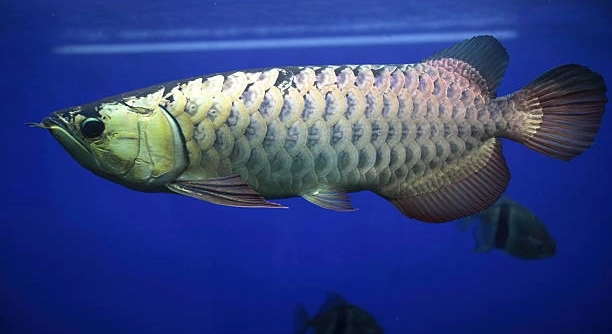
Do you ever find yourself rearranging your aquarium, hoping your arowana will settle comfortably in its new home? Moving a large fish like an arowana can be stressful, and their adjustment period is often subtle but important.
Arowana that are thriving in a new home exhibit clear behavioral and physical indicators. Healthy swimming patterns, bright coloration, consistent appetite, and minimal stress signs all reflect successful acclimation and proper environmental conditions in the aquarium.
Observing these traits closely can make a big difference in your fish’s overall well-being and long-term health in its new habitat.
Bright and Active Swimming
Arowanas that are thriving in a new home swim with purpose and energy. Their movements are smooth, steady, and confident, covering different areas of the tank without hesitation. They rarely stay hidden, instead exploring and patrolling the aquarium, showing comfort with their surroundings. Watching arowanas move naturally can be calming and rewarding. It is important to notice that erratic swimming, rapid darting, or floating near the surface constantly can indicate stress or poor adaptation. Providing a spacious tank with proper filtration and clean water allows the fish to swim freely. Tank decorations should be minimal but provide safe spaces for resting. Temperature and water parameters need to be stable, as sudden changes can disturb their swimming patterns. Over time, as the arowana grows accustomed to its environment, it will demonstrate more predictable behavior, consistently swimming with grace and energy throughout the day. Observing this is one of the most reliable ways to tell if the fish is thriving.
Active swimming is a primary sign that your arowana feels comfortable and secure in its new tank.
Keeping an eye on these swimming habits helps you make adjustments to the tank setup or feeding schedule as needed. It ensures your fish remains healthy and confident.
Bright Colors and Healthy Scales
Bright coloration is an important indicator of arowana health.
Arowanas display vibrant hues when they are properly nourished and stress-free. Their scales should appear intact, smooth, and shiny without dullness or discoloration. Healthy fish have uniform color, which may vary slightly with lighting but remains consistent over time. Fading or patchy scales can signal illness, poor water quality, or nutritional deficiencies. To maintain coloration, a balanced diet rich in protein, vitamins, and minerals is essential. Regular water changes and proper filtration prevent toxins from building up, which can dull the fish’s natural colors. Arowanas may also display subtle color shifts during feeding times or social interactions, which is normal and shows alertness. Observing scales and coloration daily allows early detection of potential health problems. Stress-reducing measures, such as avoiding sudden noises or overcrowding, contribute to preserving the vibrancy of your fish. Maintaining this visual health indicator reflects overall well-being and comfort in the tank.
Consistent Appetite
Arowanas that are thriving eat regularly and show interest in their food. They respond quickly when offered meals, often swimming toward it with confidence. Skipping meals occasionally can be normal, but consistent refusal may indicate stress or illness.
A healthy arowana will take a variety of foods, including pellets, live, or frozen options. It usually shows eagerness at feeding times and may even follow your movements near the tank. Observing feeding behavior helps track both appetite and energy levels. Sudden changes in interest or eating speed can signal water quality issues or nutritional deficiencies. Keeping a consistent feeding schedule supports growth and maintains overall health. Avoid overfeeding, as leftover food can pollute the water and affect the fish’s well-being. Proper portioning ensures the fish remains active and alert, while a balanced diet strengthens its immune system and enhances coloration.
Feeding patterns also reveal behavioral comfort. Arowanas that feed confidently without hiding show they feel secure in their environment.
Calm Behavior and Reduced Stress
Arowanas at ease spend time gliding smoothly through the tank, resting calmly without frantic movements or hiding.
Stress-free arowanas display steady breathing, smooth fin movements, and minimal erratic activity. They interact with the tank environment confidently and are not startled easily by light changes, tank maintenance, or nearby movement. A rowdy or constantly hiding fish may be stressed from poor water conditions, overcrowding, or abrupt environmental changes. Observing behavior over several days gives insight into how well the fish is adjusting. Calm behavior reflects stable water parameters, proper tank size, and a consistent routine, all essential for long-term health. Environmental enrichment, like gentle water flow and occasional safe décor, helps maintain calm behavior. Reducing loud noises and sudden disturbances further ensures the arowana remains relaxed. Recognizing these subtle cues early allows corrective action before stress escalates, supporting the fish’s physical and mental well-being.
Clear Eyes and Healthy Gills
Arowanas that are thriving have bright, clear eyes without cloudiness or swelling. Their gills move rhythmically and show no signs of redness or labored breathing. Clear eyes and healthy gills indicate proper oxygenation and good overall health.
Watching your arowana’s gills while it rests or swims can reveal early signs of stress or illness. Rapid gill movement, frequent gasping at the surface, or inflamed gills suggest water issues or infection. Maintaining clean water, stable temperature, and proper filtration ensures that the fish’s respiratory system stays strong and functional. Regular observation helps catch problems before they become serious.
Strong Tail and Fin Movement
Tail and fins should move fluidly without fraying or clamping. Healthy fins indicate proper muscle strength and low stress levels.
Arowanas rely on their tails for balance and propulsion. Strong fin movement demonstrates good swimming coordination and physical fitness. Weak or damaged fins can result from poor water quality, aggression from tank mates, or nutritional deficiencies. Observing fin condition regularly allows for timely interventions. Ensuring the fish has enough space and a varied diet helps maintain fin integrity. Fins should be fully extended during normal swimming, signaling comfort and vitality. Regular maintenance of the aquarium environment is key to supporting natural fin health and preventing deterioration over time.
FAQ
How often should I feed my arowana?
Arowanas thrive when fed once or twice daily, depending on their size and age. Juvenile fish need smaller, frequent meals, while adults can manage one larger portion. Overfeeding can pollute the water and lead to obesity, so observe the fish and adjust portions accordingly.
What is the ideal tank size for arowanas?
Arowanas need large, open spaces to swim. A minimum of 150 gallons is recommended for juveniles, while adults require 250 gallons or more. A longer tank is better than a tall one, as it allows full horizontal movement. Proper filtration and water flow are essential to maintain healthy conditions.
How do I maintain water quality?
Regular water changes and a strong filtration system are key. Test water parameters weekly for ammonia, nitrite, nitrate, and pH. Temperature should remain stable between 75–82°F. Avoid sudden changes and remove leftover food promptly. Consistent maintenance prevents stress and illness.
Why is my arowana hiding?
Hiding can indicate stress, illness, or adjustment to a new environment. Check water conditions, tank mates, and feeding schedule. Providing hiding spots is natural, but excessive hiding requires observation and possibly improving tank conditions.
Can arowanas live with other fish?
Arowanas are aggressive and may eat smaller fish. They are best kept with similar-sized, non-aggressive species. Avoid overcrowding, and monitor behavior closely. Tank layout and decorations can help reduce conflicts and provide resting areas.
What should I feed my arowana?
A balanced diet includes pellets, live or frozen fish, insects, and occasional treats like shrimp. Variety ensures proper nutrition, supports growth, and enhances coloration. Avoid feeding only one type of food to prevent deficiencies. Fresh, high-quality food reduces the risk of illness.
How do I know if my arowana is stressed?
Signs include rapid gill movement, erratic swimming, clamped fins, loss of appetite, or hiding excessively. Stress often results from poor water quality, sudden changes, overcrowding, or incompatible tank mates. Early detection allows corrective action to prevent health issues.
How do I encourage natural behavior?
Provide open swimming areas, gentle water flow, and minimal decorations. Maintain stable water conditions and a consistent feeding schedule. Observing the fish and allowing interaction with its environment encourages natural activity, hunting instincts, and healthy growth.
Can arowanas jump out of the tank?
Yes, they are powerful jumpers. A secure, covered tank is essential. Even minor gaps can be risky. Ensure the lid fits tightly and has ventilation. This prevents injury and keeps the fish safe while maintaining water quality.
How long does it take for arowanas to adjust to a new tank?
Adjustment can take days to weeks. Signs of thriving include steady swimming, bright colors, consistent appetite, calm behavior, and healthy gills. Patience and proper care during this period are essential to help the fish settle and thrive.
How often should I check the fish for signs of illness?
Daily observation is ideal. Look for changes in swimming patterns, coloration, appetite, gill movement, and fin condition. Early detection of abnormalities allows prompt treatment, preventing serious health problems and supporting long-term well-being.
Can arowanas recognize their owners?
They can learn routines and respond to feeding times or familiar movements. While not affectionate like mammals, recognition of consistent interaction demonstrates intelligence and comfort in the environment. This behavior reflects a well-adjusted and secure fish.
What is the best lighting for arowanas?
Moderate lighting that mimics natural daylight is ideal. Avoid excessive brightness or sudden changes, which can stress the fish. Consistent light cycles support natural behavior, coloration, and overall health. Timers can help maintain a stable environment.
How do I prevent disease in my arowana?
Maintain clean water, provide a balanced diet, avoid overcrowding, and quarantine new fish before introduction. Regular observation for early signs of illness and immediate corrective action reduce the risk of disease spreading and protect overall tank health.
How important is tank decoration?
Minimal decorations are best to allow open swimming. Safe hiding spots can be included but avoid overcrowding the tank. Decorations should not have sharp edges that could injure the fish. Proper layout supports natural behavior and reduces stress.
What should I do if my arowana refuses to eat?
Check water quality, temperature, and tank mates first. Offer a variety of foods, slightly adjusting feeding times. If refusal persists for several days, consult a specialist to rule out illness or environmental stressors. Consistency and patience are key during feeding challenges.
How can I tell if my arowana is growing properly?
A healthy growth rate includes steady increase in size, firm body shape, strong fins, and bright coloration. Compare to age-appropriate standards. Sudden stunting or irregular growth often indicates nutritional deficiencies, water quality issues, or chronic stress. Regular measurement helps track progress.
Is it normal for arowanas to occasionally leap or swipe at tank walls?
Yes, this behavior can occur during feeding excitement or exploration. Ensure tank is spacious and covered. Repeated or aggressive wall impacts may indicate stress, boredom, or insufficient space, which should be addressed promptly.
How do I safely acclimate a new arowana to my tank?
Float the bag in the tank for 15–20 minutes to equalize temperature, then gradually mix small amounts of tank water over 30–60 minutes. Avoid rapid introduction to prevent shock. Proper acclimation minimizes stress and supports long-term health.
What is the average lifespan of arowanas in captivity?
With proper care, arowanas can live 10–15 years or more. Longevity depends on water quality, diet, tank size, and stress reduction. Consistent care and observation ensure the fish remain healthy throughout its lifespan.
Can arowanas recognize their reflection?
They may react to reflections, seeing them as rivals or companions. Occasional flaring or swiping at the glass is normal, but persistent aggressive behavior may require adjusting tank placement or adding background cover to reduce stress.
How often should I perform water changes?
Weekly changes of 20–30% are recommended. Monitor water parameters to adjust frequency if needed. Regular changes remove toxins, support stable chemistry, and maintain oxygenation, ensuring a healthy environment for thriving arowanas.
What is the best way to introduce tank mates?
Choose compatible species of similar size and temperament. Introduce slowly, monitor interactions, and provide escape areas. Avoid overcrowding. Careful observation prevents aggression and ensures the arowana remains calm and healthy.
How do I handle my arowana safely if needed?
Minimize handling whenever possible. Use a soft net or container for transfers. Avoid squeezing or stressing the fish. Proper handling techniques reduce the risk of injury, maintain protective slime coating, and support overall health.
Can arowanas adapt to colder water?
They are tropical fish and prefer stable temperatures between 75–82°F. Cooler water slows metabolism and reduces appetite, potentially causing stress or illness. Maintain consistent warmth using heaters and avoid sudden temperature drops.
How do I prevent my arowana from jumping during feeding?
Feed calmly and consistently, using tongs or a feeder. Avoid startling movements and ensure tank is covered. Creating a predictable feeding routine reduces excitement that triggers jumping. This protects both the fish and the tank environment.
What signs show an arowana is fully settled in a new tank?
Steady swimming, bright coloration, strong appetite, calm behavior, healthy fins, and rhythmic gill movement all indicate acclimation. Observing these traits over several days confirms the fish feels secure and is thriving in its new home.
How important is water pH for arowanas?
A pH between 6.5 and 7.5 is ideal. Stable pH supports metabolic processes, coloration, and overall health. Sudden fluctuations can stress the fish and reduce immunity, making monitoring essential.
Can arowanas recognize feeding patterns?
Yes, they learn routines and often respond to signals such as approaching hands, tapping the glass, or routine feeding times. This behavior reflects adaptation to the environment and growing comfort in their tank.
What do I do if my arowana becomes aggressive?
Aggression can stem from stress, overcrowding, or incompatible tank mates. Rearrange the tank, increase space, or remove triggering fish. Providing open swimming areas and maintaining routine helps reduce aggressive behavior over time.
How long should a quarantine period be for new fish?
A minimum of 2–4 weeks is recommended. Observing new arrivals for signs of illness before introducing them prevents disease spread and protects the established fish population. Proper quarantine practices are essential for maintaining a healthy tank.
Can arowanas recognize owners visually?
They may associate movement and feeding routines with specific people. While not affectionate in a mammalian sense, this recognition reflects intelligence and the ability to adapt to human interaction. Consistent care encourages comfort and responsiveness.
How do I know if my arowana’s environment is stimulating enough?
Varied swimming areas, gentle water currents, and minimal safe décor support natural behavior. Lack of activity, boredom, or aggression may indicate an under-stimulating environment. Adjusting tank layout and enrichment promotes mental and physical well-being.
What are common health issues to watch for?
Fin rot, parasitic infections, swim bladder disorders, and bacterial infections are common. Early signs include clamped fins, loss of appetite, irregular swimming, discoloration, or swelling. Immediate attention and proper treatment prevent serious complications.
How do I keep my arowana active?
Provide enough space, maintain water quality, feed a varied diet, and occasionally introduce safe environmental changes. Monitoring behavior ensures activity levels remain normal, supporting overall health and vitality.
Is it normal for arowanas to be more active at certain times of the day?
Yes, they often show increased activity during feeding or daylight periods. Observing these patterns helps adjust feeding times, tank lighting, and monitoring to match natural behavior for optimal well-being.
How do I reduce stress during tank maintenance?
Perform water changes gradually, avoid sudden disturbances, and maintain a consistent schedule. Use gentle handling and minimal noise to keep arowanas calm. Stress reduction during maintenance is essential for preserving health and natural behavior.
What are the best practices for long-term arowana health?
Maintain clean water, stable temperature, and proper filtration. Feed a varied diet, provide ample swimming space, monitor behavior daily, and prevent overcrowding. Early detection of issues, regular observation, and consistent routines ensure your arowana thrives for years.
How can I track my arowana’s growth?
Measure length periodically and note weight if possible. Record observations of coloration, fin condition, and body shape. Tracking growth patterns helps ensure proper nutrition and signals when environmental adjustments are needed. Consistency ensures a healthy, thriving fish.
How do I identify early signs of illness?
Look for loss of appetite, abnormal swimming, discoloration, labored breathing, or frayed fins. Observing behavior daily and checking water parameters allows early intervention, preventing serious health complications and maintaining overall well-being.
Can arowanas adapt to different tank shapes?
They prefer long, spacious tanks over tall, narrow ones. Adaptation is possible, but ample horizontal swimming space is essential. Proper filtration and temperature regulation remain more important than tank shape for health and activity.
What are safe feeding intervals for adult arowanas?
Adult arowanas thrive with one to two meals per day. Monitoring appetite and avoiding overfeeding prevents obesity, water pollution, and related health issues. Consistent intervals maintain energy levels and support steady growth.
How do I know if my arowana is stressed by other fish?
Signs include hiding, clamped fins, aggressive swiping, or sudden loss of appetite. Observe interactions and adjust tank layout or remove aggressive tank mates to reduce stress. Maintaining harmony ensures long-term health.
How important is water temperature stability?
Highly important. Sudden changes cause stress, reduce immunity, and can trigger illness. Maintain consistent tropical temperatures using heaters, thermometers, and monitoring devices to ensure a healthy environment for thriving arowanas.
Can arowanas recognize feeding tools like tongs or nets?
Yes, they often respond to familiar tools used during feeding or maintenance. This recognition reflects adaptation and comfort in the tank. Gradual, consistent routines encourage safe interaction without stress.
How can I tell if my arowana is comfortable with its tank mates?
Comfortable fish swim confidently, feed without hesitation, and show minimal aggression. Discomfort manifests as hiding, chasing, or constant fin clamping. Observation over time helps ensure a harmonious tank environment.
What should I do if water parameters fluctuate?
Stabilize conditions gradually to avoid shock. Test regularly, adjust filtration, perform partial water changes, and monitor fish behavior. Maintaining stable parameters prevents stress, supports growth, and preserves coloration.
How do I safely move an arowana between tanks?
Use a soft net or container, avoid squeezing, and acclimate the fish to new water gradually. Minimize handling time and stress to protect health and maintain slime coating. Proper transfer prevents injury and reduces adaptation issues.
How do I know if my arowana is thriving after months in the tank?
Consistent swimming, healthy appetite, vibrant color, steady growth, strong fins, calm behavior, and normal gill function all indicate thriving. Observing these traits regularly confirms the fish is well-adjusted and healthy.
How important is diet variety for arowanas?
Variety ensures balanced nutrition, supports growth, coloration, and immune function. Feeding only one food type can lead to deficiencies and poor health. Incorporating pellets, live, frozen, and occasional treats provides optimal nutrition.
What behavior indicates an arowana is exploring its environment confidently?
Swimming across different areas, investigating décor, approaching food quickly, and resting calmly show confidence. These behaviors reflect comfort, low stress, and thriving adaptation to the tank environment.
How do I know if my arowana needs medical attention?
Observe for persistent lethargy, discoloration, abnormal swimming, labored breathing, or injuries. Immediate consultation with an aquatic specialist ensures timely care, preventing serious illness or death.
Can arowanas recognize feeding schedules?
Yes, they often anticipate meals, responding to routine cues like time of day, hand movement, or tapping. This recognition demonstrates comfort, intelligence, and adaptation to their environment.
What are the best tank mates for adult arowanas?
Large, non-aggressive fish of similar size are ideal. Avoid small, delicate, or overly aggressive species. Proper selection reduces stress, prevents injury, and maintains a balanced tank environment.
How do I maintain long-term arowana health?
Stable water parameters, large swimming space, varied diet, stress reduction, regular observation, and proper tank maintenance are all essential. Early detection of health issues and consistent routines support growth, vitality, and overall well-being for years.
How do I prevent jumping accidents in arowanas?
Secure the tank with a tight-fitting lid, avoid startling movements, feed calmly, and ensure enough swimming space. Predictable routines reduce stress and excitement that can lead to jumps. Safety measures protect both the fish and tank environment.
How can I tell if my arowana is stressed from overcrowding?
Signs include hiding, aggression, loss of appetite, and clamped fins. Provide sufficient space, reduce tank population if necessary, and monitor behavior to ensure a healthy, low-stress environment.
What are signs of aging in arowanas?
Slower swimming, less appetite, duller coloration, or slightly frayed fins may appear. Proper care, diet, and a stable environment help aging fish maintain comfort and overall health. Observation ensures timely adjustments for their changing needs.
How important is observation for arowana health?
Daily monitoring of behavior, appetite, swimming, coloration, and fins is essential. Early detection of changes allows intervention before problems escalate. Observation is the most reliable way to ensure thriving health and long-term well-being.
What are key signs that an arowana has adapted to a new tank?
Steady swimming, regular feeding, vibrant color, calm demeanor, healthy fins, and smooth gill movement indicate adaptation. Observing these signs over time confirms the fish feels secure and is thriving in its environment.
How do I encourage natural activity in my arowana?
Provide ample swimming space, minimal safe décor, moderate water flow, and a varied diet. Maintain stable conditions and predictable routines to stimulate natural behavior, exercise, and mental engagement.
How do I identify water-related stress?
Rapid gill movement, hiding, clamped fins, and irregular swimming often indicate water issues. Test parameters for ammonia, nitrite, nitrate, pH, and temperature. Correcting imbalances supports health and reduces stress.
How do I prevent common arowana illnesses?
Maintain clean water, a balanced diet, appropriate tank mates, and a stress-free environment. Quarantine new fish and monitor behavior regularly. Early detection and consistent care minimize the risk of disease.
How do I know if my arowana’s fins are healthy?
Fins should be fully extended, smooth, and free of tears or fraying. Weak, clamped, or damaged fins indicate stress, injury, or poor water conditions. Regular observation ensures timely intervention.
How do I support my arowana’s immune system?
Provide a varied diet rich in nutrients, maintain clean water, avoid sudden environmental changes, and reduce stressors. Strong immune function helps prevent disease and supports overall vitality.
What are the most important daily care tasks?
Check water parameters, observe behavior, feed appropriately, and ensure safe tank conditions. Consistent attention prevents stress, disease, and environmental issues, supporting thriving arowanas.
How can I tell if my arowana is content in its environment?
Confident swimming, bright colors, regular feeding, calm demeanor, and healthy gills all indicate contentment. Daily observation ensures ongoing comfort and well-being in the tank.
How do I recognize subtle signs of distress?
Look for minor changes in swimming, appetite, fin position, or color. Early detection allows corrective action, preventing serious health issues and maintaining a stable, thriving environment.
How do I manage aggression between arowanas?
Separate aggressive individuals, increase tank space, provide visual barriers, and choose compatible mates. Regular observation ensures a balanced, low-stress environment.
What feeding habits indicate thriving arowanas?
Eagerly approaching food, consuming meals quickly, and showing consistent appetite are signs of health and comfort. Variability in diet supports growth, coloration, and overall well-being.
How do I safely observe arowanas without causing stress?
Move slowly, avoid sudden noises, and maintain consistent lighting. Observation should be calm and routine to minimize disturbance while monitoring health and behavior effectively.
How can I ensure my arowana remains active throughout the day?
Final Thoughts
Keeping an arowana healthy and thriving in a new home requires consistent care and attention. Observing their behavior daily provides the clearest indication of their well-being. Signs like steady swimming, bright colors, regular appetite, and calm behavior show the fish is adjusting well. Each arowana may respond differently to a new tank, so patience is essential. Proper water conditions, balanced diet, and a spacious environment all contribute to a comfortable and stress-free home. Regular monitoring allows you to detect early signs of illness or stress, preventing minor problems from becoming serious. By focusing on these basic but crucial aspects, you create a foundation for a long and healthy life for your fish.
It is also important to remember that thriving arowanas rely on more than just clean water and good food. Providing an environment that supports natural behavior encourages confidence and physical activity. Arowanas need space to swim freely, and minimal, safe décor ensures they can explore without obstruction. Maintaining a consistent routine for feeding and tank maintenance helps the fish feel secure. Stress can be subtle, showing in minor changes in swimming, appetite, or fin movement. Catching these signs early allows you to adjust water parameters, feeding habits, or tank layout before stress escalates. A healthy routine, combined with careful observation, ensures the fish grows steadily and maintains vibrant coloration. Small efforts, like monitoring gill movement or checking fins for fraying, make a big difference in their long-term health.
Finally, thriving arowanas are a reflection of consistent care and attention to detail. They require more than a large tank; they need stability, stimulation, and proper nutrition to flourish. Observing daily behavior, maintaining water quality, and providing a variety of foods helps prevent illness and supports natural development. Each positive behavior, from smooth swimming to confident feeding, is a sign that the fish is comfortable in its environment. Over time, a well-cared-for arowana will show steady growth, strong fins, vibrant colors, and calm behavior, all indicators of a thriving life in captivity. Remaining attentive to their needs, adjusting care routines as necessary, and maintaining a safe, stable habitat ensures that the fish not only survives but truly thrives, offering a rewarding experience for anyone committed to their well-being.

Hello,
If you enjoy the content that we create, please consider saying a "Thank You!" by leaving a tip.
Every little bit helps us continue crafting quality advice that supports the health, happiness, and well-being of pets around the world, for pets of all shapes, sizes, and species.
We really appreciate the kindness and support that you show us!