
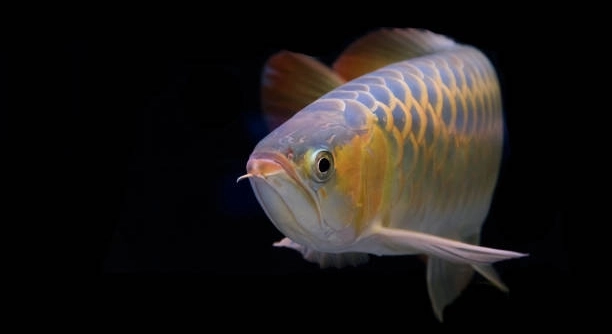
Do you ever notice your arowana swimming differently when its tank routine changes? These elegant fish are sensitive to their environment, and even small adjustments can influence their behavior and daily patterns. Observing them closely can reveal a lot.
Arowanas are capable of recognizing changes in routine and can adjust their behavior accordingly. Research indicates they develop memory patterns associated with feeding times, environmental cues, and interaction, allowing them to anticipate and respond to alterations in their surroundings.
Understanding how arowanas remember changes can improve care, feeding schedules, and overall well-being, ensuring they thrive in a stable and predictable environment.
How Arowanas Learn Routine Changes
Arowanas have remarkable memory capabilities that allow them to recognize patterns in their environment. They quickly associate specific times with feeding, lighting adjustments, or tank cleaning. When a routine changes, such as feeding at a different hour, they may initially appear confused or restless. Over time, they adjust, showing anticipation at the new feeding time. Their learning is not limited to timing alone; they can also respond to subtle changes in water flow, decorations, or the placement of hiding spots. Observing these behaviors helps owners understand how their arowana adapts and highlight the importance of consistent care. Providing predictable cues like specific feeding locations and gentle signals can reinforce positive responses. While it may seem minor, even small routine adjustments can impact their stress levels and overall behavior. Understanding their ability to remember and respond ensures a healthier, more stable environment for these sensitive fish, promoting longevity and natural behavior.
Adjusting routines gradually helps arowanas retain their memory while reducing stress and supporting mental stimulation in their habitat.
Consistency, observation, and gentle adjustments are key. By monitoring responses, owners can maintain routines that support an arowana’s natural behavior while allowing flexibility when needed. Small cues and repetition strengthen memory, creating a balanced, predictable environment that reduces anxiety and encourages active engagement.
Signs Your Arowana Remembers Changes
Arowanas demonstrate memory by modifying behavior when routines shift. They may swim near feeding spots or display alertness at unusual times.
Changes in behavior can include increased movement during feeding, following owners’ gestures, or investigating new tank elements. They may initially resist new schedules but gradually adapt. Recognizing these signs confirms their memory capability. Positive reinforcement, such as feeding at consistent locations, encourages routine recognition. Observing their reactions to minor alterations can also guide owners in creating a balanced, low-stress environment. In addition, environmental enrichment—like new ornaments or slight water flow changes—stimulates cognitive activity, keeping memory skills sharp. Over time, repeated patterns become part of their learned behavior, demonstrating both short-term and long-term memory retention. This understanding allows for better planning of feeding, cleaning, and interaction, helping maintain overall well-being. Arowanas are intelligent, responsive creatures, and acknowledging their memory abilities can lead to more attentive and informed care practices, ensuring a thriving aquatic life.
Training Arowanas to Adapt
Patience and consistency are essential when helping an arowana adapt to new routines. Gradual changes in feeding times or tank setup allow the fish to adjust without stress. Small, repeated adjustments encourage memory retention and minimize anxiety.
Introducing changes slowly, such as shifting feeding times by a few minutes daily, helps the arowana recognize and anticipate new patterns. Using consistent visual cues, like placing food in the same spot, reinforces learning. Observing their reactions during this period can guide how quickly adjustments are made. Sudden changes can cause stress or confusion, so a measured approach is always more effective. Over time, the arowana begins to follow new routines naturally, showing clear signs of memory and adaptability.
Positive reinforcement enhances learning. When the fish responds correctly to a new routine, consistent feeding and gentle interactions help strengthen recognition. Repetition builds confidence, and gradually the arowana requires less guidance to follow adjustments. Mental stimulation from minor environmental changes also supports memory, creating a well-adjusted, responsive fish.
Environmental Cues and Memory
Environmental consistency supports an arowana’s memory. Stable water conditions, predictable lighting, and familiar decorations help the fish recognize and respond to routines. Changes in these cues should be gradual.
Arowanas rely heavily on their surroundings to form memory patterns. Sudden or drastic alterations in tank decorations, water temperature, or filtration can create stress and disrupt their learned behavior. Gradual adjustments allow the fish to notice differences without feeling threatened. Regular feeding schedules combined with consistent environmental cues reinforce memory retention. Observing the fish as it navigates new changes provides insight into its adaptability. By creating a stable yet slightly stimulating environment, arowanas can maintain mental sharpness, respond to routine changes effectively, and thrive in captivity while displaying natural, confident behavior.
Observing Behavioral Changes
Arowanas show clear signs when their routine is altered. Increased swimming near the feeding area or lingering by tank decorations indicates they notice the change. These behaviors reflect memory and adaptation in action.
Consistent observation helps track how quickly the fish adjusts. Minor stress signals, such as hiding or reduced movement, suggest the need for slower adjustments. Recognizing these responses ensures the arowana remains healthy and responsive while adapting to new routines.
Feeding Time Adjustments
Shifting feeding times gradually allows arowanas to adapt without stress. Starting with small increments of five to ten minutes helps them recognize the new schedule. Using the same feeding spot and consistent gestures reinforces memory. Observing their reactions ensures the transition is smooth and stress-free, maintaining overall well-being.
Water Flow Changes
Adjusting water flow slowly helps arowanas respond without confusion. Sudden changes may create stress or disrupt their behavior patterns.
FAQ
Can arowanas recognize their owners?
Arowanas can become familiar with the person who feeds them regularly. They learn to associate gestures and movements with feeding times. While they may not show affection like mammals, they respond to familiar humans by swimming closer or showing alertness during routine interactions.
How long does it take for an arowana to adjust to a new routine?
Adjustment depends on the size, age, and temperament of the fish. Younger arowanas usually adapt faster, often within a week, while older or more sensitive fish may take several weeks. Gradual changes, consistent cues, and observation help reduce stress and ensure smoother adaptation.
Do arowanas remember feeding times?
Yes, arowanas have strong memory for feeding schedules. They anticipate food based on repeated patterns, sometimes arriving near the feeding spot minutes before the usual time. Consistency is key, and sudden changes can confuse them, so gradual adjustments are recommended.
Can changing tank decorations affect memory?
Significant changes can confuse arowanas, as they rely on environmental cues. Introducing new decorations slowly allows them to explore and adjust while maintaining learned behavior. This gradual method encourages curiosity without causing stress, supporting mental stimulation alongside memory retention.
Are arowanas stressed by sudden light or water changes?
Yes, abrupt changes in lighting or water flow can trigger stress responses, such as hiding, reduced movement, or erratic swimming. Gradual modifications allow them to recognize the difference safely. Monitoring behavior helps owners make adjustments at a comfortable pace.
How can I reinforce a new routine?
Consistency and repetition are essential. Using the same feeding spot, gestures, and timing helps the arowana associate specific actions with rewards. Positive reinforcement strengthens memory and supports learning, allowing the fish to follow new routines confidently.
Do arowanas remember other fish in the tank?
Arowanas can recognize familiar tank mates, especially when kept together over time. They may respond differently to new fish, showing caution or territorial behavior. Familiarity reduces stress and allows more stable interactions, while new introductions should be gradual to avoid conflict.
Can arowanas forget changes if routines revert?
Reverting to a previous routine usually triggers recognition, but repeated changes may slow adaptation. Arowanas retain memory of past patterns, but consistency ensures less stress and smoother transitions when schedules or environments shift.
How do environmental cues influence memory?
Stable cues like lighting, water temperature, and consistent decorations reinforce memory. Arowanas rely on these to predict feeding or interaction times. Slight variations can stimulate cognitive activity, but sudden shifts may create confusion or stress, so changes should be introduced carefully.
Are arowanas capable of long-term memory?
Research suggests arowanas possess both short-term and long-term memory. They remember feeding schedules, environmental changes, and human interaction patterns. Supporting their memory with consistent routines, gentle changes, and mental stimulation ensures they remain responsive and healthy over time.
Can stress impact an arowana’s memory?
High stress can interfere with learning and memory retention. Causes include abrupt routine changes, poor water conditions, or aggressive tank mates. Reducing stress through gradual adjustments and stable environmental conditions supports cognitive function and encourages consistent behavior.
How can I tell if my arowana is adjusting well?
Indicators include regular swimming patterns, alertness during feeding, and calm exploration of the tank. Avoiding hiding or erratic movement suggests they are comfortable. Observing these behaviors helps owners track adaptation and ensure routines are effective.
Is it helpful to keep a schedule for tank maintenance?
Yes, predictable cleaning and water changes support memory and reduce stress. Arowanas respond better when maintenance follows a regular pattern, helping them anticipate environmental stability and maintain healthy behavior throughout changes.
What role does feeding variety play in memory?
Offering consistent feeding schedules while varying diet types can stimulate cognition without causing confusion. Arowanas benefit from both routine and occasional novelty, which encourages active learning and maintains mental sharpness in a controlled environment.
Can arowanas learn tricks or behaviors?
Yes, arowanas can be trained to respond to cues, such as swimming to a spot or following gestures. Repetition, patience, and consistent reinforcement are essential. Training enhances memory, strengthens the bond with the owner, and provides mental stimulation in the tank.
How does age affect memory in arowanas?
Younger arowanas typically adapt faster and retain new routines more easily. Older fish may take longer to recognize changes but still demonstrate strong memory when adjustments are introduced gradually and consistently. Age influences flexibility but not the ability to remember routines over time.
Can arowanas anticipate feeding from subtle cues?
Yes, they can recognize cues like container sounds, gestures, or even slight movements near the tank. These subtle signals become associated with food over time, showing their capacity for learned behavior and memory reinforcement through repeated exposure.
Do arowanas respond differently to weekdays versus weekends?
If routines change during weekends, such as feeding times or tank maintenance, they may initially seem confused. Observing how quickly they adjust can help owners determine the best approach for maintaining consistency and minimizing stress throughout the week.
What is the best way to introduce minor environmental changes?
Introduce small changes gradually, such as adding decorations or adjusting water flow in increments. Allow the fish time to explore each modification before adding another. This method keeps memory retention strong while encouraging natural curiosity without causing stress.
How can observation improve care routines?
Monitoring swimming patterns, feeding response, and reactions to minor changes provides insight into adaptation. Owners can adjust routines, feeding schedules, and environmental cues accordingly. Careful observation ensures the arowana remains comfortable, mentally stimulated, and responsive to predictable and new changes alike.
Final Thoughts
Arowanas are intelligent and sensitive fish that respond to changes in their environment and routine. They have the ability to recognize patterns, remember feeding times, and adjust their behavior when their surroundings are altered. Observing their reactions closely can help owners understand how well they adapt to new situations. While they may not show emotions in the way mammals do, their behavior demonstrates memory, learning, and anticipation. Recognizing these patterns is important for providing proper care, as abrupt changes or inconsistent routines can lead to stress or reduced activity. Maintaining a stable environment and introducing gradual changes helps them stay comfortable, mentally stimulated, and healthy. This understanding of their memory capabilities allows owners to manage feeding, cleaning, and interaction more effectively. The way an arowana responds to routine adjustments shows how adaptable and perceptive these fish can be when given proper care.
Consistency plays a crucial role in supporting an arowana’s ability to remember changes. Feeding schedules, water conditions, tank decorations, and lighting all act as cues that help the fish form memory patterns. When these cues remain stable, the arowana is able to anticipate feeding, explore its environment confidently, and maintain natural behavior. Sudden or drastic changes can cause stress, leading to hiding, reduced movement, or unusual swimming patterns. Gradual changes, on the other hand, allow the fish to adjust without confusion. Using consistent visual or behavioral cues, such as always feeding in the same spot or gently signaling the fish before interacting, strengthens their memory and reinforces learned behavior. Arowanas benefit from repetition and predictability, but slight environmental variations, introduced carefully, can provide mental stimulation that supports long-term cognitive health. By paying attention to these factors, owners can ensure their fish remain engaged, responsive, and well-adjusted over time.
Understanding arowanas’ memory capabilities also improves overall care and enhances the experience of keeping them. Observing how they respond to new routines, environmental changes, or feeding adjustments allows for better planning and reduced stress. Gradual transitions, patience, and attention to behavioral cues create a harmonious environment that supports both mental and physical health. Providing a predictable routine while allowing room for small, safe adjustments helps maintain a balance between stability and stimulation. This approach ensures that arowanas not only thrive in captivity but also demonstrate their natural behaviors confidently. Recognizing the link between memory, behavior, and routine is essential for creating a tank environment that promotes well-being, longevity, and active engagement in these intelligent fish. By understanding and respecting their ability to remember and adapt, owners can offer care that meets their needs effectively and thoughtfully.

Hello,
If you enjoy the content that we create, please consider saying a "Thank You!" by leaving a tip.
Every little bit helps us continue crafting quality advice that supports the health, happiness, and well-being of pets around the world, for pets of all shapes, sizes, and species.
We really appreciate the kindness and support that you show us!