
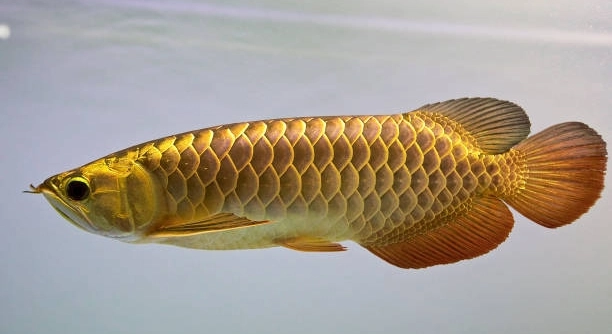
Arowanas are stunning fish that many enthusiasts cherish for their beauty and elegance. Observing their movements and behavior is essential, as these fish can hide signs of health issues until they become serious.
Internal illnesses in Arowanas often manifest through subtle behavioral changes, appetite loss, unusual swimming patterns, or physical symptoms such as bloating and discoloration. Prompt recognition of these warning signs allows for early intervention and improves the likelihood of recovery.
Knowing how to spot these early indicators can help ensure your Arowana thrives in its environment. Paying attention to these signs can make a significant difference in its long-term well-being.
Loss of Appetite
Arowanas are typically active fish with a healthy appetite. When they begin to refuse food or eat less than usual, it can signal an internal issue. Causes may include digestive problems, infections, or stress from water quality changes. Observing feeding patterns consistently helps identify small changes before they escalate. Sometimes, the fish may nibble but not fully consume food, indicating discomfort. Poor appetite may be accompanied by weight loss or lethargy, making it easier to notice over several days. Offering varied diets can help determine if the problem is diet-related or linked to health. Quick responses, such as checking water parameters or consulting a veterinarian, can prevent more serious complications. Maintaining a feeding log can also be useful, as it tracks gradual declines. In some cases, appetite loss is temporary due to environmental adjustments, but persistent issues always warrant attention.
Appetite reduction often reflects stress or illness within your Arowana, signaling that immediate observation and action are necessary.
Ignoring a decline in eating habits can have lasting impacts on health. Consistent monitoring and timely intervention improve recovery chances and overall vitality. Regular water testing and adjusting diet are key steps.
Unusual Swimming Patterns
Erratic swimming or floating at odd angles can indicate internal problems. Arowanas may struggle with buoyancy or balance if there are internal infections or swim bladder issues. Early detection of these movements helps prevent worsening conditions.
Unsteady swimming can be caused by infections, parasites, or organ dysfunction. Monitoring the fish’s motion daily is crucial for early recognition. Maintaining stable water conditions reduces stress that could exacerbate these symptoms.
Arowanas rely on smooth swimming to hunt, explore, and interact with their environment. Changes such as circling, spiraling, or struggling to stay upright often point to internal complications. Observing whether the fish compensates by resting at the tank bottom or frequently surfacing can provide clues to the underlying problem. Timely intervention can involve adjusting feeding, isolating the affected fish, or consulting a veterinarian for diagnostic testing. Preventive measures like consistent water temperature, proper tank filtration, and avoiding sudden changes in diet or environment help maintain normal swimming behavior. By noticing these subtle shifts early, you can address internal issues before they severely impact health.
Bloating and Swelling
Bloating is a clear sign of internal illness in Arowanas. The fish may appear rounder than usual, with a swollen belly. Rapid swelling or uneven body shape should never be ignored, as it often points to digestive or organ issues.
Swelling can result from constipation, dropsy, or bacterial infections. Constipation often occurs due to overfeeding or feeding inappropriate foods, leading to a distended belly and lethargy. Dropsy, a more severe condition, causes fluid buildup in the body cavity, often accompanied by raised scales and sunken eyes. Identifying the cause quickly is vital because delays can lead to irreversible damage. Adjusting diet, providing fasting periods, or medicating under veterinary guidance may help. Additionally, keeping water clean and maintaining proper temperature reduces stress, which can worsen swelling. Monitoring for other symptoms such as appetite loss or unusual swimming patterns helps clarify the underlying problem.
Persistent bloating may indicate organ dysfunction or internal infection, requiring prompt attention. Early observation, proper tank management, and timely intervention can significantly improve recovery chances. Regular inspection of body shape helps catch these changes early.
Discoloration
Discoloration often reflects internal stress or illness. Faded or patchy scales can indicate poor health, infections, or organ issues. Immediate attention can prevent further deterioration and help maintain vibrant coloring.
Color changes may stem from poor water quality, nutritional deficiencies, or parasitic infections. Consistently testing water parameters and offering a balanced diet can mitigate these risks. Stress also triggers color fading, so stable tank conditions are essential. Watching for accompanying symptoms like lethargy, appetite loss, or abnormal swimming can help identify serious internal issues.
Arowanas naturally exhibit rich, consistent colors, and deviations are usually significant. Discoloration can appear as pale patches, dark spots, or overall dullness. Bacterial infections or internal parasites may first show through color changes before other symptoms appear. Nutritional imbalances, especially lack of carotenoids or protein, also impact pigmentation over time. Ensuring a high-quality diet and proper environmental conditions supports recovery. If discoloration persists despite adjustments, professional evaluation is necessary to diagnose internal problems accurately. Early intervention improves the likelihood of restoring both health and natural coloration.
Lethargy
Lethargy is a common indicator of internal illness in Arowanas. A normally active fish may spend long periods resting at the bottom or hiding, showing little interest in its surroundings. This behavior signals low energy and potential internal health problems.
Extended inactivity often accompanies appetite loss or abnormal swimming. Lethargy may result from infections, poor water quality, or organ dysfunction. Monitoring energy levels daily helps detect subtle changes early.
Rapid Weight Loss
Rapid weight loss in Arowanas is a serious sign of internal illness. Even with normal feeding, a fish losing noticeable body mass may be fighting internal infections, parasites, or organ failure. Tracking body condition regularly is essential.
Gasping at the Surface
Gasping at the surface is often linked to stress or internal health issues. While oxygen levels matter, repeated surface breathing may indicate digestive or organ problems that affect overall vitality. Prompt observation can prevent worsening conditions.
FAQ
What should I do if my Arowana refuses to eat?
Refusal to eat is often an early sign of internal illness or stress. Start by checking water quality, temperature, and pH, as poor conditions can reduce appetite. Observe the fish for other symptoms like lethargy or unusual swimming. You may try offering smaller portions or a variety of high-quality foods, such as live or frozen feed. If the problem continues for more than a few days, consulting a veterinarian experienced with ornamental fish is advisable. Fasting the fish for a short period, followed by reintroducing easily digestible food, can sometimes help stimulate appetite.
Why is my Arowana bloated even when eating normally?
Bloating can result from constipation, organ problems, or internal infections. Overfeeding or feeding inappropriate food can lead to digestive issues, while bacterial or parasitic infections may cause fluid buildup. Monitor the fish for raised scales, sunken eyes, or abnormal swimming. Maintaining clean water and stable tank conditions is critical to prevent stress that could worsen the problem. In persistent cases, a veterinary diagnosis may be necessary. Adjusting the diet to include fiber-rich foods or using medicated treatments under professional guidance can help. Early detection significantly improves recovery chances.
How can I tell if discoloration is serious?
Color changes may be caused by stress, diet, or internal illness. Faded or patchy scales, dark spots, or overall dullness can signal infections, parasites, or organ dysfunction. Observe whether discoloration is accompanied by appetite loss, lethargy, or abnormal swimming. Correcting water quality, stabilizing temperature, and offering a nutrient-rich diet often help restore natural coloration. If changes persist despite environmental adjustments, professional evaluation is necessary to rule out internal disease and implement targeted treatment.
Is abnormal swimming always a sign of illness?
Not always, but persistent unusual swimming patterns often indicate internal problems. Erratic swimming, spiraling, or difficulty maintaining balance can result from swim bladder issues, internal infections, or organ dysfunction. Temporary changes may occur during stress or after adjusting water conditions, but ongoing irregular movements warrant closer observation. Maintaining proper tank parameters and watching for other symptoms like lethargy or bloating can help determine the cause. Isolation and veterinary consultation may be required for severe cases.
Why is my Arowana gasping at the surface?
Gasping at the surface can be linked to low oxygen, poor water quality, or internal illness. Even if oxygen levels are adequate, internal problems such as digestive blockages or organ dysfunction can reduce overall vitality and make surface breathing more frequent. Check filtration, aeration, and water quality immediately. Observe for concurrent symptoms like bloating, discoloration, or lethargy. Addressing these signs early with environmental adjustments or veterinary treatment can prevent serious health decline.
When should I seek veterinary help for my Arowana?
Immediate veterinary attention is recommended if your Arowana shows prolonged appetite loss, persistent bloating, rapid weight loss, discoloration, or erratic swimming. Early intervention increases recovery chances. While minor stress-related issues may resolve with improved water conditions, serious internal illnesses require professional diagnosis and treatment. Documenting symptoms and changes in behavior or appearance helps the veterinarian determine the best course of action. Regular monitoring and prompt response can prevent minor problems from becoming life-threatening.
Can diet changes prevent internal illnesses?
A balanced, varied diet supports overall health and helps prevent digestive and organ-related problems. Providing high-quality pellets, frozen or live food, and occasional supplements ensures essential nutrients. Avoid overfeeding, and include fiber-rich foods to support digestion. Sudden dietary changes can stress the fish, so introduce new foods gradually. Proper nutrition, combined with clean water and stable environmental conditions, minimizes risk factors for internal illnesses. Regularly reviewing diet and observing the fish’s response helps maintain optimal health and early detection of problems.
How often should I monitor my Arowana’s health?
Daily observation is ideal for early detection of internal illness. Watch for changes in appetite, swimming, coloration, or behavior. Maintaining a log of feeding habits, physical changes, and tank conditions helps identify subtle trends. Regular water testing and consistent tank maintenance reduce stress-related issues. Early recognition and action improve recovery chances and overall fish well-being. Even minor changes can indicate developing health concerns, making consistent monitoring an essential part of responsible fish care.
What environmental factors contribute to internal illness?
Poor water quality, fluctuating temperatures, overcrowding, and inadequate filtration can stress Arowanas, making them more susceptible to internal illness. Sudden changes in lighting or water chemistry also affect health. Maintaining stable water conditions, performing regular water changes, and monitoring key parameters like pH, ammonia, nitrite, and nitrate levels reduce stress and help prevent infections or organ dysfunction. Environmental stability is as critical as diet in supporting long-term health. Observing your fish’s behavior and physical condition daily allows for immediate intervention if issues arise.
Are internal illnesses common in Arowanas?
Yes, internal illnesses are relatively common, especially when care practices are inconsistent. Even healthy-looking fish can develop issues over time due to stress, poor diet, or suboptimal water conditions. Early recognition of warning signs—like lethargy, bloating, or unusual swimming—combined with timely corrective measures, is key to maintaining health. Proper nutrition, clean water, and attentive observation significantly reduce the risk of serious internal problems and promote a longer, healthier life for the fish.
Final Thoughts
Caring for an Arowana requires consistent attention and observation. These fish are sensitive to changes in their environment, and internal illnesses can develop silently if not monitored carefully. Recognizing early warning signs like appetite loss, bloating, discoloration, or unusual swimming patterns is essential for maintaining their health. Regularly checking water quality, keeping a stable temperature, and providing a balanced diet are simple yet effective ways to support their well-being. By observing subtle changes in behavior and appearance, you can often catch potential problems before they escalate into serious conditions. Simple actions, such as feeding appropriate amounts, ensuring proper filtration, and monitoring daily activity, can prevent many common internal issues.
Internal illnesses in Arowanas are often linked to stress, infections, or organ dysfunction, and timely intervention plays a crucial role in recovery. Lethargy, rapid weight loss, or gasping at the surface can indicate serious underlying conditions that require immediate attention. Maintaining a detailed log of feeding habits, swimming patterns, and physical appearance helps identify trends over time, making it easier to respond effectively. Even small improvements in tank conditions, diet, or water management can significantly affect the fish’s overall health. Consulting a veterinarian experienced with ornamental fish is always recommended if symptoms persist or worsen. Proactive measures and early diagnosis often make the difference between a minor health issue and a potentially life-threatening problem.
Ensuring a healthy life for your Arowana depends on consistency and careful observation. Providing clean water, a stable environment, and nutritious food forms the foundation for preventing internal illnesses. Paying attention to behavior, coloration, and appetite allows you to intervene quickly if something seems off. Every small step, from monitoring daily movements to adjusting diet or tank conditions, contributes to long-term health. Understanding the subtle signs of internal illness empowers you to take action before the fish’s condition deteriorates. By being attentive and proactive, you give your Arowana the best chance to thrive and remain strong and vibrant in its aquatic habitat.

Hello,
If you enjoy the content that we create, please consider saying a "Thank You!" by leaving a tip.
Every little bit helps us continue crafting quality advice that supports the health, happiness, and well-being of pets around the world, for pets of all shapes, sizes, and species.
We really appreciate the kindness and support that you show us!