
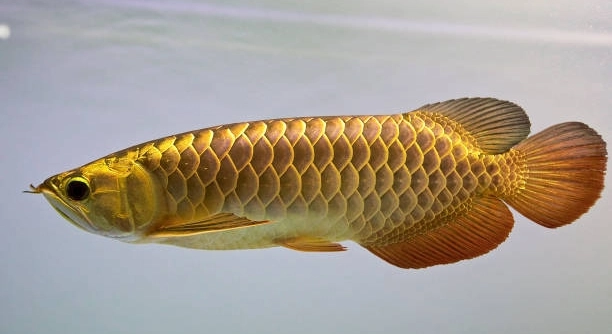
Are your arowanas refusing to eat the pellets you provide, leaving you unsure how to maintain their nutrition? Many fish owners encounter this issue, which can affect the overall health and well-being of these prized aquatic pets.
Arowanas may reject pellets due to factors such as poor water quality, stress, incorrect pellet size, sudden dietary changes, illness, insufficient acclimation, or unappealing flavors. Each factor can disrupt feeding behavior and hinder proper nutrition intake.
Understanding these reasons will help you improve your fish’s feeding habits and ensure they remain healthy, active, and thriving in their aquatic environment.
Poor Water Quality
Maintaining clean water is essential for arowanas, as poor water conditions can stress them and cause them to stop eating. High levels of ammonia, nitrites, or nitrates can irritate their gills, reduce oxygen availability, and trigger illness. Even minor fluctuations in temperature or pH can make arowanas uncomfortable and hesitant to feed. Regular testing and timely water changes are crucial to creating a stable environment that encourages feeding. Filters must be maintained properly, and substrate should be cleaned to prevent buildup of harmful substances. Observing your fish’s behavior can give early warnings; lethargy or frequent surface gasping may indicate water issues. Keeping the tank consistent in temperature, lighting, and cleanliness helps reduce stress and supports a healthy appetite. Arowanas are sensitive creatures, and their feeding habits often reflect the quality of their aquatic environment. Ensuring stability will improve their willingness to accept pellets.
Consistently testing and maintaining water parameters promotes healthy feeding and reduces the risk of appetite loss in your arowana.
Even if water appears clean, harmful chemicals can still be present. Daily observation combined with weekly partial water changes ensures optimal conditions. Maintaining filtration and avoiding overcrowding are equally important. Introducing new decorations or altering tank layout suddenly can unsettle arowanas. Consistency in water quality reduces stress, allowing them to focus on feeding. Small adjustments like temperature regulation, careful feeding schedules, and avoiding overfeeding will enhance pellet acceptance. Providing a stable, clean environment supports natural feeding instincts and prevents long-term dietary issues. Regular monitoring, along with proactive maintenance, will encourage your arowana to eat consistently and maintain overall health, reducing the likelihood of illness linked to poor water conditions.
Stress
Stress can significantly impact arowanas’ willingness to eat. Environmental changes, aggressive tank mates, or excessive handling can make them retreat from their usual feeding patterns.
Arowanas respond poorly to sudden disturbances in their surroundings. Bright lights, loud noises, or vibrations near the tank can trigger stress responses. Stress weakens their immune system and can lead to refusal of food. Providing hiding spots and maintaining a calm environment helps reduce stress levels. Overcrowding should be avoided, and tank mates should be compatible to prevent aggression. Observing behavior such as darting, hiding, or frequent surface swimming can indicate stress. Gradual acclimation to new tanks or equipment minimizes anxiety. Feeding during quiet periods encourages pellet acceptance. Creating a stable, predictable environment with proper tank setup reduces stress and supports normal feeding habits. Proper tank care, including consistent temperature, clean water, and gentle interaction, is vital to ensure your arowana remains healthy and maintains a good appetite.
Incorrect Pellet Size
Pellets that are too large or too small can discourage arowanas from eating. Matching the pellet size to their mouth ensures easier consumption and reduces stress during feeding.
Large pellets can be difficult to chew or swallow, causing frustration and avoidance. Conversely, very small pellets may not trigger the natural hunting response, leaving your arowana uninterested. Observing how your fish interacts with the pellets can help determine the correct size. Gradually adjusting the pellet size allows them to adapt without rejecting the food. Using appropriately sized pellets encourages consistent feeding and supports proper growth.
Consistency in pellet size also ensures balanced nutrition. Irregular sizes can lead to selective eating, nutritional gaps, and digestive issues. Offering a mix of sizes temporarily may help transition your arowana to the correct pellet, but long-term feeding should focus on uniform, suitable options. Proper pellet selection fosters healthy eating behavior and prevents frustration, making mealtime predictable and stress-free for your fish.
Sudden Dietary Changes
Introducing new food too quickly can cause arowanas to refuse pellets. Gradual transitions allow their digestive systems to adjust without causing stress or rejection.
Abrupt changes from live or frozen food to pellets can overwhelm arowanas, leading them to ignore the new diet entirely. Mixing a small portion of pellets with familiar food initially helps them recognize and accept the new item. Over several days, the proportion of pellets can be increased while reducing old food. Observing their response ensures they are adapting comfortably. Patience during this transition is key to avoiding appetite loss and maintaining nutritional balance.
Some arowanas may need additional encouragement to accept pellets, such as soaking the pellets or lightly crushing them to mimic the texture of previous foods. Monitoring feeding behavior during this period helps identify any persistent issues, such as refusal or digestive discomfort. Maintaining a steady schedule, combining familiarity with gradual introduction, reduces stress and enhances acceptance. Properly managed dietary changes prevent long-term feeding problems and ensure the arowana receives consistent nutrition without unnecessary rejection of pellets.
Illness
Arowanas often stop eating when they are sick. Common signs include lethargy, clamped fins, or unusual swimming patterns. Monitoring their behavior closely can help detect illness early.
Parasites, bacterial infections, or internal issues can suppress appetite. Prompt identification and treatment are crucial. Maintaining clean water and a stable environment helps prevent many health problems.
Insufficient Acclimation
New arowanas may reject pellets if they have not properly adjusted to their tank. Sudden changes in temperature, pH, or lighting can make them hesitant to eat. Gradual acclimation allows them to feel secure and adapt comfortably.
Unappealing Flavors
Arowanas may ignore pellets that do not match their taste preferences. Some fish respond better to specific flavors or textures.
Overfeeding
Overfeeding can cause arowanas to reject pellets. When full from previous meals or treats, they lose interest in their regular diet. Maintaining proper feeding amounts prevents loss of appetite and promotes healthier eating habits.
FAQ
Why won’t my arowana eat pellets after switching from live food?
Arowanas often develop a preference for live or frozen foods, which are more aromatic and stimulating. Transitioning too quickly to pellets can cause rejection. Gradually mixing pellets with familiar food over several days or weeks helps your fish recognize and accept the new diet. Observing their response allows you to adjust the ratio slowly, ensuring a smooth transition without stress or appetite loss.
How can I tell if my arowana is stressed?
Stress manifests through behaviors like hiding, erratic swimming, fin clamping, or loss of color. Environmental changes such as sudden lighting shifts, loud noises, or aggressive tank mates can trigger these reactions. Ensuring stable water conditions, proper tank setup, and minimal disturbances helps reduce stress, supporting normal feeding patterns and overall health.
Can the wrong water temperature affect pellet feeding?
Yes, arowanas are sensitive to temperature fluctuations. Water that is too cold or too warm can slow metabolism and reduce appetite. Maintaining the tank within the species’ preferred temperature range encourages regular feeding and supports digestion. Using a reliable heater or chiller, along with consistent monitoring, ensures optimal conditions.
Is pellet size important for arowanas?
Absolutely. Pellets that are too large may be difficult to swallow, while very small pellets may not trigger feeding instincts. Observing how your arowana interacts with different sizes helps determine the best fit. Using appropriately sized pellets encourages consistent feeding and prevents selective eating or frustration.
What should I do if my arowana refuses pellets due to illness?
Refusal caused by illness requires prompt attention. Signs of sickness include lethargy, abnormal swimming, or visible sores. Isolating the fish if necessary and consulting a veterinarian or experienced aquarist helps identify and treat the problem. Maintaining water quality and reducing stress during recovery improves appetite.
Can overfeeding affect pellet consumption?
Yes, frequent overfeeding can lead arowanas to ignore pellets. When full from previous meals or treats, their interest in standard food diminishes. Following a regular feeding schedule and controlling portion sizes ensures they remain hungry enough to accept pellets consistently.
Do arowanas need flavored pellets to eat regularly?
Some arowanas respond better to pellets with added flavor or aroma, especially if they are used to live food. Trying a variety of flavors or brands may help, but consistency is key once they accept a preferred type. Gradual introduction avoids overwhelming their senses.
How long does it take for an arowana to adapt to pellets?
Adaptation time varies per fish, depending on previous diet and stress levels. It may take days to weeks of gradual transition, mixing pellets with familiar food and monitoring behavior. Patience and observation are essential to prevent rejection and support consistent feeding habits.
Can tank setup influence pellet acceptance?
Yes, factors like hiding spaces, lighting, water flow, and tank mates affect feeding behavior. A calm, stable environment allows arowanas to focus on eating. Reducing disturbances during feeding and maintaining proper water parameters encourages regular pellet consumption.
What is the best way to encourage a picky arowana to eat pellets?
Start by mixing pellets with familiar foods, gradually increasing pellet proportion. Slightly softening or crushing pellets can mimic the texture of previous foods. Maintain clean water, a consistent feeding schedule, and minimal stress. Observing behavior and adjusting gradually fosters acceptance and a healthy feeding routine.
How often should I check water quality to support pellet feeding?
Regular monitoring is crucial. Testing ammonia, nitrite, nitrate, pH, and temperature at least weekly helps detect issues early. Maintaining stable, clean water reduces stress, supports appetite, and ensures your arowana consistently accepts pellets. Water changes and proper filtration complement these efforts effectively.
What role does stress from tank mates play in feeding refusal?
Aggressive or overly active tank mates can intimidate arowanas, causing them to avoid food. Providing ample space, compatible companions, and visual barriers helps reduce stress and encourages normal feeding behavior. Observing interactions allows you to intervene if necessary.
Can soaking pellets make them more appealing?
Yes, soaking pellets in tank water or a small amount of natural food juice softens texture and enhances aroma, making them easier to accept. This is particularly useful during dietary transitions or for picky eaters. Gradual introduction ensures long-term acceptance without dependency on soaking.
Is it normal for arowanas to skip meals occasionally?
Occasional meal skipping can occur, but persistent refusal may indicate stress, illness, or environmental issues. Monitoring behavior and maintaining optimal conditions ensures that missed meals do not compromise health or long-term feeding habits.
How important is feeding schedule consistency?
Consistent feeding times train arowanas’ appetite and improve pellet acceptance. Irregular schedules can confuse them and lead to rejection of food. Maintaining routine meals helps regulate hunger, digestion, and overall well-being.
What if my arowana still refuses pellets after trying all methods?
If refusal persists, it may indicate deeper health or environmental issues. Consulting an experienced aquarist or veterinarian for diagnosis is essential. Adjusting water parameters, monitoring for illness, and reinforcing gradual dietary transitions remain critical during this period.
This FAQ section addresses common issues that prevent arowanas from eating pellets and provides practical, step-by-step approaches to help them adapt and maintain proper nutrition.
Final Thoughts
Arowanas are remarkable fish, but they can be very particular when it comes to their diet. Pellet refusal is a common problem that many owners face, and it often stems from multiple factors rather than a single issue. From water quality to stress, illness, or dietary habits, understanding your arowana’s behavior is key to helping it eat consistently. Observing its environment, daily routines, and interactions with the tank can reveal patterns that affect feeding. Addressing these factors one by one creates a stable setting that encourages arowanas to accept pellets without forcing them or causing unnecessary stress. Maintaining consistency in water parameters, temperature, and feeding schedules forms the foundation for a healthy appetite.
Proper pellet feeding not only ensures that your arowana receives balanced nutrition but also supports long-term health and growth. Choosing the correct pellet size and flavor, gradually transitioning from live or frozen foods, and offering a calm environment can make a significant difference. Some arowanas take time to adapt, and patience is essential. Pushing them too quickly or altering their routine abruptly can worsen rejection. Monitoring behavior during feeding, adjusting pellet types or preparation, and ensuring that water quality remains optimal all contribute to establishing reliable feeding habits. These steps also help reduce the risk of illness caused by poor nutrition or stress, giving your arowana the best chance to thrive in captivity.
Ultimately, addressing pellet refusal requires a combination of observation, patience, and practical adjustments. Paying attention to subtle signs of stress or illness, keeping water conditions stable, and gradually introducing new dietary changes can help your arowana adapt naturally. Overfeeding or providing inconsistent care often exacerbates the problem, so maintaining moderation and routine is critical. By carefully managing these elements, you can encourage your arowana to develop healthy eating habits while minimizing stress. Consistent care ensures that your fish not only accepts pellets but also enjoys a strong, active life in its aquatic environment. This approach allows you to provide the best care possible, creating a supportive habitat where your arowana can grow, thrive, and remain healthy for years to come.

Hello,
If you enjoy the content that we create, please consider saying a "Thank You!" by leaving a tip.
Every little bit helps us continue crafting quality advice that supports the health, happiness, and well-being of pets around the world, for pets of all shapes, sizes, and species.
We really appreciate the kindness and support that you show us!