
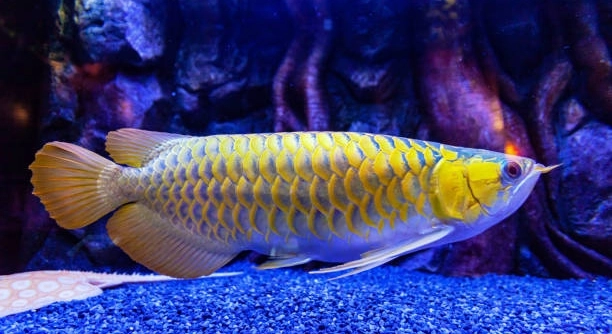
Are your arowanas not thriving despite your careful efforts? Many aquarists encounter unexpected issues with tank setups that can affect fish health and growth. Small mistakes in care routines often lead to avoidable problems.
Common arowana tank setup errors include improper tank size, inadequate filtration, incorrect water parameters, poor feeding practices, lack of hiding spots, unsuitable substrates, and overcrowding. Addressing these issues systematically ensures healthier, stress-free environments and optimal fish development.
Fixing these mistakes early can dramatically improve your arowana’s wellbeing and make your tank a stable, thriving environment.
Choosing the Wrong Tank Size
Many people underestimate how large arowanas grow and end up with tanks that are too small. An undersized tank limits swimming space, stresses the fish, and can stunt growth. For arowanas, a tank of at least 250 gallons is recommended for a single adult. Smaller tanks may seem manageable, but they often lead to long-term health issues. Constant water changes become necessary, and even then, the water quality may not remain stable. Bigger tanks provide room for filtration systems, decorations, and areas for the fish to explore without feeling confined. Planning for the fish’s adult size from the start saves effort and reduces stress for both the owner and the arowana. Choosing the correct tank ensures natural movement, reduces aggression, and creates a more visually pleasing display. It also gives you more control over maintaining proper water conditions, which is crucial for long-term health.
Smaller tanks can lead to stunted growth and chronic stress. Investing in a larger tank prevents many common problems.
A large tank also provides flexibility in arranging decorations, rocks, and driftwood without overcrowding. It allows better water circulation, reducing hotspots where waste can accumulate. A proper tank size simplifies feeding, cleaning, and maintaining consistent water parameters. It ensures the arowana has enough space to express natural behaviors like swimming near the surface or gliding along the tank. Ultimately, the right tank size improves longevity and overall wellbeing, making care less stressful for both the fish and the keeper.
Improper Filtration
Without proper filtration, water quality deteriorates quickly. Ammonia, nitrite, and nitrate levels can spike, harming your arowana. Even with frequent water changes, insufficient filtration cannot consistently maintain safe conditions. A high-capacity filter is necessary for large tanks, and combining mechanical, chemical, and biological filtration provides optimal results.
Using the right filter keeps water clean and reduces health risks.
Arowanas are messy eaters, producing significant waste that can cloud water and affect oxygen levels. Biological filtration is essential to maintain a healthy balance of beneficial bacteria that break down toxins. Mechanical filtration removes particles, while chemical filtration can remove dissolved organics and odors. Regular maintenance, such as cleaning filter media and monitoring flow rates, ensures the system operates efficiently. Placement is also important; filters should circulate water throughout the tank to prevent dead spots. Proper filtration creates a stable environment, reduces stress, and minimizes disease risk. Combined with a correctly sized tank, it forms the foundation for a successful arowana setup that supports healthy growth and natural behavior.
If you want, I can continue with the next sections of your outline, keeping the same format and word counts. Do you want me to do that?
Incorrect Water Parameters
Maintaining the correct water parameters is essential for arowanas. pH, temperature, and hardness must remain stable. Frequent fluctuations stress the fish and can lead to disease, making consistent monitoring a necessity for healthy tank conditions.
Temperature should stay between 75–82°F, and pH around 6.5–7.5. Hardness should be moderate, not extreme. Sudden changes, even small ones, can trigger stress responses that reduce appetite and weaken immunity. Regular testing and careful adjustments keep water conditions stable. Using a reliable heater, thermometer, and water test kits helps prevent dangerous swings. Conditioning water properly before adding it to the tank reduces shock, while partial water changes maintain consistency. Balanced water chemistry supports natural behavior, feeding, and growth, ensuring your arowana remains active and healthy over time.
Consistency in water parameters prevents disease outbreaks and promotes steady growth. Checking and adjusting daily avoids long-term complications and ensures a stable environment.
Overfeeding and Poor Diet
Feeding too much or offering an unbalanced diet can harm arowanas. Excess food decays quickly, polluting water and stressing filtration. It also leads to obesity, weakened immunity, and digestive issues.
Arowanas require a mix of protein-rich foods, including pellets, live or frozen fish, and occasional insects. Feeding small portions two to three times daily is optimal. Overfeeding not only deteriorates water quality but also reduces the fish’s lifespan. Avoid feeding only one type of food; variety ensures proper nutrient intake. Remove uneaten food promptly to prevent ammonia spikes and maintain cleanliness. Observing the fish’s appetite helps guide portion sizes, and adjusting feeding based on activity levels keeps them healthy. Supplements like vitamins can enhance growth and coloration, but moderation is key to avoid nutrient overload.
Proper diet and feeding routines support growth, coloration, and overall health, reducing the risk of digestive and water-quality issues in the tank.
Lack of Hiding Spots
Arowanas need areas to feel secure. Without hiding spots, they can become stressed, leading to aggressive behavior and reduced appetite. Simple decorations like driftwood, rocks, or plants provide shelter and comfort while allowing the fish to explore freely.
Providing hiding spaces mimics their natural habitat. Stress reduction improves health and encourages natural activity. Even minimal structures create visual barriers and resting spots.
Overcrowding
Too many fish in a tank increases aggression and competition for resources. Overcrowding also stresses filtration systems, leading to poor water quality and higher disease risk.
Maintaining appropriate stocking levels allows each arowana enough space to swim and thrive. Overcrowding can stunt growth, elevate stress hormones, and trigger territorial fights. Ensuring sufficient space improves overall behavior, reduces injury, and supports long-term health, making maintenance and feeding easier. Proper planning of tank inhabitants is critical for balancing population density and environmental stability.
Unsuitable Substrate
The wrong substrate can harm arowanas. Sharp or coarse materials may injure delicate fins and scales.
Choosing smooth sand or fine gravel reduces injury risk and makes cleaning easier. Smooth substrates also prevent trapped debris, helping maintain better water quality.
FAQ
What size tank is best for arowanas?
Arowanas grow large, so a tank under 250 gallons is usually too small for an adult. Larger tanks provide enough swimming space, reduce stress, and make maintaining water quality easier. Planning for the adult size from the start avoids growth restrictions and long-term health problems.
How often should I test water parameters?
Water should be tested at least twice a week, including pH, ammonia, nitrite, nitrate, and temperature. Arowanas are sensitive to sudden changes, so monitoring ensures the tank remains stable. Consistent testing prevents disease and keeps your fish healthy and active.
Can I keep multiple arowanas together?
It depends on tank size and temperament. Overcrowding causes aggression, stress, and injury. Even in large tanks, it’s best to introduce fish carefully and monitor behavior. Providing hiding spots and proper spacing reduces conflicts but does not eliminate risk entirely.
What should I feed my arowana?
A balanced diet is essential. Offer high-quality pellets, live or frozen fish, and occasional insects. Feed small portions two to three times daily. Variety ensures proper nutrition and prevents deficiencies. Remove uneaten food to avoid water pollution and overfeeding. Supplements can enhance growth and color but must be used moderately.
How do I prevent common diseases?
Maintaining stable water parameters, proper filtration, and a balanced diet prevents most health issues. Regular observation for signs of stress, fin damage, or unusual behavior helps catch problems early. Quarantining new fish before adding them to the main tank reduces the risk of introducing pathogens.
Is lighting important for arowanas?
Moderate lighting simulates natural day and night cycles. Excessive or very bright lights can stress fish. Using timers to maintain consistent lighting helps regulate their behavior and supports feeding and activity patterns. Indirect lighting is often sufficient for large tanks.
How often should I perform water changes?
Partial water changes of 20–30% every one to two weeks maintain water quality. More frequent changes may be necessary in heavily stocked tanks or if water parameters fluctuate. Regular changes reduce toxin buildup and maintain a healthy environment for your arowana.
Can arowanas live with other species?
Arowanas are predatory and territorial. Small or slow-moving fish may be attacked. Choosing large, robust species with similar water needs minimizes conflict. Careful observation and sufficient tank size are essential for cohabitation.
How do I reduce stress in arowanas?
Provide ample swimming space, hiding spots, and stable water conditions. Avoid sudden changes in water temperature, lighting, or tank layout. Regular, gentle feeding routines and minimal disturbances help fish remain calm and healthy.
What is the best filtration system for arowanas?
High-capacity filters combining mechanical, chemical, and biological filtration are ideal. Mechanical filtration removes debris, chemical filtration reduces odors and organics, and biological filtration supports beneficial bacteria that process waste. Proper filter placement ensures water circulation and prevents dead zones.
How can I encourage natural behavior?
Large open spaces, hiding spots, and a balanced diet encourage swimming, hunting, and exploration. Observing feeding and movement patterns helps maintain engagement. Avoid overcrowding and sudden disturbances to promote a natural and stress-free environment.
How do I handle injuries or fin damage?
Isolate injured fish if necessary, maintain clean water, and monitor closely. Minor injuries often heal naturally with proper care. Avoid harsh cleaning or handling, as stress slows recovery. Using soft substrates reduces accidental damage.
What temperature is optimal for arowanas?
Keep water between 75–82°F. Use a reliable heater and thermometer to prevent fluctuations. Consistent temperature is crucial for metabolism, immune function, and overall health. Sudden changes can cause stress or illness.
How can I prevent algae overgrowth?
Maintain water quality, avoid overfeeding, and balance lighting. Regular cleaning and using algae-eating species can help. Overgrowth can reduce oxygen levels and create stress, so prevention is better than treatment.
How do I introduce new fish?
Quarantine new additions for at least two weeks. Gradually acclimate them to temperature and water parameters before release. Monitor behavior closely to prevent aggression or disease transmission to the main tank.
How important is tank placement?
Place tanks away from direct sunlight, vibrations, and drafts. Stable placement reduces stress and maintains temperature consistency. Avoid high-traffic areas to give arowanas a calm environment.
Can arowanas jump out of the tank?
Yes, they are strong jumpers. Use a secure lid to prevent accidents. Open-top tanks are risky even if the fish seems calm. This protects both the fish and the surroundings.
How do I know if my arowana is stressed?
Signs include loss of appetite, hiding excessively, rubbing against surfaces, or erratic swimming. Monitoring behavior daily helps catch stress early. Stress can weaken immunity and lead to disease if not addressed promptly.
What are common mistakes in arowana care?
Tank size, filtration, water stability, diet, and overcrowding are frequent errors. Addressing these issues early ensures healthy growth and reduces long-term problems. Planning and observation are essential for success.
How long do arowanas typically live?
With proper care, arowanas can live 15–20 years. Longevity depends on tank size, diet, water quality, and stress management. Consistent attention to care practices promotes a long and healthy life.
How can I improve my arowana’s coloration?
A balanced diet with color-enhancing foods, proper lighting, and stable water conditions help bring out natural colors. Avoid stress and overcrowding, as these factors can dull coloration. Regular care routines contribute to a brighter, healthier appearance.
Is tank maintenance difficult with arowanas?
Large tanks require more effort, but regular routines simplify care. Filtration, water testing, partial changes, and observation prevent major issues. Staying consistent reduces stress for both the fish and the keeper, making maintenance manageable over time.
Can arowanas recognize their owners?
They can respond to familiar movements and feeding routines. Recognition is linked to routine rather than affection, but consistent care helps them associate you with food and safety. Observation of their behavior can be rewarding and informative.
How do I prevent aggression between tankmates?
Provide sufficient space, hiding spots, and compatible species. Avoid overcrowding and monitor behavior. If aggression persists, separating fish may be necessary. Territorial disputes are common and require proactive management.
Are live plants suitable for arowana tanks?
Yes, but choose sturdy species. Arowanas may uproot delicate plants while swimming. Plants help improve water quality, provide hiding spots, and enhance tank aesthetics, but durability is key to prevent damage.
How can I improve water circulation?
Properly sized filters and strategic placement enhance flow. Circulation prevents dead zones, supports oxygenation, and helps distribute nutrients. Adjusting flow rates avoids excessive turbulence while maintaining efficiency.
What are the signs of overfeeding?
Uneaten food, cloudy water, and bloated fish indicate overfeeding. Reducing portion sizes, feeding less frequently, and removing excess food prevent water quality issues and health problems.
Is it okay to use tap water?
Tap water can be used if properly treated to remove chlorine, chloramine, and heavy metals. Using water conditioners and testing parameters ensures safety for sensitive arowanas.
How can I prepare for emergencies?
Keep spare filters, heaters, and water test kits. Have a quarantine tank ready. Quick responses to equipment failure, illness, or sudden parameter changes prevent major setbacks. Being prepared reduces stress and protects the fish’s health.
Do arowanas need supplements?
Vitamins and minerals can support growth and coloration but should be used carefully. Excessive supplementation can harm fish. Focus primarily on a balanced diet and high-quality pellets or live foods.
Can arowanas be trained?
They can learn feeding routines and recognize movements. Training is simple and revolves around consistency. Positive reinforcement through regular feeding helps develop predictable behaviors.
How do I maintain a clean tank?
Regular partial water changes, substrate vacuuming, and filter maintenance prevent buildup of waste. Avoid overfeeding and monitor water parameters to keep the tank clean and safe. Cleanliness is key to stress reduction and fish health.
What should I do if my arowana stops eating?
Check water parameters, temperature, and tank conditions first. Stress, illness, or poor water quality are common causes. Adjusting diet, improving water quality, and observing behavior often resolves feeding issues without medical intervention.
Can arowanas live in cold water?
No, they are tropical fish. Temperatures below 75°F can cause stress, illness, and reduced immunity. Maintaining a stable warm environment is essential for survival.
How often should I replace filter media?
Replace or clean mechanical and chemical media monthly or as needed. Biological media should be rinsed in tank water to preserve beneficial bacteria. Regular maintenance ensures filtration efficiency and water quality.
What is the best tank shape for arowanas?
Longer tanks are preferable to tall tanks. Arowanas swim horizontally and need open space. Length provides better swimming areas, reduces stress, and makes the fish more active.
Can arowanas jump at night?
Yes, sudden movements or disturbances can trigger jumping. Keeping a secure lid prevents accidents and protects the fish during dark periods.
How do I introduce decorations safely?
Rinse decorations thoroughly and avoid sharp edges. Arrange them to create hiding spots without overcrowding. Proper placement ensures fish safety and prevents injuries while enhancing tank aesthetics.
Are arowanas sensitive to noise?
They can be startled by sudden loud noises or vibrations. Minimizing disturbances near the tank helps reduce stress and prevents erratic swimming or injury. Consistent surroundings contribute to overall well-being.
How do I handle water evaporation?
Regularly top off the tank with dechlorinated water to maintain water levels. Monitor salinity in brackish setups and ensure consistent temperature. Evaporation can affect water chemistry if not managed.
Can arowanas tolerate tap water with chlorine?
No, untreated chlorine or chloramine is harmful. Use water conditioners to neutralize chemicals before adding water to the tank. Safe water protects gills and overall health.
Is it necessary to quarantine new plants?
Yes, quarantining prevents introducing pests, algae, or harmful chemicals. Treating plants reduces risk of contamination and protects the main tank environment.
How can I improve arowana growth?
Stable water conditions, high-quality diet, and sufficient space promote healthy growth. Avoid stress, overcrowding, and poor nutrition, which can stunt development and affect long-term health.
What is the ideal tank lighting schedule?
Maintain 10–12 hours of light daily to simulate natural cycles. Consistent lighting supports feeding behavior, activity, and overall health. Avoid extreme brightness that may stress the fish.
Can arowanas be kept in brackish water?
Some species tolerate slightly brackish water, but most prefer freshwater. Gradual acclimation is necessary if salinity adjustments are made. Monitor behavior and water parameters closely to prevent stress.
How do I handle sudden illness?
Isolate the affected fish, check water parameters, and treat with appropriate medication if necessary. Early intervention and maintaining clean water increase recovery chances.
Are floating plants safe for arowanas?
Yes, they provide shade and reduce light stress. Ensure they are sturdy and do not obstruct swimming space. Floating plants also help improve water quality and aesthetics.
How do I avoid tank accidents?
Secure lids, stable placement, and careful handling prevent fish from jumping or being injured. Routine observation ensures early detection of hazards, keeping both the fish and tank safe.
Can arowanas recognize feeding times?
Yes, they respond to regular feeding routines. Consistent timing helps reduce stress and reinforces predictable behavior, making care easier and more manageable.
What is the best way to acclimate new fish?
Float the bag in the tank to match temperature, then gradually mix tank water over an hour or more. Slow acclimation reduces stress and prevents shock.
How do I prevent fin rot?
Maintain clean water, avoid overcrowding, and ensure proper diet. Remove injured fish or sharp decorations that may damage fins. Early treatment is key if rot appears.
Is it normal for arowanas to jump during feeding?
Yes, natural hunting instincts cause sudden lunges. Ensure the lid is secure to prevent accidents. Observing feeding behavior helps adjust portion size and minimize mess.
Can arowanas tolerate low oxygen levels?
No, they need well-oxygenated water. Proper aeration and filtration prevent oxygen depletion. Low oxygen causes stress, lethargy, and can be fatal if prolonged.
How do I prevent water cloudiness?
Avoid overfeeding, maintain filtration, and perform regular water changes. Cloudy water often indicates excess waste or bacterial blooms. Consistent maintenance keeps water clear and safe.
Can arowanas live with aggressive species?
No, aggressive tankmates may injure or stress arowanas. Choose peaceful, large species compatible with water conditions to reduce risk of conflict.
How can I tell if my arowana is healthy?
Bright coloration, active swimming, normal appetite, and intact fins are signs of good health. Regular observation helps detect early signs of illness or stress.
Are tank decorations necessary?
While not required, decorations provide hiding spots and reduce stress. Properly placed structures enhance the environment and support natural behavior.
Can I use tap water without a conditioner?
No, untreated tap water may contain chlorine, chloramine, or metals harmful to arowanas. Always condition water before adding it to the tank.
How do I reduce nitrate buildup?
Regular partial water changes, efficient filtration, and avoiding overfeeding reduce nitrates. High nitrate levels can stress fish and promote algae growth.
What is the ideal tank temperature range?
Maintain 75–82°F consistently. Sudden changes harm metabolism and immune function. A stable environment ensures healthy growth and activity.
How do I prevent bacterial infections?
Keep water clean, monitor fish for injuries, and avoid overcrowding. Quarantine new fish and plants before introducing them. Early detection and proper care prevent infections.
Can arowanas survive in low light?
Yes, they tolerate moderate to low light but still need a regular day-night cycle. Extreme darkness may affect feeding and activity patterns.
How often should I feed arowanas?
Feed small portions two to three times daily. Adjust quantity based on appetite and activity. Overfeeding harms water quality and fish health.
Are floating or rooted plants better?
Floating plants reduce light stress and provide cover, while rooted plants offer hiding spots. Both support natural behavior if chosen carefully.
What water hardness is ideal?
Moderate hardness is best. Extreme soft or hard water can stress fish and affect growth. Regular testing ensures parameters remain stable.
Can arowanas tolerate sudden light changes?
No, abrupt shifts can stress them. Gradual lighting transitions maintain calm behavior and reduce risk of injury.
Is tank height important?
Length matters more than height. Arowanas swim horizontally, so wide, long tanks support natural movement and reduce stress.
How do I monitor fish behavior?
Observe swimming patterns, feeding habits, and interactions. Changes in activity or appetite often indicate stress or illness. Early detection improves outcomes.
What should I do if my arowana refuses food?
Check water quality, temperature, and tank conditions first. Minor changes in diet or environment often restore appetite. Persistent refusal may require medical attention.
Are driftwood and rocks safe?
Yes, if smooth and free of sharp edges. These provide hiding spots, enrich the environment, and reduce stress without harming the fish.
How do I maintain stable pH?
Regular testing and partial water changes help. Avoid adding untested substances that may shift pH. Stable pH reduces stress and supports health.
Can arowanas tolerate changes in tank layout?
Minor rearrangements are okay, but sudden large changes can stress them. Gradual adjustments help the fish adapt without affecting behavior.
How do I prevent algae growth?
Balance lighting, avoid overfeeding, and maintain clean water. Algae competes for nutrients and may reduce oxygen levels if uncontrolled.
Can arowanas coexist with smaller fish?
Smaller fish risk being eaten. Only large, robust species should share a tank. Always monitor interactions closely to prevent predation.
What is the best way to clean a large tank?
Perform partial water changes, vacuum the substrate, and clean filters regularly. Avoid full water replacement, which can stress fish and disturb beneficial bacteria.
How do I acclimate fish to new water?
Float the bag for temperature equalization, then gradually mix tank water. Slow acclimation prevents shock and stress.
Are arowanas sensitive to chemicals?
Yes, chlorine, ammonia, and other chemicals can harm them. Properly treated and tested water is essential. Avoid sudden chemical exposure.
How do I ensure healthy growth?
Provide a spacious tank, stable water, balanced diet, and minimal stress. Monitoring behavior and adjusting care routines promotes steady development.
Can I use tap water directly?
No, treat it to remove chlorine, chloramine, and metals. Conditioned water prevents gill damage and stress.
How do I prevent fin injuries?
Use smooth substrates, avoid sharp decorations, and provide sufficient space. Early observation of damage helps prevent infection.
What is the proper feeding routine?
Feed small portions multiple times a day. Remove uneaten food promptly. Rotate food types for balanced nutrition.
Can arowanas live in a community tank?
Only with compatible, large species. Overcrowding or aggressive tankmates increase stress and risk of injury.
How do I recognize illness early?
Watch for lethargy, loss of appetite, abnormal swimming, and physical changes. Early intervention improves recovery chances.
Are heaters necessary?
Yes, they maintain stable tropical temperatures. Sudden drops can stress or kill arowanas.
Can arowanas adapt to different water types?
Gradual acclimation is needed. Extreme changes in hardness or pH can cause stress or illness. Monitor closely during transitions.
How do I manage tank lighting?
Use timers to maintain consistent day-night cycles. Moderate light reduces stress and encourages normal activity.
Are live foods better than pellets?
Both are important. Live foods stimulate hunting instincts, while pellets provide balanced nutrients. A mix ensures proper diet.
How do I prevent overcrowding?
Plan tank size based on adult fish. Avoid adding too many fish and monitor behavior to maintain harmony.
Can arowanas recognize their keeper?
They respond to feeding routines and familiar movements, though recognition is linked to routine, not affection.
How do I reduce aggression?
Provide space, hiding spots, and compatible tankmates. Observe behavior and
Caring for arowanas requires careful planning, consistent maintenance, and attention to detail. These fish are large, active, and sensitive to changes in their environment, so ensuring the right tank size, water quality, and filtration is essential. Many problems can be avoided by preparing a tank that meets the fish’s needs from the start. Oversized tanks provide space for swimming, reduce stress, and make it easier to maintain stable water parameters. Proper filtration keeps ammonia, nitrite, and nitrate levels under control, while a well-chosen substrate and decorations provide comfort and safety. Even small oversights, like incorrect water temperature or pH, can have a significant impact on the fish’s health and behavior. Regular monitoring and maintenance create a stable, supportive environment that allows arowanas to thrive and grow to their full potential.
Diet is another crucial factor in keeping arowanas healthy. These fish require a protein-rich, varied diet that includes pellets, live or frozen foods, and occasional insects. Overfeeding or relying on a single type of food can lead to water quality issues, obesity, or nutritional deficiencies. Removing uneaten food promptly helps maintain cleanliness, while feeding small portions several times a day ensures the fish receives proper nutrition without overwhelming the filtration system. Supplements can support growth and enhance coloration but should be used moderately. Observing the fish’s appetite and adjusting portion sizes based on activity helps maintain overall health. Attention to feeding routines and diet quality not only supports physical development but also encourages natural behaviors, making the tank environment more engaging for the fish. Maintaining a consistent feeding schedule reduces stress and ensures the arowana remains active, healthy, and vibrant over time.
Finally, minimizing stress is essential for long-term wellbeing. Stress can result from overcrowding, aggressive tankmates, sudden environmental changes, or a lack of hiding spots. Providing stable water parameters, proper filtration, and a spacious tank reduces anxiety and supports natural behaviors. Decorations like driftwood, rocks, and plants offer areas for rest and exploration, which improves comfort and reduces aggression. Regular observation allows early detection of illness or injury, ensuring prompt treatment and recovery. Planning tank layout carefully and introducing new fish or decorations gradually helps the arowana adapt without unnecessary stress. By focusing on these key aspects—space, water quality, diet, and stress reduction—owners can create an environment that supports healthy growth, vibrant coloration, and active behavior. With consistent attention and care, arowanas can thrive for many years, providing a rewarding and stable experience for both the fish and the keeper.

Hello,
If you enjoy the content that we create, please consider saying a "Thank You!" by leaving a tip.
Every little bit helps us continue crafting quality advice that supports the health, happiness, and well-being of pets around the world, for pets of all shapes, sizes, and species.
We really appreciate the kindness and support that you show us!