
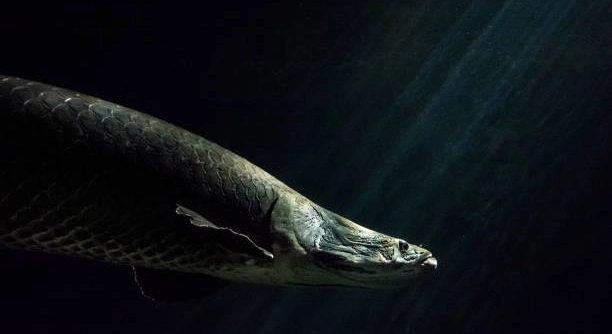
Do you enjoy keeping arowanas but find yourself wondering how their environment affects their behavior and wellbeing? Many fish owners focus on water quality and feeding, but the impact of sound often goes unnoticed in daily care routines.
Using background noise around arowanas can influence their stress levels and activity patterns. Gentle, consistent ambient sounds are generally harmless, while sudden or loud noises may cause agitation. Maintaining a calm environment supports overall health and reduces the risk of behavioral issues.
Understanding how sound interacts with your arowana’s environment can improve both care and observation. The effects of different noises on behavior are more significant than many owners realize.
How Background Noise Affects Arowana Behavior
Arowanas are highly sensitive to their surroundings, including sounds that humans may barely notice. Sudden noises, vibrations, or consistent loud sounds can trigger stress responses in these fish, making them more prone to hiding or erratic swimming. In some cases, constant background noise may even reduce appetite or disrupt feeding routines. Gentle ambient sounds, like soft water movement or a low hum from equipment, generally do not disturb them. Observing how your arowana reacts to household sounds can help you create a more peaceful environment. Personal experience shows that even small changes, such as moving a speaker or reducing loud activities near the tank, can noticeably calm an arowana. Maintaining a quiet, stable space around the tank encourages natural behavior, promotes proper growth, and reduces health issues related to chronic stress. Awareness of noise levels is as important as water quality and diet.
Small adjustments to minimize noise can make your arowana feel more secure and relaxed in its habitat.
Consistently monitoring your arowana’s behavior when background noise is present is key. Keep an eye on activity levels, feeding habits, and overall interaction with the tank environment. Some arowanas tolerate low-level ambient sounds without issue, while others may become anxious at even minor disturbances. Identifying which noises are disruptive allows you to adjust the surroundings accordingly. Reducing sudden bangs, high-pitched sounds, or vibrations from nearby appliances can prevent unnecessary stress. Creating a more controlled sound environment contributes to long-term health, encourages normal swimming patterns, and helps your fish maintain a stable routine. Over time, you can establish a balance between household activity and arowana comfort, ensuring that daily life outside the tank does not negatively impact the fish’s wellbeing.
Choosing the Right Sound Environment
Not all background noise affects arowanas the same way. Low-level, consistent sounds are generally safe and can even mask abrupt disturbances that might otherwise startle the fish.
When selecting the ideal sound environment, consider the placement of your tank and the source of noises. Avoid positioning the tank near televisions, speakers, or high-traffic areas. Gentle white noise or a low hum from filters can create a consistent auditory backdrop, helping your fish feel secure. Overly quiet environments are not necessarily better; sudden noises in a silent room can be more startling than moderate, constant sounds. Observing how your arowana reacts to different auditory stimuli helps guide adjustments. Over time, you will notice patterns, such as increased hiding during loud music or calm activity during steady, soft sounds. Adapting the environment to the arowana’s tolerance ensures reduced stress, healthier behavior, and a more peaceful tank overall. Balancing noise levels is a simple step that improves both fish welfare and the enjoyment of watching them thrive.
Recommended Noise Levels for Arowanas
Maintaining moderate, consistent background noise is generally best for arowanas. Avoid loud, sudden sounds that may trigger stress. Gentle hums from equipment or soft ambient sounds rarely cause disturbance and help mask abrupt household noises.
Monitoring your arowana’s reaction to different noise levels is essential. Some fish tolerate low-level sounds without issue, while others show signs of stress, such as hiding or erratic swimming. Observing behavior over several days provides a clear picture of tolerance and comfort. Adjusting the environment gradually, like lowering speaker volume or moving noisy appliances, helps create a stable setting that promotes normal activity and feeding patterns. Small changes in sound levels can significantly reduce stress, making your fish more relaxed and responsive. Ensuring stability benefits long-term health, growth, and overall wellbeing, making attentive observation a worthwhile effort for any arowana keeper.
Personal experience shows that noise patterns affect daily behavior. Arowanas are more active during periods of steady, calm sounds and become withdrawn when exposed to sudden disturbances. Maintaining awareness of household activity, and adapting tank placement or noise sources, improves their comfort. Consistent background noise that is neither too loud nor too silent encourages natural swimming, regular feeding, and reduces tension in the tank environment, ultimately supporting healthier and more predictable behavior patterns.
Common Sources of Stressful Noise
Household appliances, televisions, and loud conversations are frequent stressors for arowanas. Even distant construction or traffic vibrations can disturb them if the tank is not well-insulated.
Identifying and mitigating sources of stressful noise can improve your arowana’s environment significantly. Placing the tank away from high-traffic areas, using sound-absorbing materials around the tank, and minimizing sudden loud events are effective strategies. Regular equipment maintenance, such as ensuring pumps and filters run quietly, also reduces disturbances. Some arowanas are more sensitive to certain frequencies, making observation critical to understanding individual tolerance. Once patterns are noted, you can implement small adjustments to create a consistently calm habitat. Over time, these efforts reduce stress, encourage natural behavior, and improve overall health, creating a more harmonious and manageable aquarium environment for both the fish and household.
How to Minimize Noise Around the Tank
Placing the tank away from busy areas reduces exposure to sudden loud sounds. Using mats or padding under the tank helps absorb vibrations, creating a calmer environment for your arowana.
Soft background sounds, like gentle water flow or low hums from filters, help mask abrupt noises. Avoid speakers or high-traffic areas near the tank, and check that equipment runs quietly to maintain a peaceful habitat.
Observing Behavioral Changes
Regularly watch how your arowana responds to different noises. Signs of stress include hiding, erratic swimming, or reduced feeding. Keeping a simple log of behavior in relation to noise patterns helps identify what is disturbing and what is safe.
Adjusting Your Home Environment
Limiting sudden loud noises near the tank and keeping household activity predictable reduces stress. Small changes, like relocating speakers or lowering appliance volumes, create a more stable setting for your arowana.
Continue the article with the following outline. Bold the questions. Do not write an intro for each header, get straight to the point. Do not use a greeting. Make it feel slightly personal. Write in a simplistic style.; Outline: ; FAQ (write at least 500 words); Note: Skip the intro, get straight to the point. The rest of the headers will be provided later, so do not write them yet. Skip the conclusion, and recap. Respect the given word count for every paragraph.
Maintaining the right environment for an arowana involves more than just water quality, temperature, and diet. Noise is often overlooked, yet it can significantly affect arowanas’ behavior and overall wellbeing. Loud, sudden, or irregular sounds may trigger stress, causing them to hide, swim erratically, or reduce feeding. Even vibrations from nearby appliances, household activity, or construction can disturb them. On the other hand, low-level, consistent sounds, such as soft filter hums or gentle water flow, are generally well tolerated. These steady noises can even help mask sudden disruptions that might otherwise startle the fish. Paying attention to how your arowana reacts to sound allows you to create a calmer environment, improving both behavior and health over time. Small adjustments in tank placement, sound sources, and household activity can make a significant difference in the fish’s comfort and stress levels.
Observing your arowana regularly is essential when managing noise. Monitoring swimming patterns, feeding behavior, and general activity helps identify signs of stress early. For example, frequent hiding, flaring fins, or unusual aggression can indicate that the current sound environment is not ideal. Keeping a simple log of noise events and behavioral responses can provide valuable insight into what your fish tolerates and what triggers agitation. Every arowana is different; some adapt quickly to background sounds, while others are more sensitive. Adjustments may include moving speakers or noisy appliances further from the tank, adding padding or mats to absorb vibrations, and ensuring consistent operation of filters and pumps. These measures help maintain a stable auditory environment, which supports normal behavior, encourages regular feeding, and promotes overall wellbeing. A calm, predictable environment allows arowanas to thrive without the added challenge of chronic stress caused by unnecessary noise.
In addition to monitoring and adjustments, integrating noise management into overall tank care enhances long-term health. Reducing stress through a calm environment works alongside proper feeding, water maintenance, and suitable tank setup to create the conditions arowanas need to grow and stay healthy. Over time, this careful management of sound can prevent stress-related illnesses and ensure more predictable behavior. While some background noise is acceptable, maintaining consistency and avoiding sudden loud disturbances is key. Ultimately, attention to sound, combined with standard care practices, fosters a harmonious environment where arowanas can swim freely, feed regularly, and develop naturally. By observing reactions and making thoughtful changes, noise becomes a manageable factor in keeping your fish healthy, active, and comfortable within their habitat.

Hello,
If you enjoy the content that we create, please consider saying a "Thank You!" by leaving a tip.
Every little bit helps us continue crafting quality advice that supports the health, happiness, and well-being of pets around the world, for pets of all shapes, sizes, and species.
We really appreciate the kindness and support that you show us!