
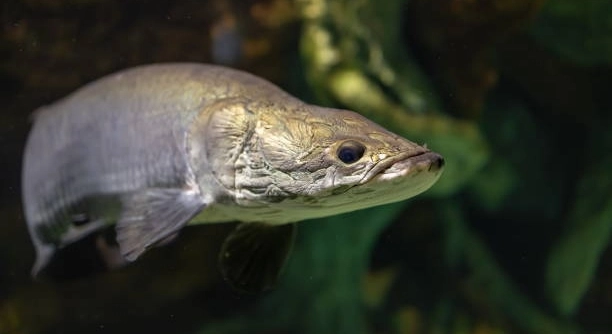
Arowanas are striking, long-bodied fish that often become a focal point in home aquariums. Owners enjoy watching them move gracefully through the water, noticing their patterns and behaviors over time. These fish can create a calming presence in any space.
Arowanas can form simple habits over time, similar to other pets. They respond to feeding schedules, recognize familiar caretakers, and exhibit repetitive behaviors in response to environmental cues, indicating a capacity for routine-based learning and conditioned responses.
Observing these patterns can help owners better understand their arowana’s needs and daily behavior. Learning to identify habits can improve care and strengthen the bond with your fish.
How Arowanas Recognize Feeding Times
Arowanas are surprisingly good at recognizing routine. When fed at the same time each day, they start anticipating meals and may swim near the feeding area or follow your movements. This behavior is not random; it is a learned response. Over time, arowanas can distinguish subtle cues, such as the sound of a container opening or the approach of a caretaker, signaling that food is coming. Repetition and consistency are key in reinforcing these behaviors. Providing food at irregular times can confuse them and reduce their responsiveness. Arowanas also develop preferences for certain foods. Observing which items they swim toward quickly can help tailor their diet, ensuring they remain healthy. Environmental stability, including water temperature and lighting, contributes to their ability to form predictable habits. When conditions remain consistent, arowanas are more likely to show patterned behavior that signals routine recognition.
Establishing a fixed feeding schedule can improve the fish’s overall well-being and make daily care easier.
Regular observation allows you to notice subtle changes in your arowana’s behavior, which can indicate health or environmental issues. Knowing their habits ensures proper feeding and reduces stress, creating a calmer aquarium environment.
Bonding Through Observation
Spending time watching your arowana helps form a subtle bond. By observing their movements, you begin to understand their comfort zones and preferences, which improves your care.
Arowanas respond to gentle interaction and consistent presence. They may follow hand movements outside the tank or react to familiar voices. Over weeks, they learn to associate specific actions with positive outcomes, such as feeding or environmental adjustments. Encouraging these responses requires patience and observation. Signs of stress or discomfort are easier to detect when you are familiar with their typical behavior. Arowanas often display curiosity toward new objects or changes in the tank, and recognizing these reactions allows caretakers to maintain a safe and stimulating environment. Consistency in daily routines, including feeding, water maintenance, and light schedules, strengthens their behavioral patterns. Understanding these cues helps prevent sudden changes that could trigger stress, making the fish more comfortable in their surroundings. Over time, careful attention to patterns and gentle interaction enhances the experience of keeping an arowana and promotes long-term health.
Environmental Cues and Arowana Behavior
Arowanas respond strongly to their surroundings. Light levels, tank decorations, and water flow can influence movement patterns. They may swim in predictable paths or avoid certain areas depending on changes in the environment. Stability encourages regular behavior.
Water temperature and clarity directly affect their activity. Arowanas become more active in stable, slightly warm water and may hide or slow down if conditions fluctuate. Strong currents or sudden changes in decor can make them hesitant, while a consistent setup reinforces familiar paths and routines. These fish notice shifts in the environment, which can influence feeding, resting, and swimming habits. Observing how your arowana reacts to different areas helps identify preferred zones and ensures the tank layout supports natural movement.
Arowanas also respond to subtle signals, such as shadows or reflections on the tank. Consistent cues can help them form predictable patterns, making care more manageable. Tracking these habits ensures both comfort and a healthier daily rhythm.
Recognizing Individual Preferences
Arowanas develop clear preferences over time, whether for certain foods, swimming spots, or interaction with caretakers. Each fish shows unique tendencies, reflecting personality and comfort.
These preferences can influence daily routines, as arowanas often return to favored areas during resting or feeding times. Some may favor the upper or lower tank sections, while others prefer corners or shaded spots. Recognizing these tendencies allows for tailored care, from feeding strategies to tank decoration adjustments. Understanding individual choices also helps prevent stress, as forcing changes can disrupt established routines. Paying attention to how they respond to different stimuli—like food type, feeding method, or tank features—helps reinforce positive habits. This awareness allows caretakers to provide an environment that respects their unique behaviors. Individual recognition improves interaction, enhances health monitoring, and supports the development of consistent patterns.
Training Arowanas With Routine
Consistency is key when encouraging habits in arowanas. Feeding at the same times each day helps them anticipate meals and respond predictably. Repetition strengthens their ability to form simple routines.
Small, repeated actions, like tapping lightly on the tank or moving hands near the surface, can signal feeding time. Over weeks, arowanas begin associating these cues with positive outcomes, reinforcing predictable behavior.
Recognizing Stress Signals
Arowanas show stress through unusual swimming patterns, loss of appetite, or hiding excessively. Early recognition helps prevent long-term health issues.
Monitoring daily behavior allows caretakers to adjust tank conditions or routines. Sudden changes in water temperature, diet, or lighting can trigger stress. Observing these signals ensures timely interventions and maintains arowanas’ comfort and health.
Encouraging Exploration
Introducing safe tank decorations or rearranging objects slowly encourages natural curiosity. This promotes mental stimulation and reduces boredom.
FAQ
Can arowanas really recognize their owner?
Yes, arowanas can recognize familiar caretakers over time. They respond to the presence, movement, or voice of someone who consistently feeds or cares for them. This recognition is subtle, often shown through swimming toward the person or increased activity when they approach the tank. Repetition and consistency in care strengthen this behavior.
How long does it take for an arowana to form a habit?
Arowanas typically start forming simple habits within a few weeks. Regular feeding schedules, consistent environmental cues, and predictable interactions help establish these routines. The exact timing varies depending on the fish’s age, temperament, and tank conditions, but daily consistency is crucial for faster habit formation.
What are common habits arowanas develop?
Common habits include recognizing feeding times, following a person’s movement near the tank, returning to specific resting areas, and swimming along certain paths in the aquarium. They may also respond to environmental changes like light shifts or water flow, showing predictable patterns that reflect learned behaviors.
Can arowanas be trained like other pets?
Arowanas can be trained in limited ways. They respond to repetition, positive reinforcement, and predictable cues. For example, hand-tapping the water or moving a feeding container can signal mealtime. Over time, they associate these actions with food, forming a simple conditioned response similar to training in other pets.
Do arowanas get bored in a tank?
Yes, arowanas benefit from mental stimulation. Empty or unchanging tanks can reduce activity and lead to stress. Introducing safe decorations, varying feeding methods, or adding hiding spots encourages exploration and natural behavior. Regular observation helps identify when changes are needed to keep them engaged.
How does water quality affect habits?
Stable water quality is essential for predictable behavior. Fluctuations in temperature, pH, or clarity can stress arowanas, causing unusual swimming patterns or hiding. Maintaining consistent conditions helps them stick to established routines, including feeding and resting habits. Poor water quality disrupts their behavior and health.
Can arowanas remember routines if the schedule changes?
Arowanas can adapt, but sudden or frequent changes may cause confusion. Gradual adjustments allow them to learn new patterns while minimizing stress. Their memory for routines is strong when environmental cues and caretaker interactions remain consistent, but abrupt changes can temporarily disrupt learned behaviors.
Do all arowanas form habits at the same rate?
No, each arowana is unique. Age, species, personality, and prior experiences affect how quickly they develop habits. Younger fish may adapt faster, while older or more timid fish might require extra time and patience. Observing each fish individually helps tailor care and support habit formation.
Is it safe to encourage habits in arowanas?
Yes, forming simple habits is safe and can improve care. Predictable routines reduce stress and make feeding, cleaning, and health monitoring easier. Habits should focus on natural behaviors and consistent schedules, avoiding over-stimulation or excessive handling that could harm the fish.
How can I track my arowana’s habits effectively?
Keep a log of feeding times, activity patterns, and responses to environmental changes. Note preferred swimming paths, favorite resting spots, and reactions to new objects. Observing trends over weeks helps identify routines and potential stressors, allowing better care and a healthier, more responsive fish.
Do arowanas respond to sound or movement?
Yes, they are sensitive to vibrations, shadows, and movement outside the tank. Subtle signals, like hand movement or the sound of feeding containers, can trigger recognition and anticipation behaviors. Consistency in these cues helps them form habits linked to routine actions, making interaction smoother.
Can environmental enrichment influence habit formation?
Absolutely. Adding plants, driftwood, or safe ornaments encourages natural exploration. It promotes movement and mental stimulation, helping arowanas establish daily patterns around resting, feeding, and interacting with their surroundings. Regularly changing or rearranging enrichment subtly maintains interest without causing stress.
Do arowanas show signs of excitement or preference?
Yes, they often display heightened activity near favored foods, objects, or familiar caretakers. Swimming quickly to a feeding spot or investigating new items indicates preference and learning. Observing these behaviors helps reinforce positive routines and ensures care aligns with their natural tendencies.
How do I know if habits are healthy?
Healthy habits include predictable swimming, regular feeding, and resting in preferred areas. Sudden avoidance, lethargy, or stress behaviors indicate disruption. Monitoring behavior patterns against normal routines allows timely adjustments in care or environment to maintain their well-being.
Are habits permanent in arowanas?
Habits are not necessarily permanent. While arowanas remember routines, changes in environment, caretakers, or health can alter behavior. Consistent reinforcement helps maintain habits, but flexibility is essential to accommodate natural adaptation or necessary adjustments in care.
Can feeding preferences affect other habits?
Yes, preferred foods can shape daily behavior. Arowanas may swim more actively, anticipate meals, or interact with caretakers when favored foods are offered. Observing these responses allows caretakers to structure feeding routines and maintain consistent engagement while supporting overall health.
Do arowanas show memory for specific locations?
They do. Arowanas remember resting spots, hiding areas, and feeding zones. Familiar locations provide comfort and reduce stress. Changing tank layout abruptly can disrupt these habits, so gradual adjustments are recommended to help them maintain their learned routines.
How much interaction is ideal for forming habits?
Moderate, consistent interaction is sufficient. Over-handling can cause stress, while consistent visual presence or gentle signaling helps them recognize routine events. Balancing interaction with stability ensures habit formation without compromising their comfort.
Can illness affect arowana habits?
Yes, sickness can temporarily disrupt routines. Appetite, swimming patterns, and responses to stimuli may change. Monitoring deviations from established habits helps identify health issues early, allowing prompt care to restore normal behavior and prevent long-term problems.
Is it possible to train an arowana to follow commands?
Arowanas can respond to simple cues associated with rewards, such as food. Full “commands” are unrealistic, but consistent signals, like tapping or hand movement, can encourage predictable responses. Patience and repetition are necessary for reliable behavior reinforcement over time.
Final Thoughts
Arowanas are remarkable fish that display intelligence and adaptability in their behaviors. While they do not form habits in the same way as mammals, they can learn routines and respond predictably to environmental cues, feeding schedules, and consistent caretaker presence. Observing these patterns over time can help owners understand their fish better, including preferences for certain resting spots, favorite areas of the tank, and reactions to light or movement. Establishing predictable routines, such as feeding at regular times or keeping water conditions stable, supports their natural behaviors and encourages a sense of security within the aquarium. Arowanas, like other pets, thrive when their environment is consistent, safe, and engaging. Maintaining stable water temperature, proper pH levels, and adequate space for swimming allows them to express natural behavior patterns and reinforces habits that promote comfort and well-being.
Developing simple routines for arowanas does not require complicated training methods. Gentle cues, like approaching the tank consistently at feeding times or using subtle signals, can teach the fish to anticipate meals. Over time, they may follow these patterns, swimming toward the feeding area or reacting to the presence of a caretaker. Positive reinforcement, patience, and repetition are essential. Observing their responses to these cues also provides insight into their health and mood. If a fish stops responding to familiar routines, it may indicate stress, illness, or environmental changes that need attention. Keeping track of their daily behaviors helps identify preferences and tendencies, which can then inform adjustments in care. Even small changes, like introducing new objects for exploration or rearranging decorations gradually, can encourage mental stimulation while allowing the arowana to maintain established habits.
While arowanas are not traditional pets that can be trained extensively, they demonstrate memory and responsiveness that make them engaging to observe. Recognizing their habits can deepen understanding and foster a better connection between the fish and caretaker. Consistency in feeding, tank maintenance, and interaction helps these routines remain stable, reducing stress and supporting long-term health. Each fish is unique, so habits may vary depending on temperament, age, and individual preference. Paying attention to subtle cues, like swimming patterns, preferred spots, or reactions to different stimuli, allows owners to tailor care in a way that benefits the fish. By combining careful observation with steady routines, arowanas can live in a comfortable environment where they express natural behaviors and respond predictably to daily interactions. Over time, these patterns make aquarium care more manageable and provide a deeper appreciation for the intelligence and adaptability of these impressive fish.

Hello,
If you enjoy the content that we create, please consider saying a "Thank You!" by leaving a tip.
Every little bit helps us continue crafting quality advice that supports the health, happiness, and well-being of pets around the world, for pets of all shapes, sizes, and species.
We really appreciate the kindness and support that you show us!