
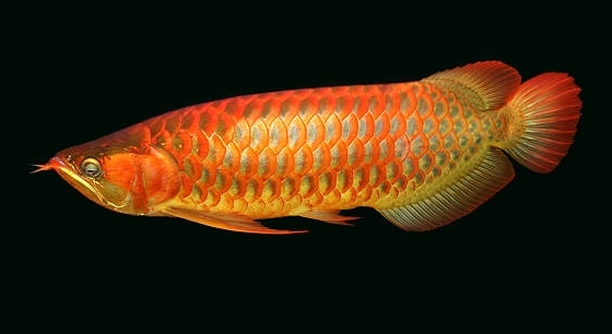
Arowanas are graceful and powerful fish that bring elegance to any aquarium. Watching them move and interact can be both calming and fascinating. Their behavior often reflects their overall health and comfort within their environment.
A thriving arowana displays consistent swimming patterns, a healthy appetite, clear eyes, vibrant coloration, regular interaction with its surroundings, and minimal signs of stress or disease. Monitoring these behaviors provides a reliable measure of the fish’s wellbeing and adaptation.
Observing subtle changes in behavior can reveal a lot about your arowana’s health. Recognizing these signs early helps ensure long-term care and a happy aquatic environment.
Consistent Swimming Patterns
Arowanas that are healthy and comfortable in their tank often swim smoothly and steadily across the water. They move confidently, exploring their environment without sudden jerks or unusual pauses. When arowanas swim consistently, it reflects proper muscle development and energy levels. Observing them at different times of the day can reveal whether their activity is normal. Young arowanas may be more energetic, while adults may show a calm, steady swimming rhythm. Tanks with adequate space, proper filtration, and stable water conditions encourage regular swimming behaviors. On the other hand, irregular or erratic movements can indicate stress, illness, or unsuitable tank conditions. Providing a consistent feeding schedule also helps maintain regular activity. Even subtle differences in movement, like hovering in one corner or rubbing against surfaces, are important to note. These patterns, when observed carefully, are a reliable sign of arowanas thriving in their environment and adjusting well to their surroundings.
Smooth, steady swimming is a clear indicator of good health in arowana, showing comfort and proper energy levels.
Noticing when an arowana glides calmly across the tank or makes deliberate turns can tell you much about its wellbeing. Consistency in swimming patterns often points to balanced nutrition, stable water parameters, and a safe environment. Arowanas that swim confidently tend to explore more and display natural behaviors, which also encourages healthy growth. Sudden changes in movement or long periods of inactivity may signal stress, illness, or environmental issues. Tank layout matters too; decorations should allow open swimming space without obstruction. Temperature, oxygenation, and filtration all influence how freely an arowana moves. Observing patterns daily, even for a few minutes, provides insight into their physical condition and mental state. Recognizing these behaviors helps maintain optimal care, ensuring the arowana’s health and comfort in the long term. Consistent swimming is more than motion—it reflects balance, confidence, and overall adaptation to its environment.
Healthy Appetite
Arowanas that are thriving show a strong, regular appetite. They eagerly eat during feeding times and often respond quickly when food is offered.
Maintaining a proper diet ensures your arowana gets the nutrients needed to grow and remain active.
Paying attention to feeding habits gives clear insight into health. A fish that eats consistently is more likely to have a robust immune system and strong energy reserves. Offering a balanced diet, including live, frozen, or high-quality pellet foods, keeps nutrition well-rounded. Avoid overfeeding, as leftover food can degrade water quality and stress the fish. Notice how quickly your arowana approaches food—hesitation or refusal may indicate illness or environmental stress. Varying food types can prevent boredom and support natural foraging instincts, while maintaining a feeding schedule reinforces regular appetite and behavior. Monitoring appetite alongside other signs like swimming patterns, coloration, and interaction provides a comprehensive picture of the arowana’s condition. Healthy eating patterns are an essential and reliable measure of overall wellbeing, giving clear feedback on both nutrition and environmental suitability.
Vibrant Coloration
Healthy arowanas display bright, even coloration across their bodies. Dull or faded colors often indicate stress, poor water quality, or insufficient nutrition.
Consistent vibrant colors suggest proper lighting, balanced diet, and a stable environment. Arowanas with strong pigmentation tend to be more active and less prone to illness. Color can shift slightly with mood or age, but drastic changes should be monitored. Feeding a variety of foods rich in natural pigments helps maintain brilliance, while maintaining ideal water conditions prevents stress-related fading. Observing these color changes regularly allows early detection of health concerns. Bright, lively coloration is a reliable indicator of thriving arowanas and overall vitality.
Color intensity reflects health. Strong, vibrant tones indicate proper care and a well-maintained environment. Monitoring changes helps detect potential issues early.
Clear Eyes
Arowanas with clear, bright eyes are generally healthy and alert. Cloudy or sunken eyes may signal disease, injury, or poor water conditions.
Clear eyes show that the fish’s overall health is well-supported by diet and environment. Healthy eyes allow proper vision and natural behavior, while cloudiness can affect feeding and interaction. Tank cleanliness, stable water parameters, and adequate nutrition are essential for maintaining eye clarity. Even minor issues, like mild cloudiness, should be addressed promptly to prevent infections or more serious problems. Observing the eyes daily provides a quick reference for overall condition, allowing timely adjustments in care routines. Clear, bright eyes correlate strongly with arowanas thriving in their tanks.
Maintaining eye clarity requires attention to water quality, feeding, and monitoring for signs of infection or stress. Regular observation ensures your arowana remains alert and healthy.
Interaction with Surroundings
Arowanas that respond to movement or objects in their tank are showing signs of awareness and comfort. Thriving fish explore decorations, plants, and surfaces without hesitation.
Regular interaction indicates curiosity and mental engagement. Fish that ignore their environment may be stressed or unwell.
Minimal Signs of Stress
Stress in arowanas can appear as hiding, erratic swimming, or loss of appetite. A thriving fish remains calm and displays natural behavior consistently. Maintaining stable water conditions, proper diet, and sufficient space minimizes stress and supports overall health.
Smooth and Controlled Breathing
Healthy arowanas breathe steadily and quietly. Rapid gill movement or gasping at the surface often points to oxygen issues or illness, which requires immediate attention to prevent further complications.
Regular Growth
Consistent growth in size and strength reflects proper nutrition and tank conditions. Monitoring growth over time helps ensure your arowana is developing healthily and thriving in its environment.
FAQ
How often should I feed my arowana?
Arowanas thrive on a consistent feeding schedule, usually once or twice a day. Juveniles may need more frequent feedings, while adults can maintain health with one daily meal. Overfeeding can lead to poor water quality and obesity, so portion control is important. Rotating foods like pellets, frozen, and live items helps provide balanced nutrition. Observing appetite and adjusting the quantity ensures the fish receives enough nutrients without leftover food polluting the tank. Regular monitoring allows you to notice any changes in eating behavior that could indicate stress or illness.
What type of food is best for arowanas?
A balanced diet is essential for thriving arowanas. High-quality pellets designed for carnivorous fish provide core nutrition, while live or frozen foods, such as shrimp, insects, or small fish, enhance variety and encourage natural hunting behaviors. Occasional treats like earthworms or krill support growth and coloration. Avoid feeding overly fatty foods or those that can carry disease. Providing a mix of protein sources and ensuring vitamins and minerals are present helps maintain energy, coloration, and immune function. Consistency in diet combined with variety promotes long-term health.
How can I tell if my arowana is stressed?
Signs of stress include erratic swimming, hiding for long periods, loss of appetite, faded colors, and rapid gill movement. Stress often results from poor water quality, sudden temperature changes, or overcrowding. Correcting these conditions promptly reduces risk and helps the fish return to normal behavior. Regular observation of swimming patterns, feeding habits, and physical appearance allows early detection. Stress can weaken the immune system, making arowanas more vulnerable to disease. Ensuring a stable environment, proper tank size, and compatible tank mates reduces the likelihood of stress significantly.
How important is water quality for arowanas?
Water quality is critical for thriving arowanas. Parameters like temperature, pH, ammonia, nitrite, and nitrate levels must be monitored regularly. Clean, well-filtered water prevents disease, supports proper respiration, and maintains coloration and appetite. Regular water changes and tank maintenance reduce waste buildup, while stable temperatures prevent shock or stress. Using a reliable filtration system and testing water frequently helps maintain optimal conditions. Poor water quality is a common reason for illness and behavioral changes, making monitoring and adjustment a top priority for long-term care.
Can arowanas live with other fish?
Arowanas can coexist with certain species, but compatibility depends on size, temperament, and tank space. Aggressive or small fish may become targets. Large, peaceful species work best for community setups. Observing interactions and providing hiding spots helps reduce aggression. Tank size must accommodate swimming space for all residents to prevent stress. Gradual introductions and monitoring behavior allow you to adjust the environment if conflicts arise. Careful planning ensures the arowana’s behavior, health, and growth are not compromised by tank mates.
How do I encourage natural behavior in my arowana?
Providing a spacious tank, suitable water conditions, and enrichment encourages natural hunting, swimming, and interaction. Rotating food types, using floating or sinking items, and creating visual interest help stimulate mental and physical activity. Avoid overcrowding, and maintain regular feeding and cleaning schedules. Observing and responding to behavior helps ensure the environment supports thriving fish. Consistent care and attention to the tank’s layout contribute to natural, confident behavior over time, which is a strong indicator of health and wellbeing.
What are the signs of a healthy arowana?
Clear eyes, vibrant colors, steady swimming, strong appetite, smooth breathing, and regular growth are key indicators of health. Additionally, active interaction with surroundings and minimal stress behaviors signal that care and environment are supporting the fish. Observing these behaviors consistently allows you to confirm that your arowana is thriving. Regular monitoring of behavior, diet, and water quality ensures any issues are addressed early. A combination of physical and behavioral signs gives the most accurate picture of overall health.
How do I prevent disease in arowanas?
Maintaining clean water, feeding a balanced diet, and avoiding overcrowding are primary preventive measures. Quarantining new fish, regular tank maintenance, and monitoring behavior help catch early signs of illness. Vaccinations aren’t common for aquarium fish, so prevention relies on hygiene, nutrition, and environmental stability. Stress reduction also plays a key role in disease prevention. Observing the fish daily for unusual behavior or physical changes ensures prompt response. Prevention focuses on maintaining an optimal environment and consistent care rather than reacting after disease appears.
How large should the tank be for an adult arowana?
Adult arowanas require a large tank with ample swimming space, ideally at least 250–300 gallons. Width and length are important to allow full, natural movement. A larger tank reduces aggression and stress, provides room for tank mates, and supports healthy growth. Proper filtration, aeration, and temperature control are easier to maintain in an appropriately sized tank. Overcrowding can lead to behavioral problems, stunted growth, and illness. Planning for adult size from the start ensures your arowana remains comfortable, active, and healthy throughout its life.
How often should I monitor my arowana’s behavior?
Daily observation is ideal for tracking health and detecting early signs of stress or illness. Noting changes in swimming, appetite, coloration, and interaction helps catch issues before they become severe. Keeping a simple log of behaviors and feeding patterns provides a reference for long-term trends and ensures timely adjustments in care. Regular attention allows you to maintain stable water conditions, consistent feeding, and proper environmental enrichment, all of which support a thriving arowana. Consistency in monitoring reinforces preventive care and promotes confidence in overall wellbeing.
Final Thoughts
Caring for an arowana requires attention, patience, and consistency. These fish are sensitive to changes in their environment, so maintaining stable water conditions, a balanced diet, and sufficient space is essential. Observing behavior, appetite, and physical signs on a daily basis allows you to identify potential problems early and make adjustments before they become serious. Thriving arowanas display clear eyes, vibrant coloration, smooth swimming, steady breathing, and active interaction with their surroundings. Each of these indicators reflects the overall health and comfort of the fish, making careful observation an important part of responsible care. By providing a well-maintained environment, you support the fish’s physical wellbeing and help it develop natural behaviors that are essential for long-term health. Paying attention to small details, like swimming patterns and appetite, gives insight into the fish’s mental state, while monitoring water quality ensures that stress and disease are minimized. Combining these practices creates a stable, safe, and enriching home for your arowana.
Arowanas are naturally curious and energetic fish, and their behavior can tell you a lot about their state of health. When they swim confidently, respond to their surroundings, and eat consistently, it shows that their needs are being met. Thriving fish also demonstrate minimal signs of stress, such as hiding, erratic movements, or color fading. Providing proper tank size, consistent feeding, and environmental enrichment contributes to these positive behaviors. It is also important to maintain clean water, monitor key parameters like temperature and pH, and avoid overcrowding. A balanced diet, including high-quality pellets, live foods, and occasional treats, supports growth, coloration, and energy levels. Observing changes in behavior and physical appearance allows you to intervene early if problems arise, ensuring that the arowana continues to thrive. Regular attention and thoughtful care are key to sustaining a healthy, vibrant fish that exhibits natural behavior and confidence in its environment.
Understanding your arowana’s needs and behaviors helps build a strong foundation for long-term care. Consistency and observation are the most effective tools for ensuring the fish’s wellbeing. Noticing changes in swimming, appetite, breathing, or coloration allows timely adjustments to feeding routines, tank maintenance, or environmental conditions. Thriving arowanas are the result of a combination of factors: proper diet, sufficient space, clean water, and minimal stress. Paying attention to these factors and responding to your fish’s needs helps it develop into a strong, healthy, and active adult. Over time, consistent care creates a predictable and safe environment where the arowana can express natural behaviors and maintain overall health. By monitoring behavior, providing proper nutrition, and ensuring stable conditions, you create a habitat where your arowana can flourish, giving you the satisfaction of seeing a vibrant, energetic fish that is truly thriving.

Hello,
If you enjoy the content that we create, please consider saying a "Thank You!" by leaving a tip.
Every little bit helps us continue crafting quality advice that supports the health, happiness, and well-being of pets around the world, for pets of all shapes, sizes, and species.
We really appreciate the kindness and support that you show us!