
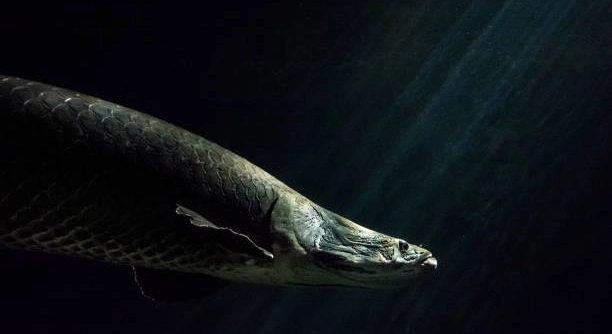
Arowanas are admired for their bright, shimmering scales, which can brighten any aquarium. Many owners enjoy watching their colors shine, yet sometimes these vivid hues start to fade over time, leaving fish looking duller than expected.
Color fading in arowanas is primarily caused by poor water quality, inadequate diet, stress, or insufficient lighting. Maintaining a balanced environment with proper nutrition, stable water parameters, and minimal stress is essential to preserve their natural coloration.
Keeping your arowana’s vibrant colors requires attention to several factors. Each aspect, from feeding habits to water care, plays an important role in sustaining their beauty.
Water Quality and Its Impact on Color
Water quality is one of the most important factors affecting an arowana’s color. Poor water conditions, such as high ammonia, nitrite, or nitrate levels, can stress the fish and dull its vibrant scales. pH fluctuations, hard water, or sudden temperature changes also contribute to fading. Keeping the tank clean through regular water changes and proper filtration ensures that the fish remains healthy and colorful. Even small amounts of leftover food or waste can create a toxic environment over time, so consistent maintenance is key. Oxygen levels should also be monitored, as low oxygen can weaken the fish’s immune system and affect pigmentation. Using a reliable water testing kit helps track the important parameters, giving you control over the environment. Clear, stable water allows the arowana’s natural colors to shine while promoting overall well-being. Simple steps in water management can prevent fading before it starts.
Maintaining stable water conditions supports brighter colors and healthier fish, making routine checks a non-negotiable part of care.
Healthy water practices, combined with monitoring temperature and pH levels, create an environment where the arowana can thrive. When the water is consistent, the fish shows more energy, its scales are reflective, and stress-related color loss is minimized. Aeration, filtration, and controlled lighting contribute further, helping scales maintain richness. Neglecting water quality often leads to slower growth, weaker immune systems, and pale colors. Regular water changes, careful feeding, and monitoring of chemical levels all support natural pigmentation. Over time, properly maintained water encourages the development of deeper reds, golds, or silvers depending on the species, keeping the fish visually appealing. Even small improvements, like using a dechlorinator or adjusting temperature gradually, have a noticeable effect on the arowana’s appearance. The interaction of diet, water, and light all plays a role, but clean, stable water is the foundation for vibrant, long-lasting coloration.
Diet and Nutrition
Arowanas require a varied diet to maintain their color. High-quality pellets, live food, and occasional supplements all contribute to vibrant scales.
A balanced diet rich in carotenoids, vitamins, and protein enhances pigmentation. Natural foods such as shrimp, krill, or insects help bring out reds and golds. Feeding consistently and avoiding overfeeding ensures that nutrients are absorbed effectively, supporting overall health and color. Commercial feeds designed for color enhancement can be included, but they should not replace natural sources entirely. A combination of live, frozen, and prepared foods provides a spectrum of nutrients that reflect in the fish’s scales. Even small deficiencies can cause dulling over time, so monitoring the diet and adjusting based on observation is important. Regular rotation of foods also prevents nutritional gaps while keeping the arowana interested in feeding. With a thoughtful feeding plan, the colors remain strong, scales look shiny, and the fish maintains energy and vitality. Attention to nutrition is just as important as water quality in preserving natural brilliance.
Stress and Its Effects on Color
Stress can cause arowanas to lose their vibrant colors quickly. Factors such as overcrowding, aggressive tank mates, sudden movements, or loud noises can trigger stress, weakening their immune system and reducing pigmentation.
Chronic stress affects both behavior and appearance. A stressed arowana may hide frequently, refuse food, or swim erratically, which signals underlying issues in the tank environment. Stress also impacts hormone levels, directly influencing coloration. Even minor stressors like changes in lighting or water temperature can gradually dull the fish’s natural brilliance. Ensuring a calm, stable environment with enough space, gentle handling, and compatible tank mates helps maintain bright scales. Small adjustments, like adding hiding spots or keeping the tank in a quiet area, can significantly reduce stress levels, allowing the arowana’s natural colors to return. Consistent observation is necessary to identify stress triggers early.
Preventing stress is as important as diet or water quality. Each careful step in tank management protects both health and the intensity of colors.
Stress reduction improves immune response and promotes consistent color. Arowanas in low-stress environments display richer, deeper tones over time.
Lighting and Color Development
Proper lighting supports natural pigmentation and overall health. Arowanas exposed to insufficient or overly harsh light may show faded or uneven coloration. Balanced lighting, simulating natural day-night cycles, enhances scale reflection and color depth.
Lighting influences both behavior and physiology. Full-spectrum lights encourage natural activity patterns and help display reds, golds, and silvers in their full intensity. Too little light leads to pale, muted scales, while too much light can increase stress and algae growth, affecting tank aesthetics. Positioning lights correctly, adjusting intensity, and providing a consistent schedule are essential steps. LED or fluorescent lights designed for aquariums work best, offering adequate brightness without overheating the water. Light exposure interacts with diet and water quality, supporting pigment development when all factors are optimal. Regularly monitoring the tank’s lighting ensures the fish remains healthy and visually striking.
A proper lighting setup combined with stable environmental conditions enhances natural coloration, highlights scale patterns, and keeps the arowana active and visually appealing.
Tank Size and Space
Arowanas need enough space to swim freely. Small tanks can stress them, causing their colors to fade. Adequate room supports both growth and natural behavior.
Crowded conditions increase aggression and stress levels. Providing a large, well-structured tank allows the fish to move comfortably, maintain vibrant coloration, and develop strong, healthy scales.
Age and Genetics
Age and genetics naturally influence coloration. Younger arowanas often have brighter colors, while older fish may show gradual fading. Genetic factors determine base color, patterns, and the ability to develop intense hues.
Temperature and Stability
Stable water temperature is essential. Sudden changes can stress the fish, weakening immunity and dulling colors.
Algae and Lighting Balance
Excessive algae growth can block light and affect color development. Controlling algae ensures the arowana receives proper illumination for healthy pigmentation.
FAQ
Why is my arowana’s color fading even though I feed it well?
Even with a good diet, other factors can affect color. Poor water quality, stress, inadequate lighting, or improper tank conditions can all dull pigmentation. Nutrients are absorbed more effectively when the environment is stable and stress-free. Balancing all care aspects is necessary to maintain vibrant scales.
Can water changes improve my arowana’s color?
Yes. Regular water changes help remove toxins like ammonia and nitrates that weaken the fish and reduce pigmentation. Clean water supports health, promotes growth, and allows the natural colors to show fully. Using a reliable water testing kit ensures changes are timely and effective.
How does lighting affect color?
Proper lighting highlights natural colors and supports pigment development. Full-spectrum lighting simulates daylight, encouraging activity and vivid scales. Too little light causes dullness, while too much light stresses the fish and can trigger algae growth, indirectly affecting color. A consistent day-night cycle is important.
Does tank size impact coloration?
Yes. Arowanas need spacious tanks to swim freely. Small or crowded tanks create stress, which directly leads to color fading. Providing enough room supports natural behavior, reduces aggression, and helps maintain rich, healthy scales.
Can stress really change an arowana’s colors?
Absolutely. Stress from loud noises, sudden movements, or aggressive tank mates affects hormone levels and immune function, dulling scales. Reducing stress through stable conditions, hiding spots, and gentle handling can restore brighter, more vivid coloration over time.
Do supplements or special feeds work?
Supplements rich in carotenoids and vitamins can enhance color, especially in red or gold arowanas. However, they should complement a varied diet including live, frozen, and high-quality pellets. Over-relying on supplements alone won’t correct environmental or health issues affecting pigmentation.
Does age affect color?
Yes. Younger arowanas often have brighter, more vibrant colors, while older fish may gradually lose intensity. Genetics also play a role in base coloration and the fish’s ability to develop intense hues over time. Proper care can slow this natural fading.
How quickly can color improve after fixing water or diet issues?
It varies. Minor adjustments may show results in weeks, while prolonged poor conditions might take months to reverse. Consistency is key. Gradually correcting water quality, diet, and lighting ensures a slow, sustainable return to healthy, vibrant scales.
Can temperature fluctuations affect color?
Yes. Sudden changes in temperature stress arowanas, affecting immune response and pigmentation. Maintaining stable water temperature within the species’ preferred range supports both health and color, reducing the risk of fading.
Is algae growth harmful to color?
Excessive algae can block light, limiting pigment development. Controlling algae ensures proper illumination and helps the arowana maintain bright, reflective scales. Regular cleaning and moderate lighting prevent overgrowth while supporting color enhancement naturally.
How can I monitor if my arowana’s color is improving?
Observe scale brightness, intensity of red or gold hues, and overall sheen. Healthy, vibrant colors indicate good care, while dull or patchy scales signal stress or environmental issues. Taking photos periodically can help track changes and assess the effectiveness of adjustments.
Do all arowanas lose color in the same way?
No. Color fading depends on species, genetics, environment, and care practices. Some are naturally more resistant to fading, while others show color changes faster under stress, poor water conditions, or nutritional deficiencies. Individual observation is essential.
Can tank decorations influence color?
Yes. Decorations that provide hiding spaces reduce stress and encourage natural behavior, indirectly supporting coloration. Avoid overcrowding or sharp objects that may harm the fish, as injuries or stress can cause dulling. Simple, functional layouts work best.
Is it normal for colors to change seasonally?
Some minor shifts can occur with changes in lighting or temperature, but significant fading usually signals care issues. Maintaining stable conditions year-round helps preserve consistent coloration and prevents stress-related dulling.
How do I combine all care factors for the best color?
Focus on stable water quality, balanced diet, proper lighting, appropriate tank size, and stress reduction. Each factor interacts with the others, so improving one area while neglecting another may limit results. Consistency and observation ensure vibrant, long-lasting scales.
Final Thoughts
Maintaining an arowana’s vibrant color requires attention to several key aspects of care. Water quality is one of the most important factors. Clean, stable water supports overall health and allows the fish’s natural pigmentation to show fully. Regular water changes, proper filtration, and monitoring of ammonia, nitrite, and nitrate levels help prevent stress and illness. Even small fluctuations in pH or temperature can affect coloration, so keeping these parameters stable is essential. Arowanas respond quickly to their environment, and consistent maintenance provides the foundation for strong, bright scales. Over time, careful management of water conditions can prevent gradual fading and help the fish maintain its natural beauty.
Diet also plays a significant role in color preservation. A balanced diet that includes high-quality pellets, live or frozen foods, and occasional supplements rich in carotenoids and vitamins ensures that the fish receives all the nutrients necessary for pigment development. While supplements can enhance reds and golds, they are most effective when paired with a varied diet. Feeding should be consistent but controlled to prevent overfeeding, which can lead to poor water quality and stress. Observing your arowana’s eating habits and adjusting the diet accordingly can have a noticeable impact on scale brightness. Even small improvements in nutrition, combined with proper water care, can produce richer, more vivid colors over time.
Other factors, such as stress, lighting, tank size, and tank layout, are equally important. Stress from overcrowding, aggressive tank mates, or frequent disturbances can dull colors and weaken immunity. Adequate space and a calm environment help reduce stress and support natural behavior. Lighting influences both the appearance and development of coloration. Full-spectrum lights and a consistent day-night cycle bring out natural tones, while excessive or insufficient light can have the opposite effect. Additionally, decorations that provide hiding spots reduce stress without blocking light excessively. By addressing all these elements—water, diet, lighting, tank conditions, and stress management—you can create a stable environment that allows your arowana to maintain its vibrant appearance. Consistent attention and careful observation are the keys to keeping the fish healthy and colorful for years.

Hello,
If you enjoy the content that we create, please consider saying a "Thank You!" by leaving a tip.
Every little bit helps us continue crafting quality advice that supports the health, happiness, and well-being of pets around the world, for pets of all shapes, sizes, and species.
We really appreciate the kindness and support that you show us!