
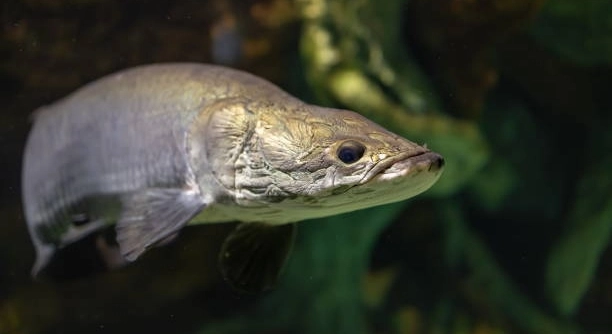
Arowanas are beautiful and powerful fish that require careful attention. Many owners enjoy their elegance but sometimes struggle to maintain a healthy, clean, and thriving aquarium environment for them consistently.
Essential tools for every Arowana owner include high-quality filtration systems, reliable heaters, appropriate lighting, sturdy nets, water testing kits, feeding equipment, and maintenance tools. These tools ensure optimal water conditions, proper nutrition, and a safe habitat for long-term fish health.
Using the right tools can make caring for your Arowana easier, safer, and more enjoyable for both the fish and the owner.
Filtration Systems
A reliable filtration system is the backbone of any healthy Arowana tank. I learned early on that poor filtration leads to cloudy water and stressed fish. High-quality filters remove debris, excess food, and harmful chemicals efficiently. Canister filters or sump systems are ideal because they handle larger volumes and maintain consistent water flow. It’s important to choose a filter that suits the size of your aquarium. Regular maintenance, like rinsing filter media and checking pump performance, keeps the system running smoothly. I schedule weekly checks to prevent buildup and avoid sudden changes in water quality. Filtration isn’t just about cleaning; it also helps maintain oxygen levels, which keeps Arowanas active and responsive. Some advanced systems even allow you to combine mechanical, chemical, and biological filtration, offering comprehensive care with minimal effort. Over time, a dependable filter reduces stress, decreases disease risk, and supports overall fish growth, making it one of the most crucial tools in your tank setup.
Filtration systems protect water quality, reduce toxins, and create a stable environment that supports the health and growth of your Arowana consistently.
Proper filtration can make tank maintenance less stressful. With clean water, your fish will swim actively, display natural colors, and respond to feeding routines. Observing the difference in behavior after upgrading a filter shows its direct impact on their health.
Aquarium Heater
A stable temperature is essential for Arowanas, as fluctuations can cause stress or illness. I realized this when my fish became sluggish during a cold night. An adjustable heater with a thermostat ensures the water stays within the ideal 75–82°F range. Submersible heaters are practical because they distribute heat evenly, preventing cold spots. It’s important to position the heater where water flow circulates heat throughout the tank. I always use a separate thermometer to verify the heater’s accuracy, as some built-in thermostats can be slightly off. Gradual changes are better than sudden adjustments; slowly raising or lowering the temperature avoids shocking your fish. Some heaters come with safety features like automatic shutoff in case of overheating. Consistent warmth encourages feeding, boosts immunity, and promotes steady growth. When paired with a reliable filter, a heater ensures a comfortable environment where Arowanas can thrive without additional stressors.
Temperature stability is crucial for active, healthy Arowanas.
Selecting the right heater involves considering tank size, wattage, and reliability. I prefer heaters with clear indicators and protective casing to prevent burns or accidents. Maintenance is simple: I check connections weekly, ensure the heater is fully submerged, and occasionally calibrate with an independent thermometer. A properly functioning heater prevents health issues, promotes digestion, and supports vibrant coloration. Investing in a quality heater avoids emergency replacements and helps create a consistently healthy environment. Over time, I noticed my Arowanas were more active, swam smoothly, and showed fewer signs of stress, proving that stable temperature directly improves their well-being.
Lighting
Proper lighting supports Arowanas’ natural behavior and helps maintain a balanced aquarium ecosystem. I noticed my fish became more active with consistent light cycles, and algae growth stayed manageable when lighting was adjusted correctly.
Lighting should mimic a natural day-night cycle. I use LED lights with adjustable timers to maintain roughly 10–12 hours of light per day. Too much brightness can stress the fish, while too little can affect plant growth if live plants are included. I also choose lights that enhance the fish’s colors without overheating the water. Proper placement is key; overhead lighting provides uniform coverage, preventing dark corners where debris accumulates. I’ve found that soft, diffused light works best for Arowanas, as they are sensitive to glare. Combining this with a regular cleaning schedule keeps the tank visually appealing and healthy. Over time, lighting consistency supports regular feeding habits and activity levels, making the aquarium easier to maintain overall.
Consistent, well-planned lighting ensures healthy activity, supports natural behavior, and highlights your Arowana’s vibrant colors effectively.
I position lights above the tank and use timers to maintain routine. Watching the fish adapt to a stable light cycle has been rewarding, as it encourages predictable movement patterns and reduces stress. I occasionally adjust intensity slightly based on seasonal changes or tank plant requirements, but keeping the timing steady is most important. A balanced lighting setup enhances the tank’s appearance and helps monitor the fish’s health closely.
Water Testing Kits
Regular water testing prevents sudden problems and keeps the tank stable. I learned early that unchecked parameters lead to illness quickly.
Testing kits allow measurement of pH, ammonia, nitrite, and nitrate levels. I use test strips for quick checks but rely on liquid kits for accuracy. Monitoring these levels helps detect early issues before they affect fish health. I schedule tests weekly and after water changes, noting results to spot trends. Arowanas are sensitive to sudden shifts in pH or ammonia spikes, so keeping records is helpful. Accurate water testing helps me decide when to adjust filtration, perform partial water changes, or treat the water. It also reassures me that the environment remains safe, reducing stress for both fish and owner. Over time, consistent monitoring prevents many common problems and promotes a stable, thriving aquarium.
Water testing kits are essential for preventing issues, maintaining stability, and ensuring a safe environment for Arowanas.
Nets
A sturdy net is important for handling Arowanas safely. I keep a large, soft-mesh net handy for moving fish during tank maintenance or emergencies.
Using the right net prevents injury to the fish and avoids stress. I avoid sharp edges and always support the fish gently when lifting it.
Feeding Tools
Accurate feeding helps maintain health and water quality. I use long tweezers and feeding tongs to deliver food directly without contaminating the water. This method allows control over portion size and reduces leftover debris, which could affect water quality. Feeding tools also help me introduce live or frozen foods safely, ensuring the fish can eat without competing or scattering food throughout the tank. Over time, using proper tools keeps the aquarium cleaner, encourages natural feeding behavior, and helps the Arowana grow steadily.
Maintenance Tools
Keeping the tank clean requires brushes, siphons, and algae scrapers. I use them weekly to remove buildup and debris efficiently.
Regular maintenance with these tools prevents water quality issues, reduces stress, and supports the overall health of the fish.
FAQ
How often should I clean my Arowana tank?
I clean my Arowana tank weekly, focusing on water changes and removing debris. Partial water changes of 20–30% help maintain water quality without shocking the fish. Regular cleaning prevents buildup of waste, leftover food, and algae, keeping the environment healthy and safe for my Arowana.
What is the ideal water temperature for Arowanas?
Arowanas thrive in water between 75–82°F. I use a reliable heater and a thermometer to monitor temperature daily. Sudden fluctuations can stress the fish, affect appetite, and make them prone to illness. Maintaining stability helps the fish stay active and healthy over time.
How do I choose the right filter?
I select filters based on tank size and water volume. Canister and sump filters work best for large tanks because they handle debris efficiently and maintain consistent water flow. I look for models that combine mechanical, chemical, and biological filtration to keep water clean and safe.
What should I feed my Arowana?
I provide a mix of pellets, live, and frozen foods. Balanced feeding ensures proper growth and coloration. I avoid overfeeding, which can pollute the water. Using feeding tools like tongs or tweezers helps me deliver food directly, reducing waste and maintaining water quality.
How do I prevent diseases?
Preventing diseases starts with clean water, stable temperature, and proper nutrition. I quarantine new fish and monitor behavior for signs of illness. Stress reduction is key; stable environments and minimal handling help maintain a strong immune system. Early intervention prevents serious outbreaks.
Can Arowanas live with other fish?
Arowanas can be territorial. I carefully choose tank mates that are large and non-aggressive. Avoid small or delicate fish that may be seen as prey. Observation is important; I separate fish immediately if aggression occurs to prevent injuries or stress.
How often should I test the water?
I test water at least once a week for pH, ammonia, nitrites, and nitrates. I also test after adding new fish or performing large water changes. Tracking results helps me detect problems early and take action before the fish are affected.
What is the best tank size for an Arowana?
Arowanas grow large and need space. I recommend at least 250 gallons for adult fish. Larger tanks reduce stress, allow proper swimming, and help maintain water stability. Adequate space also makes it easier to manage filtration and temperature consistently.
How do I handle my Arowana safely?
I use a soft, large net when moving the fish and avoid sudden movements. Supporting the body gently prevents injury. Handling is minimal unless necessary, reducing stress. Proper tools and careful techniques ensure the fish remains safe and healthy.
What lighting is best for Arowanas?
I use LED lights on a timer, providing 10–12 hours per day. Lighting enhances their natural colors and encourages normal activity. Too much or harsh light can stress them, while too little can affect plants and visibility. Balanced lighting creates a calm, healthy environment.
How often should I replace filter media?
I rinse filter media monthly but replace it according to manufacturer guidelines. Biological media lasts longer, while chemical media may need more frequent changes. Maintaining clean filter media ensures optimal filtration and supports stable water conditions for my Arowana.
Are Arowanas sensitive to water parameters?
Yes, they are highly sensitive. I monitor pH, hardness, and ammonia levels closely. Sudden changes can cause stress, illness, or reduced appetite. Gradual adjustments, combined with proper filtration and testing, keep the water safe and the fish healthy.
Can I use tap water for my tank?
Tap water must be treated to remove chlorine and chloramine. I use water conditioners and let the water reach room temperature before adding it. Untreated water can harm the fish, so preparation is essential for maintaining a safe, stable environment.
How do I prevent algae buildup?
I control algae by managing lighting duration, cleaning surfaces, and avoiding overfeeding. Regular maintenance with scrapers and siphons keeps the tank clean. Balanced nutrients and consistent water changes reduce excessive algae growth, maintaining a visually clear and healthy environment.
What signs indicate my Arowana is stressed?
Stress signs include lethargy, loss of appetite, clamped fins, or erratic swimming. I observe behavior daily and check water parameters if stress appears. Reducing disturbances, maintaining stable conditions, and monitoring feeding routines help my Arowana recover quickly.
How important is tank decoration?
Minimal decorations reduce hiding spots but provide some shelter. I use smooth driftwood and large rocks to avoid injury. Decorations should not overcrowd the tank, allowing free swimming and proper filtration flow. Well-chosen decorations improve aesthetics while keeping the fish safe and active.
Can Arowanas jump out of the tank?
Yes, they are strong jumpers. I keep a secure lid on the tank to prevent escapes. Open tanks or loose covers can lead to injury or death. A tight-fitting, sturdy lid is a simple precaution that ensures safety.
How do I introduce new fish?
I quarantine new fish for at least two weeks to prevent disease transmission. Gradual introduction and careful monitoring prevent aggression and stress. Observation during initial interactions is key to keeping both the Arowana and tank mates safe.
What is the lifespan of an Arowana?
With proper care, Arowanas can live 10–15 years or longer. I maintain stable water conditions, balanced feeding, and regular monitoring to support longevity. Consistent care and attention to their needs make a noticeable difference in health and lifespan.
How can I tell if my Arowana is growing properly?
I track size, weight, and activity levels regularly. Healthy growth is steady and proportional, with bright coloration and strong swimming. Irregular growth may indicate water issues, diet problems, or disease. Early adjustments support consistent development and overall well-being.
What maintenance schedule works best?
I follow a weekly routine: water testing, partial water changes, filter inspection, and tank cleaning. Monthly tasks include media replacement and equipment checks. A structured schedule keeps the aquarium stable, prevents surprises, and reduces stress for both me and my fish.
How do I maintain water stability during vacations?
I arrange automated feeders, check filters, and ensure heaters are functioning properly. A trusted timer keeps lights consistent. Preparing in advance minimizes fluctuations and keeps the fish safe while I am away. Regular monitoring before departure ensures a stable environment.
Are there specific health checks I should do?
I observe fins, scales, eyes, and behavior daily. Unusual marks, cloudiness, or lethargy signal potential issues. Early detection allows prompt treatment, preventing minor problems from becoming serious. Consistent monitoring is a simple yet effective way to maintain overall health.
How do I prevent overfeeding?
I measure portions based on fish size and feeding frequency. Overfeeding causes waste buildup and water issues. Using tweezers or tongs helps control delivery. Observing leftovers and adjusting portions ensures proper nutrition without compromising water quality.
What water parameters are ideal?
I aim for a pH of 6.5–7.5, low ammonia and nitrites, and moderate hardness. Maintaining these parameters ensures the fish remains healthy and active. Regular testing, partial water changes, and careful monitoring keep the environment consistent and safe.
Can Arowanas adapt to new tanks easily?
Transitioning can be stressful. I acclimate my fish slowly, floating the bag and gradually mixing tank water. Patience reduces shock and helps the fish adjust. Observing behavior during the first days ensures they settle without issues.
How do I handle emergencies like power outages?
I keep battery-powered air pumps and backup heaters. During outages, I maintain oxygen levels and monitor temperature closely. Preparation prevents stress and health risks, ensuring the fish remains safe until normal conditions are restored.
What is the best way to treat common diseases?
I rely on accurate diagnosis first. Treatments may include medicated baths, water additives, or adjusting conditions. Prompt action and isolating sick fish prevent spread. Prevention through clean water and stable care reduces the need for treatment.
How much space should each Arowana have?
I give at least 250 gallons per adult fish. Ample swimming room reduces stress and supports healthy growth. Overcrowding can lead to aggression, poor water quality, and disease, so space is essential for a thriving environment.
Can Arowanas tolerate tankmates with different water requirements?
Compatibility is tricky. I ensure that tankmates thrive in similar temperature, pH, and hardness ranges. Misaligned requirements can stress one or both species, affecting health. Careful selection and observation help maintain harmony.
How do I know when to upgrade equipment?
I upgrade when filters, heaters, or lighting no longer maintain stable conditions. I monitor performance and replace equipment before failures occur. Staying ahead prevents sudden stress or water quality issues.
What are signs of poor water quality?
Cloudy water, unusual odors, excessive algae, or stressed behavior indicate issues. I test water parameters immediately to identify the cause and correct it. Quick action prevents long-term damage and supports a healthy tank.
How can I make feeding more efficient?
I plan feeding times and use tools to deliver food precisely. Monitoring portion sizes and removing leftovers reduces waste. Efficient feeding keeps water clean, encourages healthy appetite, and ensures proper nutrition for growth.
Are live plants beneficial?
Yes, live plants help absorb nitrates, provide hiding spaces, and improve oxygen levels. I choose sturdy plants that withstand large fish activity. Plants support water quality and create a more natural environment for the Arowana.
How do I monitor fish behavior effectively?
Daily observation is key. I note swimming patterns, appetite, and interactions. Subtle changes can indicate stress or illness early, allowing prompt intervention and preventing serious health issues.
What precautions should I take when adding new equipment?
I test new devices outside the tank first and ensure they are clean and functional. Gradual introduction prevents sudden water changes or stress. Observation during the first use ensures everything operates safely and efficiently.
How do I encourage natural behavior?
I maintain stable conditions, provide enough space, and offer varied food. Minimal disturbances allow the Arowana to swim freely, explore, and feed naturally. Observing these behaviors confirms the tank environment is healthy and comfortable.
Can water additives harm Arowanas?
Some additives are safe, while others may alter pH or contain chemicals. I research thoroughly and follow instructions carefully. Overuse or misuse can stress or injure the fish, so caution is essential when adjusting water chemistry.
How important is tank placement?
Placement affects light, temperature, and stability. I keep the tank away from direct sunlight, drafts, or high-traffic areas. Consistent environmental conditions reduce stress and make maintaining water quality easier.
What’s the best way to prevent injuries during maintenance?
I remove decorations carefully, use soft nets, and avoid sudden movements. Proper tools and gentle handling protect both the fish and myself. Following a calm, consistent routine minimizes accidents and stress.
How do I maintain a consistent feeding schedule?
I feed at the same times daily, adjusting portions as needed. Consistency supports digestion, reduces stress, and helps me track appetite changes. Using timers or notes ensures regular feeding even on busy days.
Can Arowanas recognize their owners?
They respond to familiar routines and hand movements during feeding. I’ve noticed my fish become more alert and swim closer during feeding times, showing recognition without requiring interaction beyond care.
How do I prevent tank overcrowding?
I plan stocking carefully and account for adult sizes. Each fish needs adequate swimming space and filtration capacity. Avoiding overcrowding ensures water stability, reduces stress, and minimizes aggressive behavior.
Are Arowanas sensitive to noise or vibrations?
Yes, sudden loud noises or vibrations can startle them. I place tanks on stable surfaces and avoid slamming doors or heavy impacts nearby. Reducing disturbances creates a calmer, safer environment.
How do I handle long-term care for growing Arowanas?
I monitor size, water quality, and nutrition consistently. Regular upgrades in tank size, equipment, and feeding tools support growth. Planning ahead ensures the fish remain healthy and stress-free throughout their life.
Can Arowanas live in outdoor ponds?
It’s possible in warm climates with proper filtration, heating, and protection from predators. I prefer indoor tanks for controlled conditions, but outdoor setups require careful monitoring of water quality, temperature, and security.
What common mistakes should I avoid?
Overfeeding, inconsistent water testing, sudden changes, and improper tankmates are the main issues I see. Avoiding these mistakes prevents stress, illness, and growth problems, keeping the Arowana healthy and thriving.
How do I maintain equipment longevity?
Regular inspection, cleaning, and timely replacement prevent failures. I schedule monthly checks and follow manufacturer instructions. Well-maintained equipment ensures stable conditions and reduces the risk of emergencies affecting the fish.
What’s the most important factor in Arowana care?
Consistent water quality, stable temperature, proper nutrition, and regular observation are key. I focus on these daily, as they directly influence health, behavior, and longevity, making the rest of care much easier to manage.
Can Arowanas tolerate seasonal changes?
Indoor tanks buffer seasonal fluctuations, but heaters and lighting may need adjustments. I monitor conditions closely during temperature shifts and maintain stability to prevent stress and health issues.
How do I know if my Arowana is happy?
Active swimming, regular feeding, vibrant colors, and curiosity indicate well-being. I observe daily behavior to ensure the fish shows these signs, reflecting a stable and comfortable environment.
What is the best way to prevent accidents during water changes?
I use siphons and buckets carefully, avoid splashing, and check equipment before starting. Maintaining a calm, steady approach prevents stress or injury to both the fish and myself.
Can Arowanas adapt to different diets?
They accept various foods gradually. I introduce new items slowly, monitor acceptance, and adjust as needed. Balanced diet variety supports health while preventing digestive or nutritional issues.
Are there specific signs of aging in Arowanas?
Slower swimming, reduced appetite, and subtle color changes appear over time. I maintain care routines and monitor closely, adjusting nutrition and environmental conditions to support healthy aging.
How do I prepare for emergencies like illness or equipment failure?
I keep backup equipment, medications, and quarantine options ready. Immediate response prevents escalation, maintaining stability and protecting the fish from harm. Being proactive reduces stress for both the fish and me.
Can I combine multiple Arowanas in one tank?
It depends on size, temperament, and tank space. I introduce them carefully, provide hiding spots, and observe interactions. Overcrowding or mismatched temperaments can lead to stress or injury, so monitoring is essential.
How do I track water changes effectively?
I keep a schedule and log volume, date, and observations. This ensures consistency, prevents neglect, and allows me to correlate water quality trends with fish behavior and health.
What is the most effective way to monitor tank health?
Daily observation, regular testing, and equipment checks give a clear picture. I track changes, respond to issues early, and maintain a stable, healthy environment for my Arowana consistently.
How do I ensure a safe environment for young or small Arowanas?
I provide proper tank size, secure covers, gentle filtration, and careful feeding. Monitoring water quality and temperature consistently ensures young fish grow without stress or injury.
Are Arowanas compatible with plants and decorations?
Yes, if chosen carefully. I use sturdy, smooth items that won’t injure them. Decorations provide shelter without crowding, and plants help water quality while creating a natural environment.
How often should I inspect equipment for issues?
Weekly checks for filters, heaters, and lights prevent failures. I look for leaks, wear, or malfunction signs. Regular inspection keeps conditions stable and reduces risk of stress or harm.
Can Arowanas adapt to changes in lighting?
Gradual adjustments work best. I modify intensity or duration slowly to avoid stress. Observing fish behavior during changes ensures they adapt without issues, maintaining comfort and health.
How do I introduce live food safely?
I quarantine live food to avoid parasites or disease. Using tweezers or tongs, I present it directly to the fish. This method prevents water contamination and encourages natural feeding behavior.
What equipment is essential for long-term health?
Filters, heaters, lighting, feeding tools, nets, and testing kits form the core. I rely on these consistently to maintain stability, reduce stress, and support growth and well-being over time.
How do I prevent tank odor?
Regular water changes, proper feeding, and cleaning debris minimize odors. I avoid overfeeding and check filtration frequently. Consistent maintenance keeps the tank fresh and the fish healthy.
Can Arowanas live alone?
Yes, they often thrive solo. I keep my Arowana alone for space and reduced aggression. Solo tanks simplify care, provide ample swimming room, and reduce stress caused by competition.
What are signs of overfeeding?
Excess food, cloudy water, and sluggish behavior indicate overfeeding. I monitor portions and adjust feeding schedules. Proper control prevents water issues and supports health.
How do I handle water changes efficiently?
I use siphons and buckets to remove debris and replace water gradually. Consistent partial changes maintain stability and prevent shock, keeping the environment safe and clean.
Can Arowanas tolerate different water hardness levels?
They prefer moderate hardness. I monitor levels closely and avoid sudden changes. Stable hardness supports health, proper metabolism, and overall comfort in the tank.
What’s the best way to prevent tank leaks or failures?
I inspect seals, equipment, and connections regularly. Using quality tanks and maintaining them properly reduces risk of leaks. Early detection prevents emergencies and protects both the fish and surroundings.
How do I maintain a balanced ecosystem in the tank?
I combine proper filtration, regular water testing, controlled feeding, and stable lighting. Maintaining these elements consistently ensures clean water, healthy fish, and a visually appealing aquarium environment.
What is the most important daily task for Arowana care?
Monitoring behavior, checking water conditions, and ensuring proper feeding are essential. These daily tasks prevent problems, support growth, and maintain a stable, healthy environment for my fish.
How do I reduce stress during maintenance?
I work calmly, avoid sudden movements, and use proper tools. Gentle handling and consistent routines minimize stress, helping the Arowana stay comfortable and healthy during cleaning or adjustments.
Can Arowanas tolerate changes in diet or feeding schedule?
Gradual changes are manageable. I introduce new foods slowly and maintain feeding times. Sudden alterations can cause stress or digestive issues, so careful adjustments are important for smooth adaptation.
How do I encourage growth in young Arowanas?
I provide optimal water quality, balanced diet, and consistent temperature. Using proper feeding tools
Final Thoughts
Caring for an Arowana requires attention, patience, and the right tools. Over the years, I have learned that a healthy tank is not just about adding fish and feeding them regularly. It involves maintaining stable water conditions, monitoring temperature, ensuring proper filtration, and providing a balanced diet. Each of these factors plays a significant role in keeping the fish active, stress-free, and healthy. Arowanas are sensitive to changes in their environment, and even small mistakes can affect their behavior, appetite, and overall well-being. Consistent care and observation are key to preventing issues before they become serious. By using the essential tools described earlier, from heaters to water testing kits, owners can create a safe and stable environment that supports growth and longevity. I have seen firsthand how regular maintenance and careful monitoring reduce stress and keep the tank visually clean while promoting natural behavior in my fish.
Having the right setup makes daily care easier and less stressful for both the owner and the fish. Filtration systems, proper lighting, and stable temperature help maintain water quality consistently, while feeding tools and nets allow for safe and efficient handling. I have learned that investing in quality equipment from the start saves time and effort later. In addition, regular water testing and maintenance routines help detect early signs of problems, giving owners the chance to correct them promptly. Arowanas are not just visually impressive; they are intelligent and responsive, showing activity patterns and interactions that reflect their comfort and health. Paying attention to their behavior is just as important as checking water parameters. Over time, small daily efforts add up, creating an environment where the fish thrive, grow steadily, and display vibrant colors. By staying consistent with care, owners can enjoy watching their Arowana develop without unnecessary stress or worry.
Ultimately, successful Arowana ownership comes down to dedication, preparation, and observation. It is not about doing one big thing correctly but performing many small, consistent tasks well. Each tool and routine contributes to a stable environment, which directly impacts the fish’s health, growth, and happiness. I have learned that understanding your fish’s needs, maintaining clean water, controlling feeding habits, and providing proper lighting and temperature all work together to create a balanced ecosystem. Regular checks, careful handling, and structured maintenance routines allow Arowanas to live long, healthy lives while minimizing emergencies and stress. The process can feel demanding at first, but with time and experience, it becomes a natural part of daily life. Proper care ensures that these magnificent fish continue to thrive and remain a rewarding addition to any aquarium setup. By combining patience, attention to detail, and the right equipment, Arowana owners can provide a safe, healthy, and enriching environment for their fish for many years.

Hello,
If you enjoy the content that we create, please consider saying a "Thank You!" by leaving a tip.
Every little bit helps us continue crafting quality advice that supports the health, happiness, and well-being of pets around the world, for pets of all shapes, sizes, and species.
We really appreciate the kindness and support that you show us!