
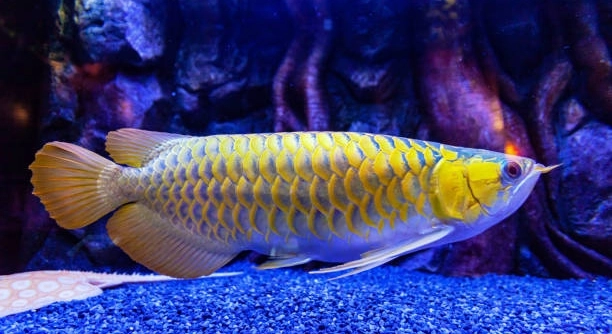
Many fish owners enjoy keeping Arowanas for their beauty and elegance in home aquariums. These large, graceful fish are often seen as peaceful, yet they may respond to changes in their surroundings in subtle ways.
Arowanas can indeed experience stress from human conflict. Stress in these fish often manifests through changes in behavior, reduced appetite, weakened immune response, and abnormal swimming patterns, indicating a direct link between environmental tension and their overall health.
Understanding how human actions affect Arowanas helps improve their care and ensures they thrive in a calm and balanced environment.
Recognizing Stress in Arowanas
Arowanas often show stress through clear behavioral changes. They may hide more than usual, swim erratically, or refuse food. In some cases, their scales appear duller, and they might rub against surfaces in the tank. Stress can also weaken their immune system, making them more vulnerable to infections. Environmental factors, like sudden loud noises, aggressive tank mates, or inconsistent water conditions, can increase tension. Observing these signs early is important because prolonged stress can lead to serious health issues. Providing a stable, calm environment helps them maintain normal behavior and coloration. Regular tank maintenance and monitoring water quality can prevent many stress-related problems. Knowing your fish’s normal behavior allows you to spot deviations quickly, ensuring timely intervention. Adjusting your handling habits and minimizing disturbances also helps reduce stress, fostering a healthier aquarium. Consistency in lighting, temperature, and feeding schedules supports their wellbeing.
Stress signals in Arowanas should never be ignored, as early detection can prevent severe complications.
Keeping Arowanas in a calm environment involves careful planning. Placement of the tank matters—avoid high-traffic areas or rooms with loud noises. Tank size should allow free movement, and hiding spots can reduce anxiety. Maintaining stable water parameters like temperature, pH, and filtration is essential. Feeding routines should be consistent to prevent hunger-related stress. Human interaction should be gentle and predictable, minimizing sudden movements near the tank. Even small disturbances, like tapping the glass or rearranging decor, can trigger stress responses. Observing their daily behavior helps you notice subtle changes that may indicate tension. Some owners use visual barriers to shield fish from constant external activity. Light cycles should mimic natural patterns, avoiding overly bright or abrupt lighting changes. In cases of prolonged stress, consulting a professional or experienced aquarist can provide guidance on corrective measures. With consistent care, Arowanas adapt well and exhibit their full vibrant colors.
How Human Conflict Affects Arowanas
Human conflict around the aquarium can indirectly impact Arowanas. Loud arguments, physical activity near the tank, or frequent disruptions can create a tense environment.
These fish are highly sensitive to vibrations and sudden changes. Repeated exposure to conflict can cause chronic stress, altering swimming behavior and reducing feeding frequency. Over time, stress weakens their immune response, making them more prone to disease. Arowanas may develop nervous habits, like swimming in circles or constantly darting from one corner to another. The stress also affects growth and coloration, as energy is diverted from healthy development to coping with tension. Owners often underestimate how much the surrounding atmosphere affects these fish. Simple interventions, such as moving the tank to a quieter room, creating visual barriers, or reducing loud interactions near the aquarium, can greatly improve their wellbeing. Providing a calm, predictable environment encourages normal behavior and supports long-term health. Consistent monitoring and proactive adjustments ensure the Arowanas remain comfortable and resilient despite human activity.
Preventing Stress in Arowanas
Stress in Arowanas can be minimized through careful tank management. Keeping water quality stable, limiting loud noises, and providing adequate space are key. Avoid sudden changes in lighting or temperature, and ensure a regular feeding routine to maintain their overall wellbeing.
Proper tank setup is essential for reducing stress. Arowanas need enough swimming space and hiding spots to feel secure. Frequent water testing and filtration maintenance help maintain optimal conditions. Avoid placing the tank near doors, televisions, or high-traffic areas. Introducing new tank mates gradually prevents aggression and anxiety. Gentle handling and minimal disturbances around the aquarium further reduce tension, allowing Arowanas to maintain normal behavior. Observing their responses helps identify issues before they become serious.
Even small daily habits make a difference. Consistent feeding schedules, gentle interaction, and careful tank cleaning contribute to calmer fish. Monitoring behavior regularly ensures early detection of stress, keeping Arowanas healthy and vibrant.
Environmental Factors That Increase Stress
Temperature fluctuations and poor water quality are major contributors to stress. Inconsistent pH levels, ammonia spikes, or low oxygen levels can quickly affect health and behavior.
Arowanas are sensitive to their environment, requiring stable conditions to thrive. Sudden changes in temperature, light, or water composition trigger stress responses. Overcrowding or aggressive tank mates can lead to constant tension and erratic swimming. Even small disturbances like tapping the glass or rearranging decor frequently can negatively impact them. Regular monitoring and gradual adjustments are necessary to prevent long-term stress. Understanding each fish’s behavior helps maintain a stable and healthy habitat.
Human activity near the tank also plays a role. Loud noises, shouting, or rapid movements create vibrations and disturbances that stress Arowanas. Strategic tank placement, visual barriers, and minimizing sudden interactions reduce these impacts. Providing a calm and predictable environment, along with proper nutrition and care, ensures Arowanas can remain healthy, display natural behavior, and grow without unnecessary stress. Consistency is key in maintaining their wellbeing and long-term health.
Common Signs of Stress
Arowanas show stress through unusual behaviors. They may swim frantically, hide constantly, or refuse to eat. Changes in scale color or clamped fins are also common signs, indicating that the fish is reacting negatively to its environment.
Other subtle signs include reduced activity or hovering near the surface. These behaviors often signal ongoing tension or discomfort. Monitoring for these patterns helps prevent serious health issues before they develop, keeping Arowanas in better condition.
Impact on Health
Chronic stress weakens an Arowana’s immune system, making it prone to infections and slower recovery from illness. Long-term tension can stunt growth, reduce appetite, and cause fin or scale damage. Stress may also lead to abnormal swimming patterns and behavioral changes that indicate ongoing discomfort. Consistent stress exposure can affect reproduction and lifespan, so maintaining a stable, calm environment is crucial. Observing daily behavior and providing proper care allows early detection of problems, helping the fish recover more easily. Proper nutrition, gentle handling, and stable water conditions all support long-term health, minimizing the risks associated with stress.
Creating a Calm Environment
Reducing noise, vibrations, and sudden activity near the tank helps Arowanas feel secure. Visual barriers and adequate hiding spots also support a stress-free habitat.
FAQ
How can I tell if my Arowana is stressed?
Signs of stress in Arowanas include unusual swimming patterns, hiding for long periods, refusing food, or rubbing against tank surfaces. You may also notice clamped fins, dull scales, or erratic behavior. Monitoring their normal behavior daily makes it easier to spot changes early.
What causes stress in Arowanas?
Stress can arise from poor water quality, sudden temperature changes, loud noises, overcrowding, or aggressive tank mates. Even frequent movement near the tank or abrupt changes in lighting can trigger stress responses. Consistent environmental stability is essential for their wellbeing.
Can human conflict affect my fish?
Yes, Arowanas can sense vibrations and tension from human activity. Loud arguments, abrupt movements near the aquarium, or repeated disturbances can increase stress levels, impacting their behavior, feeding, and overall health.
How can I reduce stress for my Arowana?
Provide a calm environment with stable water parameters, gentle lighting, and consistent feeding schedules. Place the tank away from high-traffic areas and loud activity. Adding hiding spots and visual barriers helps them feel secure. Regular observation ensures any stress signs are addressed promptly.
Does diet influence stress levels?
A balanced diet supports their immune system and reduces vulnerability to stress-related illness. Feeding high-quality food appropriate for Arowanas, in the right amounts, helps maintain energy levels and promotes normal behavior. Avoid overfeeding, which can worsen stress and water quality.
How often should I check water conditions?
Water should be tested weekly for pH, ammonia, nitrite, nitrate, and temperature. Sudden changes can trigger stress and weaken immunity. Using reliable testing kits and maintaining filtration helps ensure a stable, healthy environment.
What are the long-term effects of stress?
Prolonged stress can cause weakened immunity, slower growth, dull coloration, and behavioral changes. It may also increase susceptibility to disease, reduce lifespan, and interfere with reproduction. Early detection and consistent care prevent these consequences.
Can tank setup reduce stress?
Yes, providing adequate space, hiding areas, and proper tank decorations helps Arowanas feel secure. Avoid overcrowding and ensure tank mates are compatible. A well-planned environment reduces tension and supports natural behavior.
How does lighting affect stress?
Bright, sudden, or inconsistent lighting can unsettle Arowanas. Gradual light changes and consistent day-night cycles mimic natural conditions, reducing stress. Overhead lights should not be too intense, and direct sunlight should be avoided to maintain water stability.
Is handling my Arowana stressful?
Frequent or rough handling can increase tension. Minimize interaction and be gentle when necessary, such as during tank maintenance. Using nets carefully and avoiding tapping the glass ensures the fish stays comfortable.
What should I do if stress continues?
If stress persists despite environmental adjustments, consulting an experienced aquarist or veterinarian is recommended. They can assess health, provide treatment if necessary, and offer guidance on modifying the tank or routine to reduce tension effectively.
Can Arowanas recover from stress?
Yes, with consistent care and a calm environment, Arowanas can recover from stress. Stabilizing water parameters, reducing disturbances, and maintaining a proper diet promote normal behavior and overall health, allowing them to regain energy and vibrancy.
How do I know if stress is affecting feeding?
A stressed Arowana may skip meals, eat slowly, or refuse certain foods. Tracking their daily feeding habits helps identify patterns. Adjusting feeding routines and ensuring a calm environment can encourage normal appetite and proper nutrition.
Do hiding spots really help?
Providing caves, plants, or decorative structures gives Arowanas areas to retreat, reducing anxiety. Hiding spots allow them to escape perceived threats, lowering stress and helping maintain natural behavior and physical health.
How can I prevent future stress?
Consistent maintenance, stable water parameters, compatible tank mates, gentle handling, and a predictable environment are key. Observing behavior regularly and making gradual adjustments prevent stress from building up over time.
Are all Arowanas equally sensitive?
Different species and individual fish may vary in sensitivity. Some may tolerate minor disturbances better, while others react strongly. Observing each fish’s responses helps tailor care practices to their specific needs.
Can I use barriers to protect my Arowana from stress?
Yes, opaque dividers, plants, or background screens can reduce visual disturbances. Shielding the tank from excessive movement or light fluctuations supports a calm environment and minimizes stress triggers.
How does tank size affect stress?
Arowanas need ample space to swim freely. Small or overcrowded tanks limit movement and increase tension. Providing sufficient water volume relative to fish size is crucial for physical health and reducing stress-related behaviors.
Is regular observation necessary?
Daily monitoring of behavior, swimming patterns, and feeding helps detect stress early. Quick response to changes can prevent health issues and maintain long-term wellbeing. Observation also allows adjustments to care and environment as needed.
Can stress impact breeding?
Chronic stress can reduce reproductive activity and success. Arowanas may delay spawning, produce fewer eggs, or display altered courtship behavior. Maintaining a calm environment and proper nutrition supports natural breeding processes.
How long does it take for an Arowana to recover from stress?
Recovery time varies based on stress severity, environment, and individual health. Minor stress may resolve in days, while prolonged or severe stress can take weeks. Consistent care and a stable habitat accelerate recovery and restore normal behavior.
Are visual changes a reliable stress indicator?
Yes, dull scales, faded colors, or clamped fins often indicate stress. Combined with behavioral observations, these visual cues provide a clear picture of the fish’s wellbeing and signal when intervention is needed.
Does tank location matter?
Placing the tank in a quiet, low-traffic area reduces disturbances and vibrations. Avoiding direct sunlight, doors, or entertainment areas helps maintain a stable environment and minimizes stress triggers.
Can environmental enrichment reduce stress?
Adding decorations, plants, and hiding spots encourages exploration and natural behavior. Environmental enrichment provides mental stimulation and a sense of security, reducing the likelihood of stress-related issues.
Is it normal for Arowanas to show temporary stress?
Yes, occasional mild stress from temporary disturbances may occur. Quick recovery is expected if the environment stabilizes. Persistent stress, however, requires intervention to prevent health decline.
How do I balance observation without causing stress?
Observe from a distance and avoid tapping or sudden movements. Gentle monitoring ensures you notice changes without introducing additional stressors to the fish.
Are there signs of extreme stress I should watch for?
Extreme stress may appear as constant frantic swimming, loss of appetite, severe scale damage, or unusual lethargy. Immediate attention is required to prevent serious health consequences.
Can stress affect interactions with other fish?
Yes, stressed Arowanas may become more aggressive or withdrawn. Compatibility with tank mates and proper tank setup help minimize tension and maintain peaceful social behavior.
How often should tank maintenance be performed?
Regular cleaning, water changes, and filter checks are essential. Maintaining stable water conditions prevents stress from environmental fluctuations and supports overall health.
Does stress impact lifespan?
Chronic stress can shorten lifespan by increasing susceptibility to disease and weakening physical condition. Reducing stress through proper care helps Arowanas live longer, healthier lives.
Can stress be fully prevented?
While minor, temporary stress may occur, consistent care, stable conditions, and minimal disturbances significantly reduce its frequency and impact, ensuring long-term wellbeing.
What role does water quality play in stress management?
Maintaining clean, stable water with proper pH, ammonia, nitrite, nitrate levels, and temperature is critical. Poor water quality directly causes stress and weakens immunity, so regular monitoring is essential.
How important is routine in reducing stress?
A predictable daily routine for feeding, light cycles, and maintenance reduces anxiety. Consistency allows Arowanas to feel secure and adapt to their environment, minimizing stress triggers.
Does social interaction with humans matter?
Limited, calm interaction can be safe, but sudden movements, tapping, or loud activity near the tank increases stress. Gentle, infrequent interaction supports comfort without causing tension.
Can stress affect physical appearance?
Yes, prolonged stress may dull coloration, damage fins, or cause scale issues. Observing physical changes alongside behavior helps assess overall health and stress levels.
Are some tanks better than others for reducing stress?
Larger tanks with stable water, hiding spots, and minimal disturbances provide a healthier environment. Tank design and placement directly influence stress levels and overall wellbeing.
How do I know if an intervention is working?
Improved behavior, appetite, and coloration indicate reduced stress. Regular observation and monitoring of key indicators show whether environmental adjustments or care changes are effective.
Can stress cause long-term behavioral changes?
Yes, chronic stress may lead to persistent nervousness, aggression, or lethargy. Maintaining a calm, stable environment helps reverse these changes and restores normal behavior over time.
How do I prioritize stress prevention in daily care?
Focus on stable water conditions, proper nutrition, gentle handling, consistent routines, and minimizing disturbances. Observing behavior daily ensures early detection of stress, allowing timely action to maintain health.
Is it normal for Arowanas to recover gradually?
Recovery from stress is often gradual, depending on severity and care quality. Patience and consistent environmental management support full recovery and help maintain long-term health.
Can stress affect feeding behavior long-term?
Prolonged stress can reduce appetite or create picky eating habits. Maintaining calm conditions and consistent feeding routines helps restore normal eating patterns.
Are stress signs reversible?
Yes, most stress signs can be reversed with proper care, stable environment, and consistent monitoring. Early intervention improves the likelihood of full recovery.
How do I maintain a stress-free environment long-term?
Regular maintenance, consistent routines, minimal disturbances, and careful tank setup help prevent stress. Continuous observation ensures early intervention, supporting Arowanas’ long-term health and natural behavior.
Does stress impact growth?
Chronic stress can slow growth due to energy being diverted from development to coping with tension. Proper care, nutrition, and environment promote normal growth and physical health.
How do I choose tank mates to reduce stress?
Select peaceful, compatible species that do not compete aggressively for space or food. Avoid overstocking, which increases tension, and introduce new fish gradually to prevent stress.
Can stress be linked to disease outbreaks?
Yes, stressed Arowanas are more susceptible to infections and parasites. Maintaining a calm, stable environment reduces the risk of disease and supports overall immune health.
Are visual observations enough to monitor stress?
Visual cues, combined with behavior tracking, are effective. Watching swimming patterns, feeding habits, and coloration provides insight into stress levels and overall health.
Does seasonal change affect stress?
Sudden changes in temperature or light during seasons can trigger stress. Adjusting water conditions gradually and maintaining stable lighting helps minimize seasonal impact on Arowanas.
Can multiple stressors compound problems?
Yes, simultaneous poor water quality, loud noise, and aggressive tank mates amplify stress. Addressing all potential stressors simultaneously is crucial for maintaining health and wellbeing.
How quickly should I respond to signs of stress?
Immediate attention is important. Early intervention prevents long-term health effects, reduces tension, and ensures Arowanas recover more effectively.
Are all stress responses behavioral?
No, stress can also appear physically, such as clamped fins, dull scales, or weakened immunity. Observing both behavior and appearance provides a complete picture of wellbeing.
Can stress influence reproduction long-term?
Chronic stress may delay spawning, reduce egg production, and alter courtship behavior. Ensuring calm, stable conditions supports natural reproductive cycles.
How can I make feeding less stressful?
Feed in consistent locations and times, using high-quality food. Avoid sudden movements near the tank during feeding to maintain a calm environment.
Does tank decoration matter for stress reduction?
Yes, decorations provide hiding spaces and visual barriers, allowing Arowanas to feel secure. A well-decorated tank reduces tension and promotes natural behavior.
How does water movement affect stress?
Strong currents or uneven filtration can unsettle Arowanas. Gentle, consistent water flow ensures comfort and minimizes stress.
Can stress affect social behavior?
Yes, stressed Arowanas may become aggressive or withdrawn. Proper tank setup, compatible mates, and calm conditions help maintain healthy social interactions.
How do I track improvements after stress reduction?
Monitor behavior, feeding, swimming patterns, and coloration. Gradual improvement in these areas indicates that interventions are effective and the fish is recovering.
Does the type of tank lid matter?
A secure, quiet lid prevents disturbances and reduces vibrations. This supports a calm environment and prevents stress caused by sudden movements or light fluctuations.
Can stress affect molting or scale regeneration?
Yes, prolonged stress may slow scale regeneration or affect overall health. Proper care, calm conditions, and nutrition help recovery.
How important is gradual change for stress prevention?
Sudden adjustments can trigger stress. Gradual changes in environment, lighting, or tank mates help Arowanas adapt without tension.
Are stress responses reversible with patience?
Yes, with careful observation, stable conditions, and consistent care, most stress responses can be reversed over time, restoring natural behavior and overall health.
Can water temperature fluctuations alone cause stress?
Yes, even small variations outside optimal ranges can trigger stress. Maintaining stable temperatures is critical for Arowana health.
How can I prevent accidental stress during maintenance?
Clean gently, avoid tapping glass, and minimize sudden water changes. Gradual adjustments maintain stability and reduce tension.
Do all Arowanas react the same to stress?
Individual fish differ in sensitivity. Observing each Arowana’s responses allows tailored care to meet specific needs.
Can stress affect immune function long-term?
Chronic stress weakens immunity, increasing disease susceptibility. Stable environment, proper nutrition, and consistent care strengthen resilience and overall health.
Is stress more common in certain tank setups?
Small, overcrowded, or noisy tanks increase stress risk. Proper tank size, layout, and environment are essential for minimizing tension.
Can stress affect energy levels?
Yes, stressed Arowanas may appear lethargic or unusually restless. Maintaining calm conditions and proper nutrition supports normal energy and behavior.
Does observation itself cause stress?
Careful, gentle observation is safe. Avoid tapping or sudden movements to prevent creating additional stress for the fish.
How can I reduce stress during water changes?
Perform changes slowly, maintain water temperature, and avoid rapid movements. Gradual adjustments prevent sudden environmental shocks.
Can stress cause abnormal swimming patterns?
Yes, circling, darting, or erratic movement often indicates tension. Correcting environmental factors reduces these behaviors.
How long should I monitor after a stressful event?
Observe daily for several days to ensure recovery. Behavioral and physical signs indicate whether stress has been resolved.
Can stress affect appetite long-term?
Chronic stress can reduce food intake. Stabilizing the environment and consistent feeding routines help restore normal appetite.
Are visual barriers always necessary?
Not always, but they reduce disturbances from external activity and help sensitive Arowanas feel secure, lowering stress levels.
Can stress affect interaction with tank mates?
Yes, stressed fish may become aggressive or withdrawn. A calm environment and compatible tank mates support peaceful interactions.
How do I balance enrichment with stress prevention?
Provide hiding spots and gentle stimulation without overcrowding. Enrichment encourages natural behavior while maintaining a calm environment.
Does stress influence color intensity?
Yes, prolonged stress may dull coloration. Reducing stress through proper care restores vibrancy and health.
Can stress cause sudden behavioral changes?
Yes, abrupt aggression, lethargy, or hiding often indicates environmental or health-related stress. Prompt observation and adjustment are needed.
How often should I reassess tank conditions?
Weekly testing of water quality and regular observation ensures stability, preventing stress from unnoticed changes.
Are some Arowanas more resilient to stress?
Individual temperament and species differences affect stress tolerance. Observing each fish allows tailored care for better outcomes.
Can stress affect growth rates?
Chronic stress can slow growth. Proper nutrition, calm environment, and minimal disturbances promote healthy development.
How do I prevent stress during new fish introduction?
Acclimate slowly, ensure compatible species, and provide adequate space. Gradual integration reduces tension and supports peaceful adaptation.
Does tank location near windows matter?
Direct sunlight or frequent movement near windows can stress Arowanas. Placing the tank in a quieter area stabilizes conditions.
Can stress trigger disease outbreaks?
Yes, weakened immunity from stress increases susceptibility to infections. Maintaining calm, stable conditions reduces this risk.
Is gradual recovery important?
Yes, recovery should be gradual with consistent care. Sudden changes may reintroduce stress and hinder progress.
How do I know when stress is fully resolved?
Normal swimming, regular feeding, vibrant coloration, and calm behavior indicate successful stress reduction and restored wellbeing.
Can stress affect social hierarchy in tanks?
Stressed Arowanas may behave aggressively or submissively, altering social dynamics. Proper tank management maintains harmony and reduces tension.
Are daily routines crucial for stress prevention?
Consistent feeding, light cycles, and maintenance minimize anxiety and support overall health.
Does tank design influence stress?
Yes, proper layout, adequate space, and visual barriers reduce tension and allow natural behavior.
Can temporary stress have lasting effects?
Short-term stress may resolve quickly if the environment stabilizes, but repeated stress can accumulate, affecting long-term health.
How do I measure progress in reducing stress?
Track behavior, feeding, and physical appearance over time. Improvement in these areas indicates effective stress management.
Is it normal for Arowanas to hide after disturbances?
Yes, occasional hiding is a natural response. Persistent hiding suggests ongoing stress that needs attention.
How do I reduce human-induced stress?
Limit loud activity, tapping, and sudden movements near the tank. Gentle interaction supports comfort without causing tension.
Can stress cause fin damage?
Yes, rubbing, darting, or aggression linked to stress can damage fins. Reducing tension prevents injury and supports recovery.
Are stress-related behavioral changes permanent?
Most are reversible with consistent care and a stable environment. Chronic stress may take longer to resolve, requiring patience.
Does stress impact breeding success?
Yes, prolonged stress may reduce spawning frequency and egg viability. Calm conditions and proper nutrition improve reproductive outcomes.
How can I monitor subtle stress signs?
Watch for minor behavior changes, such as slight hiding, slower swimming, or reduced appetite. Early detection prevents escalation.
Can stress affect color patterns permanently?
Temporary dulling is common, but prolonged stress may lead to lasting changes. Restoring stable care and environment can reverse most effects.
**Do all stress
Final Thoughts
Arowanas are sensitive and intelligent fish that react noticeably to their environment. Stress can affect them physically, mentally, and behaviorally. Observing their normal patterns is key to understanding when something is wrong. Changes like hiding, erratic swimming, reduced appetite, or dull coloration are clear signals that the fish is experiencing tension. Early recognition of these signs allows for corrective measures before the stress leads to more serious health problems. Proper observation does not require constant interaction but rather careful attention to their daily routine and behavior. Knowing what is normal for your Arowana helps you notice deviations quickly, which can prevent long-term issues and improve overall wellbeing.
Creating a calm and stable environment is the most effective way to reduce stress. Factors such as tank size, water quality, lighting, and placement play significant roles in their comfort. Ensuring that the tank is free from sudden disturbances, loud noises, and aggressive tank mates is essential. Consistent feeding schedules and gentle handling also contribute to reducing tension. Even small adjustments, such as adding hiding spots or using visual barriers, can make a noticeable difference in how secure the fish feels. Regular maintenance of the aquarium, including monitoring water parameters like temperature, pH, ammonia, and nitrate levels, prevents sudden changes that can cause stress. Attention to these details helps the Arowana remain healthy, active, and vibrant, while also encouraging natural behaviors.
Long-term care and observation are essential for maintaining the health of Arowanas. Stress is often cumulative, so repeated exposure to tension or poor conditions can lead to chronic problems affecting growth, immunity, and lifespan. By creating a stable, predictable environment and responding quickly to any signs of stress, owners can minimize negative effects. Nutrition also plays an important role; providing high-quality food in the right amounts supports the immune system and promotes energy for normal activity. Even though Arowanas are resilient when cared for properly, consistent effort and attention are necessary. Understanding how human activity, environmental factors, and tank setup influence their stress levels allows owners to provide better care. Overall, reducing stress in Arowanas is not about eliminating all challenges but about creating a consistent, calm environment that supports long-term health and natural behavior. With careful observation and thoughtful management, Arowanas can live full, healthy lives while showing their natural beauty and elegance.

Hello,
If you enjoy the content that we create, please consider saying a "Thank You!" by leaving a tip.
Every little bit helps us continue crafting quality advice that supports the health, happiness, and well-being of pets around the world, for pets of all shapes, sizes, and species.
We really appreciate the kindness and support that you show us!