
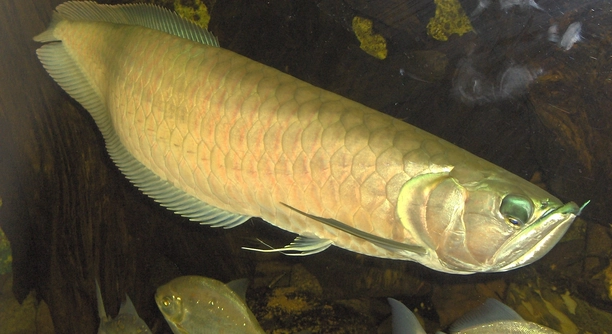
Do you enjoy keeping Arowanas but find your tank sometimes feels too crowded for them? Arowanas are beautiful and active fish that need ample space to thrive, and overcrowding can quietly affect their health and behavior.
Overcrowding an Arowana tank can lead to increased stress, higher aggression, reduced water quality, slower growth, and a weakened immune system. Proper tank management ensures optimal living conditions and supports the long-term health and vitality of the fish.
Managing tank space effectively benefits both the fish and the caretaker. Understanding the consequences of overcrowding will help you create a balanced, healthy environment for your Arowanas.
Increased Stress Levels
Arowanas are naturally territorial fish that need space to move and explore. When a tank is overcrowded, they can become stressed, leading to erratic swimming, hiding, and loss of appetite. Stress weakens their immune system, making them more prone to disease. Observing their behavior can give clues about overcrowding; signs like fin nipping or chasing indicate discomfort. Proper spacing and hiding spots help reduce tension. Even small adjustments in tank setup, like adding dividers or increasing water volume, can make a noticeable difference. Ensuring each fish has enough room also promotes natural behaviors, such as foraging and swimming freely. Overcrowding affects not only health but overall vitality and lifespan. Paying attention to these signals can prevent long-term health problems and create a calmer, more stable tank environment where Arowanas can thrive. Regular observation is key to catching stress early and adjusting tank conditions accordingly.
Stress directly impacts fish immunity and growth, making tank management essential for healthy Arowanas.
Watching your Arowanas adapt to a well-managed space shows how quickly stress decreases. Fish become more active, interact normally, and exhibit natural swimming patterns. Providing the right environment encourages feeding and breeding behaviors while preventing injuries. Adjusting decorations, plants, and territory markers can also help minimize conflict and promote harmony. Maintaining water quality and avoiding sudden changes reduces stress further, giving Arowanas the comfort and security they need to flourish.
Poor Water Quality
Overcrowded tanks often experience faster accumulation of waste, uneaten food, and toxins, which quickly degrade water quality. Ammonia and nitrite levels rise, creating harmful conditions for Arowanas. Poor water quality leads to infections, gill damage, and reduced oxygen availability. Routine water testing and maintenance are critical to prevent these problems. Adequate filtration and regular partial water changes help stabilize the environment. Overcrowding makes it harder to maintain these standards, as higher bioload increases the load on filters. Even if the water looks clear, chemical imbalances can still stress fish and compromise health. Observing water clarity, smell, and fish behavior provides insight into water conditions. Adjustments such as reducing stocking density, using biological filtration, and increasing water flow improve overall health. Maintaining high water quality supports growth, coloration, and immune response, essential for keeping Arowanas active and disease-free.
Proper filtration and partial water changes are essential to keep Arowanas healthy and prevent toxic buildup in the tank.
Overcrowding impacts water quality more than many people realize. Higher fish density leads to increased waste production, which overwhelms even strong filtration systems. Ammonia spikes can occur rapidly, causing lethargy, gill irritation, and increased susceptibility to infections. Nitrites and nitrates accumulate faster, requiring frequent monitoring and water adjustments. Overcrowded tanks also make it difficult to remove uneaten food before it decomposes, further stressing the environment. Installing a quality filter, performing regular water changes, and limiting the number of Arowanas to match tank size are effective solutions. Proper substrate cleaning, aeration, and ensuring the filtration system can handle the bioload are additional preventive measures. By maintaining stable water parameters, Arowanas remain active, feed well, and display vibrant colors. Balanced water conditions are the foundation of a healthy tank, and avoiding overcrowding is the most effective way to achieve this balance.
Increased Aggression
Overcrowded tanks trigger fights as Arowanas compete for territory. Aggression leads to injuries, fin damage, and constant stress, disrupting the social balance in the aquarium.
Aggression in Arowanas intensifies when space is limited. Larger fish may dominate smaller ones, preventing them from feeding properly or resting comfortably. Constant chasing and nipping create a tense environment, reducing overall fish activity. Even minor injuries can become infected in stressful conditions. Behavioral stress from aggression may affect growth and appetite, making fish more vulnerable to disease. Providing sufficient space, hiding spots, and visual barriers minimizes conflict. Observing interactions closely allows timely adjustments, ensuring all Arowanas coexist without continuous fighting. Overcrowding makes it difficult to maintain this balance and can reduce lifespan.
Reducing tank density and providing clear territories is crucial. Arowanas thrive when they can establish personal zones and avoid unnecessary confrontations. Maintaining a calmer environment improves health, feeding, and overall tank harmony.
Stunted Growth
Arowanas in overcrowded tanks often show slower growth due to competition for food and stress. Limited space restricts natural swimming patterns, which are essential for muscle development and overall size.
Stunted growth occurs when fish cannot access enough nutrition or experience chronic stress. Overcrowding forces them to expend energy avoiding others instead of feeding efficiently. Even with adequate food, dominant fish may consume more, leaving others undernourished. Poor water quality further compounds growth issues, as toxins interfere with metabolism. Growth suppression reduces immune response and can affect coloration. Ensuring each fish has ample space to swim, forage, and rest promotes balanced growth. Regularly monitoring size, behavior, and feeding patterns helps detect growth issues early. Adjusting tank stocking levels allows all Arowanas to reach their potential size safely.
Healthy growth relies on a stable environment, proper feeding, and reduced stress. By controlling tank population, each Arowana can grow naturally without setbacks. Adequate room, consistent feeding, and careful observation maintain proper development and overall vitality in the aquarium.
Weakened Immune System
Overcrowding increases stress and exposure to toxins, which can suppress an Arowana’s immune system. Fish become more prone to infections, parasites, and other illnesses that may develop quickly in a confined environment.
A stressed immune system reduces the ability to fight disease. Even minor infections can escalate if the tank is overcrowded. Consistently clean water and adequate space are essential to keep Arowanas healthy and resilient against common illnesses.
Limited Swimming Space
Arowanas need ample room to swim freely, which supports muscle development and overall well-being. Overcrowded tanks restrict movement and prevent fish from exercising naturally.
Swimming restriction can lead to lethargy, poor feeding, and slower growth. Fish confined in tight spaces often become stressed and less active. Ensuring enough open water and avoiding excessive decorations or unnecessary tankmates allows Arowanas to swim comfortably, improving both health and behavior.
Higher Risk of Disease
Overcrowded tanks facilitate the rapid spread of bacteria and parasites. Close proximity allows illnesses to move quickly from one fish to another, increasing the likelihood of outbreaks. Maintaining fewer fish per tank reduces transmission risk and supports long-term health.
How many Arowanas can I keep in a single tank?
The number of Arowanas you can keep depends on tank size and the species. Large Arowanas need more space, ideally 250 gallons or more for a single adult. Overcrowding increases stress, aggression, and disease risk. A general guideline is one adult per 100-150 gallons. Younger fish can share space temporarily but will eventually require larger tanks as they grow. Maintaining proper space ensures healthy growth, natural behavior, and better immunity.
What are the signs my Arowanas are stressed due to overcrowding?
Stressed Arowanas display erratic swimming, frequent hiding, loss of appetite, and aggression toward tankmates. Fin nipping, dull coloration, and lethargy are also common signs. Stress weakens their immune system, making them vulnerable to infections. Monitoring behavior closely helps you catch overcrowding issues early. Addressing stress includes reducing the number of fish, increasing water volume, and adding hiding spaces. Consistent water quality and proper feeding routines further reduce stress and support recovery.
Can overcrowding affect my Arowanas’ growth?
Yes, overcrowding can stunt growth. Limited space and competition for food reduce nutrient intake. Stress and poor water quality compound the problem, slowing metabolism and weakening the immune system. Providing each fish with sufficient room to swim and feed is critical for reaching full size. Observing growth rates regularly helps identify issues early, allowing timely adjustments to tank population or feeding practices.
How does overcrowding impact water quality?
More fish produce more waste, which increases ammonia, nitrite, and nitrate levels. Overcrowding strains filtration systems, making it difficult to maintain stable water parameters. Poor water quality leads to gill irritation, infections, and stress. Frequent water testing, partial water changes, and appropriate filtration capacity are necessary to keep water safe. Lowering tank density helps balance the ecosystem, reducing the risk of toxic buildup and supporting long-term fish health.
What can I do to prevent aggression in Arowanas?
Aggression increases when fish are too close together. Providing ample space, visual barriers, and hiding spots helps reduce conflicts. Arranging the tank so each fish has its own territory minimizes chasing and fin damage. Avoid mixing significantly different sizes, as larger fish often dominate smaller ones. Monitoring interactions allows timely intervention, such as separating aggressive individuals temporarily. Maintaining proper feeding schedules and ensuring food reaches all fish also reduces competition-driven fights.
Is tank size the only factor in preventing overcrowding issues?
No, tank size is important, but stocking strategy, filtration, and decoration placement also matter. Proper layout allows territory establishment and natural swimming patterns. Overcrowding can still occur in large tanks if too many fish are added. Balancing fish numbers with tank volume, hiding spaces, and filtration ensures a healthier environment. Observing fish behavior and adjusting accordingly is just as important as tank dimensions.
How quickly should I act if I notice overcrowding problems?
Immediate action is necessary. Stress and poor water quality escalate quickly in overcrowded tanks. Separating fish, upgrading tank size, or improving filtration can prevent long-term health issues. Early intervention ensures fish recover faster and reduces the risk of disease outbreaks. Regular observation and proactive adjustments are essential for maintaining a healthy, thriving Arowana environment.
Can diet help Arowanas cope with overcrowding?
A balanced, nutrient-rich diet supports immune function and overall health but cannot fully compensate for overcrowding. Proper feeding ensures fish receive enough energy to manage stress and maintain growth. Feeding smaller portions more frequently prevents dominant fish from consuming all the food and allows weaker or smaller fish to eat adequately. While diet is important, reducing tank density remains the most effective solution.
Are there long-term consequences of keeping Arowanas in overcrowded tanks?
Yes, chronic overcrowding leads to stunted growth, persistent stress, recurring illness, and shortened lifespan. Behavioral issues such as aggression or fearfulness can persist even after improving tank conditions. Maintaining proper tank space, consistent water quality, and monitoring fish health are critical to prevent permanent consequences. Proactive management ensures Arowanas remain healthy, active, and visually vibrant throughout their lives.
How do I know when it’s time to upgrade my tank?
Monitor size, behavior, and fish interactions. Signs include frequent chasing, stress indicators, stunted growth, or difficulty maintaining water quality. Juvenile fish will eventually outgrow small tanks. Upgrading before problems arise ensures a smooth transition and minimizes stress. A larger tank allows natural swimming, feeding, and resting patterns, supporting healthier fish.
What steps can I take if upgrading the tank is not immediately possible?
Temporarily reducing the number of fish or dividing the tank with barriers helps relieve pressure. Increasing filtration and performing more frequent water changes also mitigate overcrowding effects. Providing hiding spaces and rearranging decor can reduce stress and aggression. While these measures help short-term, a permanent solution involves increasing tank volume to match fish size and number.
Overcrowding an Arowana tank can seem like a small issue at first, but it has wide-reaching effects on the health and well-being of the fish. Even a few extra fish can create tension, increase waste, and reduce swimming space. Arowanas are active, territorial fish that need room to move, explore, and establish their own space. When they are cramped, stress levels rise, leading to weakened immunity, slower growth, and increased aggression. The visual signs may not always be obvious at first, but subtle changes in behavior, appetite, or swimming patterns often signal discomfort. Paying attention to these signs and taking steps to provide adequate space is essential to keeping Arowanas healthy. Observing them daily allows you to notice even small shifts in their behavior, which can prevent bigger problems before they start.
Providing enough space for Arowanas goes beyond just tank size. Filtration, water quality, and proper feeding routines all play critical roles in maintaining a balanced environment. Overcrowding makes it harder to keep water clean because more fish produce more waste, quickly overwhelming even a strong filter. High levels of ammonia, nitrites, and nitrates can develop faster than expected, causing gill irritation, infections, and stress. Proper water testing and regular partial water changes help maintain safe conditions, but they are not substitutes for enough swimming space. Each fish should have the freedom to swim without being constantly chased or blocked by other tankmates. Creating a stable and spacious environment supports natural behaviors like foraging, resting, and interacting, which directly impacts the health and longevity of the fish.
Taking steps to prevent overcrowding also makes tank maintenance easier and more effective. A lower fish density reduces aggression, minimizes disease risk, and ensures that all Arowanas receive proper nutrition. Observing fish in a well-managed tank often shows calmer, more active individuals with better coloration and growth. Even small adjustments, such as rearranging decor, adding hiding spots, or separating individuals temporarily, can improve overall harmony in the aquarium. Planning ahead and matching tank size to the number of fish is the most reliable way to ensure long-term success. Proper management allows Arowanas to thrive, creating a visually pleasing and healthy aquatic environment. By keeping tank conditions stable, clean, and spacious, you not only protect the fish but also make caring for them a more rewarding and stress-free experience.

Hello,
If you enjoy the content that we create, please consider saying a "Thank You!" by leaving a tip.
Every little bit helps us continue crafting quality advice that supports the health, happiness, and well-being of pets around the world, for pets of all shapes, sizes, and species.
We really appreciate the kindness and support that you show us!