
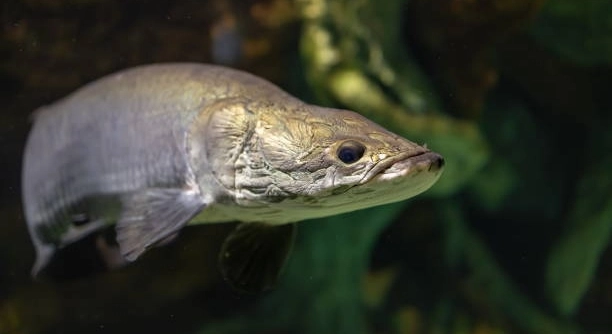
Have you ever noticed your arowana swimming lazily near the surface, ignoring the food you carefully place in the tank? Observing a healthy, active fish suddenly lose interest in meals can feel worrying and confusing for any owner.
Arowanas may refuse food due to stress, illness, poor water quality, or inappropriate diet. Environmental changes, temperature fluctuations, and digestive problems can also affect appetite, making it essential to monitor both the tank and the fish’s behavior closely.
Understanding these factors will help you restore your arowana’s eating habits and maintain its overall well-being in the aquarium. Paying attention to subtle signs can make a big difference over time.
Common Causes of Arowanas Ignoring Food
Many arowana owners notice changes in appetite when their fish experiences stress or illness. Stress can come from moving the tank, new decorations, or other fish in the same aquarium. Illnesses such as bacterial infections, parasites, or swim bladder issues can also make a fish avoid eating. Water quality plays a significant role; high ammonia, nitrite, or nitrate levels can reduce appetite. Temperature fluctuations, low oxygen, and improper pH can create an uncomfortable environment, further discouraging feeding. Additionally, offering the wrong type of food, such as dry pellets that the fish doesn’t recognize or large live prey, can make it uninterested. Even routine changes in feeding schedules or overfeeding in the past can cause temporary refusal of food. Observing behavior, checking water parameters, and adjusting diet can quickly reveal the underlying cause and help restore healthy eating habits.
Stress, illness, water quality issues, and diet mismatches are the primary reasons arowanas avoid eating. Monitoring these factors is essential.
It is important to note that arowanas have specific preferences for food type and feeding style. Some fish prefer live or frozen foods over pellets, while others need food chopped into smaller pieces to manage their appetite properly. Regularly varying the diet with high-protein options like shrimp, fish fillets, or insects can help stimulate interest. Environmental enrichment, such as floating plants or hiding spots, can reduce stress and encourage natural feeding behavior. Consistent water temperature, proper filtration, and frequent monitoring of chemical levels are also crucial to maintain a comfortable habitat. By observing subtle behavioral changes and responding promptly, you can prevent long-term appetite loss. Patience is important because arowanas may take time to adjust to changes in food or environment.
Tips for Encouraging Your Arowana to Eat
Offering small, frequent meals can help reluctant eaters. Keeping a calm environment around the tank encourages feeding.
Maintaining a consistent feeding schedule improves appetite over time. Introduce new foods gradually, such as live or frozen shrimp, small fish pieces, or specially formulated pellets. Remove uneaten food promptly to prevent water contamination, which can further reduce interest. Adjust tank temperature to suit the species’ needs, typically around 75–82°F, ensuring stable conditions without sudden changes. Observing the fish closely can reveal which foods it prefers and any subtle signs of stress or illness. Gentle interaction, such as tapping the tank lightly or moving food slowly toward the fish, can also trigger feeding instincts. Overfeeding should be avoided, as it may lead to disinterest or digestive issues. Combining environmental stability, careful diet selection, and proper feeding habits significantly increases the likelihood that an arowana will return to healthy eating patterns.
Monitoring Water Quality
Regular testing of water is essential for your arowana’s health. Ammonia, nitrite, and nitrate levels must stay within safe limits, and pH should remain stable. Poor water quality directly affects appetite and overall well-being.
Keeping the tank clean and maintaining proper filtration prevents harmful buildup. Frequent partial water changes, typically 20–30% weekly, help maintain stable conditions. Temperature should be monitored closely, as sudden drops or spikes can stress the fish. Observing water clarity and avoiding overfeeding also prevents toxic accumulation. Clean gravel, remove uneaten food, and inspect filters regularly. A well-maintained environment supports not only feeding but long-term health.
Even slight changes in water parameters can signal stress to an arowana, leading to refusal of food. Using reliable test kits and documenting readings helps track trends over time. If levels deviate, immediate corrective action can prevent illness. Combining stable temperature, pH balance, and clean water fosters a comfortable habitat where your fish will be more willing to feed regularly. Maintaining consistency is key to avoiding recurring appetite issues.
Adjusting Diet and Feeding Habits
Gradually introducing new foods can trigger appetite. Mix live, frozen, and prepared options to identify preferences. Avoid overfeeding, as excessive amounts reduce interest.
Offering a variety of protein-rich foods keeps the diet appealing. Start with smaller portions and slowly increase as the fish accepts them. Live foods like shrimp or small fish simulate natural hunting behavior, while frozen alternatives provide convenience. Pellets designed for arowanas ensure balanced nutrition but may require soaking or softening if the fish resists hard textures. Observing the fish during feeding helps determine which foods are most accepted and encourages consistent intake.
Maintaining a predictable feeding schedule trains your arowana to expect meals, reducing stress and improving appetite. Rotate foods to prevent boredom and nutritional gaps. Monitor how quickly the fish consumes each type and remove leftovers promptly to protect water quality. Combining diet variety, portion control, and schedule consistency maximizes the likelihood that your arowana will regain a healthy and enthusiastic feeding routine, reducing the risk of long-term refusal and supporting overall vitality.
Reducing Stress in the Tank
Minimizing sudden movements around the aquarium helps your arowana feel safe. Loud noises, frequent tapping, or overcrowding can stress the fish, leading to food refusal.
Providing hiding spots and maintaining a stable environment reduces anxiety. Even small changes like rearranging decorations or adding new fish can impact appetite.
Observing Behavior for Signs of Illness
Behavioral changes often indicate underlying health issues. Lethargy, unusual swimming patterns, or clamped fins can signal illness. Monitoring closely helps detect problems early. Regular observation allows timely intervention, preventing appetite loss from worsening. Quick action ensures your arowana recovers faster and maintains long-term health.
Encouraging Feeding Through Routine
Consistency in feeding times trains your fish. Feeding at the same times daily creates predictability, reducing stress and improving appetite.
FAQ
Why does my arowana suddenly stop eating?
A sudden loss of appetite can be caused by stress, illness, or changes in water quality. Temperature fluctuations, overcrowding, or new tank mates may also make your fish uncomfortable. Observing behavior and testing water regularly can help identify the issue quickly.
Can water quality really affect feeding habits?
Yes. High ammonia, nitrite, or nitrate levels make the water toxic, leading to stress and appetite loss. Low oxygen or improper pH can also discourage eating. Keeping the tank clean and stable ensures the fish feels safe and willing to feed.
How do I know if my arowana is sick?
Look for lethargy, clamped fins, rapid breathing, or abnormal swimming. Loss of appetite combined with these symptoms often signals illness. Early detection allows faster treatment, preventing more severe health problems.
Is temperature important for feeding?
Absolutely. Arowanas are tropical fish, and sudden temperature drops or inconsistent warmth can make them refuse food. Maintaining a stable temperature, typically 75–82°F, supports digestion and encourages regular feeding.
What type of food should I offer first?
Protein-rich foods like shrimp, small fish pieces, or insects are preferred. Live foods stimulate hunting instincts, while frozen or high-quality pellets provide balanced nutrition. Rotating foods can prevent boredom and encourage consistent eating.
How often should I feed my arowana?
Feed juveniles once or twice daily in small amounts. Adults may require feeding every other day. Overfeeding can reduce interest in food and harm water quality, so portion control is important.
Can stress cause long-term appetite loss?
Yes, chronic stress from overcrowding, poor water conditions, or constant disturbances can lead to prolonged refusal of food. Reducing stressors and maintaining a calm environment helps restore normal feeding behavior.
Should I change the tank setup if my arowana refuses food?
Minor changes like adding hiding spots or rearranging decorations can reduce stress, but sudden large changes may worsen appetite loss. Gradual adjustments while observing behavior are most effective.
Can overfeeding make my arowana stop eating?
Yes. Overfeeding can lead to digestive issues or food being left uneaten, polluting the water. Smaller, controlled meals encourage consistent feeding and prevent water contamination.
When should I consult a veterinarian?
If your arowana continues refusing food for several days, shows signs of illness, or loses weight, professional evaluation is necessary. Early treatment improves recovery and prevents serious health complications.
Is it normal for arowanas to skip meals occasionally?
Occasional skipping can happen, especially after stress or minor changes. However, consistent refusal indicates a problem with health, water quality, or diet that needs attention.
How can I encourage a picky eater?
Try offering different types of protein-rich foods, small portions, and slow introduction. Gently moving food near the fish can stimulate hunting instincts. Consistency and patience are key to getting a picky arowana back on track.
Does tank size impact feeding behavior?
Yes. A small or overcrowded tank can cause stress, reducing appetite. Providing enough space for swimming and avoiding aggressive tank mates helps the fish feel safe and more likely to eat regularly.
Can seasonal changes affect appetite?
Slight changes in temperature or light can affect metabolism, causing temporary appetite reduction. Maintaining stable conditions and monitoring behavior ensures your arowana continues to feed adequately.
What should I do if my arowana refuses pellets?
Soak or soften pellets, offer smaller pieces, or combine with live/frozen foods. Gradually switching types helps the fish accept new textures without rejecting food completely.
How important is observation during feeding?
Very important. Watching how your arowana reacts to food helps identify preferences, potential stressors, or early signs of illness. Prompt action based on observation can prevent long-term appetite issues.
Can live foods always solve appetite problems?
Live foods often stimulate feeding, but they are not a guaranteed solution. Water quality, stress, illness, and tank conditions must also be addressed to restore regular eating habits.
Is fasting ever beneficial for arowanas?
Short fasting periods, especially for adults, can help digestion. However, prolonged fasting without reason is harmful and may indicate a problem with diet, water, or health.
How long can an arowana go without food safely?
Adults may survive a week or slightly longer, but juveniles need daily feeding for proper growth. Any extended refusal should be addressed immediately to prevent health decline.
What are the signs of digestive issues affecting appetite?
Bloating, stringy feces, or visible discomfort can indicate digestive problems. Adjusting diet, feeding smaller portions, and monitoring water quality can help alleviate these issues.
Does lighting affect feeding behavior?
Yes. Bright or fluctuating lights can stress arowanas, while moderate, consistent lighting helps them feel safe to eat. Avoid sudden changes in light during feeding times.
Are tank mates a factor in appetite?
Aggressive or overly active tank mates can intimidate arowanas, causing them to hide and avoid food. Providing enough space and selecting compatible species helps maintain regular feeding habits.
Can supplements improve appetite?
Occasional supplements like vitamins or enriched foods can support health and stimulate interest in eating, but they cannot replace proper diet or clean, stable tank conditions.
How do I track progress if my arowana refuses food?
Maintain a feeding log, note changes in behavior, and track water parameters. Recording observations helps identify patterns and informs adjustments to diet or environment for better appetite recovery.
Is it normal for arowanas to prefer one type of food?
Yes. Individual preferences vary. Offering a variety of protein sources ensures balanced nutrition while catering to the fish’s specific tastes. Consistency helps them remain interested in eating.
How quickly should appetite return after resolving issues?
Appetite may improve within a day or two after addressing stress, illness, or water quality, but full recovery can take longer depending on the severity and duration of the problem. Patience and consistent care are essential.
What role does tank cleaning play in feeding?
A clean tank prevents toxins that suppress appetite. Regular removal of uneaten food, algae, and debris ensures a healthy environment, which encourages the fish to eat consistently.
Can diet variety prevent future feeding problems?
Yes. Rotating live, frozen, and pellet foods keeps meals interesting and nutritionally balanced. Variety helps prevent refusal due to boredom or monotony, supporting long-term appetite and health.
Is it okay to offer human food occasionally?
Human food is not recommended. Ingredients may harm digestion, introduce contaminants, or cause nutritional imbalances. Stick to fish-specific foods to maintain proper health and appetite.
How do I prevent recurring appetite issues?
Maintain water quality, consistent feeding schedules, proper tank conditions, and a varied diet. Regular observation and addressing stress or illness promptly help ensure your arowana continues eating well.
Arowanas are beautiful and fascinating fish, but they can be sensitive when it comes to feeding. Appetite loss is a common issue that many owners face, and it can happen for a variety of reasons. Stress, illness, changes in water quality, and diet all play a role in how willing a fish is to eat. Observing your arowana regularly and understanding its behavior is key to addressing these problems. By keeping track of feeding patterns, water conditions, and any physical changes, you can often identify the cause of food refusal before it becomes a serious issue. Consistency and attention to detail make a significant difference in maintaining a healthy, happy fish.
Maintaining a stable and clean environment is one of the most important steps in preventing appetite loss. Arowanas need proper water parameters, including temperature, pH, and low levels of harmful chemicals such as ammonia, nitrites, and nitrates. Even small fluctuations can cause stress and reduce interest in food. Filtration and regular partial water changes help keep the tank safe and comfortable. The arrangement of the tank also matters; hiding spots or gentle decorations can reduce stress by giving the fish a sense of security. Stress can be subtle, and it may not always be obvious, but it can significantly impact feeding habits. Ensuring the environment is calm and stable encourages the fish to eat regularly and supports overall health.
Diet and feeding habits are equally important in keeping an arowana eating well. Offering a variety of foods, including live, frozen, and high-quality pellets, helps maintain interest and provides balanced nutrition. Introducing new foods gradually and in small portions makes the transition easier for picky eaters. Feeding on a consistent schedule also reduces stress and trains the fish to expect meals, which improves appetite over time. Observation during feeding is essential; it helps you understand preferences and detect early signs of illness or discomfort. Combining careful monitoring, proper diet, and stable tank conditions ensures your arowana stays healthy and motivated to eat. By paying attention to these details and responding promptly to changes, you can prevent long-term feeding problems and maintain the fish’s vitality for years to come.

Hello,
If you enjoy the content that we create, please consider saying a "Thank You!" by leaving a tip.
Every little bit helps us continue crafting quality advice that supports the health, happiness, and well-being of pets around the world, for pets of all shapes, sizes, and species.
We really appreciate the kindness and support that you show us!