
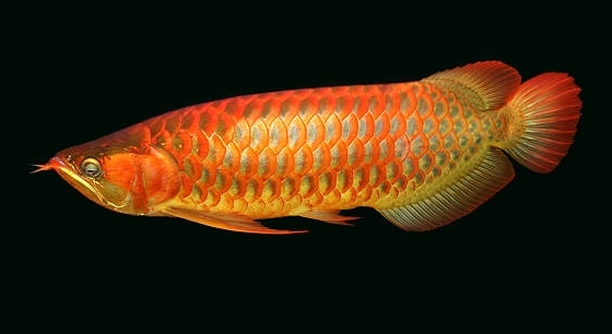
Do you ever find yourself watching your arowana follow movement outside its tank, noticing how alert and engaged it becomes with every passing shape or shadow near its glass enclosure through the quiet living space.
Arowana are perceptive fish that respond to movement, shifting light, and activity outside the tank. These visual cues support their hunting instincts, provide mental stimulation, and help maintain stable behavior in controlled environments by engaging their natural awareness each day.
Understanding what captures your arowanas attention outside the tank adds depth to its care and highlights behaviors that shape comfort.
Movement From Nearby Rooms
Arowana often react strongly to movement in nearby rooms, and this is something I have noticed many times while observing their behavior at home. When someone walks by or shifts something on a table, the fish responds with steady attention that reflects its natural instincts. In the wild, sudden motion often signals prey or a potential threat, so these responses make sense even in a controlled aquarium setting where safety is constant. The fish follows shapes, tracks direction, and sometimes even adjusts its position to get a clearer view. This kind of stimulation helps keep the arowana mentally active and can reduce dull behavior that sometimes appears when a tank is placed in a quiet corner. It benefits the fish when it can observe activity throughout the day, and a space with gentle traffic offers steady enrichment without overwhelming its senses or causing stress in its daily environment at home.
This steady exposure to gentle movement supports a healthier routine for the arowana by preventing long periods of inactivity. It also reinforces awareness, which plays an important role in stable behavior. A balanced environment helps the fish remain alert without feeling overwhelmed by constant stimulation throughout its day at home.
Movement from nearby rooms offers more than simple entertainment for an arowana because it supports its natural desire to observe and evaluate its surroundings. When placed where it can regularly see household activity, the fish gains steady stimulation that encourages healthier engagement and reduces signs of boredom. A tank positioned near light foot traffic allows the arowana to experience variation in motion without sudden shocks or stressful disruptions. This type of placement can be especially helpful for younger fish that rely heavily on visual cues. Consistent exposure to calm movement creates a more balanced atmosphere that supports long term comfort.
Shifting Light Patterns
Shifting light around the tank catches the arowanas attention and activates its natural tendency to track glowing shapes across the surroundings. Soft reflections from windows, lamps, and passing shadows supply gentle stimulation that encourages awareness and helps maintain steady activity levels without placing strain on the fishs environment at home.
Arowana respond strongly to shifting light patterns because these movements resemble the subtle visual cues they would experience in open water. Light changes provide a natural form of stimulation that keeps the fish mentally active and reduces signs of restlessness. When sunlight filters through windows or when indoor lighting shifts as people move about, the arowana follows the changes with steady interest. This behavior supports instinctive tracking abilities that remain important even within an aquarium. Providing access to regular light variation can prevent dull behavior by creating a dynamic setting that changes throughout the day. It is helpful to avoid intense flashes that might startle the fish, so gentle transitions work best for supporting comfort. Reflections from decor, soft shadows cast by passing movement, and gradual changes in brightness all contribute to a healthier routine. These visual elements encourage the arowana to explore its environment more actively and maintain stable energy levels. Over time, exposure to calm light variation can create a more engaging habitat that supports both behavioral stability and long term well being. This steady visual stimulation enriches daily life and allows the fish to feel more secure while observing gentle changes around its tank through each moment.
Reflections on the Glass
Reflections on the glass often capture an arowanas focus because they mimic subtle movement. These shifting shapes can keep the fish engaged during quiet moments, offering soft visual stimulation that supports alert behavior without overwhelming its space or disrupting its routine in the home.
Reflections form naturally when light bounces across furniture, walls, or passing objects, creating soft shapes that drift across the glass. An arowana responds by tracking these patterns with steady attention that aligns with its natural instincts. In the wild, similar motions often signal prey or distant movement, so this reaction remains deeply rooted. When the environment around the tank includes mild lighting changes, these reflective shapes become a predictable source of enrichment. They help prevent periods of inactivity by encouraging the fish to stay visually engaged. The key is maintaining a balance that allows reflection without strong glare.
Moderate reflections encourage an arowana to move with purpose by giving it something subtle to follow throughout the day. This visual activity contributes to a more stimulating environment and supports the fishs overall comfort. When reflections are soft and scattered, they add gentle variation that keeps the arowana aware of its surroundings. The fish observes these movements as part of its daily viewing space and develops a sense of familiarity with its environment. This gentle visual enrichment helps reduce boredom and can complement other natural cues that appear around the tank.
Activity Near Windows
Activity near windows provides steady visual stimulation that keeps an arowana attentive during brighter parts of the day. Passing shadows, soft motion, and shifting brightness offer varied cues that encourage alertness. These mild changes create a comfortable viewing area without overwhelming the fish with rapid or intense activity.
Window activity helps maintain awareness by adding variety to the arowanas environment. Birds passing by, leaves shifting in the wind, and people moving outside all contribute to gentle stimulation that supports balanced behavior. The fish follows these motions with relaxed focus, which helps reduce signs of dullness. A window-facing tank should still avoid direct sunlight to prevent stress or excessive heat. Proper placement ensures the fish receives steady but controlled exposure to outdoor movement. This thoughtful setup enhances daily enrichment and creates a stable environment that encourages healthy engagement with surrounding activity.
Footsteps and Soft Vibrations
Footsteps and soft vibrations can draw an arowanas attention as they move through the water and create subtle signals the fish easily detects. These gentle cues help maintain awareness and prevent long periods of inactivity in tanks placed near regular household movement.
Calm vibrations that travel through floors or furniture offer steady stimulation without causing stress. An arowana responds by remaining alert, tracking movement nearby, and adjusting its posture. These soft signals help create a balanced atmosphere that supports steady engagement and keeps the fish attentive throughout the day in a comfortable way.
Passing Pets
Passing pets often catch an arowanas eye as they move across the room with natural rhythm and shifting shapes. This activity offers consistent stimulation that keeps the fish aware of its surroundings, supporting healthier engagement and reducing dull behavior in environments with moderate, predictable motion around the tank.
Gentle Shadow Movement
Gentle shadow movement from household activity can keep an arowana visually engaged by providing soft cues throughout the day. These shifting silhouettes encourage natural tracking behavior, helping the fish stay active and aware without overwhelming its environment or creating unnecessary stress in its daily routine.
What types of movement do arowana notice most outside the tank?
Arowana are highly visual fish and respond strongly to steady, predictable movement. They notice people walking near the tank, shifting furniture, and other household activity that creates motion. These movements mimic natural cues they would follow in the wild, helping the fish stay alert. Sudden or rapid movement may startle them, so consistent, gentle motion is ideal. Even small gestures, like hand movements near the glass, can capture attention. The fish tracks the motion slowly, often moving its body to follow the path. Observing these behaviors over time can help you understand which patterns stimulate your arowana without causing stress or agitation.
Do light changes affect arowana behavior?
Yes, shifting light patterns have a strong impact. Gradual changes from sunlight, passing clouds, or indoor lighting provide visual cues that encourage natural tracking behavior. Arowana notice subtle reflections and shadows that move across their environment. Soft transitions are stimulating, while intense flashes or direct sunlight can create stress. Gentle light variation mimics outdoor conditions in shallow water, keeping the fish mentally engaged. Over time, exposure to calm shifts in brightness can support alertness and promote normal activity levels. Placing a tank where light changes gradually during the day can help maintain a healthy routine without over-stimulating the fish.
Why do arowana follow reflections on the tank glass?
Reflections on the glass appear as moving shapes, which an arowana interprets as activity in its environment. These reflections are often caused by light bouncing off walls, furniture, or nearby objects. The fish follows these subtle shapes, maintaining engagement even during quiet periods. Reflection tracking is a natural instinct that simulates hunting or exploring behavior in open water. Too much glare, however, can stress the fish, so controlling the intensity is important. Reflections can also complement other visual stimuli, like passing pets or room activity, creating a balanced and dynamic environment.
Do vibrations and sounds outside the tank matter?
Mild vibrations and household sounds are noticed by arowana because they detect movement through their lateral line system. Soft footfalls or vibrations traveling through floors and furniture alert the fish without causing distress. Sudden, loud noises can startle them, so calm and predictable cues are better. Regular, gentle vibrations mimic natural stimuli in water, such as currents or nearby movement of other animals. These signals help maintain engagement, encourage alert behavior, and prevent the fish from becoming inactive.
How do passing pets influence an arowana?
Pets moving near the tank provide consistent stimulation that attracts an arowana’s attention. Cats, dogs, or other small animals crossing the room create shapes and motions similar to potential prey in the wild. The fish observes and tracks them carefully, supporting mental engagement and alertness. Placement matters—pets should not have constant access to the tank to avoid stress. Controlled exposure provides enough variation in visual stimuli while keeping the environment safe and predictable.
Can household activity replace enrichment items in the tank?
Household movement alone does not replace enrichment items but complements them. Toys, floating objects, and plants provide variety inside the tank, while outside stimuli maintain alertness and prevent boredom. Combining both ensures the arowana experiences visual and environmental engagement. Observing the fish’s response to external cues can help decide when enrichment items are necessary. The combination of inside and outside stimuli promotes balanced behavior and a healthier daily routine.
How can I arrange my home to stimulate my arowana safely?
Position the tank where it can see moderate activity without direct sunlight or strong glare. Avoid areas with loud noises or sudden movement that may stress the fish. Allow soft light variation, gentle reflections, and predictable household traffic. Ensure pets and people move calmly around the tank to encourage natural tracking behavior. Combining these factors creates a stimulating yet secure environment. Observation over time helps refine placement for the fish’s comfort.
Is it normal for arowana to watch everything outside the tank?
Yes, this is natural. Arowana are highly alert and curious about their surroundings. Watching movement, shadows, and reflections is instinctive behavior that mimics hunting and environmental awareness. As long as the fish shows no signs of stress, this attentiveness is healthy. Regular observation helps you notice subtle changes in behavior and provides insight into what engages your fish the most.
Can too much external stimulation harm my arowana?
Excessive activity, loud noises, or harsh light can cause stress, leading to erratic swimming or hiding. Balanced exposure to gentle movement, soft light changes, and predictable household activity is key. Monitoring your arowana’s reactions allows you to adjust the environment to maintain comfort and promote natural behavior patterns.
How do I know if my arowana is engaged or stressed by outside activity?
Engaged arowana track movement calmly, swim steadily, and interact with reflections or light without panicking. Stressed fish may hide, dart, or remain motionless. Regular observation helps differentiate normal attentiveness from distress. Adjusting light, vibration, and movement intensity ensures the environment remains supportive and promotes well-being.
This FAQ provides insight into how an arowana interacts with its surroundings, offering guidance on creating a stimulating yet safe home environment.
Arowana are fascinating fish that respond strongly to their surroundings, even outside the tank. Observing their reactions to movement, light, reflections, and gentle vibrations reveals how alert and aware they are. These fish are naturally perceptive, tracking shapes, shadows, and changes in brightness with focused attention. In a home environment, this behavior continues, showing that an arowana’s instincts remain active even in a controlled space. Simple things like household activity, pets passing by, or light filtering through windows can provide meaningful stimulation. When placed in areas with moderate movement and gradual light changes, arowana display steady engagement that mirrors their natural behavior in the wild. Recognizing these patterns helps in understanding the fish’s needs and creating a more suitable environment.
It is important to remember that arowana thrive when stimulation is balanced and predictable. Sudden movements, loud noises, or intense light can cause stress, so observing the fish closely is necessary. Gentle reflections on the tank glass, soft vibrations from footsteps, and steady movement around the room contribute to mental enrichment without overwhelming them. Incorporating both external and internal forms of stimulation, like tank decorations, floating objects, or plants, ensures that the fish has enough variety to remain active. The combination of inside and outside engagement supports natural tracking behavior, helps reduce periods of inactivity, and promotes overall well-being. Over time, attentive observation allows you to fine-tune the tank’s placement and surroundings to suit your arowana’s comfort. Even small changes in light, movement, or reflections can make a noticeable difference in how alert and engaged the fish remains.
Maintaining a healthy and stimulating environment for arowana is not complicated, but it requires consistency and attention to their responses. Watching how the fish reacts to different cues provides insight into its preferences and stress levels. Arranging the tank in a location with moderate household activity, ensuring soft light variation, and providing gentle reflections helps create a natural and comfortable setting. Daily observation of the fish’s behavior allows you to recognize signs of engagement versus stress, so adjustments can be made as needed. By understanding the arowana’s visual and environmental needs, it is possible to support mental and physical health while fostering natural instincts. A thoughtful setup that combines predictable external cues and varied internal enrichment leads to a more satisfying and stable environment. In the end, providing an arowana with steady stimulation from both inside and outside the tank ensures it remains alert, comfortable, and enriched, making the fish a lively and fascinating presence in the home.

Hello,
If you enjoy the content that we create, please consider saying a "Thank You!" by leaving a tip.
Every little bit helps us continue crafting quality advice that supports the health, happiness, and well-being of pets around the world, for pets of all shapes, sizes, and species.
We really appreciate the kindness and support that you show us!