7 Things You Didn’t Know About Yellow-Bellied Slider Hibernation
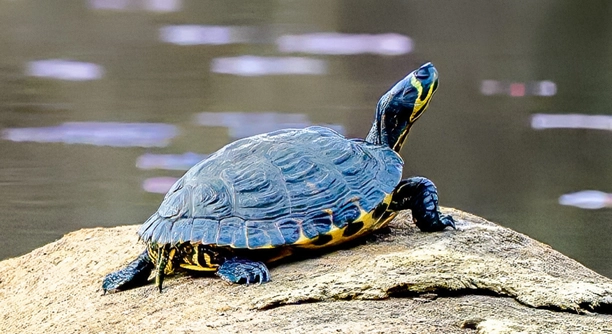
Many turtle species undergo hibernation during colder months. The yellow-bellied slider, a popular pet, is no exception. Understanding their hibernation process can help ensure their well-being and improve your care techniques throughout the year. Yellow-bellied sliders typically enter a form of brumation, a hibernation-like state during colder months. During this time, their metabolism slows, and … Read more
How to Handle Yellow-Bellied Sliders During Tank Cleanups (7 Guidelines)

Yellow-bellied sliders are wonderful pets, but maintaining their tank can be tricky. Knowing how to handle them during tank cleanups is essential for their safety and well-being. Keep reading to learn the best practices for a smooth cleanup process. To safely clean a yellow-bellied slider’s tank, it’s crucial to follow proper steps. First, gently move … Read more

7 Ways to Keep Your Yellow-Bellied Slider’s Tank Clean

A clean tank is essential for your yellow-bellied slider’s well-being. With the right care, maintaining a fresh environment for your pet can be simple and rewarding. Here are some tips to help keep their tank in top shape. Keeping your yellow-bellied slider’s tank clean requires a combination of regular maintenance, appropriate equipment, and mindful care. … Read more

How to Spot and Treat Yellow-Bellied Slider Eye Infections (7 Symptoms)

Yellow-bellied sliders are popular pets, but like all reptiles, they can face health issues. One common concern is eye infections, which can affect their overall well-being. Identifying symptoms early can help you provide the care they need. Yellow-bellied slider eye infections often appear as swelling, discharge, or cloudiness in the eyes. If untreated, these infections … Read more

7 Essential Tank Temperature Guidelines for Yellow-Bellied Sliders

Yellow-bellied sliders are fascinating creatures, and keeping them healthy in captivity requires understanding their habitat needs. One of the most important factors is maintaining proper tank temperatures. This article will guide you on how to ensure their well-being. Yellow-bellied sliders require specific temperature ranges to thrive. A basking spot should be between 85°F and 90°F, … Read more

How to Make Sure Your Yellow-Bellied Slider Gets Enough Calcium (7 Tips)

Calcium is essential for the health of your yellow-bellied slider. Ensuring your pet gets enough of it is key to its well-being. This article will help you understand how to keep your turtle strong and healthy. To make sure your yellow-bellied slider gets enough calcium, focus on providing a proper diet with calcium-rich foods and … Read more

7 Ways to Encourage Yellow-Bellied Sliders to Eat More

Yellow-bellied sliders can be picky eaters at times, leaving their owners concerned about their health. If you’re struggling to get your turtle to eat more, you’re not alone. Here are some simple steps to encourage healthy eating habits. To encourage yellow-bellied sliders to eat more, it’s essential to provide a varied diet, adjust feeding times, … Read more

Why Does My Yellow-Bellied Slider Have a Soft Shell? (7 Reasons)

Yellow-bellied sliders are popular pets, but sometimes owners notice their turtles have a soft shell. This can be concerning, and understanding the reasons behind it is key to ensuring their health and well-being. A soft shell in yellow-bellied sliders can be caused by various factors, including improper diet, lack of UVB light, poor water quality, … Read more

7 Common Mistakes When Caring for Yellow-Bellied Sliders

Yellow-bellied sliders are a popular choice for pet owners, admired for their lively personalities and fascinating behaviors. However, providing the right care for them can be tricky, especially if you’re new to turtle care. The most common mistakes in caring for yellow-bellied sliders include improper habitat setup, overfeeding, neglecting their need for UV light, inadequate … Read more

How to Stop Your Yellow-Bellied Slider from Biting (7 Solutions)

Yellow-Bellied Sliders can sometimes show aggression, particularly through biting. Understanding why this happens and how to address it can ensure a safer environment for both you and your pet. To stop your Yellow-Bellied Slider from biting, it is crucial to address its environmental stressors, handling practices, and health issues. Gradual training, creating a comfortable habitat, … Read more