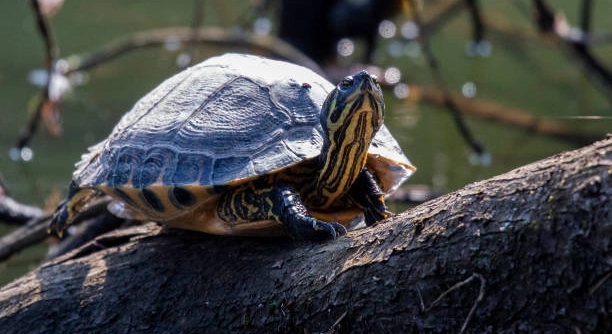
7 Ways to Help Yellow-Bellied Sliders Adjust to a New Environment
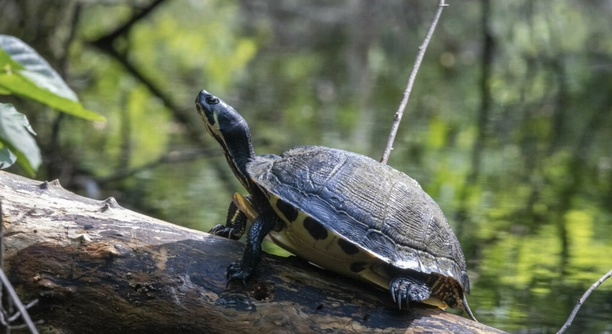
Yellow-bellied sliders are often sensitive to changes in their environment. Moving to a new space can cause them stress, making it harder for them to adjust. Understanding how to help them settle can make a significant difference in their well-being. Helping yellow-bellied sliders adjust to a new environment involves creating a calm space, maintaining consistent … Read more
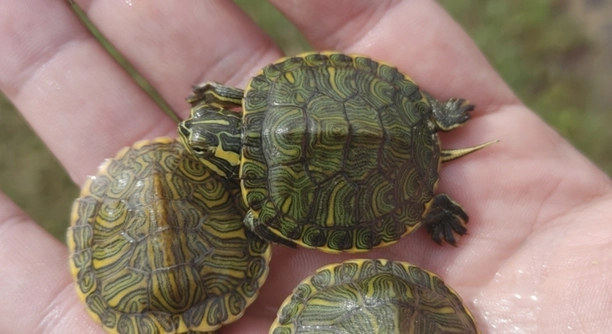
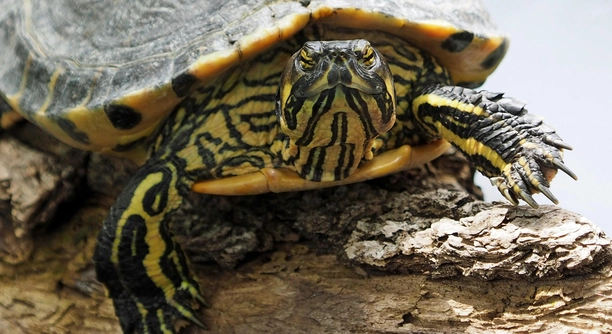
How to Prevent Yellow-Bellied Slider Shell Rot (7 Steps)

Yellow-bellied sliders are popular pet turtles, known for their vibrant appearance. However, shell rot is a common concern that can affect their health. Understanding how to prevent it ensures their well-being and longevity. The prevention of shell rot in yellow-bellied sliders involves maintaining a clean and dry habitat, providing proper UV lighting, and ensuring a … Read more

7 Things to Do When Your Yellow-Bellied Slider Is Overweight

Yellow-bellied sliders are a popular pet, but like any animal, they can face health challenges. Overweight turtles are more prone to issues, so it’s important to monitor their diet and lifestyle closely. This article will offer practical tips for managing your turtle’s weight. The most effective way to address an overweight yellow-bellied slider is by … Read more

How to Build a Yellow-Bellied Slider Pond (7 Tips)

Building a pond for your yellow-bellied slider is an exciting way to provide a comfortable and natural environment for your pet. Creating the right habitat can improve their quality of life and make them feel at home. To build a yellow-bellied slider pond, focus on proper water depth, basking areas, filtration, and plant life. Ensure … Read more

7 Key Signs Your Yellow-Bellied Slider Is Sick

Yellow-bellied sliders are delightful reptiles that require attention and care. Like any pet, they can get sick, and it’s essential to recognize the signs early. This article will help you identify key signs of illness in your turtle. If your yellow-bellied slider is sick, they may display changes in behavior, appetite, and appearance. Common symptoms … Read more

7 Best Tankmates for Yellow-Bellied Sliders

Yellow-Bellied Sliders are popular pets among turtle lovers due to their active and engaging nature. When choosing companions for them, it’s important to consider tankmates that will thrive alongside these turtles in harmony. The best tankmates for Yellow-Bellied Sliders are peaceful species that won’t disrupt the turtle’s space or food. Fish like goldfish, catfish, or … Read more

How to Make Sure Your Yellow-Bellied Slider Gets Enough Vitamin D (7 Tips)

Are you concerned about your yellow-bellied slider’s health and nutrition?Vitamin D is essential for the well-being of your yellow-bellied slider, as it helps with calcium absorption, supporting healthy bones and shell development. Without enough Vitamin D, your turtle can develop serious health problems. The best way to ensure your yellow-bellied slider gets enough Vitamin D … Read more

7 Ways to Reduce Yellow-Bellied Slider Tank Aggression

Aggression in yellow-bellied sliders is a common issue that many turtle owners face. If your tank seems a bit more chaotic than peaceful, you may need to adjust some factors that influence their behavior. To reduce aggression in yellow-bellied sliders, provide ample space, separate territories, and offer hiding spots. Also, regulate water temperature and maintain … Read more

Why Is My Yellow-Bellied Slider So Active at Night? (7 Reasons)

Do you have a yellow-bellied slider that becomes more active as the sun sets? It might leave you wondering why it’s so lively at night. Many owners notice this behavior, and it can seem a bit puzzling. Yellow-bellied sliders, like other turtles, are primarily crepuscular or nocturnal creatures. Their increased nighttime activity can be linked … Read more