
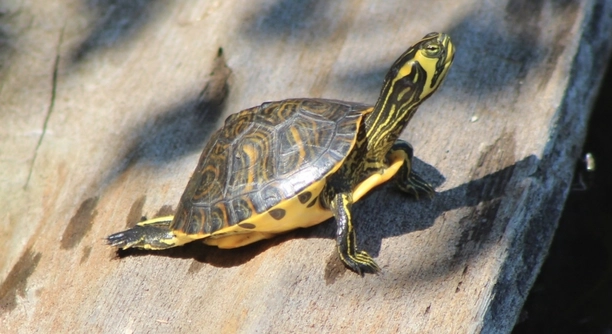
Yellow-bellied sliders are a popular choice for pet owners, admired for their lively personalities and fascinating behaviors. However, providing the right care for them can be tricky, especially if you’re new to turtle care.
The most common mistakes in caring for yellow-bellied sliders include improper habitat setup, overfeeding, neglecting their need for UV light, inadequate water filtration, and poor handling. These factors can lead to health issues and stress in your pet turtle.
These common mistakes are easily avoidable with the right knowledge. Understanding the essentials of yellow-bellied slider care will help ensure your pet thrives for years to come.
Mistake 1: Improper Habitat Setup
One of the most important factors in caring for yellow-bellied sliders is their habitat. These turtles require both a water area for swimming and a dry basking spot to help regulate their body temperature. Many owners make the mistake of providing a tank that’s either too small or lacks both essential areas. A tank that’s too small can limit the turtle’s movement and growth, while an improperly designed tank may not allow them to bask effectively. Their tank should be at least 40 gallons for one turtle, with a water area deep enough for them to swim comfortably.
When setting up their environment, be sure to include a UVB light source, as yellow-bellied sliders need it to process calcium and prevent shell deformities. They also need clean water. Invest in a strong filtration system to keep the water clear of waste.
Proper tank setup is crucial for a healthy turtle. Neglecting this aspect can lead to stress and various health issues. Always prioritize space, cleanliness, and temperature when creating their home.
Mistake 2: Overfeeding
Overfeeding is a common mistake made by owners who are unsure of how much to feed their yellow-bellied slider.
Yellow-bellied sliders are omnivores, but it’s easy to overfeed them, especially when offering high-protein foods. A balanced diet of vegetables, pellets, and occasional protein sources like fish is ideal. Overfeeding can lead to obesity, which can cause serious health problems, such as shell deformation or organ issues.
They should be fed according to their age and size. Juveniles tend to eat more frequently than adults, but be sure to follow a feeding schedule and avoid giving excess food. Keep in mind that some food items, such as live prey, should only be offered sparingly. A proper feeding routine ensures your turtle stays healthy and happy.
Mistake 3: Not Providing UVB Light
UVB light is essential for yellow-bellied sliders to metabolize calcium properly. Without it, they may develop shell deformities, weakened bones, and other serious health problems.
UVB light should be provided for 10-12 hours a day to mimic their natural daylight cycle. The bulb should be placed close enough to the basking area, usually within 12 inches, but check the manufacturer’s guidelines. Turtles will instinctively bask under this light, so make sure it’s the correct type and intensity.
UVB light also helps prevent metabolic bone disease, which can be fatal if left untreated. A lack of UVB can make your turtle weak and vulnerable to infections. It’s crucial to invest in a good-quality UVB light and replace it regularly, as the effectiveness of these bulbs diminishes over time, even if the light still appears to be functioning.
Mistake 4: Poor Water Filtration
Water quality is crucial for your turtle’s health. If the water is dirty, your yellow-bellied slider is at risk of infections and other illnesses. Many owners don’t realize how quickly the tank water can become polluted.
A good filtration system is a must for keeping the water clean. Choose a filter that’s rated for a tank size larger than the one you’re using. This ensures it can handle the waste produced by your turtle. Ideally, the filter should clean the water at least 3-4 times per hour to prevent debris buildup.
Check the water quality regularly and change the water when it starts to look murky. Be mindful that turtle waste can pollute the water quickly, so regular maintenance is necessary. Healthy, clean water ensures your turtle’s well-being and reduces the risk of waterborne diseases. Proper filtration makes a huge difference in their quality of life.
Mistake 5: Inadequate Temperature Control
Yellow-bellied sliders require specific temperatures to stay healthy. A common mistake is not maintaining the right water and basking temperatures.
Water should be kept between 75-80°F (24-27°C), while the basking area should be around 90°F (32°C). If the temperatures fluctuate too much, it can cause stress and health issues.
Without proper temperature regulation, your turtle may become lethargic, lose appetite, or develop skin infections. It’s essential to use a reliable water heater and thermometer to keep track of the temperature. Additionally, a heat lamp or ceramic heater can be used to maintain the basking spot’s warmth.
Mistake 6: Improper Handling
Handling your turtle too much can cause stress and even injury.
Turtles are not meant to be handled frequently. Excessive handling can lead to anxiety, making them more prone to health problems. Instead, let your turtle come to you on its own terms.
Turtles have sensitive shells and can be easily stressed by rough handling. If you need to move your turtle, always support its body properly. Place it gently in its tank, and avoid picking it up too often. Keep interactions calm to maintain their well-being and prevent unnecessary stress.
FAQ
How often should I feed my yellow-bellied slider?
Yellow-bellied sliders should be fed 2-3 times a week, depending on their age. Juveniles require more frequent feedings, while adults can be fed less often. Each feeding should consist of a balanced diet, including leafy greens, fruits, and protein sources like worms or small fish. Monitor your turtle’s weight and adjust the amount of food accordingly to avoid overfeeding.
Can yellow-bellied sliders live alone?
Yes, yellow-bellied sliders can live alone. While they are social in the wild, they can do well in a single-turtle setup. However, if you have multiple turtles, it’s important to provide enough space for each one to avoid territorial issues. In a tank with multiple sliders, ensure there are separate basking spots and plenty of room for swimming.
What kind of lighting do yellow-bellied sliders need?
Yellow-bellied sliders require both UVA and UVB light. UVB light helps them process calcium and prevents shell deformities, while UVA provides the light they need for proper basking behavior. Ensure the UVB light is placed close to the basking area, usually within 12 inches, and is replaced every 6-12 months, as the light intensity diminishes over time. UVA bulbs help maintain a natural day-night cycle, so your turtle stays active and healthy.
How do I clean my yellow-bellied slider’s tank?
Cleaning your turtle’s tank should be done regularly to maintain a healthy environment. Change the water at least once a week, and more often if it becomes dirty. Use a reliable filtration system to help keep the water clean between changes. Scrub the tank walls and any accessories using a turtle-safe cleaner or a vinegar solution. If you have gravel or substrate, rinse it thoroughly and replace it as needed.
What should I do if my turtle isn’t eating?
If your yellow-bellied slider isn’t eating, it could be due to stress, incorrect water temperatures, or illness. Check the water temperature and basking area to ensure they’re within the proper range. A sudden change in their environment, such as moving to a new tank, can also cause stress. If the issue persists for more than a few days, consult a vet to rule out health problems.
How do I know if my yellow-bellied slider is sick?
Signs of illness in yellow-bellied sliders include lethargy, loss of appetite, swollen or discolored eyes, shell deformities, and unusual behavior. If your turtle is spending too much time underwater or refusing to bask, it may be a sign of a respiratory issue. Any of these symptoms should be addressed by a veterinarian who specializes in reptiles.
Do yellow-bellied sliders need a basking area?
Yes, a basking area is essential for yellow-bellied sliders. They need a dry spot to climb onto so they can warm up under a heat lamp, which helps with digestion and overall health. Make sure the basking area is elevated, and the temperature is around 90°F (32°C) to ensure they can fully dry off and maintain their body heat. A proper basking setup helps them regulate their temperature and provides a much-needed break from the water.
Can yellow-bellied sliders live in outdoor ponds?
Yes, yellow-bellied sliders can live in outdoor ponds as long as the pond has a few important features. The water should be deep enough for the turtle to swim, and there should be a secure area for basking in the sun. The pond should also be free from pollutants and predators. During the colder months, bring your turtle indoors if the temperature drops below 50°F (10°C), as they are not able to tolerate freezing temperatures.
How can I prevent my turtle from getting shell rot?
Shell rot is often caused by poor water quality, improper tank conditions, or injury. To prevent shell rot, ensure that your turtle’s tank has clean water, proper filtration, and the correct temperature. Regularly inspect your turtle’s shell for any signs of damage or infection. If you notice any soft spots, discoloration, or foul odor, take your turtle to a vet immediately.
Is it safe to let my yellow-bellied slider roam outside the tank?
It’s generally safe to let your yellow-bellied slider roam outside the tank for short periods, but only under supervision. Ensure the area is safe and free of hazards. Be mindful of their natural instincts to explore, so keep an eye on them to prevent escape or injury. Never leave your turtle unattended, as they may get into trouble or ingest harmful substances. Always return them to their tank afterward for proper care.
Final Thoughts
Caring for yellow-bellied sliders requires attention to detail and understanding of their specific needs. These turtles are relatively low-maintenance compared to other pets, but they do need the right environment to thrive. Their tank must be spacious enough for swimming, with a basking area for them to dry off and warm up. A proper temperature range, clean water, and UVB lighting are essential to keep them healthy. By ensuring these basic needs are met, you will be giving your turtle the best chance for a long and happy life.
Feeding yellow-bellied sliders properly is also key. Their diet should consist of a mix of leafy greens, vegetables, and occasional protein like insects or small fish. It’s important not to overfeed, as obesity can lead to health problems. Feeding schedules should be based on their age and size, with juveniles requiring more frequent meals than adults. By maintaining a balanced diet, you can avoid common issues such as shell deformities or digestive problems.
Lastly, remember that yellow-bellied sliders, while hardy, can still become stressed or sick if their care is neglected. Regularly cleaning their tank, monitoring water quality, and providing appropriate lighting are all necessary tasks. If your turtle shows signs of illness, don’t hesitate to consult a vet. With the right care, yellow-bellied sliders can live for many years and continue to bring joy with their unique behavior and fascinating presence. Keep learning and adapting their care routine as they grow, and you’ll ensure that your turtle enjoys a healthy and fulfilling life.

Hello,
If you enjoy the content that we create, please consider saying a "Thank You!" by leaving a tip.
Every little bit helps us continue crafting quality advice that supports the health, happiness, and well-being of pets around the world, for pets of all shapes, sizes, and species.
We really appreciate the kindness and support that you show us!