
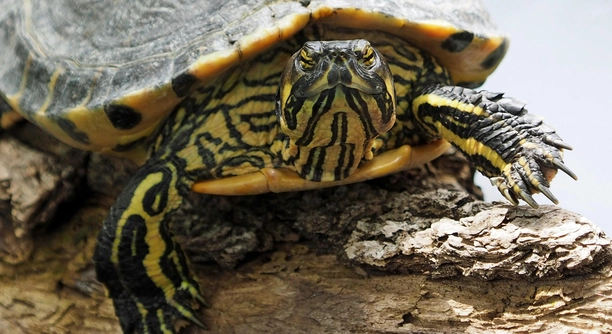
Yellow-bellied sliders are popular pets, but sometimes owners notice their turtles have a soft shell. This can be concerning, and understanding the reasons behind it is key to ensuring their health and well-being.
A soft shell in yellow-bellied sliders can be caused by various factors, including improper diet, lack of UVB light, poor water quality, or even an underlying health issue. Correcting these issues often leads to improvement.
There are several reasons your turtle’s shell might be soft, but identifying the problem early can help improve its condition. We will explore these causes and offer solutions to help your turtle thrive.
Lack of Proper Diet
A poor diet is one of the most common reasons for a soft shell in yellow-bellied sliders. These turtles need a balanced diet of high-quality pellets, leafy greens, and occasional protein sources like insects or fish. Without enough calcium and other essential nutrients, the shell may not develop properly, leading to weakness and softness. Calcium deficiency, in particular, is a major factor. If your turtle isn’t getting enough calcium from its food or supplements, its shell will lack the necessary strength.
It’s important to ensure your turtle is eating a variety of foods that support bone health. An unbalanced diet can lead to long-term health problems, affecting not only the shell but also overall vitality.
To correct the issue, try incorporating calcium-rich foods, like dark leafy greens (collard greens, kale), and offering a calcium supplement. Avoid feeding too many high-phosphorus foods like lettuce or fruit. Make sure the food provided is diverse and addresses all nutritional needs for your turtle’s overall health.
Lack of UVB Light
A lack of UVB light can also contribute to shell issues. Yellow-bellied sliders need UVB lighting to help them process calcium properly. Without adequate UVB exposure, your turtle may suffer from metabolic bone disease, which leads to soft shells. UVB rays allow turtles to synthesize vitamin D3, which is crucial for absorbing calcium from their diet.
Inadequate lighting, especially if the turtle is kept indoors without a proper UVB light source, will cause calcium absorption problems. Make sure your turtle’s habitat includes a UVB light that is the right intensity and placed correctly. This is essential for their shell and overall health.
Poor Water Quality
Dirty or improper water quality can harm your yellow-bellied slider’s shell. If the water is not regularly changed or filtered, harmful bacteria and toxins can build up. This can lead to infections or weakened shells. Keeping the water clean is essential for their health.
To keep the water clean, ensure you have a proper filtration system in place. Regular water changes every week or two are necessary, depending on the tank size. Test the water’s pH, ammonia, and nitrate levels to ensure they are within a safe range for your turtle’s needs.
Using a water conditioner designed for turtle tanks can help keep the water in optimal condition. You should also make sure the temperature is consistent and suitable for your turtle. Warm water promotes healthy activity, while cold water can cause stress and weakened immunity.
Health Issues or Illness
Yellow-bellied sliders can develop soft shells due to underlying health problems, such as metabolic bone disease or shell rot. These conditions require immediate attention from a veterinarian. Without proper treatment, the issue can worsen and cause long-term damage to the turtle’s shell and health.
A weakened immune system can also contribute to shell softening. Illness can affect the turtle’s ability to absorb nutrients and maintain a healthy shell. If your turtle’s behavior changes, or you notice any swelling or unusual symptoms, take them to a vet promptly for diagnosis and treatment. Regular vet checkups help catch problems early.
Stress or Environmental Changes
Stress from environmental changes can also lead to a soft shell. Sudden changes in temperature, tank size, or habitat setup can upset your yellow-bellied slider. Stress weakens the immune system and can cause various health issues, including softening of the shell.
Make sure your turtle’s environment is stable. Sudden movements, loud noises, or even other pets can stress them out. Avoid making rapid changes to their habitat unless necessary, and always introduce new elements gradually. This will help keep your turtle comfortable and healthy.
Improper Shell Maintenance
Yellow-bellied sliders may develop a soft shell if they are not allowed to bask enough. When they don’t bask, their shells don’t get the exposure needed to remain strong. UVB light is crucial for proper shell maintenance, but basking also ensures the turtle’s shell hardens naturally.
A basking spot that is at the right temperature and allows your turtle to dry off completely is important. Ensure your turtle has plenty of time each day to rest under the heat lamp. This promotes healthy shell development and overall well-being.
Overfeeding or Inappropriate Diet
Overfeeding or offering the wrong foods can lead to obesity and poor shell health. Yellow-bellied sliders that are overfed may become lethargic, resulting in a lack of activity and a weakened shell. Maintaining a proper feeding schedule is important.
Ensure you feed your turtle the right amount for its size and age. Overfeeding high-protein foods, like fish or insects, can cause health issues. Stick to a balanced diet of greens, vegetables, and occasional protein. This will prevent weight issues and help maintain shell strength.
FAQ
How can I tell if my yellow-bellied slider has a soft shell?
A soft shell can be felt by gently pressing on your turtle’s shell. If it feels pliable or flexible instead of firm and hard, this may indicate a soft shell. Additionally, look for other signs like irregular shell growth, deformities, or your turtle’s reluctance to move. If you notice these symptoms, it’s important to take action quickly.
What should I do if I find my turtle’s shell is soft?
The first step is to identify the cause. Check your turtle’s diet, lighting, water quality, and overall environment. If you find any issues, make the necessary adjustments. If the shell does not improve within a few weeks or if you notice any other signs of illness, consult a veterinarian. Early treatment is crucial for preventing long-term damage.
Can I fix a soft shell by giving my turtle more calcium?
Calcium supplements can help if your turtle’s soft shell is caused by a calcium deficiency. However, it’s important not to over-supplement. A balanced diet of calcium-rich foods and UVB lighting should be your primary focus. Excessive calcium without proper UVB exposure can also lead to other health problems.
How often should I change my turtle’s water to avoid soft shell issues?
Changing your turtle’s water weekly is ideal, though this can vary depending on the size of the tank and the number of turtles. Regular water changes prevent the buildup of harmful bacteria and toxins that can lead to infections, which might contribute to a soft shell. Use a reliable filtration system to keep the water clean between changes.
Is it necessary for my turtle to bask to prevent a soft shell?
Yes, basking is essential for your turtle’s health. Basking allows your yellow-bellied slider to dry off, absorb UVB light, and regulate its body temperature. Without adequate basking time, your turtle’s shell may not harden properly, and it could lead to a soft shell. Ensure the basking area is at the correct temperature to support this behavior.
Can a soft shell be caused by an illness or infection?
Yes, certain infections, such as shell rot, can cause the shell to soften. Shell rot is often the result of poor water quality or a lack of proper care. If your turtle’s shell becomes soft along with other symptoms like swelling, foul odor, or discoloration, seek veterinary care immediately to address the infection.
How can I ensure my turtle gets enough UVB light?
Make sure you have a quality UVB light in your turtle’s habitat, and replace the bulb regularly as its effectiveness decreases over time. The UVB light should be placed within a reasonable distance of the basking area, allowing your turtle to absorb the necessary rays. Make sure the bulb is specifically designed for reptiles.
Can stress cause a yellow-bellied slider to develop a soft shell?
Yes, stress can contribute to a weakened immune system and various health problems, including softening of the shell. Ensure your turtle’s environment is calm and stable. Avoid sudden changes in habitat or temperature, and reduce any stressors like loud noises or other animals in the vicinity.
What is metabolic bone disease, and can it cause a soft shell?
Metabolic bone disease (MBD) is a condition that results from an imbalance of calcium, phosphorus, and vitamin D3 in your turtle’s body. It can lead to a soft or deformed shell, among other symptoms. If left untreated, MBD can cause permanent damage. Proper UVB lighting, a balanced diet, and calcium supplementation can help prevent it.
How can I tell if my turtle’s shell is soft from poor water quality?
If the water in your turtle’s tank is dirty or not regularly changed, it can lead to infections and shell softening. Check the water’s clarity and test for toxins like ammonia or nitrites. If the shell softening coincides with poor water conditions, improving the tank’s cleanliness and quality should help improve your turtle’s shell.
Final Thoughts
A soft shell in yellow-bellied sliders is a common issue, but it can be prevented or treated with the right care. If you notice your turtle’s shell feeling soft, it’s important to figure out the cause quickly. Often, soft shells result from factors like improper diet, lack of UVB lighting, poor water quality, or even health issues like metabolic bone disease. By understanding these factors and making necessary adjustments, you can help your turtle’s shell become healthy and strong again.
Proper diet, access to UVB light, and a clean living environment are the key factors to focus on. Ensure your turtle is eating calcium-rich foods like dark leafy greens and receiving enough protein. Also, keep the water in your turtle’s tank clean, as poor water quality can lead to infections or soften the shell. A reliable filtration system and regular water changes can help maintain a safe environment. Don’t forget about basking; giving your turtle enough time in a basking area with proper lighting allows it to absorb UVB rays, which are vital for shell health.
If changes in diet, lighting, and environment don’t improve the condition of your turtle’s shell, it might be time to consult a veterinarian. Illnesses or infections like shell rot can cause the shell to soften, and a vet will be able to diagnose the issue. With early intervention and proper care, most issues related to soft shells can be corrected. By ensuring your turtle gets the proper nutrition, lighting, and habitat, you can support its overall health and keep its shell strong and healthy.

Hello,
If you enjoy the content that we create, please consider saying a "Thank You!" by leaving a tip.
Every little bit helps us continue crafting quality advice that supports the health, happiness, and well-being of pets around the world, for pets of all shapes, sizes, and species.
We really appreciate the kindness and support that you show us!