Do Rainbowfish Explore or Patrol Their Space?
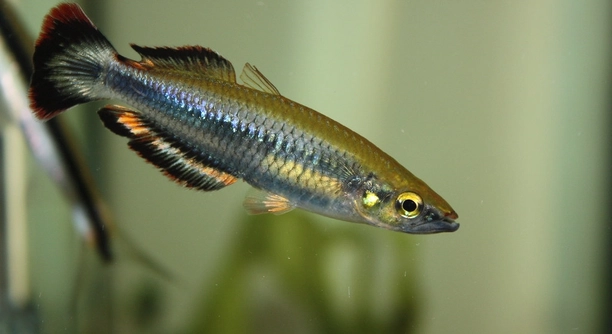
Rainbowfish are lively little creatures that bring color to any aquarium. Watching them move can be entertaining, and they often show different behaviors depending on their surroundings and companions in the tank. Rainbowfish tend to both explore and patrol their space. They investigate new areas out of curiosity while maintaining awareness of their territory. This … Read more
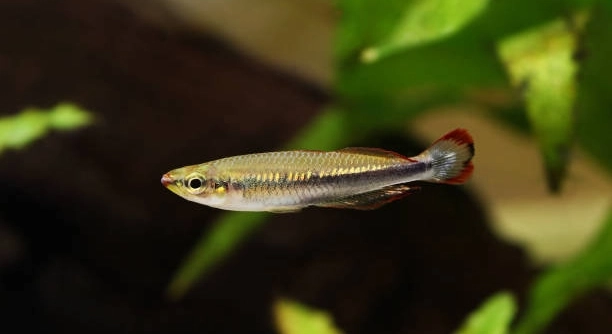
Can Rainbowfish Grow Attached to Each Other?

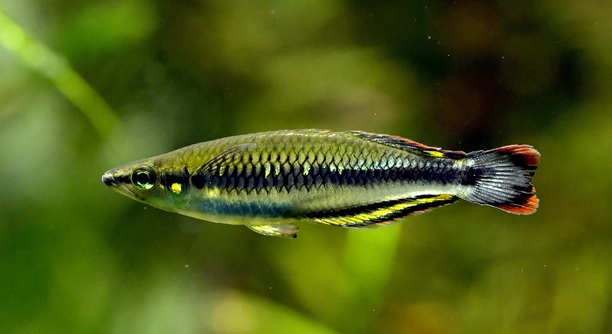
Have you ever noticed rainbowfish swimming together in your aquarium and wondered how they interact with each other? Their shiny scales and lively movements often make them seem like they are closely connected companions. Rainbowfish do not physically attach to each other. While they often swim in groups and show social behavior, their bodies remain … Read more

Why Is My Rainbowfish Avoiding the Group?

Have you ever noticed your rainbowfish swimming alone, far from the lively group in your tank? Sometimes they drift to the corners or hide, leaving you puzzled about their unusual behavior and social habits in the aquarium. Rainbowfish may avoid the group due to stress, illness, or social hierarchy issues. Environmental changes, water quality, or … Read more

7 Natural Behaviors You Shouldn’t Interrupt

Many people live busy lives and often overlook the simple, natural behaviors animals and humans exhibit every day. These small actions are part of their instinctive patterns and play an important role in their well-being. Interrupting natural behaviors can cause stress and disrupt essential processes. Animals and humans rely on these instinctive actions for survival, … Read more

Why Do Rainbowfish Sometimes Avoid the Center?

Rainbowfish behavior can feel puzzling when they avoid the center of an aquarium. Observing these patterns helps owners understand comfort, stress, and habitat needs while creating calmer environments that support natural movement and overall wellbeing. Rainbowfish often avoid the center due to perceived threats, inadequate cover, lighting intensity, or social hierarchy pressures. Environmental stressors influence … Read more

Why Rainbowfish Prefer Certain Tank Corners

Rainbowfish are colorful and lively fish that many people enjoy keeping in home aquariums. Observing them, you might notice they tend to spend more time in certain corners of the tank than others. Their behavior can seem puzzling at first. Rainbowfish prefer specific tank corners mainly due to factors such as light intensity, water flow, … Read more

7 Ways to Know If Rainbowfish Are Comfortable

Rainbowfish are lively and colorful additions to any aquarium. Their presence can brighten up a tank, but understanding their comfort requires close observation of their behavior and environment. Small details often reveal a lot about their wellbeing. Rainbowfish show signs of comfort through consistent swimming patterns, healthy coloration, and active feeding. A stable environment with … Read more

Can Rainbowfish Bond with Other Species?

Rainbowfish are small, colorful freshwater fish that brighten up any aquarium. They are lively and social, often seen swimming together in groups. Many owners enjoy watching their playful interactions and gentle personalities in home tanks. Rainbowfish can bond with other species under suitable conditions. They are generally peaceful, non-aggressive, and adapt well to community tanks … Read more

7 Reasons Your Madagascar Rainbowfish Is Lonely

Are your Madagascar rainbowfish showing signs of stress or low activity, leaving you unsure about what might be affecting their social behavior and daily comfort in the tank as they move through their usual routines. Madagascar rainbowfish often become lonely due to inadequate group size, limited environmental enrichment, and insufficient social interaction, which disrupt their … Read more

7 Tips for Monitoring Fish Without Stressing Them

Observing fish in your aquarium can be a calming hobby, but it can also make you worry about causing them stress. Many fish owners want to keep their pets healthy while still watching them closely. Monitoring fish without causing stress involves minimizing direct interference, maintaining stable water conditions, using gentle observation techniques, and implementing non-intrusive … Read more