
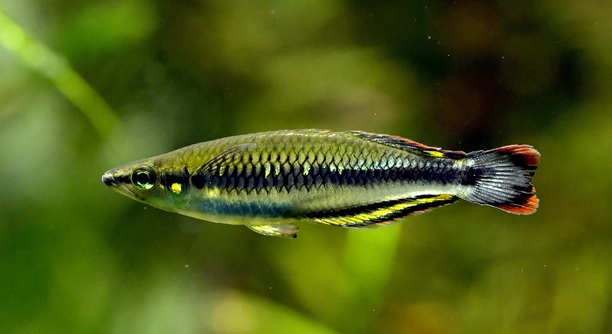
Have you ever noticed rainbowfish swimming together in your aquarium and wondered how they interact with each other? Their shiny scales and lively movements often make them seem like they are closely connected companions.
Rainbowfish do not physically attach to each other. While they often swim in groups and show social behavior, their bodies remain separate. Their close swimming patterns are a form of schooling for protection and social interaction, not physical attachment.
Understanding their social behavior can improve how you care for them. Observing their interactions helps create a healthier, more engaging environment in your tank.
Understanding Rainbowfish Social Behavior
Rainbowfish are naturally social creatures that prefer swimming in groups. In an aquarium, they often form schools that move together in a synchronized way. This behavior is instinctive, offering them safety and reducing stress. Watching them swim side by side can be calming and provides insight into their natural patterns. Even without physical attachment, their coordinated movements create a sense of connection. Each fish maintains its own space while staying close enough to interact visually and respond to changes in the group. They are sensitive to environmental factors like lighting, tank size, and water quality. When comfortable, they show vibrant colors and active swimming. Social interaction among rainbowfish is essential for mental stimulation and overall health. Isolated fish may show signs of stress or dull coloration. Maintaining a group of at least six individuals helps mimic their natural schooling behavior and encourages natural activity, which enhances both their well-being and the visual appeal of the tank.
Close swimming does not mean attachment. Their coordination is purely behavioral, not physical bonding.
Observing these patterns can help you design a tank that encourages natural behavior. Choosing a long tank with open swimming areas and hiding spots allows rainbowfish to feel secure while moving in groups. Proper water conditions, including temperature and pH balance, support both health and activity. Social structures within the group can influence color intensity and energy levels. By paying attention to how the fish interact, you can make adjustments to lighting, plant placement, and decorations to optimize their environment. Understanding their social needs ensures a lively, harmonious tank where rainbowfish thrive and display their full potential.
Tank Setup for Healthy Interaction
A well-planned aquarium promotes positive social behavior among rainbowfish. Proper layout, clean water, and sufficient space are essential for their comfort.
To encourage natural schooling, the tank should be spacious enough to allow free swimming while including plants or rocks for shelter. Maintaining stable water parameters is crucial, as sudden changes can stress the fish and disrupt their group dynamics. Feeding routines also influence behavior; offering small, frequent portions prevents competition and aggression. Monitoring their interactions helps identify any signs of illness or stress early. Lighting should mimic natural conditions to enhance color and activity levels. Choosing compatible tank mates ensures the school remains cohesive without bullying or dominance issues. A carefully arranged tank not only supports social behavior but also contributes to the overall health and lifespan of rainbowfish. Regular observation and minor adjustments can make a significant difference in how comfortably they interact and thrive in their environment.
Feeding and Group Dynamics
Feeding rainbowfish in a group requires careful planning. Overcrowding at the food area can cause stress and competition. Small, frequent feedings help each fish get enough without aggressive behavior, maintaining harmony within the school.
Providing a varied diet ensures all rainbowfish remain healthy and active. Flakes, pellets, and occasional live or frozen foods like brine shrimp or daphnia work well. Distributing food across the tank reduces competition and allows slower or smaller fish to eat. Observing how fish approach feeding can reveal social hierarchy or stress levels. Adjusting portion sizes and feeding locations keeps all fish nourished and prevents conflicts, supporting natural behavior and vibrant coloration.
Behavior during feeding also reflects social bonds. Rainbowfish may swim together or chase each other lightly around the food. This interaction is normal and not a sign of aggression. Ensuring enough space and food minimizes disputes. Watching these subtle interactions provides insight into their personalities and helps maintain a peaceful environment, promoting both health and social well-being in the group.
Water Conditions and Comfort
Stable water parameters are key for rainbowfish comfort. Sudden changes can stress fish and affect social behavior. Maintaining proper temperature, pH, and cleanliness supports schooling and activity.
Consistent water quality prevents illness and encourages vibrant coloration. Temperature should be kept within the species’ ideal range, typically 24–28°C, while pH should remain slightly alkaline. Regular partial water changes remove waste and maintain clarity, reducing stress and allowing natural interactions. Filtration and gentle flow mimic natural conditions without creating strong currents. Testing water weekly helps catch imbalances early, ensuring the tank remains a safe, comfortable environment for the fish. Proper care directly influences how actively rainbowfish swim together and display natural behaviors.
Recognizing Stress in Rainbowfish
Signs of stress in rainbowfish include hiding, loss of color, or erratic swimming. Observing these behaviors early helps prevent health issues and ensures the group remains balanced and active.
Crowding or poor water conditions often cause stress. Addressing these factors promptly keeps fish comfortable and maintains natural schooling behavior.
Tank Decorations and Space
Providing plants, rocks, and open swimming areas balances security and freedom. Decorations give hiding spots, while open spaces allow schooling without obstruction. Choosing the right layout encourages natural interactions, reduces aggression, and keeps rainbowfish active and healthy in their environment.
Breeding Considerations
Rainbowfish breed in well-maintained tanks with stable conditions. Clear water, proper temperature, and secluded areas improve the chances of successful spawning. Observing behavior during breeding helps maintain harmony within the group.
Common Misunderstandings
Rainbowfish swimming closely does not mean they are physically attached. Their grouping is instinctive schooling, not a form of attachment. Understanding this behavior ensures proper care and avoids unnecessary interventions.
FAQ
Can rainbowfish survive alone?
Rainbowfish can survive alone for short periods, but they are social creatures. Being isolated can lead to stress, dull coloration, and reduced activity. Keeping at least five or six together helps maintain natural behavior, improves color vibrancy, and supports mental well-being.
Do rainbowfish need a large tank to swim together?
Yes, a spacious tank is essential for schooling behavior. A long tank with open areas allows free movement, while plants and rocks provide hiding spaces. Sufficient space prevents stress and aggression, ensuring rainbowfish swim naturally and interact harmoniously.
How often should I feed rainbowfish?
Small, frequent feedings are best. Offering food two to three times a day in controlled portions ensures all fish get enough. Overfeeding can pollute the water, while underfeeding may cause competition and stress among the group. A varied diet promotes health and bright coloration.
Can rainbowfish attach physically to each other?
No, rainbowfish do not physically attach. Their close swimming is a form of schooling, providing safety and social interaction. Observing their synchronized movements is normal and indicates healthy social behavior, not a physical bond.
How do I reduce aggression in a rainbowfish group?
Aggression usually comes from overcrowding, poor water conditions, or limited hiding spots. Ensure enough space, stable water parameters, and proper tank decorations. Feeding evenly across the tank also reduces competition and keeps interactions calm.
Do rainbowfish need specific water conditions to school properly?
Stable water conditions are vital. Temperature, pH, and cleanliness affect behavior. Rainbowfish thrive in slightly alkaline water with temperatures around 24–28°C. Clean water and gentle filtration encourage active swimming and social cohesion.
Can rainbowfish be kept with other fish?
Yes, but choose peaceful species of similar size. Aggressive or fin-nipping fish can disrupt schooling behavior. Tank mates should tolerate the same water conditions and provide a calm environment for rainbowfish to swim together comfortably.
What is the best way to observe natural schooling?
Provide open swimming areas and minimal disturbance. Watch how rainbowfish move together around decorations, plants, and feeding zones. Observing without handling them reduces stress and allows their natural behavior to be displayed fully.
Do rainbowfish change color when stressed?
Yes, stress can dull coloration. Causes include poor water quality, overcrowding, or incompatible tank mates. Ensuring stable water parameters, enough space, and proper group size maintains bright colors and healthy behavior.
How do breeding pairs affect schooling?
Breeding behavior can temporarily change group dynamics. Males may chase females, and fish may spread out. Providing separate breeding areas and sufficient hiding spots keeps both the school and the breeding pair comfortable and reduces stress.
Are rainbowfish schooling patterns influenced by lighting?
Yes, lighting affects activity levels and social behavior. Proper lighting enhances color and encourages synchronized swimming. Too bright or inconsistent lighting can stress the fish, disrupting normal interactions and causing hiding or erratic swimming.
What should I do if my rainbowfish school too tightly?
Tight schooling often indicates stress, overcrowding, or poor water quality. Check tank size, water parameters, and decorations. Increasing space and providing hiding areas allows fish to swim naturally without excessive clustering.
Do rainbowfish form social hierarchies?
Yes, subtle hierarchies exist. Dominant fish may lead swimming routes or approach food first, but this rarely causes harm in a well-maintained group. Observing interactions helps you understand social structure and adjust feeding or tank layout if needed.
Can rainbowfish live long in a small tank?
They may survive, but long-term health suffers. Limited space increases stress, reduces schooling, and dulls coloration. A spacious tank with stable conditions is necessary for active, vibrant, and healthy rainbowfish over their lifespan.
How can I encourage rainbowfish to swim closely together safely?
Ensure stable water, appropriate group size, and enough open swimming areas. Proper tank setup and minimal disturbance promote natural schooling while keeping each fish comfortable and stress-free.
Do rainbowfish need frequent tank maintenance?
Yes, regular water changes, filter cleaning, and monitoring parameters prevent stress and disease. Maintaining a clean environment encourages active swimming, natural behavior, and social interaction, which is critical for schooling patterns.
What is the ideal group size for rainbowfish?
A group of six or more is ideal. Smaller groups may lead to stress and abnormal behavior. Larger groups display more natural schooling patterns, reduce aggression, and allow fish to interact comfortably without overcrowding.
Can rainbowfish survive in brackish water?
Most rainbowfish prefer freshwater, though some species tolerate slightly brackish conditions. Sudden changes in salinity can stress them, affecting swimming and color. Maintaining stable freshwater conditions is safer for healthy schooling behavior.
Do rainbowfish sleep together at night?
They often rest near each other but do not physically attach. Sleeping close offers safety and reassurance. Providing plants or decorations for shelter allows them to rest comfortably without feeling exposed.
How do I handle new rainbowfish introductions?
Introduce new fish slowly to prevent stress. Quarantine first to check for illness. Gradually acclimate them to the main tank’s water conditions. Proper integration prevents aggression and ensures the group continues schooling naturally.
Can tank shape affect schooling behavior?
Yes, longer tanks encourage horizontal swimming and proper schooling. Short, tall tanks restrict movement and may cause stress or clustering. Open space, combined with decorations for shelter, promotes healthy social behavior and reduces tension.
What signs indicate a harmonious rainbowfish group?
Even swimming, bright coloration, and minimal chasing are good signs. Fish should spread naturally across the tank, share food without excessive competition, and display synchronized movements without stress.
How do I encourage natural behavior in a small tank?
Use decorations and plants to create hiding spots and swimming routes. Keep water parameters stable and provide proper group size. Even in smaller tanks, careful planning allows rainbowfish to school and interact safely.
Are rainbowfish schooling behaviors seasonal?
They may display more active schooling during breeding seasons or changes in lighting, but generally, social behavior remains consistent. Stable conditions help maintain regular patterns year-round.
What is the effect of overcrowding on rainbowfish?
Overcrowding increases stress, aggression, and disease risk. Fish may hide, swim erratically, or lose color. Maintaining proper group size and tank volume is essential to preserve natural schooling and overall health.
Do rainbowfish prefer specific tank companions?
They do best with peaceful species that tolerate the same water conditions. Fast-moving or aggressive fish can disrupt schooling and stress the group, leading to abnormal behavior and reduced coloration.
Can rainbowfish recognize each other?
They recognize group members through movement and behavior patterns, not individual faces. Familiarity helps reduce stress and allows smoother schooling, improving both social interactions and overall tank harmony.
How important is water temperature for schooling?
Temperature affects metabolism, activity, and social behavior. Keeping water within the ideal range (24–28°C) ensures active swimming, vibrant color, and cohesive schooling without stress or lethargy.
Do rainbowfish school differently at night?
They tend to slow down and rest near each other. While less active, proximity provides safety. Adequate shelter and gentle lighting encourage natural resting patterns without disrupting group dynamics.
How often should I monitor water conditions?
Weekly checks are recommended. Monitoring temperature, pH, and clarity prevents stress and maintains healthy behavior. Consistent conditions allow rainbowfish to school naturally and thrive in the tank environment.
What should I do if fish stop schooling?
Check water quality, space, and tank mates. Stress, illness, or overcrowding often disrupt normal behavior. Addressing these factors restores natural schooling and ensures a healthy, active group.
Can lighting mimic natural schooling behavior?
Yes, balanced lighting encourages active movement and color display. Gradual changes between day and night cycles support normal behavior and help fish maintain synchronized swimming patterns.
Do rainbowfish need varied diets to school effectively?
Yes, balanced nutrition keeps them healthy and energetic. A mix of flakes, pellets, and occasional live foods promotes vibrant coloration, stamina, and active schooling behavior in the group.
Can stress prevent rainbowfish from displaying natural patterns?
Yes, stress from poor water quality, overcrowding, or aggressive tank mates reduces schooling, dulls color, and affects activity. Maintaining proper conditions restores normal behavior and group harmony.
How do I know if new fish are accepted into the group?
They should swim with the school, feed without excessive chasing, and display bright colors. Temporary avoidance is normal, but prolonged aggression indicates adjustment is needed.
Do rainbowfish school more actively during feeding?
Yes, feeding encourages synchronized swimming and mild chasing. Proper portioning ensures all fish eat safely without stress or competition, maintaining harmony within the group.
Can stress from sudden movements affect schooling?
Yes, loud noises or sudden handling can cause tight clustering, erratic swimming, or hiding. Minimizing disturbances helps rainbowfish maintain natural behavior and group cohesion.
Are certain species better at schooling together?
Yes, some species naturally school more tightly than others. Researching specific rainbowfish species helps in selecting compatible groups for natural, harmonious interactions.
Can rainbowfish adapt to smaller groups over time?
They may adjust, but stress, abnormal behavior, and reduced color can occur. Keeping larger groups is always better to encourage natural schooling and social interactions.
Does tank cleaning affect schooling temporarily?
Yes, disturbances or water changes can cause temporary clustering or hiding. Gradual cleaning and careful handling reduce stress and allow fish to resume normal schooling quickly.
Is it normal for some rainbowfish to lag behind?
Yes, slower or less dominant fish may swim at the back temporarily. This is natural and does not indicate harm if all fish have space, food, and proper water conditions.
Can rainbowfish school in very tall tanks?
Tall tanks limit horizontal swimming, causing unusual patterns. A balance of height and length is best to encourage natural schooling while providing shelter and open swimming areas.
How can I tell if a rainbowfish is stressed by group dynamics?
Signs include hiding, loss of color, rapid breathing, or aggression. Observing interactions and tank conditions helps identify problems early and allows corrective measures for peaceful schooling.
Do rainbowfish interact with other species while schooling?
Yes, peaceful companions may swim nearby without disrupting the group. Aggressive or fast-moving fish can interfere, so choosing compatible tank mates is essential to maintain proper schooling behavior.
Can lighting schedule changes affect schooling patterns?
Sudden changes can stress fish, causing tight clustering or hiding. Gradual transitions between day and night cycles support natural movement, vibrant coloration, and proper social behavior.
Do rainbowfish need resting areas within the school?
Yes, plants, rocks, or decorations allow temporary resting while still remaining near the group. This ensures safety and reduces stress without interrupting schooling behavior.
Can rainbowfish schooling be influenced by feeding spots?
Yes, placing food in multiple areas prevents crowding and competition, allowing all fish to swim naturally and interact safely while maintaining cohesion within the school.
Is schooling behavior the same for all rainbowfish species?
Patterns vary slightly between species, with some forming tighter schools and others spreading out. Understanding species-specific tendencies helps maintain proper tank setup and social harmony.
Can temperature fluctuations disrupt schooling?
Yes, sudden drops or spikes in temperature can stress fish, reduce swimming activity, and interrupt normal group interactions. Stable conditions are necessary for consistent, healthy schooling behavior.
How long does it take for a new group to form stable schooling?
It may take several days to a few weeks. Fish adjust to each other, establish minor hierarchies, and learn tank layout. Patience and stable conditions help the group settle safely and naturally.
Do rainbowfish need any special equipment to school properly?
No special equipment is required, but proper filtration, lighting, and tank size are essential. Decorations for hiding and open swimming areas support natural behavior and group cohesion.
Can rainbowfish schooling indicate health issues?
Yes, abnormal patterns, tight clustering, or reduced swimming may signal illness, stress, or water problems. Early observation and corrective action help maintain a healthy, active group.
Are juvenile rainbowfish schooling behaviors different from adults?
Juveniles may swim more erratically or in smaller groups. As they mature, schooling becomes more synchronized. Providing proper space and group size helps juveniles develop normal social behavior.
Do rainbowfish show bonding behavior within the school?
They recognize group members and swim in coordinated patterns, but this is instinctive schooling, not emotional bonding. Familiarity reduces stress and promotes smooth group interactions.
How do I prevent overcrowding in a mixed-species tank?
Calculate tank volume, consider adult sizes, and maintain compatible species. Overcrowding disrupts schooling and increases stress. Proper planning ensures healthy behavior and group cohesion.
Do rainbowfish need frequent observation for schooling issues?
Yes, regular observation helps identify stress, aggression, or illness early. Prompt action maintains natural behavior, vibrant coloration, and a harmonious group dynamic.
Can rainbowfish schooling be affected by water hardness?
Yes, extreme hardness can cause stress, affecting swimming and interactions. Maintaining species-appropriate water hardness supports normal schooling and overall health.
Do rainbowfish show social preference for certain individuals?
They may swim near familiar or dominant group members, but this is behavioral, not attachment. Observing patterns helps understand social structure and adjust tank setup if needed.
Can seasonal changes affect schooling?
Minor seasonal changes in lighting or temperature may alter activity levels, but stable aquarium conditions minimize disruptions and keep schooling consistent.
How do I safely introduce plants to encourage schooling?
Place plants gradually, leaving open swimming areas. Dense planting near corners provides hiding spots without restricting movement, encouraging natural, stress-free schooling.
Is synchronized swimming in rainbowfish always a sign of health?
Generally, yes. Active, coordinated swimming indicates comfort, proper conditions, and healthy social behavior. Reduced or erratic patterns may signal stress or illness.
Do rainbowfish require companions of the same species for proper schooling?
Yes, keeping multiple rainbowfish together allows natural schooling. Mixed species may swim nearby, but same-species companions maintain cohesion, reduce stress, and encourage natural behavior.
Can feeding live food improve schooling activity?
Yes, live food encourages movement, chasing, and interaction, promoting active schooling while providing necessary nutrition for vibrant health and social behavior.
How often should I rearrange tank decorations for schooling?
Minimal changes are best. Frequent rearrangement can stress fish, disrupt patterns, and reduce cohesion. Occasional adjustments allow exploration without disturbing established schooling behavior.
Do rainbowfish ever leave the school temporarily?
Yes, occasionally for feeding, exploring, or resting. As long as all fish return and water conditions are stable, this is normal behavior and not a sign of attachment issues.
Can lighting color affect rainbowfish schooling behavior?
Yes, natural white or slightly warm lighting encourages activity and coordinated swimming. Extreme colors may stress fish, reducing cohesion and altering behavior.
Do rainbowfish show different schooling behaviors in crowded vs. spacious tanks?
In crowded tanks, they cluster tightly, swim erratically, and show stress. Spacious tanks allow natural, fluid schooling with room to maneuver, feed, and rest comfortably.
How can I tell if the schooling pattern is optimal?
Fish swim together without constant chasing, maintain spacing, and display bright colors. Proper schooling shows coordination, minimal stress, and active engagement throughout the tank.
Can rainbowfish recognize tank boundaries while schooling?
Yes, they adapt to the tank layout, using walls and decorations for orientation while maintaining group cohesion. Open swimming space encourages fluid, natural patterns.
Do rainbowfish schooling patterns change with age?
Juveniles are less synchronized, while adults swim in more coordinated formations. Providing stable conditions and sufficient space supports proper schooling development over time.
How important is water clarity for schooling?
High clarity allows visual contact, which is essential for coordinated swimming. Murky or dirty water disrupts schooling, increases stress, and reduces activity and color vibrancy.
Do rainbowfish ever swim upside down or unusually while schooling?
Occasionally, minor erratic movements happen, usually in response to feeding or exploration. Persistent abnormal swimming may indicate stress, illness, or poor water conditions that need correction.
Can rainbowfish schooling help reduce tank algae?
Indirectly, their movement may stir debris and prevent stagnation, but they do not eat algae effectively. Proper maintenance is still required to control growth.
Do rainbowfish schooling behaviors vary by time of day?
Yes, activity peaks during daylight, with synchronized swimming and feeding behavior. At night, they rest closer together but remain in the general school area.
Can aquarium size limit schooling length?
Yes, smaller tanks restrict horizontal swimming, leading to tighter, sometimes stressful group formations. A longer tank supports natural schooling without crowding.
Do rainbowfish show preferred swimming lanes?
Occasionally, fish follow habitual routes near decorations or plants. This is normal and does not indicate attachment, dominance, or stress.
Can frequent water changes disrupt schooling temporarily?
Yes, sudden water changes may cause brief clustering or erratic swimming. Gradual changes reduce stress and allow fish to resume normal schooling quickly.
Do rainbowfish interact differently with males and females?
Males may chase females during breeding, slightly altering schooling patterns. Outside breeding behavior, they swim cohesively regardless of sex, maintaining group harmony.
Is schooling behavior affected by tank height vs. length?
Horizontal length is more important. Tall, narrow tanks restrict natural swimming patterns, causing stress or tight clustering. A balance of length and height is ideal.
Do rainbowfish respond to human presence while schooling?
They may swim closer or scatter depending on movement. Minimal disturbance ensures schooling remains natural and stress-free.
Can schooling indicate environmental problems?
Yes, tight clustering, hiding, or erratic swimming often signal poor water quality, overcrowding, or aggression. Observing schooling helps identify and correct issues early.
How can I maintain consistent schooling in a mixed-species tank?
Choose compatible, peaceful fish of similar size, provide open swimming areas, stable water conditions, and proper feeding routines to ensure cohesive social behavior.
Do rainbowfish adjust schooling behavior with tank plants?
Yes, plants offer hiding and resting areas, promoting comfort and reducing stress while allowing fluid movement in the open sections, supporting natural schooling patterns.
How long does it take for rainbowfish to adapt to a new tank?
It may take days to weeks. Gradual acclimation, stable conditions, and proper group size allow the school to form naturally and reduce stress-related behavior.
Can rainbowfish schooling be improved by tank layout?
Yes, open swimming areas combined with strategically placed plants and decorations encourage natural coordination, reduce stress, and support healthy social interactions.
Do rainbowfish exhibit leadership in schooling?
Some dominant individuals may lead swimming routes temporarily, but this is subtle and rarely affects group cohesion. The school adjusts fluidly without physical attachment or harm.
**Are there seasonal changes
Rainbowfish are fascinating creatures, especially when you watch them swim together in a school. Their behavior can seem very connected, but it is important to remember that they do not physically attach to each other. What you see is a natural instinct for safety and social interaction. Swimming in groups helps them feel secure and reduces stress, even though each fish maintains its own space. Observing this behavior in your aquarium can be calming and rewarding. The way rainbowfish coordinate their movements and respond to each other shows a lot about their natural tendencies. With the right tank setup and care, you can see them display these behaviors regularly. This includes open swimming areas, proper water conditions, and decorations that provide hiding spots while allowing freedom to move. By understanding their behavior, you can ensure that your rainbowfish remain healthy, active, and visually vibrant in the aquarium.
Creating the right environment for rainbowfish is key to encouraging their natural schooling behavior. Tank size matters because it allows them enough room to swim freely while staying together as a group. Decorations like plants and rocks are helpful because they offer shelter and reduce stress. However, these should not overcrowd the tank or restrict movement. Clean water and stable water parameters, including temperature and pH, are also essential. Rainbowfish are sensitive to sudden changes, so maintaining consistency supports their well-being. Feeding routines are another important factor. Small, frequent feedings spread across the tank help prevent competition and allow all fish to eat comfortably. Providing a varied diet keeps them healthy and enhances their colors, which makes the school look more vibrant and lively. By paying attention to these details, you create an environment where rainbowfish can interact naturally and feel secure in their group.
Watching rainbowfish in a well-maintained tank offers insight into their social behavior and how they thrive in a community. Their schooling behavior is a sign of comfort and security, not attachment, and it reflects the health of both the fish and their environment. Proper care, including maintaining water quality, providing space, and ensuring a balanced diet, encourages activity and natural interactions. Observing these behaviors can also help identify signs of stress or illness early, allowing you to make adjustments before problems worsen. Over time, as you understand how rainbowfish respond to their surroundings and each other, it becomes easier to maintain a peaceful, active, and visually appealing tank. This combination of proper care and careful observation ensures that rainbowfish not only survive but also thrive, displaying their full potential in both behavior and appearance. Their lively schooling patterns and vibrant colors make them a rewarding species to keep in any home aquarium.

Hello,
If you enjoy the content that we create, please consider saying a "Thank You!" by leaving a tip.
Every little bit helps us continue crafting quality advice that supports the health, happiness, and well-being of pets around the world, for pets of all shapes, sizes, and species.
We really appreciate the kindness and support that you show us!