
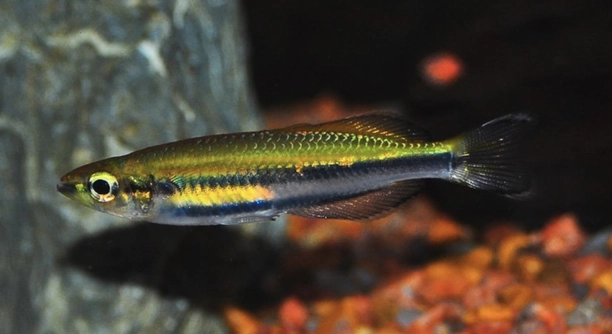
Rainbowfish behavior can feel puzzling when they avoid the center of an aquarium. Observing these patterns helps owners understand comfort, stress, and habitat needs while creating calmer environments that support natural movement and overall wellbeing.
Rainbowfish often avoid the center due to perceived threats, inadequate cover, lighting intensity, or social hierarchy pressures. Environmental stressors influence spatial preference, leading fish to remain near edges where security, shelter, and predictable conditions reduce energy expenditure and enhance survival.
Exploring tank layout, lighting choices, and social balance reveals practical steps that encourage confident swimming and healthier natural aquarium behavior.
Environmental Comfort and Tank Layout
I have noticed that rainbowfish respond strongly to how their tank is arranged. Open centers can feel exposed when there are few plants, rocks, or driftwood to break lines of sight. In nature, these fish rely on structure to feel secure while swimming. When the middle of the tank lacks cover, they often shift toward edges where glass, decor, or equipment provide reference points. Lighting also plays a role. Bright overhead lights can make the center feel unsafe, especially in bare tanks. Flow patterns matter as well. Strong currents in the middle can require extra effort to maintain position. Over time, rainbowfish learn which areas demand less energy and offer more comfort. This behavior is not random or stubborn. It reflects a natural preference for zones that balance visibility, shelter, and effort, allowing them to swim calmly without constant alertness or fatigue during daily routines in home aquariums settings today.
From my experience, simple changes often help. Adding tall plants near the center, softening light intensity, and adjusting water flow can make open areas feel safer. These adjustments support natural movement patterns and reduce stress without altering the entire setup for rainbowfish kept in shared community tanks at home aquariums.
Edge-focused swimming is also linked to routine and observation. Rainbowfish become familiar with feeding locations, human movement, and daily activity outside the glass. I have seen them hover near sides where food usually appears or where external motion feels predictable. This does not always signal a problem. Instead, it shows learning and adaptation. Consistency in care reinforces these patterns. Stable schedules, gentle maintenance, and calm surroundings encourage fish to gradually explore wider areas. When conditions remain steady, confidence builds, and center swimming often increases naturally over time with patient observation from the owner during regular tank care routines and moments.
Social Dynamics and Sense of Safety
Group behavior strongly affects where rainbowfish swim. In mixed or crowded tanks, dominant individuals often claim central space. Others respond by staying near edges to avoid tension. I find this especially common when tank size limits escape routes and visual barriers between fish of different sizes and temperaments living together.
Rainbowfish are active, social fish that establish loose hierarchies. When several individuals share a tank, subtle dominance behaviors appear through positioning rather than aggression. Central areas often become display zones where confident fish swim openly. Less assertive fish choose edges as a low-pressure alternative. I have learned that this balance shifts with stocking levels and sex ratios. Overcrowding amplifies avoidance, while balanced groups promote shared space. Tank size plays a major role. In smaller aquariums, there is limited room to separate roles, making edge use more pronounced. Providing horizontal swimming space helps reduce this effect. Rearranging decor can also reset established patterns. When territories feel less defined, fish redistribute themselves more evenly. Observing these interactions over several days gives better insight than reacting quickly. With thoughtful adjustments, rainbowfish often regain comfort throughout the tank, including the center, without forced changes or constant interference. This approach has helped me avoid unnecessary stress during maintenance and feeding. Allowing fish time to adjust supports stability. Gradual changes, rather than frequent disruptions, respect their social structure and improve overall tank harmony in the long term. I have found patience more effective than constant intervention when managing group behavior in home aquariums over extended periods.
Lighting and External Disturbances
Strong lighting and outside movement can push rainbowfish toward tank edges. Bright lights remove shadows, while sudden motion near the glass increases alert behavior. I have seen fish retreat when rooms are busy, choosing sides where visual exposure feels lower and reactions require less constant effort during daily home activity.
Lighting schedules influence confidence more than many realize. Extended bright periods can keep fish tense, especially without shaded areas. I prefer gradual light cycles that mimic daylight changes. External vibrations also matter. Doors closing, children tapping glass, or pets pacing nearby create repeated disturbances. Over time, rainbowfish learn to associate the center with exposure. Adding background covers and limiting traffic near the tank reduces this pressure. Consistency is key. When lighting and surroundings remain predictable, fish adjust their swimming paths. Stable conditions slowly encourage broader exploration, including midwater areas, without forcing behavior changes that support long-term calm behavior in aquariums.
Tank placement within the home often gets overlooked. Aquariums placed in high traffic areas expose fish to constant motion. I once moved a tank from a hallway to a quieter room and noticed immediate changes. Rainbowfish began using the center more freely within days. Visual clutter outside the tank also plays a role. Reflections, screens, and mirrors increase perceived activity. Using a solid background and reducing reflective surfaces helps. Calm environments allow fish to rest between bursts of activity. This balance supports natural swimming patterns and reduces edge-focused habits over time while improving overall tank comfort and stability for fish.
Feeding Patterns and Learned Behavior
Feeding routines strongly shape swimming zones. When food is consistently added near edges, rainbowfish learn to wait there. I am careful to spread food across the surface to encourage movement. Repetition builds habits quickly. Fish remember locations linked to reward. Edge feeding reinforces edge swimming. Changing this pattern takes time. Slow adjustments help fish relearn space use without stress. Consistent distribution supports confidence and reduces clustering near glass during meals for healthier daily feeding behavior.
Feeding behavior also connects to social ranking. Dominant fish often reach food first, claiming central space during meals. Others hang back, waiting along edges for leftovers. I have found that using sinking and floating foods together changes this dynamic. Different water levels allow more fish to participate at once. Timing matters as well. Feeding smaller portions more often reduces competition. When pressure drops, fish spread out naturally. Over time, these moments influence general swimming patterns. The tank center becomes associated with opportunity rather than tension. This shift does not happen overnight. Repetition and patience are required. Balanced feeding routines support healthier group behavior and more even space use throughout the aquarium over long periods of consistent care, improving comfort, stability, and shared access for all
Water Flow and Tank Size
Strong water flow can discourage center swimming in rainbowfish tanks at home. Filters that push currents through midwater require constant effort. I have noticed fish choose calmer edges to conserve energy. Adjusting flow direction or reducing output helps redistribute movement naturally without causing stress during daily aquarium care routines sessions.
Tank size also shapes how space feels. Narrow or short aquariums limit escape routes and increase awareness. I prefer longer tanks that allow horizontal swimming. More space reduces tension, making the center feel usable rather than exposed for active schooling fish over time with stable conditions and thoughtful layout choices.
Health and Stress Signals
Subtle health issues can influence where rainbowfish spend time. Fish experiencing discomfort often avoid open areas. I watch for clamped fins, faded color, or irregular swimming near edges. Poor water quality, temperature swings, or mild illness increase caution. Regular testing keeps conditions stable. Clean water supports confidence and movement. Stress builds quietly when parameters drift. Center avoidance becomes an early signal rather than a habit. Addressing issues early prevents larger problems. When fish feel well, they explore freely. Consistent maintenance builds trust in the environment and supports balanced swimming behavior across the tank for long term stability and visible behavioral.
Consistency and Observation
Observation matters more than quick fixes. I spend time watching patterns before changing anything. Small, steady adjustments work better than frequent changes. Rainbowfish respond to calm routines. Consistency builds security, helping fish slowly reclaim center space without pressure or disruption over weeks as trust develops through predictable care habits daily.
FAQ
Why do my rainbowfish swim along the glass instead of the center?
This behavior usually relates to comfort and familiarity. The glass edges provide visual boundaries that feel predictable. I often see this when tanks lack midwater cover or when lighting is intense. Edges reduce exposure and help fish feel oriented. Over time, this pattern becomes routine, especially if feeding or activity outside the tank happens near the glass. It does not always mean something is wrong, but it signals how the fish interpret their space.
Is center avoidance always a sign of stress?
Not always. Rainbowfish can avoid the center simply because they have learned where they feel safest or where rewards appear. Stress becomes more likely when avoidance is paired with other changes like dull color, reduced appetite, or erratic movement. I focus on the full picture. Stable water, steady behavior, and normal feeding suggest preference rather than distress. Sudden shifts deserve closer attention.
Can tank decorations really change swimming behavior?
Yes, decor plays a major role. Open tanks with bare centers often push fish outward. When I add tall plants or floating cover, fish begin using the middle more often. Structure breaks sight lines and creates resting zones. Placement matters more than quantity. Even a few well-positioned elements can shift how space feels. Overcrowding decor, however, can restrict movement, so balance is important.
Does lighting affect how confident rainbowfish feel?
Lighting has a strong influence. Bright, constant light removes shadows and increases visibility, which can raise alert behavior. I prefer softer lighting with consistent timing. Sudden changes cause hesitation. Fish adjust best when light levels follow a routine. Dim areas allow rest between active periods. This balance encourages more natural movement, including center swimming.
How long does it take for rainbowfish to change these habits?
Changes happen gradually. I usually notice small shifts within a week after adjustments, but full confidence can take several weeks. Fish rely on repetition. Sudden rearrangements may reset progress. Patience matters more than frequent changes. Consistent conditions allow fish to relearn space use at their own pace without pressure.
Can feeding routines cause center avoidance?
Yes, feeding habits shape movement patterns quickly. If food is always added near the edges, fish gather there and wait. I spread food across the surface to promote exploration. Using varied food types also helps. Over time, fish associate the center with opportunity instead of risk. This change requires consistency rather than force.
Should I be worried if only one fish avoids the center?
Single fish behavior often points to social dynamics. Less dominant individuals may yield space to others. I watch interactions closely. If the fish eats well and shows no physical issues, it may simply be avoiding tension. Providing more visual barriers helps redistribute space. Persistent isolation, however, can signal stress that needs addressing.
Does tank size really make that much difference?
Yes, size changes perception. Short or narrow tanks compress space and increase awareness. I find longer tanks support natural schooling and reduce edge dependence. More horizontal room allows fish to move without feeling trapped. Even with good decor, limited space affects confidence. Tank dimensions shape behavior as much as setup details.
Can outside activity near the tank affect behavior?
External motion matters more than many expect. Frequent movement near the glass keeps fish alert. I noticed improvement after moving a tank away from constant foot traffic. Background covers also help by reducing visual noise. Calm surroundings support relaxed swimming patterns and reduce edge fixation over time.
Is center avoidance linked to water quality issues?
It can be an early signal. Poor water conditions often cause subtle behavior changes before physical signs appear. I treat center avoidance alongside regular testing. Stable parameters support confidence. When water quality improves, behavior often follows. Ignoring these signs can allow problems to develop quietly.
Will rainbowfish eventually grow out of this behavior?
They can, but only if conditions support it. Habits fade when fish feel secure. I avoid expecting age alone to fix behavior. Environment, routine, and consistency matter more. With proper setup and patience, most rainbowfish expand their swimming range naturally over time.
Final Thoughts
Understanding why rainbowfish sometimes avoid the center of the tank comes down to observing patterns rather than reacting quickly. Their behavior reflects comfort, habit, and how they interpret their surroundings. I have learned that small details matter more than major changes. Lighting, decor placement, feeding routines, and tank location all send signals to fish. When these signals feel predictable, fish relax. When they feel intense or inconsistent, fish adjust by choosing safer zones. Center avoidance is rarely random. It is a response shaped by daily conditions that repeat over time. Paying attention to these details helps separate preference from potential problems. This approach allows adjustments to be thoughtful instead of rushed, which supports stability in the aquarium.
Consistency remains the most important factor. Fish respond best when changes are gradual and routines stay steady. I have found that making one adjustment at a time provides clearer results. This makes it easier to understand what actually helps. Rearranging everything at once can confuse fish and reset progress. Calm observation builds better outcomes than frequent interference. When water quality stays stable and the environment feels balanced, rainbowfish often expand their movement naturally. Center swimming becomes a choice rather than something forced. This slow shift reflects trust in their surroundings. It also makes ongoing care easier because behavior becomes more predictable and relaxed.
Every aquarium setup is different, and behavior should always be viewed in context. What works in one tank may need adjusting in another. I try to focus on long term comfort instead of quick fixes. Rainbowfish communicate through movement, color, and positioning. Listening to those signals creates a healthier environment without unnecessary stress. Center avoidance, when understood properly, becomes useful information rather than a concern. It highlights areas that may need refining while confirming what already works. With patience and consistent care, most tanks settle into a rhythm where fish use space more evenly. This balance benefits both the fish and the keeper, creating a calmer and more rewarding aquarium experience over time.

Hello,
If you enjoy the content that we create, please consider saying a "Thank You!" by leaving a tip.
Every little bit helps us continue crafting quality advice that supports the health, happiness, and well-being of pets around the world, for pets of all shapes, sizes, and species.
We really appreciate the kindness and support that you show us!