
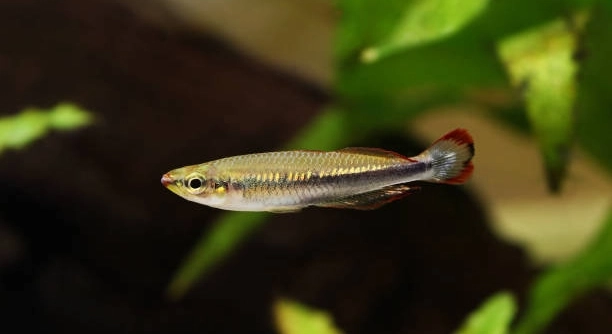
Observing fish in your aquarium can be a calming hobby, but it can also make you worry about causing them stress. Many fish owners want to keep their pets healthy while still watching them closely.
Monitoring fish without causing stress involves minimizing direct interference, maintaining stable water conditions, using gentle observation techniques, and implementing non-intrusive equipment. Consistent care routines and avoiding sudden environmental changes are key to preserving fish welfare during observation.
Following these tips will help you care for your fish while keeping their environment calm and stable for long-term health and comfort.
Keep Observation Gentle
Watching fish is best done calmly and quietly. Sudden movements or tapping on the glass can startle them. I usually sit a few feet away, letting them swim naturally without noticing me. Using a soft light rather than harsh overhead lighting also reduces stress. Avoid leaning over the tank or casting shadows across it, since this can make fish feel threatened. Small, consistent routines help them stay relaxed, like feeding at the same time each day. Gentle observation lets you notice health changes without interfering with their behavior. Over time, I realized that sitting back and letting them come into view works much better than trying to get a closer look. Using binoculars or a camera zoom can also help see details without causing disturbance. Your patience will pay off as fish behave more naturally when they feel safe in their environment.
Monitoring fish with minimal interference helps maintain their normal behavior and overall health in a stress-free setting.
When I first started observing my tank, I noticed subtle changes in swimming patterns. Tracking these small details helps catch early signs of illness. Fish adjust better to consistent, calm observation, and it also makes watching them more enjoyable.
Maintain Water Consistency
Stable water conditions are essential for fish health. Sudden temperature changes or fluctuations in pH can stress fish and lead to illness.
Regularly checking water parameters and performing partial water changes keeps the environment predictable. I record temperature, pH, and ammonia levels to notice trends before they become problems. Using a reliable heater and filter system also prevents sudden shifts. Fish are sensitive, and even small variations can affect their behavior. When I first started monitoring my tank, I learned that daily checks prevented many avoidable issues. Aeration and gentle water movement help oxygen levels stay stable, keeping fish calm. I also avoid overfeeding, since uneaten food can disrupt water quality. By creating a stable, clean environment, fish remain healthy and easier to observe. Consistency in water care is just as important as gentle observation. Maintaining predictable conditions reduces stress, supports immune health, and allows fish to exhibit natural behaviors, making it easier to monitor their wellbeing over time.
Use Observation Tools
Small tools like feeding sticks or magnifying glasses help monitor fish closely without disturbing them. Cameras or smartphone zooms let you watch details from a distance. I rely on these tools to avoid leaning over the tank and causing sudden movements.
Using observation tools lets you track behavior, coloration, and feeding patterns more accurately. I often use a small camera to take pictures of fins and scales, then compare over days to notice changes. Zooming in from a distance prevents stress, as fish rarely react to devices if handled quietly. Simple tools like a net or thermometer allow checks without constantly opening the tank. Over time, I found that combining visual observation with minimal handling reduces stress and gives a clearer understanding of fish health. Tools make monitoring more precise, allowing early detection of issues.
Even minor changes in swimming speed, color, or interaction can signal stress or illness. Observation tools help notice these early signs before they escalate. I often log observations daily, creating a reference to see gradual trends. Watching behavior through glass or camera prevents interference and keeps fish comfortable. Using minimal disturbance methods ensures fish act naturally, providing better insight into health and activity. Consistency in tool use also trains me to recognize normal variations versus concerning behaviors, making care decisions easier and more informed.
Limit Feeding Disruptions
Overfeeding or sudden diet changes can upset fish and their environment. I feed small amounts at consistent times to avoid stress.
Limiting feeding disruptions helps maintain water quality and prevents aggressive behavior. I stick to a schedule, offering measured portions to match fish appetite. Sudden new foods can cause hesitation or overeating, so I introduce diet changes slowly. Observing how fish respond to food helps detect health issues early. I noticed that feeding at the same spot reduces frantic swimming, keeping them calmer. Small, consistent meals ensure all fish get nutrition without leftover waste, maintaining stable tank conditions.
Gradual changes in feeding routines or diet allow fish to adapt without stress. I avoid switching food brands suddenly, instead mixing new pellets with familiar ones over a week. Measuring portions prevents leftover food, which can pollute water and create uneven feeding competition. Watching fish as they eat shows me appetite levels, energy, and potential health issues. Consistent feeding routines also help me notice subtle behavioral changes, like reluctance to eat or slower swimming, signaling early problems. Maintaining a calm and predictable feeding environment supports both physical health and natural behavior. It makes observation easier because fish act normally and stress levels stay low.
Minimize Tank Disturbances
Frequent tapping or moving decorations can stress fish. I try to keep the tank environment consistent and avoid sudden changes. Small adjustments should be done slowly, so fish stay calm and continue their normal routines without fear.
Lighting changes can also startle fish. I use soft, steady lighting and avoid turning lights on or off abruptly. Gradual dimming or using a timer helps maintain a predictable day-night cycle. Even cleaning the glass is done carefully to prevent sudden shadows or reflections that may scare them. Consistency in tank setup helps fish feel secure and allows me to monitor their natural behavior reliably.
Watch Behavior Patterns
Monitoring swimming, feeding, and interaction patterns is essential for detecting stress or illness early. I record observations regularly to track changes over time.
Watching behavior closely reveals subtle signals of stress, disease, or discomfort. I keep notes of unusual swimming patterns, fin clamping, or color fading. Social interactions, such as aggression or hiding, also provide clues about the tank’s balance and the well-being of each fish. Observing consistently allows me to act quickly, whether adjusting water conditions, feeding routines, or identifying potential health concerns. Tracking patterns over weeks gives a better perspective than occasional checks, making it easier to maintain a healthy, calm environment.
Avoid Overhandling
Frequent handling can harm fish and increase stress. I only interact with them when necessary, such as during water changes or health checks.
FAQ
How often should I check my fish without stressing them?
I usually observe my fish once or twice a day for a few minutes. Short, calm sessions are enough to notice behavior changes without causing stress. Longer observation can be done, but it’s important to remain still and avoid sudden movements around the tank.
What signs indicate my fish are stressed?
Common signs include hiding more than usual, erratic swimming, clamped fins, or faded colors. Loss of appetite or sudden lethargy can also indicate stress. I found that noting small changes daily helps detect problems early. Consistent observation allows for quick intervention before stress affects health.
Can lighting affect fish behavior?
Yes, sudden bright lights or flickering can startle fish. I use soft lighting with gradual transitions. Timers are helpful to maintain a predictable day-night cycle. Fish adjust better to gentle, consistent lighting, and it helps keep their natural activity patterns normal.
Is it necessary to use tools for observation?
Tools like magnifying glasses, cameras, or small viewing devices allow detailed monitoring without getting too close. I rely on these to check fins, scales, or subtle color changes. Minimal physical presence reduces stress while still providing accurate insight into their health.
How important is water quality for stress reduction?
Water quality is critical. Temperature swings, high ammonia, or incorrect pH can cause stress and disease. I check parameters daily and perform small water changes when needed. Stable water conditions create a calm environment, making fish easier to observe naturally.
Should I feed fish before observing them?
Feeding can be part of observation, but overfeeding creates stress and poor water quality. I give small amounts at scheduled times and watch how each fish responds. This helps detect appetite issues or dominance behavior without disturbing the tank.
How do I introduce new fish without causing stress?
Quarantine new fish first to prevent disease. Slowly acclimate them to the main tank’s water conditions. I float the bag for temperature adjustment, then gradually mix tank water. This reduces shock and helps existing fish remain calm during introductions.
Can rearranging decorations stress fish?
Yes, sudden changes can make fish feel insecure. I move decorations slowly and limit the frequency of changes. Observing how fish react to small adjustments helps me gauge if more time is needed for them to feel comfortable.
Is it okay to tap on the glass to get fish attention?
Tapping on glass can startle fish. I avoid it entirely. Instead, I use consistent feeding locations or gentle tools to observe behavior. Quiet observation reduces stress and gives more accurate insight into normal activity.
How do I know if my observation methods are working?
If fish remain active, show normal colors, and interact naturally, your methods are effective. I track behaviors daily and compare to previous patterns. Over time, calm observation becomes part of the routine, keeping fish healthy and minimizing stress while allowing detailed monitoring.
Are there specific times of day better for observation?
Morning or late afternoon works best for me. Fish are active but not startled by sudden light changes. Observing during these periods gives clear insights into feeding, swimming, and social behaviors, ensuring accurate monitoring without interference.
Can handling fish ever be safe?
Handling should be minimal. Only during necessary care like moving them for tank maintenance or health checks. I use gentle nets and wet hands to reduce stress, and avoid unnecessary handling altogether. Minimizing interaction preserves their natural behavior and comfort.
How do I track subtle health changes over time?
I keep a small log of swimming patterns, fin appearance, color changes, and feeding habits. Photos or notes help spot gradual changes that may indicate stress or illness. Consistent tracking allows early action and keeps fish calm while being observed.
What if I notice aggressive behavior?
Aggression can indicate overcrowding or stress. I separate fish if needed and ensure proper hiding spots. Observation helps identify dominant or bullied fish early. Providing enough space and consistent routines usually reduces tension and keeps the environment stable for all fish.
How can I reduce stress during tank maintenance?
Perform water changes and cleaning slowly and quietly. Avoid sudden splashing or moving equipment aggressively. I prepare tools in advance and work gently to minimize disruption. Gradual maintenance keeps fish calm and allows continued observation without causing stress.
Is it better to observe in groups or individually?
Observing the entire tank shows interactions and social behaviors, while closer observation of individual fish helps detect health issues. I balance both methods, keeping sessions short and calm, so fish stay comfortable while I gather the information I need.
How do I handle sick fish without stressing the rest?
I isolate sick fish in a separate tank or container with similar water conditions. Minimal contact with healthy fish prevents stress and disease spread. I handle medications carefully and monitor recovery, keeping routines calm for the rest of the tank.
Can overfeeding during observation affect behavior?
Yes, overfeeding can make fish aggressive or lethargic. I give measured portions and observe reactions. Proper feeding routines reduce competition and maintain a calm tank, allowing for accurate monitoring without unintended stress.
Are observation routines different for small vs. large tanks?
Smaller tanks may need closer monitoring of water quality and behavior. Larger tanks require checking multiple areas and sometimes using cameras or tools. I adapt methods to tank size, keeping disturbance minimal while still gathering accurate information about fish health.
How do I stay consistent in observation?
I set specific times daily and use logs or photos to track changes. Short, calm sessions help maintain consistency. Over time, fish adjust to observation, and patterns in behavior become easier to detect, keeping stress low while monitoring effectively.
Final Thoughts
Monitoring fish without stressing them takes patience and consistency. Over time, I realized that small, gentle adjustments make a big difference in their comfort. Sitting quietly by the tank, avoiding sudden movements, and keeping routines steady allows fish to behave naturally. Fish show subtle signs of stress or illness when routines are disrupted, and these signs can be easy to miss if observation is rushed or inconsistent. I learned that short, calm observation sessions every day are more effective than long, intrusive ones. By keeping a steady approach, fish remain calm, and it becomes easier to notice changes in swimming patterns, color, or appetite. Even small details like clamped fins or hiding more often can signal early issues. Being mindful of their environment and avoiding unnecessary interference ensures fish stay healthy and comfortable, which makes care less stressful for both the fish and me.
Water conditions play a major role in keeping fish calm and healthy. I make it a habit to test water parameters regularly, including temperature, pH, and ammonia levels. Stable water reduces stress and allows fish to maintain normal behavior, which is easier to observe accurately. Partial water changes and maintaining proper filtration prevent sudden changes that could disturb them. I also avoid overfeeding, because leftover food can affect water quality and create competition among fish. Introducing new fish slowly and gradually acclimating them to the tank helps maintain harmony. I noticed that when the tank remains predictable, fish act naturally, swim freely, and interact in normal ways. This predictability not only reduces stress for the fish but also gives me confidence that my monitoring methods are effective. Observation becomes more meaningful because I can track changes with minimal interference.
Tools and routines are helpful for stress-free monitoring. Cameras, magnifying glasses, or even a small notebook for logging observations allow me to notice details without disturbing the tank. Watching feeding patterns, swimming behavior, and social interactions over time helps detect subtle health issues. Gradual introduction of new foods or minor tank changes prevents shocks that might stress fish. I also learned to limit handling to essential situations only, such as moving fish for water changes or health checks. Consistent feeding routines, calm observation, and gentle maintenance form the backbone of a low-stress environment. These practices make fish care more manageable and rewarding. By prioritizing their comfort and health, I can enjoy observing their natural behavior without causing unnecessary stress, making the aquarium a peaceful space for both the fish and myself.

Hello,
If you enjoy the content that we create, please consider saying a "Thank You!" by leaving a tip.
Every little bit helps us continue crafting quality advice that supports the health, happiness, and well-being of pets around the world, for pets of all shapes, sizes, and species.
We really appreciate the kindness and support that you show us!