Can Rainbowfish Recognize Tank Mates?

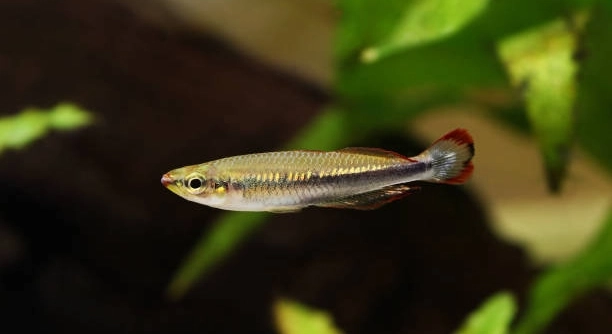
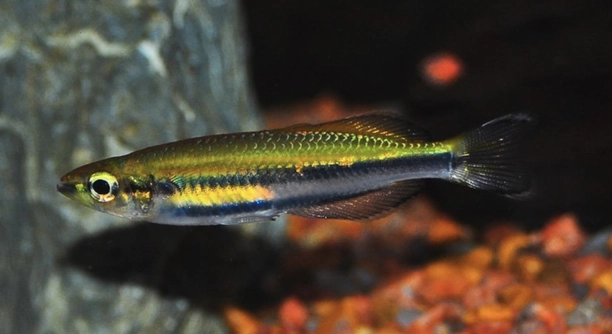
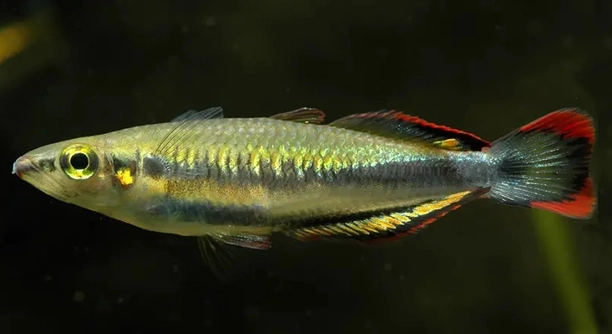
Rainbowfish are small, colorful fish that many people enjoy keeping in home aquariums. Their bright scales and active swimming make them a lively addition to any tank. Watching them interact can be both relaxing and entertaining. Rainbowfish are capable of recognizing their tank mates to some extent. They use visual cues and swimming patterns to … Read more
Why Do Rainbowfish Chase Each Other?

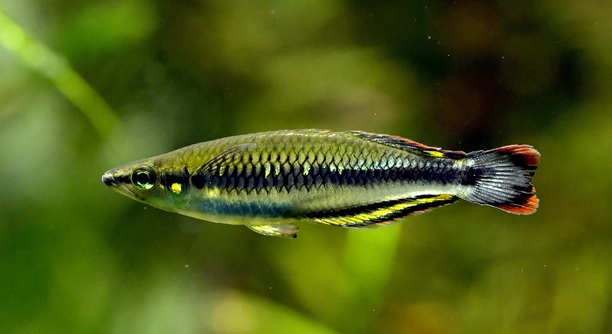
Rainbowfish are known for their vibrant colors and active behavior in home aquariums. Observing them can be fascinating, especially when they swim quickly after one another, creating lively displays that catch the eye. Rainbowfish chase each other primarily as a form of social interaction and establishing dominance within their group. This behavior helps maintain hierarchy, … Read more

Why Rainbowfish Might Be Gasping at the Top

Do you ever notice your rainbowfish hanging near the water’s surface, appearing to struggle for air? Many fish owners see this behavior and wonder if it signals a problem in their aquarium environment. Rainbowfish gasp at the top mainly due to low oxygen levels in the water. Inadequate aeration, poor circulation, or overcrowding can reduce … Read more

How to Introduce Rainbowfish Without Stress

Introducing new fish to your aquarium can be a careful process, especially when it comes to rainbowfish. These colorful creatures require attention and patience to adjust to a new environment without stress. Proper preparation helps ensure their health. The most effective way to introduce rainbowfish without causing stress is by acclimating them gradually. Begin by … Read more

7 Ways to Improve Water Flow for Rainbowfish

Rainbowfish are colorful and active aquarium fish that thrive in flowing water. Maintaining proper water movement is essential for their health, energy, and overall well-being. Small adjustments in the tank setup can make a noticeable difference. Improving water flow for rainbowfish involves adjusting filtration, positioning pumps correctly, and ensuring unobstructed pathways within the tank. Regular … Read more

7 Signs Your Tank Conditions Are Just Right

Are your fish thriving in a tank that seems comfortable and healthy? Maintaining the right conditions in an aquarium is essential for the well-being of your aquatic pets and the overall balance of their environment. Optimal tank conditions depend on several factors, including water temperature, pH levels, oxygenation, and cleanliness. Properly monitoring these elements ensures … Read more

Why Rainbowfish Might Avoid the Heater Area

Rainbowfish are small, colorful freshwater fish that often brighten up home aquariums. They swim actively but sometimes avoid certain areas, leaving their owners wondering about their unusual behavior in the tank. Rainbowfish may avoid the heater area due to temperature sensitivity. Excessive warmth can stress their metabolism and cause discomfort, prompting them to seek cooler … Read more

How to Create a Low-Stress Tank for Rainbowfish

Have you ever wanted to create a calm and comfortable environment for your rainbowfish? Setting up a tank that reduces stress can make a big difference in their health and daily behavior, allowing them to thrive naturally. Creating a low-stress tank for rainbowfish requires attention to water quality, temperature stability, and appropriate tank decor. Providing … Read more

What Happens if You Skip Feeding for a Day?

Do you ever find yourself too busy to follow your usual feeding schedule for your pets? Skipping a day of feeding can feel minor, but it may affect their mood, energy, and overall routine in subtle ways. Skipping feeding for a single day is generally not immediately harmful for most healthy pets. However, it can … Read more

7 Feeding Habits You Should Watch Closely

Eating habits often reveal more than just what we enjoy on our plates. Many of us follow routines without noticing subtle changes that can affect our health and energy levels over time. Observing patterns can be insightful. Certain feeding habits can indicate underlying nutritional imbalances, digestive issues, or behavioral concerns. Monitoring the timing, quantity, and … Read more