
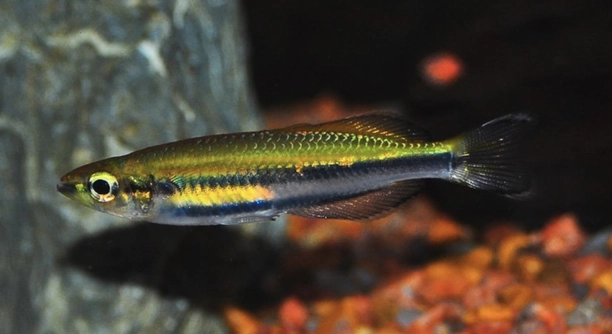
Rainbowfish are colorful and active aquarium fish that thrive in flowing water. Maintaining proper water movement is essential for their health, energy, and overall well-being. Small adjustments in the tank setup can make a noticeable difference.
Improving water flow for rainbowfish involves adjusting filtration, positioning pumps correctly, and ensuring unobstructed pathways within the tank. Regular maintenance and monitoring of water currents help maintain optimal oxygen levels and mimic the species’ natural environment effectively.
Proper water circulation supports healthier fish and prevents stagnation, keeping the tank cleaner and more vibrant. Understanding simple techniques can enhance your rainbowfish’s comfort and energy levels.
Adjust the Filter Position
Placing your filter in the right spot can make a significant difference in water movement for rainbowfish. Many tanks have filters set at random spots, which can create dead zones where water barely circulates. I learned that moving the filter toward the back or a corner of the tank helps water flow more evenly. The water is pushed across the tank instead of staying in one place. This also helps prevent debris from settling in hidden areas. When I repositioned my filter, the fish became noticeably more active, swimming in currents that were previously too weak. Experimenting with small adjustments is key because each tank has its own layout and obstacles. Observe how the water moves after each change. Even subtle improvements can have a big impact. A well-placed filter keeps oxygen levels steady, encourages healthy behavior, and reduces maintenance struggles over time.
Proper placement can make the tank feel alive and active for your rainbowfish.
Seeing the fish swim confidently through gentle currents shows the difference proper filter placement can make. By focusing on water movement paths, you can ensure the tank’s entire volume benefits from circulation. Adjusting the filter height slightly changes flow patterns, while angling it toward open spaces can prevent stagnant areas. Over time, consistent flow encourages stronger, healthier fish and reduces debris buildup. I found that combining filter repositioning with regular cleaning made the tank more vibrant and livable. Observing how water currents interact with decorations and plants is important. Some ornaments block flow unexpectedly, creating calm pockets that might stress rainbowfish if ignored. Small tweaks, like rotating the filter or repositioning driftwood, can drastically improve circulation. Maintaining balanced currents ensures oxygen reaches every corner and supports natural fish behavior. Rainbowfish prefer moderate movement, so avoid excessively strong streams that push them around. Consistent evaluation of water flow combined with attentive placement creates an optimal environment, keeping the fish energetic and visually appealing for anyone observing the tank.
Use a Water Pump
A small water pump can increase circulation and prevent stagnant spots in the aquarium. Pumps help mimic natural streams where rainbowfish thrive, making the tank healthier.
Choosing the right pump size is essential. Too weak, and it won’t move enough water; too strong, and it can stress the fish. I recommend testing a few flow settings to find a gentle but steady stream. Positioning the pump near the filter output can enhance the overall flow, creating a smooth current that reaches all areas. Pumps are especially helpful in larger tanks or those with dense decorations that block natural circulation. Regularly checking and cleaning the pump ensures it continues working efficiently, avoiding buildup that can reduce performance. With careful setup, a pump transforms sluggish tanks into lively habitats, giving rainbowfish energy to swim freely. Integrating it thoughtfully allows for better oxygenation and reduces areas where debris accumulates, making daily maintenance easier and more effective.
Remove Tank Obstructions
Removing obstacles in the tank allows water to flow freely, creating a more natural environment for rainbowfish. Decorations and dense plants can block currents, leaving stagnant areas that reduce oxygen levels and fish activity.
I noticed my rainbowfish became less active when driftwood and large ornaments blocked water movement. Rearranging these items improved circulation immediately, and the fish started exploring all corners of the tank. Choosing decorations that don’t obstruct paths is important. Plants can be placed strategically to allow water to move around them rather than through thick clusters. Even small rocks can create dead spots if grouped tightly. Observing how water flows around each element helps in deciding their placement. Over time, this adjustment makes cleaning easier, as debris is less likely to settle in hidden corners. Proper arrangement ensures fish swim naturally, benefiting their health and energy levels.
Maintaining open pathways in the tank not only improves flow but also supports healthier fish behavior, reducing stress and promoting stronger activity.
Increase Water Volume
Increasing the amount of water in the tank can stabilize flow and reduce sudden temperature or current changes. Larger volumes allow for more consistent circulation and better oxygen distribution.
When I increased my tank from twenty to thirty gallons, water movement became noticeably smoother. The extra volume lessened the impact of strong currents from pumps and filters, creating a more balanced environment. Fish no longer struggled against localized streams, and overall tank conditions improved. A larger water volume also helps maintain stable water parameters, reducing the risk of harmful spikes in ammonia or nitrites. This approach is especially useful for rainbowfish, which prefer moderate, steady currents rather than turbulent water. Combining increased water volume with proper pump placement and obstruction management creates a tank that feels natural and comfortable. Observing the fish swim freely in a well-circulated space reinforced how important volume is for maintaining both flow and overall tank health.
Trim Overgrown Plants
Overgrown plants can slow water flow and create stagnant areas in the tank. Regular trimming helps maintain open pathways and ensures currents reach all corners, benefiting rainbowfish activity and overall tank health.
I learned that even a few tall stems blocking the filter output can reduce circulation. Trimming plants encourages stronger flow and prevents debris from collecting among dense foliage. Strategic pruning keeps plants healthy while allowing water to move freely. It also reduces hiding spots where detritus can accumulate, making cleaning easier. Maintaining balanced growth ensures rainbowfish can swim without obstruction and enjoy a more active, natural environment.
Clean the Substrate Regularly
Debris buildup in the substrate can hinder water circulation, trapping waste and reducing oxygen. Regular vacuuming or gentle stirring keeps particles from blocking currents, improving flow for rainbowfish.
I noticed water movement improved significantly after consistent substrate cleaning. Fine gravel or sand can compact over time, creating low-flow areas that stress fish. Using a siphon during water changes removes uneaten food and detritus, allowing water to circulate freely near the bottom. This prevents stagnant zones where harmful bacteria might thrive. Consistent attention to substrate ensures better overall water quality, making the tank safer and more comfortable. Rainbowfish respond positively to these changes, swimming more actively and exploring previously unused areas. Regular substrate maintenance complements other flow-improving measures like pump placement and obstruction management, creating a healthier environment.
Check Water Parameters
Proper water conditions are essential for maintaining consistent flow and healthy fish. Monitoring temperature, pH, and hardness ensures currents remain stable and oxygen levels sufficient.
Avoid Overcrowding
Too many fish in a tank can slow water flow and create stress. Keeping a balanced population allows currents to circulate evenly and keeps rainbowfish active.
FAQ
How often should I check my rainbowfish tank’s water flow?
I usually check water flow at least once a week. Observing how water moves around decorations, plants, and corners helps identify stagnant areas. Minor adjustments to pumps, filters, or plant placement often solve small problems before they affect the fish.
Can strong currents harm rainbowfish?
Yes, excessively strong currents can stress rainbowfish. They prefer moderate, steady movement, so positioning pumps and filters to reduce turbulence is important. I noticed my fish avoided one corner of the tank until I adjusted the filter angle to soften the flow.
Will adding more decorations reduce water flow?
Dense decorations can block circulation. Choosing fewer or strategically placing ornaments ensures water moves freely. I once overcrowded a tank with rocks and driftwood, and the rainbowfish stayed mostly in one area until I rearranged everything for better flow.
Is a water pump necessary for small tanks?
For smaller tanks under 20 gallons, a pump isn’t always required if the filter provides good circulation. I added a small pump to a larger 30-gallon setup, and the improved current helped fish swim more actively. In small setups, it’s usually enough to maintain filter output.
How does plant placement affect water movement?
Plants that block filter output or grow densely slow down water flow. Trimming and positioning plants so water passes around them rather than through thick clusters keeps currents consistent. I found that even a few tall stems near the back of the tank made a noticeable difference.
What is the best way to clean the substrate without harming flow?
Using a siphon or gentle stirring during water changes removes trapped debris without disturbing the overall circulation too much. I vacuumed my sand substrate weekly, which prevented debris buildup and kept currents steady near the tank bottom.
Can tank size affect water flow?
Larger tanks tend to have more stable water movement, while smaller tanks can have spots with weak circulation. Increasing water volume, combined with proper pump and filter placement, helps maintain smooth currents. My 30-gallon tank had fewer stagnant zones than a 20-gallon before adjustments.
How do I know if water flow is sufficient for my rainbowfish?
Watch the fish’s swimming behavior. Active, evenly distributed swimming usually indicates good flow. When I observed my rainbowfish sticking to one corner or hiding more than usual, I checked flow and found weak circulation near decorations. After adjustments, they became more energetic.
Can overpopulation affect water circulation?
Yes, too many fish in a tank reduces effective flow. Crowding slows water movement and increases stress. I learned to balance fish numbers with tank volume, which improved both circulation and overall fish health. Overcrowding can also make oxygen levels fluctuate, causing additional stress.
Does temperature influence water flow?
Indirectly, yes. Warmer water moves slightly faster, but temperature mainly affects oxygen levels and fish comfort. I maintain a consistent temperature using a reliable heater, which ensures both stable flow and healthy rainbowfish. Fluctuations can cause irregular swimming behavior, which might be mistaken for poor circulation.
How often should I clean filters to maintain flow?
Cleaning filters every 2-4 weeks keeps them working efficiently. I rinse filter media gently in tank water to avoid killing beneficial bacteria. A clogged filter reduces water movement, so consistent maintenance is key for strong currents and overall tank health.
Are certain types of filters better for rainbowfish flow?
Canister filters and sponge filters often provide smoother, adjustable flow compared to some internal filters. I switched to a canister filter in a larger tank and noticed more even currents and healthier fish activity. The ability to adjust output makes it easier to match rainbowfish preferences.
Do decorations like caves or tunnels block water?
Yes, they can create low-flow zones if placed improperly. I rotated ornaments and left space around openings, which allowed water to circulate without leaving stagnant pockets. Strategic placement ensures fish have both hiding spots and open areas with steady flow.
How can I test if a pump or filter is creating uneven currents?
Drop small pieces of paper or use floating objects to see how water moves. I observed areas where items stayed still, indicating weak flow. Adjusting pump direction, filter output, or tank layout improved circulation in those zones, and fish began swimming more actively.
Can frequent water changes improve flow?
Indirectly, yes. Regular water changes prevent buildup of debris that can slow water movement. I do partial changes weekly, which keeps both circulation and water quality stable, supporting active rainbowfish and reducing stagnant spots.
Is it safe to combine multiple pumps or filters?
Yes, combining them can improve flow if positioned correctly. I added a second small pump to a 30-gallon tank, angled differently from the main filter, which created gentle, uniform currents without stressing the rainbowfish. Positioning is key to avoid turbulence.
Do substrate type or gravel size affect water flow?
Fine sand or small gravel can compact and reduce flow near the bottom. I noticed stronger currents after loosening compacted sand, which also helped prevent debris accumulation. Choosing the right substrate and occasional stirring supports both flow and fish health.
How do I maintain flow around tall plants or dense decorations?
Trim plants regularly and leave space around dense areas. I position tall stems near the back or corners so water can flow around rather than through them. This ensures rainbowfish can swim freely and oxygen reaches all parts of the tank.
Will adding an air stone improve water flow?
An air stone creates bubbles and mild surface movement, which slightly enhances circulation. I use one in combination with a filter and pump, providing extra oxygen and helping water move gently without stressing rainbowfish.
What signs indicate weak water flow?
Stagnant areas, debris buildup, and fish staying in one place indicate poor circulation. I monitor these signs regularly. Adjusting pumps, filters, and decorations improves movement, making the tank healthier and fish more active.
How do I balance flow with fish comfort?
Observe fish behavior and adjust currents to create moderate, steady flow. I reduce turbulence by angling filter outputs and spacing decorations properly. Rainbowfish respond well to gentle currents, swimming naturally and exploring all parts of the tank.
Can plants or decorations improve flow if positioned correctly?
Yes, using them to guide water around the tank can create smooth, natural currents. I experiment with placement to avoid dead zones while maintaining hiding spots, improving both flow and the overall environment for rainbowfish.
How long does it take to see improvements after adjusting flow?
Changes are often visible within a few days. I noticed rainbowfish became more active and explored previously unused areas shortly after moving pumps, trimming plants, and clearing obstructions. Consistent observation ensures long-term results.
Does overfeeding affect water movement?
Yes, uneaten food can settle on the substrate, slowing water flow near the bottom. I feed small portions, removing leftovers promptly, which keeps circulation steady and the tank cleaner.
Can water conditioners influence circulation?
Indirectly, yes. Some conditioners reduce surface tension, slightly improving movement. I use mild conditioners during water changes, ensuring flow remains consistent while maintaining safe conditions for rainbowfish.
How do I maintain flow during maintenance?
Keep pumps and filters running while cleaning the substrate and decorations. I temporarily move lightweight items to allow circulation to continue uninterrupted. This prevents stagnation and keeps rainbowfish comfortable throughout routine maintenance.
Are there seasonal changes that affect flow?
Temperature fluctuations can influence water density and minor movement patterns. I maintain consistent tank conditions year-round, which stabilizes currents and keeps rainbowfish active, regardless of outside weather changes.
Can tank shape affect water circulation?
Yes, long or irregular tanks may have uneven flow. I adjust pump placement and filter angle based on tank dimensions to create smooth, consistent currents throughout. Observing fish behavior helps identify areas needing improvement.
Is it necessary to adjust flow for different rainbowfish species?
Some species prefer slightly stronger or gentler currents. I research species-specific needs and make small adjustments, ensuring optimal swimming conditions and overall health. Tailoring flow to species encourages natural behavior and reduces stress in the tank.
How does surface agitation relate to water flow?
Surface movement improves gas exchange and encourages circulation throughout the tank. I use filters or air stones to maintain gentle surface agitation, which enhances oxygen levels and supports active rainbowfish swimming patterns.
Are there tools to measure water flow in an aquarium?
Yes, flow meters and floating indicators help assess movement. I sometimes use lightweight floating objects to visualize currents and adjust pumps or filters accordingly, ensuring even circulation across the tank.
Can uneven flow cause algae buildup?
Yes, stagnant areas encourage algae growth. I noticed algae forming in corners with weak circulation. Adjusting flow and maintaining regular cleaning prevents excessive buildup and keeps the tank healthy for rainbowfish.
How can I prevent future weak flow issues?
Regular monitoring, cleaning, trimming, and adjusting pumps or filters keeps flow consistent. I maintain a simple routine, checking water paths weekly, which ensures rainbowfish remain active and the tank stays visually appealing.
What is the most effective combination for good water flow?
Using a properly positioned filter, optional pump, trimmed plants, unobstructed decorations, and regular substrate maintenance creates smooth, steady currents. I combine these methods, which consistently results in healthier, more active rainbowfish and a well-balanced tank environment.
Maintaining proper water flow is essential for the health and happiness of rainbowfish. They are active swimmers that naturally thrive in flowing water, so replicating that environment in a tank is important. Proper circulation ensures oxygen is evenly distributed, debris doesn’t settle in corners, and the water remains clean. I’ve found that small adjustments, like repositioning filters or trimming overgrown plants, can have a significant effect. When water moves smoothly throughout the tank, rainbowfish become noticeably more energetic and confident in their swimming patterns. It also reduces stress, which can prevent illness and improve overall well-being. A tank that supports natural movement creates a more balanced ecosystem where fish, plants, and decorations work together to maintain steady conditions. Over time, this makes daily maintenance easier, as fewer problem areas develop and the water stays clearer.
Consistent observation and care are key to maintaining proper water flow. Every tank is unique, with its own combination of size, shape, decorations, and plant placement. I’ve learned that paying attention to how water moves around obstacles is critical. Even small changes, like adjusting the angle of a filter output or moving a single piece of driftwood, can improve circulation dramatically. Regular maintenance, including cleaning filters, vacuuming substrate, and trimming plants, supports these adjustments by preventing blockages and stagnation. Pumps and air stones can enhance flow further when used thoughtfully, but they must be balanced with fish comfort. Overly strong currents can stress rainbowfish, so it’s important to observe their behavior and make changes gradually. A well-planned setup that accounts for both water movement and the needs of the fish creates a more natural, stable environment.
Ultimately, improving water flow is about creating a comfortable and healthy habitat for rainbowfish. Adjusting filters, pumps, decorations, and plants may seem simple, but the combined effect on water circulation is significant. I’ve noticed that once these changes are made, the fish swim more actively, explore more of the tank, and generally appear more vibrant. Proper flow also reduces areas where debris can accumulate, making cleaning easier and water quality more stable. Paying attention to tank size, population, and substrate can further enhance movement, ensuring oxygen reaches all parts of the aquarium. A stable and well-circulated tank encourages natural behaviors, supports long-term health, and provides a visually appealing environment. By taking these steps, you can create a space where rainbowfish thrive, energy levels stay high, and the tank remains cleaner and easier to maintain. Consistent care and observation ensure that improvements in water flow continue to benefit both the fish and the overall aquarium ecosystem.

Hello,
If you enjoy the content that we create, please consider saying a "Thank You!" by leaving a tip.
Every little bit helps us continue crafting quality advice that supports the health, happiness, and well-being of pets around the world, for pets of all shapes, sizes, and species.
We really appreciate the kindness and support that you show us!