
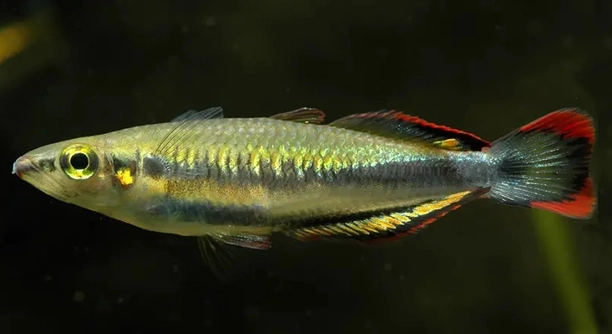
Rainbowfish are small, colorful freshwater fish that often brighten up home aquariums. They swim actively but sometimes avoid certain areas, leaving their owners wondering about their unusual behavior in the tank.
Rainbowfish may avoid the heater area due to temperature sensitivity. Excessive warmth can stress their metabolism and cause discomfort, prompting them to seek cooler regions. Maintaining a stable, moderate temperature is essential for their health and normal activity.
Observing their movements closely can help you create a more comfortable environment and improve their overall well-being in the aquarium.
Temperature Preferences of Rainbowfish
Rainbowfish are naturally sensitive to temperature changes. In their native habitats, they experience stable waters, so sudden shifts in warmth or cold can make them uncomfortable. Heaters in home aquariums often create small zones of higher temperature. Rainbowfish may instinctively avoid these areas because extreme heat can increase stress levels and affect their immune systems. Over time, repeated exposure to warmer zones can reduce their activity, cause loss of appetite, or even lead to illness. Observing where your fish spend most of their time can give insight into their comfort. Providing consistent temperatures throughout the tank helps them feel secure. Using a reliable thermometer and adjusting the heater to maintain moderate warmth ensures that the entire tank remains within a safe range. Even minor fluctuations can be noticeable to these delicate fish, making temperature management a key aspect of their care.
Maintaining a stable tank temperature helps rainbowfish stay healthy and active while preventing stress-related behavior.
Ensuring proper temperature balance also supports breeding and natural activity. Rainbowfish that feel too warm will linger in cooler sections, often near decorations or the tank surface. Proper water flow and circulation prevent hot spots from forming. Tank size, heater placement, and monitoring can all influence their comfort. By observing these patterns, you can make small adjustments that significantly improve their well-being. Feeding schedules, tank lighting, and hiding spots all interact with temperature comfort. Providing a slightly cooler area gives rainbowfish choice and reduces stress. This balance encourages vibrant colors and normal swimming habits. Overheating can be subtle, so watching their behavior closely is essential. Small interventions can prevent long-term health issues and promote a lively, thriving aquarium.
Other Factors That Affect Their Movement
Light intensity and water flow can influence rainbowfish activity. Bright lights or strong currents often push them toward calmer, shaded areas.
Beyond temperature, rainbowfish may avoid the heater area because of interaction with other elements in the tank. Light and flow play a large role in their comfort. Bright lights near heaters can make areas feel too intense, while strong water currents may create turbulence they prefer to avoid. Decorations, plants, and hiding spots also provide refuge, allowing them to regulate exposure to temperature and light simultaneously. Even subtle factors, like water surface agitation from the heater, can make certain zones less appealing. Observing their daily patterns helps identify which areas are causing stress. Adjusting heater placement, controlling light intensity, and providing ample plants can create a balanced environment. Every rainbowfish has its own tolerance level, so attention to their reactions is essential. These combined adjustments ensure they remain healthy, comfortable, and display natural, vibrant behavior throughout the tank.
Placement of the Heater
Incorrect heater placement can create uneven temperatures in the tank, which rainbowfish tend to avoid. Placing the heater too close to decorations or near strong water flow may make the surrounding area uncomfortable for them.
Rainbowfish often swim away from heater zones because water near the heater can become too warm or unevenly heated. Heaters placed at one end of the tank without proper circulation can form hot spots. These hot spots can stress fish and cause them to seek cooler sections. Even if the overall tank temperature is appropriate, localized warmth near the heater can make rainbowfish uncomfortable. Observing their swimming patterns and adjusting the heater’s location ensures more evenly distributed warmth. Using water pumps or circulation devices can help maintain a stable temperature throughout the tank. This small adjustment often encourages rainbowfish to explore the tank more freely without avoiding certain areas.
If the heater is hidden behind plants or ornaments, rainbowfish might still sense warmth but avoid the area because the water flow around it feels unnatural. Ensuring open, evenly heated spaces helps them feel safer and reduces stress-related behavior.
Health and Stress Considerations
Prolonged exposure to overheated water can lead to stress, weakened immunity, and reduced appetite in rainbowfish.
Stress from heat can affect multiple aspects of rainbowfish health. Constantly staying away from the heater may indicate that water near it is too warm or inconsistent. Stress can cause lethargy, dull coloration, or irregular swimming patterns. Over time, a stressed fish may become more susceptible to diseases like fin rot or fungal infections. Monitoring their activity and adjusting tank conditions can prevent these problems. Stress can also reduce breeding behavior and affect overall tank dynamics, as stressed fish may hide or become less active. Keeping temperatures stable, maintaining proper filtration, and offering shaded areas helps mitigate these effects, allowing rainbowfish to thrive.
Water quality interacts closely with temperature. If the heater raises water too much, oxygen levels may decrease, adding another stress factor. Combining proper temperature, flow, and oxygenation ensures rainbowfish remain healthy, active, and display natural colors. Observing their behavior daily allows for quick interventions before stress escalates. A well-balanced environment keeps them confident, comfortable, and reduces avoidance of any tank area.
Observing Behavior Patterns
Rainbowfish often avoid areas near the heater when they feel uncomfortable. Noticing where they spend most of their time helps identify problem zones.
Watching their daily routines can reveal preferences for cooler or shaded areas. Consistent avoidance signals adjustments may be needed in the tank setup.
Adjusting Heater Settings
Heater settings directly influence water temperature distribution. Small changes can make the difference between comfortable and stressful conditions for rainbowfish. Ensuring gradual adjustments prevents sudden shifts that could disturb their behavior. Using a reliable thermometer and setting the heater to a moderate level allows the entire tank to remain within a safe range. Observing rainbowfish reactions after adjustments is important, as they respond quickly to changes. Proper placement combined with careful temperature control ensures healthier swimming patterns, more activity, and reduced stress. These steps help maintain consistent warmth without forcing fish to avoid certain areas.
Tank Decorations
Plants and ornaments near heaters can affect water flow and create warmer zones that rainbowfish might avoid.
FAQ
Why do my rainbowfish avoid the heater even when the water seems warm enough?
Rainbowfish are sensitive to sudden temperature changes or uneven heating. Even if the overall water temperature is safe, areas near the heater can be slightly warmer, creating micro-zones that feel uncomfortable. Observing their swimming patterns helps identify which areas they prefer.
Can the heater stress my rainbowfish?
Yes, if the heater creates hot spots or fluctuates too much. Stress from heat can lead to reduced activity, dull coloration, or loss of appetite. Consistent, moderate temperatures and proper placement are essential to minimize stress and keep rainbowfish healthy.
Should I move decorations around the heater?
Yes, plants or ornaments near the heater can affect water circulation and create zones that feel too warm. Moving decorations or providing shaded areas helps rainbowfish find comfortable spaces while ensuring proper water flow.
How do I know if my rainbowfish are stressed by heat?
Signs include hiding, swimming near the surface, lethargy, or erratic swimming. Loss of appetite and faded colors can also indicate heat stress. Regular observation of behavior helps detect issues early and allows timely adjustments to heater settings.
Is it okay to have a heater in a small tank?
Small tanks are more prone to temperature fluctuations. Even small heaters can create uneven warmth, so careful monitoring is necessary. Using a thermometer and choosing a low-wattage heater appropriate for the tank size helps maintain stable conditions.
Can uneven temperature affect breeding?
Yes, rainbowfish are sensitive to temperature when breeding. Hot spots or inconsistent water temperatures can prevent spawning or reduce egg survival. Keeping a stable, moderate temperature supports natural reproductive behavior and overall health.
What is the ideal temperature range for rainbowfish?
Most rainbowfish thrive between 74°F and 78°F (23°C–26°C). Temperatures above or below this range can cause stress, reduce activity, and affect immunity. Consistent monitoring with a reliable thermometer ensures they remain within a safe range.
Should I turn off the heater at night?
It is generally not necessary unless the room temperature stays within the safe range. Turning off the heater can cause sudden drops in water temperature, which may stress rainbowfish. Maintaining consistent warmth is safer for their overall health.
Does water flow interact with heater placement?
Yes, water movement can distribute heat unevenly or create warm currents near the heater. Adjusting flow and circulation ensures more uniform temperature, preventing rainbowfish from avoiding certain zones.
Can multiple rainbowfish tolerate slightly warmer zones differently?
Individual tolerance varies. Some may ignore slightly warmer areas, while others will actively avoid them. Observing each fish’s behavior helps ensure all individuals are comfortable and not stressed by localized heat.
How often should I check my tank’s temperature near the heater?
Daily checks are ideal, especially in small or heavily decorated tanks. Using a reliable thermometer near the heater and in other areas ensures consistent temperature, helping rainbowfish stay active and healthy.
Will adding more plants near the heater help?
Yes, plants provide shade and create cooler microenvironments. This can encourage rainbowfish to explore near the heater without feeling stressed while improving the tank’s overall aesthetic and water quality.
Can stress from heat affect my rainbowfish long-term?
Prolonged heat stress can weaken their immune system, making them more susceptible to illness. Regular monitoring, proper heater placement, and providing shaded areas help prevent long-term health problems and maintain vibrant colors and normal activity.
Are there signs that the heater itself is malfunctioning?
Fluctuating temperatures, inconsistent water warmth, or sudden avoidance of the heater zone may indicate a malfunction. Checking the heater regularly and using a secondary thermometer ensures it works properly and keeps the tank safe.
How do I balance heater placement with tank decorations?
Place the heater where it won’t block water flow or create overly warm pockets. Use decorations and plants to diffuse heat naturally, allowing rainbowfish to move freely and choose comfortable areas throughout the tank.
Can other fish affect rainbowfish behavior near the heater?
Yes, territorial or aggressive species may force rainbowfish to avoid certain zones. Observing interactions and ensuring enough space and hiding spots can reduce stress and prevent avoidance behavior.
Is using a heater guard helpful?
Heater guards protect fish from direct contact and may slightly diffuse heat. While they prevent burns, they do not solve temperature fluctuations, so monitoring and proper placement remain crucial.
Do rainbowfish adjust to a heater over time?
Some may tolerate nearby heat if the temperature is consistent and moderate. Sudden changes or poorly distributed warmth usually keep them away. Observing gradual adjustments allows you to make small corrections for comfort.
Can night-time lighting influence avoidance near the heater?
Yes, bright lights combined with heater warmth can create uncomfortable zones. Providing dim lighting or shaded areas during the night encourages rainbowfish to explore without stress.
Is it okay if rainbowfish spend most time away from the heater?
Yes, as long as water temperature remains stable and within their ideal range. Their avoidance simply reflects preference for cooler zones, not necessarily a health issue if overall conditions are safe.
Final Thoughts
Rainbowfish are sensitive and active fish that thrive in well-maintained aquariums. Their behavior often reflects how comfortable they feel in their environment. When they avoid the heater area, it is usually a sign that something in that zone is not ideal for them. This could be due to slightly higher temperatures, uneven heating, or stronger water currents near the heater. Even if the overall tank temperature is safe, micro-zones of heat can make rainbowfish feel stressed. Observing where they spend most of their time is an easy way to understand their preferences. Providing a stable and moderate temperature throughout the tank is essential for their health. Using a thermometer to monitor both the area near the heater and other regions of the tank helps maintain balance. Proper circulation, careful heater placement, and thoughtful tank decorations can make the tank more comfortable for rainbowfish, encouraging them to explore without avoidance.
Stress from heat can affect rainbowfish in several ways. Fish that consistently avoid certain areas may show signs of discomfort, such as slower swimming, hiding, or reduced appetite. Prolonged stress can weaken their immune system, making them more vulnerable to illness and reducing their overall vitality. Maintaining a calm, evenly heated environment helps prevent these issues. Plants and ornaments not only provide hiding spots but also help diffuse water flow and distribute heat more evenly. By creating cooler sections near the heater or adjusting its placement, you give rainbowfish options without compromising overall water warmth. These small changes can significantly improve their behavior and overall well-being. Attention to detail is important, as rainbowfish respond quickly to their surroundings. Ensuring a consistent environment reduces stress, supports natural activity, and helps maintain vibrant coloration.
Understanding your rainbowfish’s behavior around the heater also enhances your enjoyment of the aquarium. Observing which areas they prefer and making adjustments to water temperature, flow, and tank setup can create a more harmonious space for them. Stable conditions support breeding, normal activity, and long-term health. Even minor fluctuations in temperature can make a noticeable difference in their behavior, so regular monitoring and adjustment are essential. By paying attention to their comfort and carefully managing tank conditions, you ensure that your rainbowfish remain active, healthy, and stress-free. Over time, these efforts build a balanced environment where rainbowfish feel safe and display their natural behaviors freely. Providing a thoughtful and well-maintained aquarium benefits both the fish and the overall tank ecosystem, resulting in a thriving aquatic habitat that feels natural and secure for your rainbowfish.

Hello,
If you enjoy the content that we create, please consider saying a "Thank You!" by leaving a tip.
Every little bit helps us continue crafting quality advice that supports the health, happiness, and well-being of pets around the world, for pets of all shapes, sizes, and species.
We really appreciate the kindness and support that you show us!