
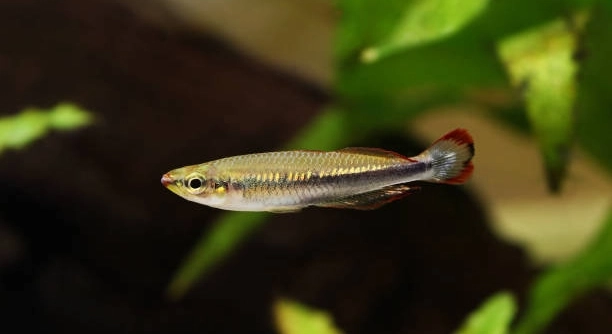
Have you ever wanted to create a calm and comfortable environment for your rainbowfish? Setting up a tank that reduces stress can make a big difference in their health and daily behavior, allowing them to thrive naturally.
Creating a low-stress tank for rainbowfish requires attention to water quality, temperature stability, and appropriate tank decor. Providing ample swimming space, hiding areas, and maintaining consistent lighting significantly reduces stress and promotes healthy, active, and vibrant fish.
Maintaining a stress-free environment for your rainbowfish can improve their colors, behavior, and overall well-being over time. The following tips will guide you through creating an ideal home for them.
Choosing the Right Tank Size
Rainbowfish are active swimmers and need ample space to move freely. A small tank can lead to stress, aggression, and stunted growth. For most species, a minimum of 30 gallons is recommended, but larger tanks are preferable for schools. Taller tanks are less important than wide swimming space, so prioritize length and width when setting up your aquarium. Crowding can increase stress levels and make it difficult to maintain water quality, leading to long-term health issues.
A well-sized tank allows rainbowfish to display natural behavior and reduces conflicts among individuals.
When selecting a tank, consider the number of fish and the type of plants or decorations you plan to include. Open swimming areas combined with hiding spots such as rocks, driftwood, or dense plants create a balanced environment. Positioning decorations strategically provides both cover and visual boundaries, which can help reduce stress and territorial disputes. Regularly monitoring water parameters, such as pH and temperature, ensures the tank remains stable, further supporting the health and well-being of your rainbowfish.
Water Quality and Filtration
Maintaining clean water is essential for rainbowfish health.
A reliable filtration system removes waste and keeps water parameters stable. Regular water changes, typically 20-30% weekly, help prevent toxin buildup. Monitoring ammonia, nitrite, and nitrate levels is critical to avoid stress-related illnesses. Stable water temperature and pH support proper immune function and coloration, contributing to overall vitality and longevity in your rainbowfish.
Consistent water quality practices ensure a low-stress environment for rainbowfish. Using a high-quality filter rated for your tank size is crucial. Combine mechanical, biological, and chemical filtration to maintain clarity and remove harmful substances. Testing water regularly helps identify imbalances before they affect fish. Temperature stability is equally important; rapid fluctuations can shock rainbowfish and increase susceptibility to disease. Properly acclimating fish during introductions also prevents stress. Incorporating live plants not only enhances aesthetics but also aids in nutrient absorption and oxygenation, creating a more natural and balanced ecosystem. By keeping a consistent maintenance routine, rainbowfish can exhibit natural behavior, vibrant colors, and improved overall health.
Tank Decor and Hiding Spots
Providing hiding spots reduces stress and aggression among rainbowfish. Plants, rocks, and driftwood create natural shelters that allow fish to feel safe and secure.
Using a mix of tall plants and low decorations helps rainbowfish establish territories without feeling crowded. Floating plants can diffuse bright light, making the environment more comfortable. Hardscape elements like caves or driftwood provide resting areas and break sightlines, reducing territorial disputes. Arranging decorations to leave open swimming spaces ensures that active species can move freely while still having access to cover. The combination of plants and structures mimics natural habitats and encourages natural behavior patterns.
Decorations should not obstruct water flow or make cleaning difficult. Choose non-toxic materials that will not alter water chemistry. Regularly trim plants and rearrange elements if needed to maintain balance. Observing how fish interact with their environment helps identify which areas they prefer, allowing adjustments to enhance comfort. This approach promotes a calm atmosphere, reduces stress, and supports the overall health and vibrancy of your rainbowfish.
Lighting and Temperature
Consistent lighting and temperature are crucial for rainbowfish health and stress reduction.
Rainbowfish thrive under moderate lighting, which highlights their natural colors without causing anxiety. Too bright or harsh light can lead to stress and hide-seeking behavior. Using a timer ensures a stable day-night cycle, simulating natural conditions. Temperature should remain stable, typically between 74-82°F, depending on species. Sudden fluctuations can weaken immune responses and affect activity levels. Proper lighting combined with consistent temperature supports feeding, breeding behavior, and overall well-being.
Light intensity and duration should be carefully managed to support plant growth and fish comfort. Avoid placing tanks in direct sunlight, which can cause temperature spikes and algae growth. Use adjustable LED or fluorescent lights to mimic gradual sunrise and sunset. Monitoring water temperature with a reliable heater and thermometer prevents harmful fluctuations. Some rainbowfish species prefer slightly cooler or warmer conditions, so research your specific fish. Stable environmental conditions reduce stress, encourage natural coloration, and help rainbowfish maintain energy levels and health. Regular observation ensures adjustments can be made promptly to keep the tank comfortable.
Feeding and Nutrition
Providing a balanced diet keeps rainbowfish healthy and reduces stress. Feed a mix of flakes, pellets, and frozen foods to meet nutritional needs.
Avoid overfeeding, as leftover food can degrade water quality and cause stress. Small, frequent meals are best for active fish.
Social Structure
Rainbowfish are schooling fish and feel safer in groups. Keeping at least six together minimizes aggression and promotes natural behavior. Choosing compatible species prevents conflicts.
Monitoring Behavior
Observing rainbowfish daily helps identify stress or illness early. Changes in swimming, appetite, or color indicate possible problems.
Regular Maintenance
Routine cleaning and partial water changes maintain water quality and support a healthy tank. Consistency prevents sudden changes that stress fish.
FAQ
How often should I feed my rainbowfish?
Rainbowfish should be fed small amounts two to three times daily. Overfeeding can lead to poor water quality and stress. Offer a mix of high-quality flakes, pellets, and occasional frozen foods like brine shrimp or bloodworms to ensure a balanced diet.
Can rainbowfish live alone?
Rainbowfish are social and thrive in groups of six or more. Keeping a single fish can cause stress, loneliness, and abnormal behavior. Groups help maintain natural schooling patterns and reduce aggression, making the tank environment more stable and enjoyable for the fish.
What water temperature is ideal for rainbowfish?
Most rainbowfish species prefer water between 74°F and 82°F. Maintaining a stable temperature is essential, as sudden changes can weaken their immune system and cause stress. Use a reliable heater and thermometer to monitor and adjust the temperature consistently.
How often should I change the water?
Partial water changes of 20-30% weekly help maintain water quality. Regular changes remove waste and toxins, keeping fish healthy and reducing stress. Use a dechlorinator for tap water and match the temperature closely to avoid shocking the fish.
What kind of plants and decorations are best?
Tall and dense plants, driftwood, and rocks create hiding spaces and break sightlines. Open swimming areas combined with cover mimic natural habitats. Avoid sharp edges and materials that alter water chemistry. Proper placement reduces stress and encourages natural behavior.
How do I prevent stress from lighting?
Moderate lighting with a consistent day-night cycle works best. Avoid direct sunlight or overly bright artificial light. A timer ensures stability. Floating plants can diffuse light, making the environment more comfortable and less stressful for the fish.
Is water hardness important?
Rainbowfish generally prefer moderately hard water. Testing for general and carbonate hardness helps maintain stable conditions. Drastic changes in water hardness can stress the fish, so any adjustments should be gradual and monitored carefully.
What signs indicate stress or illness?
Look for changes in swimming, appetite, or coloration. Hiding excessively, rapid gill movement, or clamped fins may indicate stress or disease. Early observation allows quick action, such as adjusting water conditions or isolating sick fish, to prevent serious health issues.
Can rainbowfish live with other species?
Yes, but choose peaceful, compatible species. Avoid aggressive or fin-nipping fish. Proper selection reduces stress, maintains a calm environment, and ensures rainbowfish can display natural schooling and foraging behavior without constant harassment.
How do I acclimate new rainbowfish?
Float the bag in the tank for 15-20 minutes to equalize temperature. Gradually mix tank water into the bag over 30-60 minutes before release. Slow acclimation minimizes stress and reduces the risk of shock or sudden illness.
How important is filtration?
Filtration is essential for maintaining clean water and stable parameters. Mechanical, biological, and chemical filtration work together to remove waste and toxins. A properly sized filter ensures water clarity, reduces stress, and supports healthy, active fish.
Can I keep rainbowfish in a planted tank?
Yes, live plants improve water quality, provide hiding spots, and create a natural environment. Choose hardy plants that can tolerate similar water parameters. Proper plant care complements tank maintenance and contributes to a low-stress habitat.
What should I do if rainbowfish fight?
Ensure adequate space, hiding spots, and group sizes. Removing aggressive individuals temporarily may be necessary. Stress from fighting can lead to illness, so monitoring behavior and adjusting the environment is essential.
How do I maintain proper pH levels?
Rainbowfish prefer slightly alkaline water, generally around 6.5-7.5. Test regularly and make gradual adjustments if needed. Stable pH prevents stress, supports immune function, and ensures proper coloration and activity.
Are there seasonal considerations for rainbowfish care?
Temperature and light stability are key year-round. Seasonal changes in room temperature or daylight exposure may require adjustments to heaters and timers. Maintaining consistent conditions helps rainbowfish stay healthy, active, and stress-free throughout the year.
This FAQ covers the most common concerns for maintaining a low-stress tank for rainbowfish. Consistent attention to diet, water quality, temperature, tank setup, and social structure ensures healthy, vibrant, and active fish. Proper care reduces stress and promotes long-term well-being in your aquarium.
Creating a low-stress tank for rainbowfish requires attention to multiple factors, but the effort is well worth it. Providing an adequately sized tank ensures that rainbowfish have enough space to swim freely and exhibit natural behavior. Crowding is a common source of stress, which can lead to aggression and stunted growth. Choosing decorations such as rocks, driftwood, and plants provides hiding spots and resting areas, giving fish a sense of security. Open swimming spaces combined with well-placed cover help maintain a balance between activity and safety. Observing how the fish interact with their environment allows you to make small adjustments, improving comfort and reducing tension within the tank. By focusing on proper tank size and layout, you create the foundation for a healthy and vibrant aquatic environment.
Maintaining stable water conditions is equally important for reducing stress in rainbowfish. Regular water changes, proper filtration, and monitoring of temperature, pH, and hardness ensure that the tank remains safe and comfortable. Sudden fluctuations in water parameters can weaken immune systems and trigger abnormal behavior, so consistency is key. A reliable heater and thermometer help maintain stable temperatures, while partial water changes remove waste and prevent harmful toxins from accumulating. Incorporating live plants can enhance water quality by absorbing nutrients and providing natural oxygenation. Lighting should be moderate and follow a consistent day-night cycle, supporting normal activity patterns and reducing anxiety caused by overly bright or inconsistent illumination. Paying attention to these environmental factors ensures rainbowfish remain healthy, active, and colorful.
Social structure and nutrition also play a vital role in creating a low-stress environment. Rainbowfish are schooling species, so keeping them in groups of at least six helps reduce aggression and promotes natural behavior. Introducing new fish gradually and monitoring interactions prevents conflicts and ensures the group remains balanced. Feeding a varied diet of flakes, pellets, and occasional frozen foods supports proper growth and maintains vibrant coloration. Avoid overfeeding, as leftover food can impact water quality and increase stress. Regular observation of behavior, appetite, and appearance allows you to detect early signs of stress or illness. By combining proper tank size, stable water conditions, adequate hiding spots, social considerations, and balanced nutrition, you create a tank environment where rainbowfish can thrive safely and comfortably over the long term.

Hello,
If you enjoy the content that we create, please consider saying a "Thank You!" by leaving a tip.
Every little bit helps us continue crafting quality advice that supports the health, happiness, and well-being of pets around the world, for pets of all shapes, sizes, and species.
We really appreciate the kindness and support that you show us!