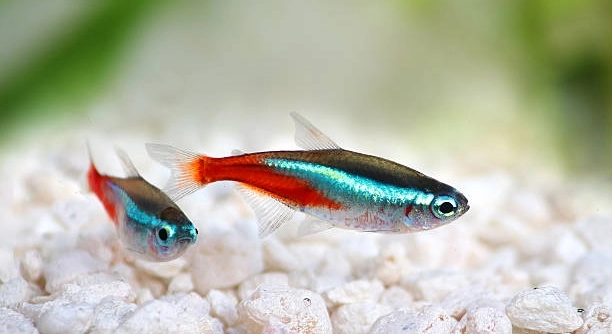
7 Best Ways to Control Tank Temperature Fluctuations for Neon Tetra
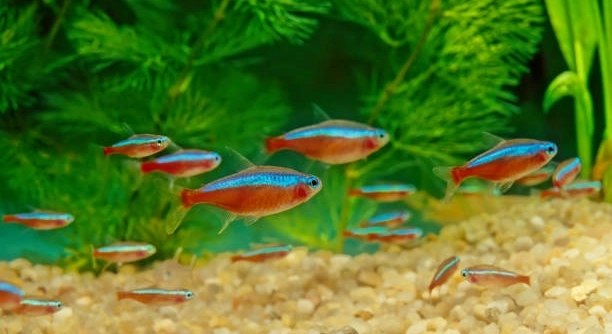
Neon tetras are popular and delicate aquarium fish that thrive in stable water conditions. One of the most important factors in their care is maintaining a consistent tank temperature. Fluctuating temperatures can stress these tiny fish and even lead to health problems. To effectively control temperature fluctuations for neon tetras, use reliable heating equipment, place … Read more
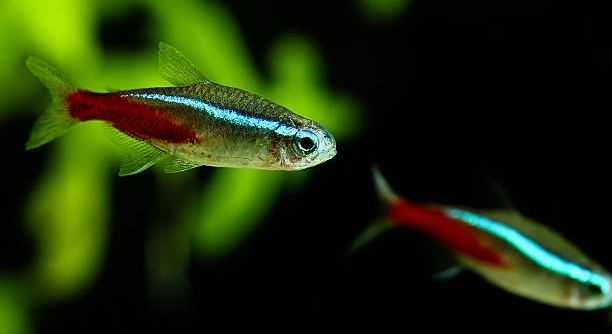
7 Reasons Neon Tetra Might Prefer a Dimly Lit Tank

Neon Tetras are popular freshwater fish known for their vibrant colors and peaceful nature. Many aquarium owners often wonder how to create the ideal environment for them, particularly when it comes to tank lighting. Neon Tetras tend to prefer dimly lit environments because their natural habitat consists of shaded, low-light areas. This makes them feel … Read more

How to Stop Neon Tetra from Attacking Shrimp (7 Solutions)

Are your shrimp constantly stressed or going missing in a tank shared with neon tetras? This can be frustrating, especially when both species are known for their peaceful nature but don’t always get along. The most effective way to stop neon tetras from attacking shrimp is to provide ample hiding spaces, adjust feeding routines, and … Read more

7 Best Plants for a Neon Tetra Biotope Tank

The right plants can create a thriving environment in your Neon Tetra biotope tank. Choosing the best plants is essential to replicate their natural habitat and support the health of your fish. The ideal plants for a Neon Tetra biotope tank are those native to the Amazon River Basin, where Neon Tetras are commonly found. … Read more

7 Reasons Neon Tetra Might Ignore Their Food

Neon Tetras are small, colorful fish that can be picky eaters. If your Neon Tetra is ignoring its food, it may be frustrating to watch. Several factors could be at play, affecting their appetite. There are several reasons why Neon Tetras might ignore their food. Stress, water quality, illness, and even environmental factors like lighting … Read more

7 Ways to Improve Neon Tetra Tank Circulation

Neon Tetras are beautiful and delicate fish, requiring a well-balanced tank environment to thrive. Proper water circulation is essential to their health, as it ensures they receive the necessary oxygen and nutrients. Improving circulation in a Neon Tetra tank is crucial for promoting water movement and oxygen exchange. To achieve optimal circulation, consider using efficient … Read more

Why Are My Neon Tetra Avoiding Open Spaces? (+7 Explanations)

Neon Tetras are popular fish in home aquariums, admired for their vibrant colors. However, it’s not uncommon for owners to notice their Tetras avoiding open spaces. This behavior can be puzzling and frustrating for those who love their aquatic pets. Neon Tetras often avoid open spaces due to a natural instinct for safety and security. … Read more

How to Develop a Nutrient-Rich Aquatic Environment for Neon Tetra (7 Tips)

Creating a healthy aquatic environment is essential for the well-being of Neon Tetras. These vibrant fish thrive in specific water conditions, and understanding how to maintain them is key to their longevity and vibrant color. Developing a nutrient-rich aquatic environment for Neon Tetra requires maintaining water quality, temperature, and filtration. The proper substrate and regular … Read more

7 Easy Ways to Keep Neon Tetra Tank Algae Under Control

Are your neon tetras swimming through cloudy water or sharing their tank with growing patches of green? Algae can quickly take over if not managed regularly, affecting both the look and balance of your aquarium. The most effective way to keep algae under control in a neon tetra tank is through a mix of regular … Read more

7 Ways to Spot Stress in Neon Tetra Before It’s Too Late

Are your neon tetras acting a little off, but you’re not sure what’s going on? Spotting stress early can help protect their health and keep your aquarium running smoothly for years to come. Stress in neon tetra is often identified through signs like faded color, erratic swimming, loss of appetite, clamped fins, or hiding behavior. … Read more