
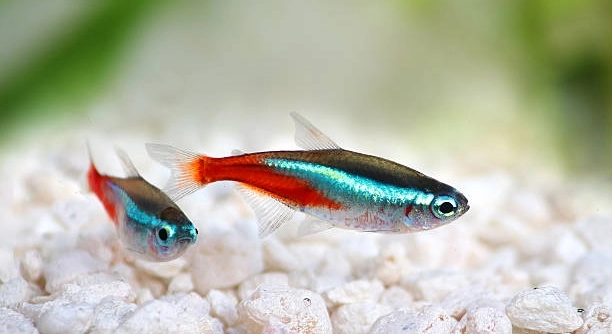
Neon Tetras are beautiful and delicate fish, requiring a well-balanced tank environment to thrive. Proper water circulation is essential to their health, as it ensures they receive the necessary oxygen and nutrients.
Improving circulation in a Neon Tetra tank is crucial for promoting water movement and oxygen exchange. To achieve optimal circulation, consider using efficient filtration systems, adjusting the placement of decorations, and ensuring water flow is consistent throughout the tank.
Making adjustments to improve circulation will not only benefit the health of your fish but also create a more vibrant and stable aquarium environment.
Proper Filtration System for Better Water Flow
A high-quality filtration system is essential to achieving the right water circulation in your tank. Not only does it remove waste and debris, but it also promotes water flow, which is crucial for the health of your Neon Tetras. A powerful filter will ensure that water is constantly moving, mimicking the natural currents these fish are accustomed to. It’s important to choose a filter with an adjustable flow rate, as too much flow may stress your fish. A sponge filter can also be a good option for those seeking a gentle flow.
If your filter is not powerful enough, the water movement may be insufficient, leading to stagnant spots in the tank. This can cause harmful substances to accumulate, affecting water quality and fish health. On the other hand, using a filter with too high of a flow can create turbulent conditions that stress your fish, potentially leading to illness or abnormal behavior.
Make sure to maintain and clean your filter regularly to ensure it functions optimally. A clean filter prevents clogging and improves circulation by allowing water to flow freely. By selecting the right filtration system and keeping it in good condition, you’ll provide your Neon Tetras with the healthiest possible environment.
Tank Decorations and Water Flow
The arrangement of decorations in your tank plays a significant role in water movement.
Large decorations or rocks can disrupt water flow and create stagnant areas, limiting circulation. Keep decorations spaced out to avoid blocking the filter’s current, promoting even water distribution.
Tank Size and Its Impact on Circulation
The size of your tank is directly linked to how well water circulates. A small tank will naturally have less room for water to flow, while a larger tank will offer more space for water to move around. It’s important to ensure that the filtration system matches the size of your tank for effective water movement.
In smaller tanks, the filter should be strong enough to circulate water throughout the entire space. However, in a larger tank, you may need multiple filters or a more powerful one to achieve even circulation. Even if you have a filter suited to the tank’s size, the shape of the tank also plays a role. Tall or narrow tanks might restrict water flow, while long or wide tanks allow better movement.
Positioning the filter properly is essential. Placing it near one side of the tank will help push water through, creating a more uniform flow throughout the rest of the aquarium. Experimenting with filter placement can help you identify the best spot to enhance circulation.
Water Surface Movement
The movement of water at the surface affects overall circulation.
Creating surface agitation is key to ensuring proper oxygen exchange in your tank. A surface skimmer or air stone can help create gentle ripples, preventing stagnation and promoting better oxygen levels.
Air Pumps and Their Role in Circulation
Air pumps are a great addition to any tank, especially for improving water flow. They help create bubbles that break up the surface tension and enhance water movement. This promotes better oxygen exchange and ensures that the water stays well-circulated.
Using air pumps alongside a filter increases water movement, preventing stagnant zones in the tank. They can also be used in tanks where the filter alone may not create enough flow. Adjust the air pump’s output to prevent strong currents from stressing your fish.
Substrate Considerations
The type of substrate you choose affects how water moves around the tank.
Using fine sand or gravel can help water circulate more easily by preventing buildup of waste in the substrate.
FAQ
How do I know if my Neon Tetra tank has good circulation?
Good circulation is essential for maintaining water quality and ensuring that your Neon Tetras stay healthy. To check if circulation is effective, observe if the water moves evenly throughout the tank. You should see gentle ripples on the surface, and the plants or decorations should sway slightly. If you notice stagnant areas where debris builds up, circulation may be inadequate. You can also check if your filter is running smoothly and if the water is clear and free of waste.
Can too much water flow harm my Neon Tetras?
Yes, excessive water flow can cause stress to your Neon Tetras. These fish are accustomed to slow-moving waters, so high flow can make them anxious and may result in health problems. If your filter or air pump is too powerful, it could create strong currents that make it difficult for your fish to swim. Watch for signs of distress, such as Neon Tetras avoiding the current or swimming erratically. If you notice these behaviors, consider adjusting the flow or adding flow control devices like sponges or diffusers to reduce the current.
What is the best filter type for a Neon Tetra tank?
The best filter for a Neon Tetra tank is one that provides gentle but effective filtration. Sponge filters are often a good choice because they create a gentle flow, ensuring that your fish aren’t disturbed while keeping the tank clean. Canister filters can also work well, but they may require flow adjustment to avoid overwhelming the fish. Hang-on-back (HOB) filters are another option, but again, make sure to choose one that allows you to adjust the flow rate to suit the needs of your tank.
How do I adjust the flow rate in my tank?
Adjusting the flow rate depends on the type of filter or air pump you’re using. Many filters allow you to control the flow via a dial or lever, making it easy to reduce or increase water movement. For air pumps, you can adjust the air stone or valve to control the amount of bubbles produced. If your filter doesn’t offer adjustable flow, you can install a flow reducer or baffle to soften the current. Always monitor how your fish respond after adjusting the flow to ensure they’re comfortable.
Do I need a surface skimmer in my Neon Tetra tank?
A surface skimmer can help improve circulation and water quality by removing debris and organic matter that floats on the water surface. This is especially useful if you have plants or if your tank tends to accumulate surface scum. While it’s not strictly necessary for every tank, adding a skimmer can help keep the water clean and promote better oxygen exchange. However, be cautious not to create too much surface agitation, as this can affect the overall flow and distress your fish.
How can I prevent dead spots in my tank?
Dead spots in your tank are areas where water doesn’t circulate properly, allowing debris and waste to accumulate. To prevent this, ensure that your filter is placed in an optimal position, usually near the back corner of the tank, to allow for even water flow. Adding an additional filter or air pump can help improve circulation in larger tanks. You can also rearrange decorations to avoid blocking the water’s path. Lastly, regular water changes and careful monitoring of the water flow can help prevent the buildup of debris in stagnant areas.
Is it safe to use an air stone in my Neon Tetra tank?
Yes, air stones are safe and beneficial for your Neon Tetra tank. They help promote surface agitation, improving oxygen exchange and preventing stagnation. Air stones create bubbles that enhance water movement, ensuring better circulation and promoting a healthy tank environment. However, it’s essential to regulate the size and output of the air stone to avoid creating too much turbulence in the water, which could stress the fish.
Can I add live plants without affecting water circulation?
Live plants can be added without negatively impacting water circulation if you place them strategically. Plants can create natural barriers and help with water flow by directing it. However, large plants with thick foliage may block the filter’s flow, causing stagnant spots in the tank. To maintain good circulation, choose plants that don’t obstruct water movement and regularly trim them to avoid overgrowth. Additionally, position plants away from the filter’s intake to allow for proper flow around them.
What role does the tank shape play in circulation?
The shape of your tank has a significant effect on water circulation. In a rectangular or long tank, water flows more easily, allowing for better movement and circulation. In contrast, taller or narrow tanks may restrict water flow, causing certain areas to become stagnant. A long tank will give the filter more space to create even circulation, whereas tall tanks may require more powerful filters or multiple pumps to achieve the same effect. Consider your tank’s dimensions when selecting filters and designing the layout to ensure proper water movement.
How often should I check the water circulation in my tank?
It’s a good practice to check the circulation in your tank at least once a week, especially when performing water changes. During this time, make sure that the filter is running efficiently, check for any signs of stagnant water, and observe how your fish are behaving. If you notice a change in the water flow or fish activity, it may be necessary to adjust the filter, pump, or decorations to improve circulation. Regular checks will ensure that your Neon Tetras are comfortable and healthy.
Final Thoughts
Maintaining proper circulation in a Neon Tetra tank is essential for the health of the fish and the overall tank environment. A well-circulated tank ensures that oxygen is evenly distributed, helping the fish breathe easily and stay active. It also prevents waste buildup, which could lead to poor water quality. To achieve this, the right filtration system and air pumps are necessary to maintain gentle water movement. In addition, regular monitoring of the water flow, tank setup, and fish behavior can help identify any issues before they affect the tank’s ecosystem.
It is also important to remember that too much water movement can be harmful to Neon Tetras. These fish are naturally found in slow-moving waters, so strong currents can cause them stress, making them less active or leading to health problems. Adjusting the flow rate is an easy way to ensure your fish are comfortable. Using filters with adjustable flow or adding diffusers or sponges to soften the current can create a more suitable environment for your Neon Tetras. Observing how the fish respond to the flow will give you valuable feedback on whether the circulation is appropriate for their needs.
Ultimately, creating the right balance in your tank is key. This means ensuring there is enough circulation to maintain clean water while not overwhelming the fish with excessive currents. By choosing the right equipment, such as appropriate filters, air pumps, and strategically placed plants, you can create an environment that promotes both water quality and the well-being of your fish. Regular maintenance and careful adjustments will ensure that your Neon Tetra tank remains a healthy and thriving habitat for years to come.

Hello,
If you enjoy the content that we create, please consider saying a "Thank You!" by leaving a tip.
Every little bit helps us continue crafting quality advice that supports the health, happiness, and well-being of pets around the world, for pets of all shapes, sizes, and species.
We really appreciate the kindness and support that you show us!