
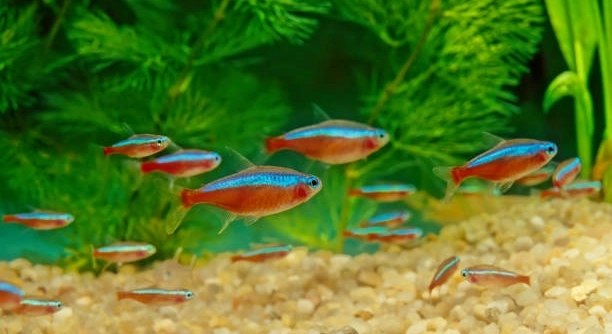
Neon tetras are popular and delicate aquarium fish that thrive in stable water conditions. One of the most important factors in their care is maintaining a consistent tank temperature. Fluctuating temperatures can stress these tiny fish and even lead to health problems.
To effectively control temperature fluctuations for neon tetras, use reliable heating equipment, place the tank in a stable environment, monitor temperatures regularly, and ensure proper tank insulation. These measures will create a comfortable habitat for your neon tetras.
By understanding the causes of temperature changes and how to manage them, you can create a healthy environment for your fish. Keep reading to learn the best ways to ensure stable conditions for your neon tetras.
Use a Reliable Heater
A reliable heater is essential to maintain a consistent temperature for your neon tetras. Choose a quality aquarium heater that fits your tank size. It’s important to look for heaters with a built-in thermostat to regulate the water temperature. Check for features like an automatic shut-off to avoid overheating. You should also place the heater in a spot where water can circulate freely around it, ensuring an even temperature throughout the tank. While most heaters come with an adjustable setting, it’s important to monitor the temperature closely during the first few days to ensure it works properly. Keeping the tank at a constant, warm temperature can reduce stress and help neon tetras stay healthy.
Always test the heater before placing it into the tank to avoid any malfunctions. You can also consider using a backup heater, especially if you live in an area with unstable power supplies.
Consistent temperature control is key for the overall well-being of neon tetras. Proper use of a heater ensures they remain comfortable and less prone to illnesses. By investing in a high-quality aquarium heater, you’re setting up your fish for long-term health.
Insulate the Tank
Insulating your tank helps prevent sudden drops or rises in temperature, especially in colder environments. A simple method is to use an aquarium blanket or place the tank away from direct sunlight.
Proper insulation keeps the water stable and prevents temperature fluctuations caused by drafts or outdoor weather changes.
Place the Tank in a Stable Location
Place your tank in a room that has stable, consistent temperatures. Avoid areas where temperature changes are frequent, like near windows or air conditioning units. Exposure to drafts or heat sources can cause your aquarium to experience fluctuations. The ideal location would be away from direct sunlight, but also not too far from a source of heat in cold weather. Keep the tank on a sturdy surface to prevent accidental shifts that could damage the temperature regulation equipment.
Make sure the area around your tank is free from sudden temperature changes. Avoid placing it near doors, windows, or vents. Neon tetras need an environment with minimal disturbances to stay healthy. A stable location will also help you maintain a consistent temperature.
If your tank is placed in a location with temperature variations, the heater may struggle to maintain the right conditions. A consistent environment prevents overworking your equipment and avoids unnecessary stress on your fish. This also makes it easier to monitor and control the tank’s temperature.
Use an Aquarium Thermometer
An aquarium thermometer is essential to monitor the temperature of your tank. Regular readings will ensure that your heater is working correctly and that your fish are in a stable environment. Digital thermometers are more precise than traditional ones and can help you get more accurate measurements. Place the thermometer in a spot that reflects the overall tank temperature, preferably away from the heater for an even reading.
Checking the temperature daily will give you peace of mind, knowing the tank is at a proper level. If you notice fluctuations, you can adjust the heater or take other steps to correct the issue. This helps you avoid surprises that could harm your neon tetras.
Additionally, digital thermometers with alerts or alarms are a great tool for instant temperature warnings. Some models even allow you to monitor the temperature remotely, making it easier to catch issues early. Keeping your thermometer calibrated is also crucial for accurate readings.
Maintain Consistent Lighting
Consistent lighting helps maintain a stable temperature in your tank. Aquarium lights can produce heat, so using them in a predictable cycle can help keep the tank’s temperature steady. Avoid using lights that are too bright or produce excess heat, as this can cause fluctuations.
Timers can be a helpful tool to regulate lighting periods, preventing the lights from staying on too long and overheating the water. Neon tetras thrive with a light cycle that mimics natural day and night, which also supports their health and well-being.
A consistent lighting routine also prevents sudden drops or spikes in temperature. The light should be on for 8-12 hours daily, which is perfect for neon tetras. By setting up a reliable schedule, you maintain stable conditions that avoid adding stress to your fish.
Insulate Your Tank’s Lid
Insulating the lid of your tank helps prevent heat loss, especially during cooler months. A well-insulated lid can keep your aquarium warm and stop the water temperature from dipping too low. Ensure it fits properly to avoid any gaps where warm air could escape.
Using materials like foam or specialized aquarium lid insulation kits can help trap heat and maintain an even temperature. If your tank has a lid with built-in insulation, make sure it’s intact and free from damage.
FAQ
What temperature should a neon tetra tank be kept at?
Neon tetras prefer a water temperature between 72°F and 80°F (22°C to 27°C). Keeping the water within this range ensures they stay comfortable and healthy. If the temperature falls below or rises above this range, it can cause stress and even illness. A consistent temperature is crucial, so invest in a reliable heater and thermometer to maintain this range. Keeping it steady within this ideal range will help your neon tetras thrive and reduce the risk of disease or stress.
Can neon tetras survive in cold water?
Neon tetras are tropical fish and are not suited for cold water. They need a stable warm temperature to remain healthy. If the water gets too cold (below 68°F or 20°C), neon tetras may become sluggish and more susceptible to diseases. Prolonged exposure to cold temperatures can lead to death, so it’s important to use a heater to maintain the right conditions for them.
How do I know if my neon tetras are stressed due to temperature fluctuations?
Stress from temperature fluctuations can manifest in neon tetras through behaviors like erratic swimming, loss of color, or hiding in the tank’s corners. They may also become lethargic or less active than usual. You might also notice that they aren’t eating or are swimming near the water surface, gasping for air. If you observe any of these signs, it’s crucial to check the water temperature and ensure it is within the appropriate range. A thermometer will help you confirm this and adjust accordingly.
Can I use a submersible heater for neon tetras?
Yes, submersible heaters are an excellent choice for neon tetras. They are designed to be fully submerged in the water and typically provide even heat distribution throughout the tank. A submersible heater can help maintain a consistent water temperature and is easy to install. Just ensure it’s the right size for your tank and set it at the desired temperature to keep your neon tetras comfortable.
Why is my aquarium heater not maintaining the temperature?
If your aquarium heater isn’t maintaining the temperature, it could be due to a few factors. First, check if the heater is the correct wattage for your tank size. A heater that’s too small may struggle to keep up with the water volume. Secondly, ensure the thermostat on the heater is working correctly and isn’t malfunctioning. Sometimes, heaters lose effectiveness over time or become clogged with debris, causing them to underperform. Lastly, make sure the heater is placed properly in the tank, as positioning can affect its performance.
What can I do if my heater fails during a cold spell?
If your heater fails during a cold spell, there are a few temporary measures you can take to keep the tank at the right temperature. First, move your tank to a warmer room if possible. Use a blanket or towel to insulate the tank’s sides, reducing heat loss. You can also use a portable aquarium heater or a fish-safe heat mat as a backup until the main heater is replaced. Always monitor the temperature closely and check on your neon tetras frequently during this period.
How often should I check the temperature of my neon tetra tank?
It’s a good idea to check your tank’s temperature at least once a day, especially if you are using a heater or if you live in an area where the weather fluctuates a lot. Consistent checks will help you catch any changes before they become an issue. You may also want to check the temperature more frequently when there are significant weather changes, like during a cold front or heatwave. A digital thermometer with an alarm is a great tool to monitor temperature changes in real-time.
Can neon tetras live without a heater?
Neon tetras can survive without a heater only if they are kept in a temperature-controlled environment that mimics their natural habitat. However, this is not ideal in most situations. Since neon tetras are tropical fish, they need a consistent temperature that is best maintained with a heater. Without one, their health can deteriorate, and they can become more vulnerable to diseases, stress, and even death. It’s recommended to use a heater to ensure they thrive in your aquarium.
How can I prevent my tank from overheating in hot weather?
To prevent overheating, make sure your aquarium is in a location where it’s not exposed to direct sunlight. Avoid placing it near heat sources like radiators or air conditioners. If the room temperature is very high, you can adjust the heater’s temperature settings to lower the water temperature and improve ventilation by placing a fan near the tank. Also, ensure the tank lid is well-ventilated to allow heat to escape. In extreme cases, you may need to use a cooling fan or aquarium chiller to help maintain a stable temperature.
What is the best way to insulate an aquarium for temperature control?
To insulate your aquarium, you can use foam, styrofoam, or aquarium-specific insulation materials. Wrapping the tank in insulation can help retain heat and prevent sudden temperature drops. Insulating the lid is also a great way to prevent heat loss, especially during the night. You can use aquarium insulating kits or even simple materials like foam board. Make sure to leave enough room for air circulation and monitor the temperature closely to avoid overheating.
Can fluctuations in temperature cause neon tetras to stop eating?
Yes, temperature fluctuations can cause neon tetras to stop eating. These fish can become stressed if the temperature isn’t consistent, which can affect their appetite. If the water is too cold or too warm, they may refuse food or show signs of lethargy. If you notice that your neon tetras are not eating, check the water temperature immediately. If it’s outside of the ideal range, take steps to regulate the temperature, as this may help encourage them to resume feeding.
Final Thoughts
Maintaining a stable temperature is crucial for the health and well-being of neon tetras. These small fish are sensitive to temperature changes, and fluctuations can cause them unnecessary stress. By taking the right steps to regulate the water temperature in your tank, you can ensure that your neon tetras live in a comfortable environment that promotes their growth and overall health. Using a reliable heater, placing the tank in a stable area, and insulating it properly are all key factors in maintaining the right conditions. Monitoring the water temperature with an accurate thermometer also helps you catch any sudden changes before they harm your fish.
Temperature fluctuations can happen for many reasons, whether it’s due to seasonal changes, issues with equipment, or the location of the tank. However, with proper preparation, you can prevent these fluctuations from affecting your neon tetras. Regular checks of your tank’s temperature, combined with the use of insulation and quality heating equipment, can help you keep the water at a consistent level. This is especially important for neon tetras since they are accustomed to tropical conditions and thrive in stable, warm water.
Taking the time to ensure your neon tetras have the right temperature will make a big difference in their health and happiness. With a few simple adjustments to your tank setup and routine, you can create the ideal environment for your fish. If you notice any signs of stress or unusual behavior in your neon tetras, check the temperature right away. By staying proactive and attentive to their needs, you will give your neon tetras the best chance at a long and healthy life in your aquarium.

Hello,
If you enjoy the content that we create, please consider saying a "Thank You!" by leaving a tip.
Every little bit helps us continue crafting quality advice that supports the health, happiness, and well-being of pets around the world, for pets of all shapes, sizes, and species.
We really appreciate the kindness and support that you show us!