
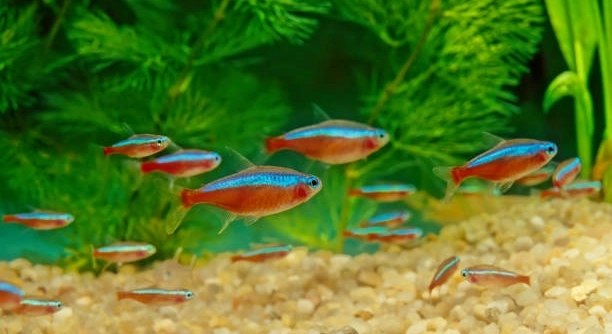
Neon Tetras are small, colorful fish that can be picky eaters. If your Neon Tetra is ignoring its food, it may be frustrating to watch. Several factors could be at play, affecting their appetite.
There are several reasons why Neon Tetras might ignore their food. Stress, water quality, illness, and even environmental factors like lighting or tank mates can influence their eating habits. Addressing these issues can help restore their appetite.
Understanding why your Neon Tetra isn’t eating will help you create the best conditions for them to thrive and enjoy their meals.
Stress and Anxiety
Neon Tetras are sensitive creatures. Stress can result from various sources like sudden changes in water temperature, noise, or overcrowding. They are easily affected by rapid shifts in their environment, making them feel threatened or uncomfortable. When stressed, their appetite may decrease as their body focuses on coping with the situation. If your Neon Tetra is swimming erratically or hiding, stress might be the issue. A calm, stable environment is essential to their well-being. Ensure they have enough space and that the water conditions are appropriate for their species.
It’s important to monitor the tank for any stress-inducing factors. Neon Tetras thrive in environments that mimic their natural habitat, so providing hiding spots, like plants, can help ease their stress.
Regular water changes and stable water conditions will help your Tetras feel secure. Keep the tank clean, and avoid sudden changes to the environment to help reduce stress and encourage normal feeding behavior.
Water Quality
Neon Tetras are particularly sensitive to water quality. Poor water conditions can lead to various health problems, causing them to lose interest in food. Ammonia, nitrites, and high levels of nitrates can all harm your fish. Regular testing of water parameters is essential to ensure that ammonia and nitrite levels are at zero, and nitrates are kept low. Keeping the water clean and filtered is key to maintaining a healthy aquarium.
If the water quality is compromised, your Neon Tetra may feel ill or stressed, which can lead to decreased appetite. Using a good filtration system and conducting regular water changes will help keep the tank clean and provide a healthy environment for your fish.
Maintaining stable water temperature, pH levels, and hardness is crucial. Neon Tetras prefer slightly acidic, soft water, with temperatures between 72°F and 78°F. Testing your water regularly and making necessary adjustments will help prevent issues and ensure your fish remain healthy and well-fed.
Illness and Health Issues
Health problems can cause Neon Tetras to lose their appetite. Illnesses like internal parasites, bacterial infections, or fin rot can lead to symptoms like lethargy, unusual swimming patterns, and a lack of interest in food. Always keep an eye out for any changes in behavior that might suggest illness.
If your Neon Tetra shows signs of illness, it’s important to isolate it from the rest of the fish. Consult a veterinarian or an expert on fish health to diagnose the problem. In some cases, treating the tank with specific medications can help recover the fish’s appetite.
Proper tank care can prevent many common diseases. Keeping the water clean, performing regular maintenance, and providing a balanced diet will help maintain the fish’s health. With a healthy environment and the right attention, your Neon Tetra can return to its usual, lively self.
Environmental Factors
Neon Tetras can be very particular about their environment. Factors like water movement, lighting, and tank mates can influence their feeding behavior. Strong water currents or bright, harsh lights can make them feel unsafe, leading to disinterest in food.
Ensure that the water current in the tank is mild, as they prefer calm waters. Adding plants and decorations to the tank can help break up strong currents and provide hiding places. Dim lighting can also make them feel more comfortable and encourage them to feed.
If your Neon Tetra shares the tank with more aggressive fish, they may feel threatened, reducing their appetite. Opt for peaceful tank mates, and monitor their interactions to ensure the environment remains stress-free for your Neon Tetra.
Overfeeding
Overfeeding can quickly lead to food waste in the tank, which affects the water quality. Excess food also makes the tank environment unhealthy, causing stress to your Neon Tetra. If they are not hungry or the water is too polluted, they may avoid eating.
To prevent overfeeding, offer small portions of food that your fish can consume in a few minutes. It’s better to feed them multiple smaller portions throughout the day than one large meal. This will help maintain a clean tank and keep your Neon Tetras healthy.
Remember, they will not eat if the tank is overfed, so keep a consistent feeding schedule.
Incorrect Diet
Feeding your Neon Tetra the wrong food can lead to a loss of appetite. They are omnivores, but they thrive on a balanced diet consisting of high-quality flake foods, pellets, and occasional live or frozen food like daphnia or brine shrimp.
If the food is unsuitable for their dietary needs, it can affect their health and feeding habits. Experimenting with different types of food might help you find the right one that appeals to your fish. A varied diet ensures your Neon Tetra gets all the necessary nutrients for its well-being.
Tank Size and Space
Neon Tetras need space to swim and explore. Inadequate tank size can lead to overcrowding, which may cause stress and discourage them from eating. A larger tank gives them the room they need to feel safe and comfortable.
Ensure your tank provides enough space for the Tetras to swim freely. A tank that’s too small can make them feel restricted, reducing their appetite. A proper tank size is essential for healthy fish behavior and feeding habits.
FAQ
Why is my Neon Tetra hiding and not eating?
Neon Tetras may hide and stop eating due to stress, illness, or poor water conditions. Stress can come from loud noises, sudden changes in the tank environment, or incompatible tank mates. Make sure the water temperature, pH, and filtration system are optimal. If they’re still not eating, check for signs of illness like unusual swimming or visible sores. A sick fish may retreat to hide and avoid food.
How do I know if my Neon Tetra is sick?
Signs of illness in Neon Tetras include lethargy, abnormal swimming patterns, fading colors, or visible sores. They may also stop eating or lose interest in their usual activities. Watch for changes in behavior or physical appearance. If you notice any of these symptoms, isolate the affected fish and treat the tank accordingly. A veterinarian can provide further guidance if necessary.
Can Neon Tetras eat only flake food?
While flake food is a convenient and common option, Neon Tetras benefit from a varied diet. Flake food should be supplemented with pellets, live or frozen food such as brine shrimp, or daphnia. A diverse diet ensures they receive all necessary nutrients, keeping them healthy and more likely to eat.
How often should I feed my Neon Tetra?
Neon Tetras should be fed small portions two to three times a day. It’s important not to overfeed, as excess food can pollute the tank and harm water quality. Feed them only what they can consume in a few minutes. If any food remains, remove it promptly to keep the tank clean.
Can the water temperature affect their appetite?
Yes, water temperature plays a significant role in a Neon Tetra’s feeding habits. They prefer water temperatures between 72°F and 78°F. If the water is too cold or too warm, they may become sluggish and lose their appetite. Maintaining a stable and appropriate temperature ensures your Neon Tetras stay healthy and active.
What is the best tank size for Neon Tetras?
A minimum of a 10-gallon tank is recommended for Neon Tetras, but larger tanks provide more space for them to swim and thrive. Overcrowding can cause stress, reducing their appetite and making them more susceptible to illness. The more space they have, the better their chances of staying healthy and feeding regularly.
How can I prevent my Neon Tetra from getting stressed?
To reduce stress, ensure that your Neon Tetra’s environment is calm and stable. Avoid sudden changes in the water parameters, and ensure the tank has gentle water flow. Providing hiding spots with plants and decorations helps them feel secure. Keeping them with compatible tank mates is also key to their comfort.
Why are my Neon Tetras not eating after being introduced to a new tank?
It’s common for fish to be hesitant to eat when they are placed in a new tank. The stress of the move, along with changes in water parameters or environment, can affect their appetite. Allow time for them to adjust to their new surroundings. Ensure that the tank is properly cycled and that the water quality is optimal before introducing new fish.
Can Neon Tetras eat vegetables?
While Neon Tetras are omnivores and will eat some plant matter, they primarily rely on animal-based foods like daphnia or brine shrimp. Small amounts of blanched vegetables like spinach or zucchini can be offered occasionally. However, their main diet should consist of high-quality flake foods and other protein-rich options.
How can I improve my Neon Tetra’s appetite?
Improving their appetite starts with addressing any stressors or water quality issues. Make sure the water is clean, the temperature is stable, and the tank is peaceful. Offering a varied diet can also encourage them to eat. Avoid overfeeding, as it can result in poor water conditions. Regular maintenance and providing a healthy environment will help restore their natural feeding habits.
Why is my Neon Tetra not eating after a water change?
After a water change, fish may become temporarily stressed due to fluctuations in water parameters. This could cause them to stop eating for a short period. Ensure that the temperature, pH, and hardness are stable and appropriate for your Neon Tetras. If the issue persists, check the water quality and consider any other potential stressors in the environment.
Do Neon Tetras prefer live or frozen food?
Neon Tetras enjoy live or frozen food such as brine shrimp, daphnia, or bloodworms. These foods are more natural and nutritious, encouraging them to eat more. While flake food is convenient, offering live or frozen food occasionally can improve their diet and boost their appetite. Variety is key to their health and well-being.
Can tank decorations affect their feeding habits?
Tank decorations can have an impact on Neon Tetras’ feeding habits. If there are too many hiding places or the decorations are too cluttered, they may become too stressed to feed properly. Ensure there is a balance of open swimming areas and hiding spots. Too little space can lead to a lack of confidence and poor feeding behavior.
Should I feed my Neon Tetras at the same time every day?
Yes, feeding at the same time each day helps establish a routine for your Neon Tetras. This consistency can make them feel secure and more likely to eat. Regular feeding times also help you monitor their health by observing whether they are eating well. Make sure you provide small portions to avoid overfeeding.
How do I know if my Neon Tetra is getting enough food?
If your Neon Tetra is actively swimming and its body is not visibly too thin, it is likely getting enough food. Be sure to feed in small portions, ensuring the food is consumed within a few minutes. Watch for any leftover food, which could indicate overfeeding or that your fish isn’t eating.
Can Neon Tetras eat pellets?
Yes, Neon Tetras can eat pellets, but they may prefer flake food or live food. However, pellets designed for small fish can provide balanced nutrition. Make sure the pellets are small enough for your Tetra to eat comfortably. A combination of pellets, flakes, and live or frozen food can give them the most nutritious diet.
How can I make my Neon Tetra feel more comfortable?
To make your Neon Tetra feel comfortable, provide a well-maintained tank with clean, stable water. Ensure the tank is not overcrowded and offer hiding spots like plants or driftwood. Keep the lighting soft and avoid sudden changes in the water conditions. A calm and secure environment will encourage your Tetra to feed and thrive.
Final Thoughts
Neon Tetras are generally hardy fish, but their feeding habits can be easily affected by various factors. Their environment plays a crucial role in whether they eat regularly. Water quality, tank size, and the presence of stressors like aggressive tank mates all contribute to their overall well-being. Maintaining a stable and healthy environment will not only encourage your Neon Tetra to eat but also ensure that they stay active and healthy for a long time. Regular monitoring of water parameters, such as temperature, pH, and ammonia levels, is essential to keep them in optimal conditions.
Feeding your Neon Tetra the right type and amount of food is another important aspect of their care. While they can thrive on high-quality flake foods, offering a varied diet with live or frozen foods will help keep them healthy and stimulate their appetite. Overfeeding can cause food waste and water quality issues, which can lead to a loss of appetite. Providing small portions that they can eat in a few minutes, multiple times a day, helps maintain clean water and a healthy feeding routine. Regularly changing the food offered, based on their preferences, can make sure they get a balanced diet.
By taking steps to reduce stress and create a comfortable environment for your Neon Tetra, you can address any feeding issues they may have. Avoid sudden changes in the tank, provide enough space, and be mindful of the tank mates you choose. Neon Tetras are social creatures, and keeping them in groups will help them feel safe and more inclined to eat. Keeping their tank clean and well-maintained, along with offering the right foods at the right time, will help ensure they remain healthy and active.

Hello,
If you enjoy the content that we create, please consider saying a "Thank You!" by leaving a tip.
Every little bit helps us continue crafting quality advice that supports the health, happiness, and well-being of pets around the world, for pets of all shapes, sizes, and species.
We really appreciate the kindness and support that you show us!