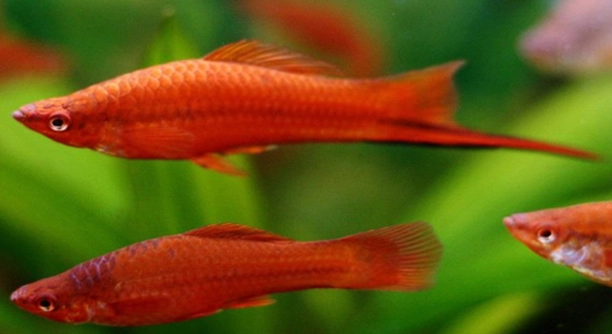
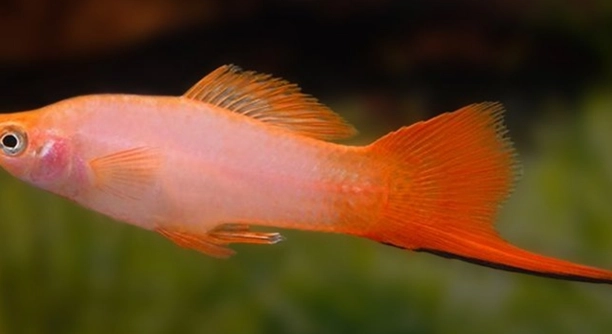
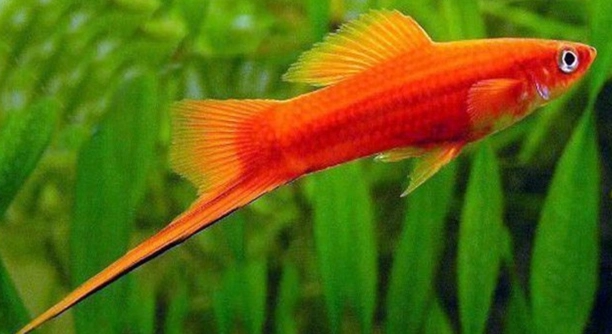
7 Ways Swordtails Communicate with Each Other
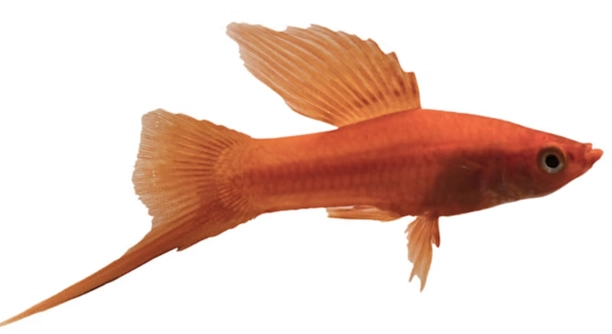
Swordtails, a type of freshwater fish, have unique ways of communicating with each other. Their interactions include body movements, color changes, and even sounds, which help them navigate social behaviors in their environments. Understanding these signals can offer insight into their social dynamics. Swordtails communicate through visual cues, body language, and color shifts. Male swordtails, … Read more
7 Things That Kill Swordtail Fry Fast

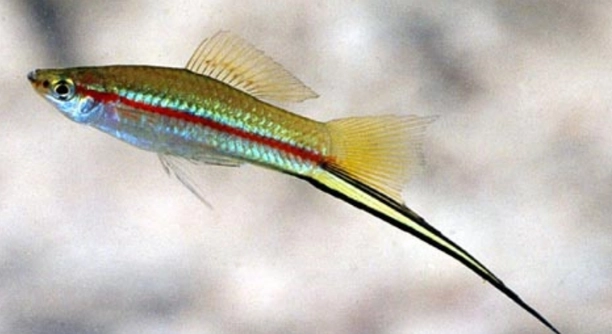
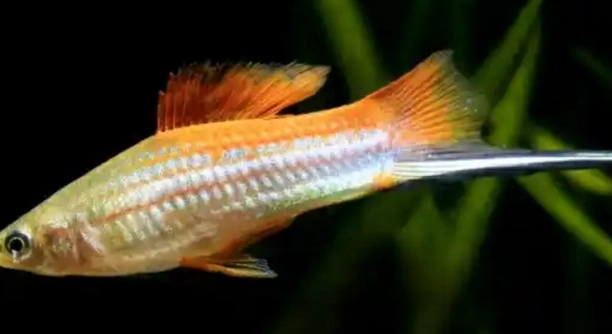
Swordtail fry are delicate creatures, and their survival can be easily compromised. As a hobbyist, it’s important to understand the factors that may harm them. Knowing these risks helps keep your fry happy and healthy. Several factors can quickly kill swordtail fry. Poor water quality, inadequate temperature, overfeeding, and incompatible tankmates are among the most … Read more

7 Common Parasites Found in Swordtails

Are your swordtails showing signs of stress or illness, but you’re not sure what could be causing the problem in your tank? Swordtails are susceptible to several common parasites, including ich, flukes, and anchor worms. These parasites can cause visible symptoms, behavioral changes, and overall health decline. Identifying and treating them early is essential to … Read more

7 Ways to Encourage Swordtails to Breed

Swordtails are popular freshwater fish known for their vibrant colors and active nature. If you own swordtails and wish to breed them, understanding the right conditions and care is key to successful reproduction. To encourage swordtails to breed, it’s important to provide optimal water quality, appropriate tank conditions, and a balanced diet. Additionally, keeping both … Read more

Why Is My Swordtail Darting Around?

Swordtails are popular fish in many aquariums. However, sometimes they dart around in ways that may seem unusual. This behavior can leave many fish owners wondering why their swordtail is acting this way. The darting behavior of your swordtail could be due to stress, territorial issues, or changes in water conditions. Swordtails may also exhibit … Read more

7 Swordtail Breeding Behaviors Explained

Swordtail fish are fascinating creatures with intriguing breeding behaviors. If you’re a hobbyist or new to aquarium care, understanding these behaviors is key to successfully breeding them and maintaining a healthy environment for their growth. Swordtails exhibit a variety of behaviors during mating, such as courtship displays where the male swims in front of the … Read more

7 Quick Fixes for Bored Swordtails

Do your swordtails seem uninterested in their surroundings, swimming aimlessly or staying still for long periods throughout the day? These behaviors may be early signs that your fish are feeling bored in their environment. The most effective way to re-engage bored swordtails is by making small changes to their habitat. This includes altering their tank … Read more

7 Tank Changes That Shock Swordtails

Tank changes can be surprising for swordtails, as they react in unique ways. Understanding these shifts helps maintain a healthy environment for them. With the right adjustments, you can ensure your fish thrive and stay active. Swordtails often experience stress when sudden changes in their tank environment occur. Shifting water parameters, lighting, or décor can … Read more

7 Common Issues in Mixed-Species Tanks

Are your fish and other creatures living together in harmony, or do you find some of them struggling to get along? Managing a mixed-species tank can be tricky, but understanding common challenges can help you maintain a balanced ecosystem. Mixed-species tanks often face issues like territorial disputes, aggression, incompatible water requirements, and imbalanced diets. The … Read more

Why Is My Swordtail Floating Upside Down?

Swordtails are beautiful fish, but it can be alarming when you notice them floating upside down. Understanding the cause of this behavior can help keep your pet healthy and thriving in its aquarium environment. Swordtails may float upside down due to issues such as swim bladder disease, water quality problems, or stress. These factors can … Read more