
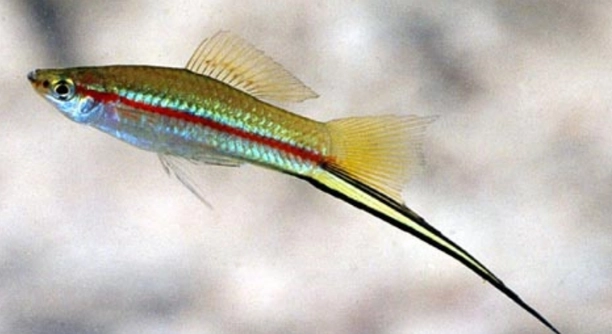
Swordtail fry are delicate creatures, and their survival can be easily compromised. As a hobbyist, it’s important to understand the factors that may harm them. Knowing these risks helps keep your fry happy and healthy.
Several factors can quickly kill swordtail fry. Poor water quality, inadequate temperature, overfeeding, and incompatible tankmates are among the most common causes. Fry are especially vulnerable to these issues, and even small changes can lead to rapid death.
Addressing these key factors can make all the difference in your swordtail fry’s survival. Learning how to maintain the ideal conditions and provide proper care will lead to stronger and healthier fish in the long run.
Poor Water Quality
Maintaining clean water is essential for the health of your swordtail fry. When the water becomes polluted with ammonia, nitrites, or nitrates, it can quickly lead to fry death. Fry are more sensitive to water conditions than adult fish, so even small amounts of toxins can cause significant harm. Uneaten food and waste buildup are primary contributors to poor water quality. Regular water changes and the use of a good filtration system can help keep the water clean and safe for your fry. Monitoring the water parameters, such as pH, hardness, and temperature, is also vital to avoid stress and prevent illness.
Regular maintenance is crucial. A good practice is to do water changes every few days, especially in a tank with fry. This will help reduce the toxins and keep the water fresh. Avoid overfeeding, as excess food can decay and pollute the water faster than you might expect.
By keeping the water clean and balanced, you’re giving your swordtail fry the best chance at survival. This practice will not only help them thrive but also prevent common problems like fin rot or fungal infections.
Incorrect Temperature
The temperature in the tank directly affects your fry’s health. Swordtail fry prefer a temperature range between 75°F to 80°F (24°C to 27°C). If the temperature is too high or low, it can stress the fish, making them more vulnerable to disease. Fry are especially sensitive to temperature fluctuations, so it’s crucial to maintain a stable environment.
Investing in a reliable aquarium heater can help you maintain consistent warmth in the tank. A thermometer placed inside the aquarium is also important to ensure the temperature stays within the safe range. Rapid temperature changes, such as adding cold water or exposing the tank to direct sunlight, can shock the fry and result in illness or death.
Swordtail fry will have a better chance of survival when kept in stable, warm conditions. If the temperature is off, they can lose their appetite, grow slower, or even die. Keep your heater in good condition to prevent sudden temperature drops and keep your fry safe.
Overfeeding
Overfeeding is one of the most common mistakes when caring for swordtail fry. When you feed them more than they can consume in a short time, leftover food starts to rot, creating harmful toxins in the water. This not only harms the water quality but can also cause bloating and digestive issues in your fry. Fry are small, and they only need small amounts of food multiple times a day. It’s better to feed small portions frequently, ensuring that all food is consumed within a few minutes.
Excess food may sink to the bottom of the tank, attracting bacteria that can make the water toxic. This is particularly dangerous for fry, as they are more likely to get sick from bad water conditions than adult fish. If you notice leftover food, consider reducing the amount you offer next time.
Feeding swordtail fry properly can help them grow strong and healthy. Avoid overfeeding by offering small, frequent portions of food. This keeps the water clean and gives your fry the nutrients they need without causing harm to their environment.
Incompatible Tankmates
While swordtail fry are generally peaceful, having aggressive or larger tankmates can lead to their quick demise. Larger fish may see fry as food, and smaller or more aggressive tankmates can stress the fry out. Stress weakens their immune systems and makes them more vulnerable to diseases, which can quickly lead to death. Some fish, such as adult swordtails or other large species, may harass or even eat the fry if they’re not separated.
It’s essential to carefully select tankmates that won’t pose a threat to your fry. Smaller, peaceful species, such as tetras or snails, are usually safe to keep with swordtail fry. It’s also helpful to provide hiding spots, such as plants or decorations, where fry can escape from more aggressive fish.
Keeping swordtail fry with compatible tankmates will reduce stress and ensure their safety. By choosing peaceful fish and offering plenty of hiding places, you can create a peaceful environment where your fry can grow without the constant threat of being eaten or harassed.
Poor Tank Maintenance
Failing to regularly clean the tank can lead to a buildup of waste, uneaten food, and harmful bacteria. Swordtail fry are especially vulnerable to dirty environments, making it critical to stay on top of maintenance. Tanks should be cleaned weekly, and a filtration system should be used to help keep the water clear.
The substrate, or bottom of the tank, can trap debris that can harm your fry. Make sure to vacuum the gravel regularly to remove hidden waste. Additionally, remove algae that builds up on tank walls. A dirty tank is a breeding ground for diseases that can wipe out your fry quickly.
Without proper tank maintenance, harmful bacteria and toxins can spread through the water. Swordtail fry may struggle to survive when exposed to such an environment. By sticking to a regular cleaning schedule and monitoring water conditions, you give your fry the best chance to thrive.
Stress from Crowding
Crowding can lead to stress, which weakens swordtail fry’s immune systems and increases their chances of getting sick. Overcrowding is especially dangerous because it makes it harder for each fry to get the food and space it needs. This stress also makes them more susceptible to diseases and poor growth.
Fry require plenty of space to swim freely, and overcrowding can hinder their development. To avoid this, make sure your tank has enough room for your fry to spread out. If necessary, consider moving some fry to a separate tank to reduce the population density. Overcrowding can also lead to fights and injuries among the fry.
The more space the fry have, the healthier they will grow. By keeping their environment spacious and stress-free, you help reduce the risks that overcrowding causes. This gives your swordtail fry the best conditions for surviving and thriving in their early stages of life.
Inadequate Food
Swordtail fry need a special diet to grow healthy and strong. If they’re not getting the right type of food, it can stunt their growth or even lead to death. Fry require finely crushed or liquid foods that are designed for their tiny mouths.
It’s important to feed swordtail fry several small meals each day, as they have fast metabolisms. Be careful not to overfeed, as excess food can pollute the water and lead to water quality problems. A balanced, high-quality diet will keep your fry well-nourished and prevent health issues caused by malnutrition.
The wrong type or amount of food can negatively affect fry development. Giving them a proper, balanced diet ensures they grow at the right pace and remain healthy. Make sure to invest in quality food designed for fry.
Poor Lighting
Lighting plays a significant role in the health of your swordtail fry. Too little light can cause them to become sluggish and weak, while too much can stress them out. Fry need a consistent, moderate light source to simulate natural conditions.
Using a timer for the tank light ensures they get regular light and dark cycles, just like they would in the wild. It’s important to avoid leaving the light on too long, as this can promote excessive algae growth, which harms the water quality. Aim for 8-10 hours of light per day.
Proper lighting helps maintain a healthy environment for swordtail fry. When you strike the right balance, they will thrive, grow faster, and develop naturally. A good light cycle supports their overall well-being and keeps their tank in a healthy state.
FAQ
Why are my swordtail fry not growing?
Several factors can slow down the growth of swordtail fry. Poor water quality, inadequate food, or incorrect temperature can all affect their growth. Make sure the water is clean and free of toxins, feed them small amounts of appropriate food, and keep the tank temperature within the ideal range (75°F to 80°F). Additionally, overcrowding can stunt their growth, so ensure they have enough space to swim freely.
How often should I feed swordtail fry?
Swordtail fry should be fed small amounts several times a day. As they are very small and have high metabolisms, feeding them 3-4 times a day with finely crushed or liquid fry food is best. Only give them what they can eat in a few minutes to prevent food from decaying in the water. Always monitor how much food they are consuming, and adjust accordingly.
Can swordtail fry live with adult swordtails?
It’s best to keep swordtail fry separate from adult swordtails for the first few weeks of their life. Adult fish may view the fry as food, especially if they are very small. Once the fry are large enough, they can be introduced to the main tank. To be safe, ensure there are plenty of hiding spaces for the fry if you decide to add them to a tank with adults.
What are the signs of stress in swordtail fry?
Swordtail fry show signs of stress through behaviors such as swimming erratically, staying near the surface of the water, or hiding. They may also lose their appetite or become pale. Stress can result from poor water conditions, overcrowding, or aggressive tankmates. If you notice these signs, check the water quality, tank temperature, and ensure the fry are not overcrowded. Address any issues promptly to reduce the risk of death.
How do I keep my swordtail fry safe from other fish?
To keep swordtail fry safe from other fish, it’s essential to either use a breeding box or keep them in a separate tank. A breeding box allows the fry to swim freely without being harmed by adult fish. Additionally, adding plants or decorations in the tank creates hiding spots where the fry can escape from aggressive fish. Be sure to choose peaceful tankmates if the fry are placed in a community tank.
What temperature is best for swordtail fry?
Swordtail fry thrive in temperatures between 75°F and 80°F (24°C to 27°C). The water temperature should remain stable to avoid causing stress. Too high or too low temperatures can cause sickness or slow their growth. Using an aquarium heater with a thermometer will help you maintain the ideal temperature range.
How can I tell if my swordtail fry are sick?
Swordtail fry can exhibit several signs when they are sick, such as swimming in circles, staying at the bottom of the tank, or showing visible signs of infection like white spots or bloated bellies. If your fry are eating less or hiding more than usual, it’s a sign something might be wrong. Sick fry often need immediate attention, so check the water quality and isolate them if necessary.
What should I do if my swordtail fry die?
If your swordtail fry die, try to figure out the cause to prevent it from happening again. Check the water quality, temperature, and tankmates. Remove any dead fry immediately to prevent water contamination. Assess the tank conditions and adjust as needed. A sudden loss of fry may also be a sign of stress or disease, so monitor the remaining fry closely.
Can swordtail fry be raised in a tank without a filter?
While it’s possible to raise swordtail fry in a tank without a filter, it’s not ideal. Fry are more sensitive to poor water quality, and without a filter, waste and uneaten food can quickly pollute the tank. If you choose not to use a filter, make sure to perform frequent water changes and keep the tank clean to avoid harmful toxins building up.
How long does it take for swordtail fry to mature?
Swordtail fry typically take about 3 to 4 months to mature into adult swordtails. During this time, they will grow rapidly, so it’s important to provide a balanced diet and proper tank conditions. They will begin to show signs of gender differentiation as they grow, with males developing their signature sword-like tails. At about 4 months, they are ready to reproduce.
What are the best foods for swordtail fry?
The best food for swordtail fry includes specially designed fry food, such as liquid fry food, finely crushed flakes, or live baby brine shrimp. These foods are small enough for their tiny mouths. It’s also a good idea to feed fry small amounts of high-quality food multiple times a day to ensure they receive enough nutrition to grow strong.
Can swordtail fry be raised in a planted tank?
Yes, swordtail fry can be raised in a planted tank. In fact, plants provide natural hiding spots and improve the overall environment of the tank. Live plants help maintain good water quality by absorbing excess nutrients and providing oxygen. Just make sure that the plants are not so dense that they hinder the fry’s movement or make it difficult for them to access food.
Why do swordtail fry die shortly after birth?
There are a number of reasons why swordtail fry might die shortly after birth. Poor water quality, incorrect water temperature, or stress can be major contributing factors. Additionally, if the female was stressed during pregnancy, the fry may be weak or not fully developed. Providing a calm environment and ensuring proper water conditions are key to preventing this.
Final Thoughts
Caring for swordtail fry can be a rewarding experience, but it comes with its challenges. These tiny fish are delicate and require specific conditions to thrive. From maintaining good water quality to providing the right amount of food, every detail matters in ensuring their survival and growth. While it can be frustrating when things go wrong, understanding the common causes of fry death and addressing them quickly can make a huge difference. With the right care, your swordtail fry will have the chance to grow into healthy adult fish.
Consistency is key when caring for swordtail fry. Regular water changes, monitoring tank temperature, and providing a balanced diet are essential for keeping the fry healthy. Also, maintaining a stress-free environment is vital. Overcrowding, aggressive tankmates, or poor lighting can all contribute to stress and hinder the fry’s development. Pay attention to the signs of stress or illness, and take immediate action if necessary. The more attentive you are to their needs, the better their chances of survival.
Raising swordtail fry is a learning process, and it may take time to find the right routine. Every tank is different, and what works for one might not work for another. However, by staying patient and observing your fry closely, you’ll be able to adjust and find the best care routine for your fish. Over time, you’ll become more confident in your ability to care for them, and the rewards of watching them grow will make it all worth it.

Hello,
If you enjoy the content that we create, please consider saying a "Thank You!" by leaving a tip.
Every little bit helps us continue crafting quality advice that supports the health, happiness, and well-being of pets around the world, for pets of all shapes, sizes, and species.
We really appreciate the kindness and support that you show us!