
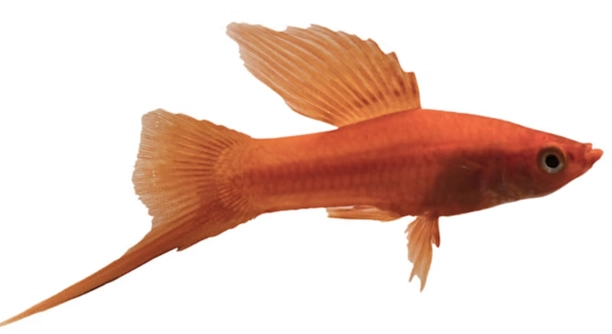
Swordtails, a type of freshwater fish, have unique ways of communicating with each other. Their interactions include body movements, color changes, and even sounds, which help them navigate social behaviors in their environments. Understanding these signals can offer insight into their social dynamics.
Swordtails communicate through visual cues, body language, and color shifts. Male swordtails, in particular, use their sword-like tails in displays to attract females or assert dominance. These signals play a key role in mating and territorial behaviors.
These communication methods are vital for swordtails, especially during mating. Understanding these behaviors can help fish owners create a better environment for them.
How Swordtails Use Body Movements to Communicate
Swordtails rely heavily on body movements to express themselves. One of the most noticeable behaviors is their tail waving. Males, in particular, use this action during courtship to attract females. They create patterns of movement that the females find appealing, which helps them gauge interest and readiness for mating. Swordtails also use quick, sharp movements to communicate aggression or dominance, especially when they feel threatened or challenged by other males. These rapid motions serve to establish their territory and show their strength to rivals. Understanding these movements can be useful in maintaining a balanced environment for swordtails in a tank.
Body movements are an essential part of swordtail communication, helping them express different emotions and needs. For example, males may perform specific dances or tail movements to demonstrate their interest in females.
These movements also help swordtails establish social hierarchy. Aggressive, fast movements signal dominance, while slow, fluid motions indicate calmness and cooperation. Observing these behaviors can help fish owners better interpret their swordtails’ moods and needs, promoting a healthier tank dynamic.
The Role of Color Changes in Swordtail Communication
Swordtails are known to change colors as a form of communication. This color shift often happens during mating or when they are feeling stressed. Males, in particular, become more vibrant during courtship, signaling their health and genetic strength to females. They use bright colors to attract mates and compete with other males. In contrast, when stressed or frightened, their colors may fade to more subdued tones, signaling discomfort or the need to retreat. Owners can notice these changes to gauge their fish’s well-being and adjust their environment accordingly.
The way swordtails change their colors can reveal a lot about their mood. Bright colors typically mean they are confident or ready to mate, while dull colors often indicate stress or fear.
When swordtails experience changes in water conditions or encounter aggression, their color patterns reflect this stress. By paying attention to these shifts, fish owners can prevent potential issues, ensuring the swordtails feel secure and comfortable in their environment. This color communication is essential for understanding their health and overall happiness in the tank.
Swordtail Communication Through Fin Displays
Fin displays are a common method swordtails use to communicate. These movements help establish dominance or signal interest in mating. When a swordtail flares its fins, it can be a sign of aggression or an attempt to assert control over its territory. Similarly, the extension of fins during courtship signals attraction and readiness to mate. These subtle cues are essential for swordtails in both their social interactions and mating behaviors.
The spread of fins serves multiple functions in swordtails, both social and defensive. Male swordtails extend their fins during courtship to showcase their physical strength and impress females. This display is often accompanied by specific tail movements to further enhance their attractiveness.
On the other hand, fin displays can also serve as a defense mechanism. When feeling threatened, swordtails can fan their fins outward to appear larger and more intimidating to predators or rival fish. This protective behavior helps swordtails avoid conflict and stay safe in their environment.
The Role of Swordtails’ Vibrations and Sounds
Swordtails have the ability to create vibrations, which plays a part in their communication. These vibrations can signal territorial boundaries or alert other fish to potential dangers. Swordtails produce low-frequency sounds by rubbing parts of their bodies together, which are often inaudible to humans but meaningful to other swordtails. These vibrations help establish a sense of presence and alert others of their intentions.
In a group, swordtails use vibrations as a way to communicate proximity and to warn others of possible threats. The intensity of these vibrations often correlates with the urgency of the situation. Swordtails will produce more frequent and stronger vibrations when they sense danger, which prompts others to retreat or remain alert. This behavior helps swordtails stay safe in environments where predators are a constant concern.
These vibrations also play a role in establishing communication during courtship. When a male swordtail is trying to get a female’s attention, subtle vibrations accompany his other displays, such as tail movements and color changes. This additional layer of communication can signal the male’s health and readiness for mating, allowing the female to make a more informed decision.
Swordtail Behavior During Mating Rituals
During mating, swordtails display specific behaviors to attract and choose mates. Males often perform tail displays and fin flaring to catch the attention of females. These rituals help indicate their physical health and suitability as a mate. The males may also chase the females, showing their strength and endurance.
The courtship process can be quite intense. Males typically display a series of rapid movements, including quick tail flicks and fin extensions. These actions are meant to show the female their vitality and genetic fitness. The female then decides based on the intensity and attractiveness of these displays.
Territorial Behavior of Swordtails
Swordtails are territorial fish, especially during breeding seasons. Males establish and defend areas within the tank, marking their territory with displays of aggression. They chase away other males and may even engage in physical confrontations to maintain control. These territorial behaviors are critical for their survival and reproduction.
Territorial behavior helps swordtails ensure access to resources such as food and mating opportunities. By asserting control over a specific area, males reduce the competition they face, allowing them to increase their chances of attracting a mate. Understanding this behavior is key to maintaining a balanced tank environment.
Swordtail Interaction with Other Fish Species
Swordtails generally interact well with other fish species, though they may become territorial if they feel threatened. They are peaceful by nature but may become aggressive if another species invades their space or competes for resources. It’s important to observe their interactions closely.
While swordtails can coexist peacefully with most community fish, introducing aggressive species can disrupt their natural behavior. Maintaining a peaceful environment with compatible tank mates ensures that swordtails thrive and communicate effectively without stress from outside competition.
FAQ
How do swordtails communicate with each other?
Swordtails primarily communicate through body movements, color changes, and fin displays. Males often use tail waving and fin extensions to attract females or assert dominance over other males. These actions are also accompanied by color changes that help signal their mood. For example, a male might become brighter during courtship, signaling interest in mating. When stressed, swordtails will typically show more subdued colors to indicate discomfort. Additionally, vibrations and sounds are used to communicate, especially when swordtails feel threatened or need to warn others of danger.
Do swordtails make sounds?
Yes, swordtails do produce sounds, though they are usually not audible to the human ear. These vibrations and low-frequency sounds are used to communicate with each other, especially in the context of territory or mating. The swordtails rub their bodies together to create these vibrations, which other fish can detect. This helps them establish their presence, alert others of potential threats, or signal mating readiness.
Why do swordtails chase each other?
Swordtails chase each other for a variety of reasons, but one of the most common is establishing territory. Males often chase other males away to protect their area, especially during breeding seasons. These chases are typically part of their mating ritual and serve to demonstrate their strength and dominance. Swordtails will also chase to avoid competition for resources, like food or mates.
How can you tell if a swordtail is stressed?
A stressed swordtail will often show dull or faded colors, signaling discomfort or fear. They may also behave erratically, swimming quickly or staying hidden in one part of the tank. Stressed swordtails might also engage in aggressive behaviors, such as fin flaring or chasing other fish. Observing these signs is crucial to understanding their needs and adjusting the environment to reduce stressors, like overcrowding or poor water quality.
How do swordtails communicate during courtship?
During courtship, males perform specific displays to attract females. These include tail movements, fin extensions, and color changes, all of which signal health and genetic fitness. The male may chase the female to demonstrate his strength and stamina. The courtship ritual is an important aspect of swordtail mating behavior, helping females choose the best possible mate.
Can swordtails live with other fish?
Swordtails are generally peaceful and can live with other fish, especially in a community tank. However, they may become territorial, especially during the breeding season. It’s important to introduce compatible species that won’t compete for space or food. Swordtails do best with other non-aggressive fish and require plenty of space to avoid territorial conflicts.
What should I do if my swordtail is being aggressive?
If your swordtail is being aggressive, first check the tank for overcrowding or environmental stressors, such as poor water quality or incompatible tank mates. Increasing the size of the tank or rearranging decorations can reduce territorial behaviors. If aggression persists, consider separating overly aggressive fish into another tank to maintain peace in the community.
What do swordtail fin displays mean?
Swordtail fin displays serve multiple purposes. During courtship, males will extend their fins to attract females and show off their physical condition. Flaring fins can also signal aggression when males are defending their territory or challenging another fish. These displays help swordtails communicate their mood, intentions, and dominance within the tank.
How do swordtails show dominance?
Swordtails show dominance through tail movements, fin displays, and chasing. Males often engage in aggressive behavior to establish their territory, especially in the presence of other males. They may perform rapid, sharp tail movements to assert their control over a space or during a confrontation. Dominant swordtails typically have access to better resources, including mates.
Do swordtails have a hierarchy in a tank?
Yes, swordtails often establish a hierarchy within the tank, particularly among males. The most dominant males claim territory and are the primary ones to mate with females. This hierarchy is maintained through visual cues, such as fin displays and body movements. Observing how swordtails interact can provide insights into their social structure, helping you manage their environment effectively.
How can I tell if my swordtail is pregnant?
Female swordtails show signs of pregnancy when they have a noticeably larger belly. This is due to the developing fry inside. Pregnant swordtails may also swim more slowly and may become more reclusive as they near the end of their pregnancy. You may notice the developing fry through the female’s body, especially in the later stages.
What is the best way to care for swordtail fry?
Caring for swordtail fry involves providing a safe, separate space away from adult fish to prevent predation. Use a breeding net or small tank with fine water filtration. Fry need small, soft foods, such as baby brine shrimp or crushed flakes, to grow properly. Keeping the water clean and ensuring the fry are not stressed will lead to healthy growth.
Final Thoughts
Swordtails are fascinating fish with unique communication methods. Their ability to communicate through body movements, colors, and fin displays makes them stand out in the aquarium world. These fish are not only interesting to observe but also display complex social interactions, from courtship rituals to territorial behavior. By understanding their communication styles, you can better care for them, ensuring they feel secure and healthy in their environment. Whether you are new to keeping swordtails or an experienced aquarist, observing their behavior can offer valuable insights into their needs and personality.
Creating a suitable environment for swordtails is essential for their well-being. They require ample space, clean water, and compatible tank mates. Overcrowding or poor water quality can lead to stress and behavioral issues, including aggression. It’s important to provide hiding spots and territories for swordtails, especially when keeping multiple males in the same tank. Additionally, swordtails thrive in a community setting, as long as the tankmates are peaceful. Keeping the environment stable and free of stressors will help swordtails communicate effectively and live harmoniously.
In conclusion, swordtails are not just beautiful fish; they are also social creatures that use a variety of communication methods to interact with each other. From their courtship displays to their territorial behavior, swordtails have a lot to teach us about fish behavior. Understanding their needs and communication styles will help ensure they thrive in your aquarium. By offering them the proper care and attention, you can enjoy watching these unique fish interact and communicate in ways that are both fascinating and educational.

Hello,
If you enjoy the content that we create, please consider saying a "Thank You!" by leaving a tip.
Every little bit helps us continue crafting quality advice that supports the health, happiness, and well-being of pets around the world, for pets of all shapes, sizes, and species.
We really appreciate the kindness and support that you show us!