
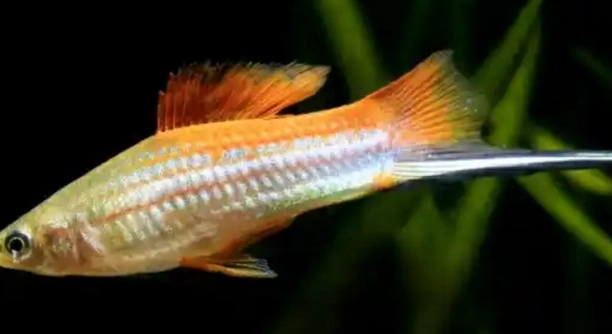
Are your swordtails showing signs of stress or illness, but you’re not sure what could be causing the problem in your tank?
Swordtails are susceptible to several common parasites, including ich, flukes, and anchor worms. These parasites can cause visible symptoms, behavioral changes, and overall health decline. Identifying and treating them early is essential to maintaining a healthy aquarium.
Understanding these parasites will help you recognize early warning signs and take steps to protect your fish from long-term harm.
Ich (Ichthyophthirius multifiliis)
Ich is one of the most common parasites found in freshwater fish, including swordtails. It appears as tiny white spots, usually on the fins, gills, and body. This parasite causes discomfort and leads to frequent scratching against objects. Infected fish may show signs of rapid breathing, clamped fins, or lethargy. Ich is highly contagious and spreads quickly through a tank, especially in stressful conditions. Prompt treatment is important, as the parasite’s life cycle allows it to multiply rapidly. Heat and medication are typically used together to interrupt the cycle and eliminate the parasite from both the fish and water.
Ich often appears after sudden changes in water temperature or poor tank hygiene. Early detection helps prevent the condition from spreading further to other fish.
Treating ich involves gradually increasing the tank temperature to around 86°F while using an aquarium-safe ich medication. Maintain clean water, monitor fish behavior, and continue treatment for several days even after symptoms disappear.
Gill Flukes
Gill flukes are microscopic flatworms that attach to the gills of swordtails, making it harder for them to breathe. Infected fish may show signs like gasping at the surface or rubbing against surfaces.
They often spread from new fish introduced without quarantine. A microscope is usually needed to confirm diagnosis, but behavior changes are strong indicators. Treatment includes antiparasitic medications such as praziquantel, along with good filtration and increased oxygenation. If untreated, these parasites can lead to respiratory failure. It’s helpful to clean the tank thoroughly and repeat the medication cycle to catch newly hatched larvae. Keep stress low for quicker recovery.
Anchor Worms
Anchor worms are visible parasites that attach to a swordtail’s body, often near fins or gills. These worms look like tiny threads hanging from the skin. Affected fish may flash, rub against surfaces, or show redness around the attachment site.
Manual removal is sometimes needed for anchor worms, especially in severe cases. Using tweezers, the worm must be gently pulled out, and the site treated with antiseptic or a salt dip to prevent infection. Removing fish to a separate tank for treatment helps avoid spreading the parasite. After removal, applying antiparasitic medication to the main tank will eliminate remaining larvae. Anchor worms lay eggs in the water, making repeated treatments necessary. Regular cleaning and quarantine practices help avoid future outbreaks and ensure your fish stay healthy and stress-free. Early action can make a big difference in your swordtail’s recovery and overall health.
Anchor worms often enter aquariums through live plants, fish, or contaminated equipment. Always quarantine new additions for two weeks to reduce risk. Keeping water conditions stable and stress low can help swordtails resist parasites. Adding a UV sterilizer to your setup can also reduce the chance of larvae surviving in the water column. Treat the whole tank even if only one fish shows symptoms.
Velvet Disease
Velvet disease causes a gold or rust-like dust on the swordtail’s body and fins. Infected fish may scratch against objects, breathe rapidly, or become less active. This parasite thrives in cooler temperatures and low-light conditions.
Velvet spreads quickly through a tank and is difficult to catch in its early stages. Increasing the water temperature to about 82°F helps slow the parasite’s reproduction. Dim lighting and using a copper-based medication are standard treatments. Remove carbon from your filter before using medication to ensure it’s effective. Continue treatment for up to ten days, even if symptoms improve earlier. Velvet is highly contagious, so it’s important to monitor all tankmates and treat the entire tank. Improve water quality and reduce stress to prevent further infection. Regular partial water changes and proper quarantine can help keep it from returning.
Camallanus Worms
Camallanus worms are red, thread-like parasites that can be seen protruding from a swordtail’s anus. These worms live inside the intestines and absorb nutrients from the fish, causing weight loss, weakness, and reduced appetite over time.
Treatment includes antiparasitic food or medications like levamisole or fenbendazole. Always treat the entire tank, not just the affected fish.
Internal Protozoa
Internal protozoa infect the digestive system and cause symptoms like bloating, white stringy feces, and loss of appetite. These parasites are difficult to detect without lab testing, but their effects are often visible in how the swordtail behaves and eats. Medicated food containing metronidazole is commonly used to treat internal protozoa. Improve water quality and reduce stress during recovery. Feeding high-quality food and avoiding overcrowding helps prevent these parasites. Keeping new fish in quarantine before adding them to the main tank lowers the risk of spreading infection. Monitor fish closely and complete the full treatment cycle for effective results.
Fish Lice
Fish lice are small, disc-shaped parasites that attach to the skin, feeding on blood and causing irritation. Affected swordtails may flash, swim erratically, or show red spots where the lice have attached.
FAQ
What are the signs of parasites in swordtails?
Swordtails affected by parasites often show visible symptoms such as abnormal swimming behavior, rubbing against objects, clamped fins, or rapid gill movement. You may also notice changes in their skin, such as spots, lesions, or redness around the fins and gills. If these signs are observed, it’s essential to take quick action to identify and treat the problem.
How can I prevent parasites in my swordtail tank?
The best way to prevent parasites is by maintaining a clean, stable environment for your swordtails. Regular water changes, proper filtration, and keeping the tank temperature stable help prevent stress, which can make fish more susceptible to infections. Quarantine new fish for two weeks before introducing them to the main tank to avoid bringing in potential parasites. Regularly inspect your fish and their environment to catch any signs of illness early.
What should I do if my swordtail has a parasite?
First, isolate the infected fish in a quarantine tank to prevent spreading the parasite to other fish. Then, identify the parasite type and choose an appropriate treatment, which could include medicated food, salt baths, or chemical treatments depending on the parasite. Follow the instructions carefully and ensure the treatment is suitable for your tank’s conditions.
How long does it take for a swordtail to recover from a parasite infection?
Recovery time depends on the severity of the infection and the type of parasite. In general, if caught early and treated promptly, swordtails can start to recover in a few days to weeks. However, the full recovery process may take longer, especially if the parasite was left untreated for an extended period. Keep monitoring your fish’s behavior and appearance throughout the recovery process.
Are parasites contagious to other fish in the tank?
Yes, most fish parasites are highly contagious and can spread quickly through a tank. When one fish shows symptoms, other fish are likely to be infected as well, especially in crowded or stressful conditions. To prevent the spread, immediately move infected fish to a quarantine tank and treat all fish in the main tank, if necessary.
Can I use salt to treat parasites in swordtails?
Yes, aquarium salt can be effective in treating some parasites, particularly external ones like ich. Adding salt to the tank creates a more hostile environment for the parasites, slowing their reproduction. However, not all parasites respond to salt treatment, so it is important to identify the type of parasite before using salt as a treatment. Always follow dosage recommendations and monitor your fish closely for any signs of stress or negative effects from the salt.
Can I treat swordtail parasites with herbal remedies?
Some aquarium hobbyists use herbal remedies to treat parasites in swordtails. Ingredients like garlic, neem, and Indian almond leaves are known for their natural antibacterial and antifungal properties, which may help manage mild infections. However, herbal remedies are not always effective for more severe infestations or internal parasites. In such cases, it’s best to use proven medications. Always consult with an aquarium expert before trying herbal remedies for parasite treatment.
How do I know if a parasite is internal or external?
External parasites are visible to the naked eye and often appear as spots, threads, or unusual growths on the skin, fins, or gills. Internal parasites are harder to detect and may cause changes in behavior, like lethargy, loss of appetite, and unusual feces. Stool may appear white, stringy, or discolored if internal parasites are present. If you’re unsure, a veterinarian or aquarium expert can help identify the type of parasite based on symptoms.
Can I use regular fish medication for swordtails?
Not all medications are suitable for every species, including swordtails. Always ensure the medication you’re using is safe for your specific fish and the type of parasite. Some medications may be too harsh for sensitive species like swordtails. It’s also important to use the correct dosage and follow treatment instructions to avoid harming your fish or tank environment.
What happens if I don’t treat a parasitic infection in my swordtail?
If left untreated, parasitic infections can lead to severe health problems, including secondary bacterial infections, organ damage, or even death. Some parasites, like ich or velvet, can quickly spread to other fish in the tank, resulting in an outbreak. Chronic parasitic infections weaken the immune system, making your swordtail more susceptible to other diseases.
Can parasites live in my tank after the infected fish has been removed?
Yes, many parasites can survive in the tank water, on surfaces, or within tank decorations even after the infected fish is removed. This is why it’s crucial to treat the entire tank when one fish is infected. Regular water changes, proper filtration, and using medications designed to target parasites can help eliminate any remaining parasites in the tank.
What are the best treatments for common swordtail parasites?
The best treatments vary depending on the parasite. For ich, raising the water temperature and using medicated treatments works well. For external parasites like anchor worms or velvet, copper-based medications or salt baths can be effective. Internal parasites may require medicated food or other specific medications. Always follow the treatment guidelines and consult with an aquarium expert if unsure.
Is it safe to treat parasites while keeping other fish in the tank?
It’s generally safer to move infected fish to a quarantine tank while treating the main tank, but some treatments can be used in the display tank. Always read the medication labels to ensure they are safe for all your tank inhabitants. When in doubt, isolating infected fish and treating the main tank separately is the safest option.
Final Thoughts
Dealing with parasites in swordtails can be a challenging experience, but it is manageable with the right knowledge and approach. Parasites like Camallanus worms, internal protozoa, and external parasites can affect swordtails in various ways. Identifying the signs early and understanding the treatment options are crucial steps in helping your fish recover and preventing the spread of infection. By observing your swordtails regularly and maintaining a clean, stable tank, you can reduce the likelihood of parasites becoming a significant issue. Regular water changes, proper filtration, and ensuring that new fish are quarantined before being introduced to the main tank are all essential steps in keeping a healthy environment for your swordtails.
When treating parasites, it’s important to follow the recommended procedures and use the correct medications or treatments. Each type of parasite requires a different approach, and using the wrong treatment can harm your swordtails or the tank environment. For example, external parasites like fish lice may respond well to salt baths or copper-based medications, while internal parasites require medicated food or water treatments. Some treatments may also affect other tank inhabitants, so it’s important to consider the safety of all fish in your tank before starting treatment. Always check labels and instructions carefully, and consult with an aquarium expert if you’re unsure of the best course of action.
Preventing parasites in the first place is always better than dealing with an infection. Keep your swordtails’ environment clean, avoid overcrowding, and make sure they are well-fed to maintain a strong immune system. Regularly monitor your fish for any changes in behavior or appearance, as early intervention is key to stopping the spread of parasites. Additionally, keeping your swordtail tank at the correct temperature and pH level helps keep stress to a minimum, making the fish less susceptible to infections. With these precautions, your swordtails will have a better chance of remaining healthy and parasite-free.

Hello,
If you enjoy the content that we create, please consider saying a "Thank You!" by leaving a tip.
Every little bit helps us continue crafting quality advice that supports the health, happiness, and well-being of pets around the world, for pets of all shapes, sizes, and species.
We really appreciate the kindness and support that you show us!