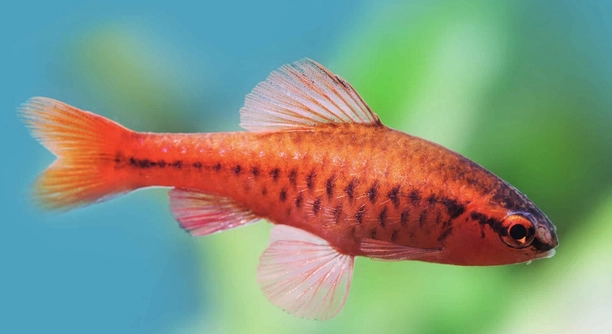
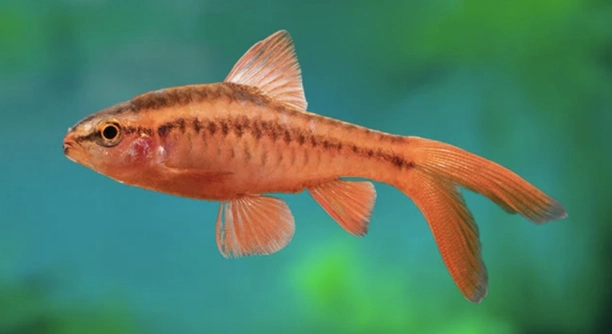
How to Quarantine a New Cherry Barb (Step-by-Step)
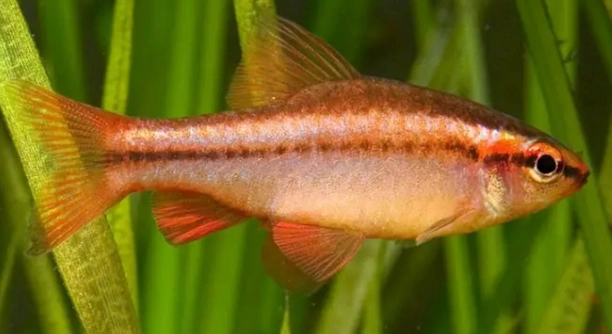
Introducing a new cherry barb into your aquarium requires careful attention. Quarantining helps ensure its health and prevents potential risks to your existing fish. This process is vital for a smooth and safe integration. Quarantining a new cherry barb involves setting up a separate tank for the fish. Maintain proper water conditions, monitor for diseases, … Read more
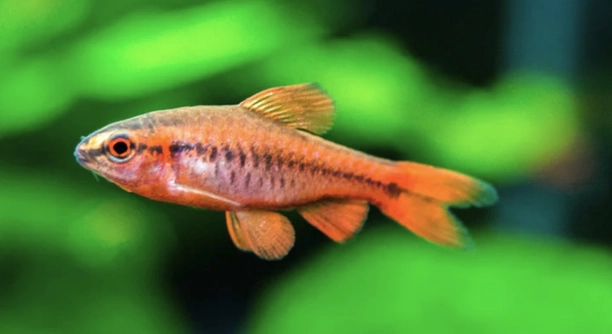
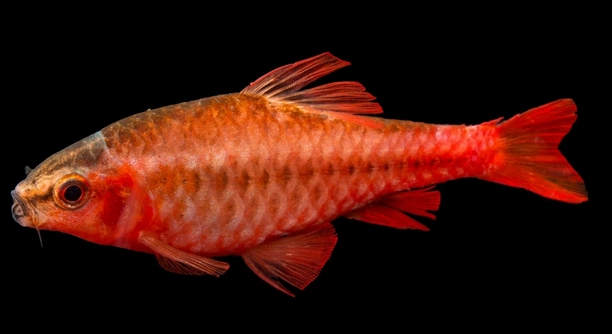
7 Differences Between Male and Female Cherry Barbs

Cherry barbs are a popular freshwater fish species, and many aquarists are drawn to their vibrant colors and easy care. While these fish are relatively simple to care for, it’s important to understand their differences, especially between males and females. Male cherry barbs are smaller and display brighter colors, particularly during the breeding season. Females … Read more

Do Cherry Barbs Sleep With the Group?

Cherry barbs are small, colorful fish that make popular additions to home aquariums. Known for their peaceful nature, these fish are often seen swimming in groups. Understanding their behavior, particularly their sleeping habits, can help you care for them better. Cherry barbs do not always sleep with the group, but they do prefer to rest … Read more

7 Causes of Twitching or Jerky Cherry Barb Motion

Cherry barbs are a popular choice for aquarium enthusiasts, known for their vibrant colors and energetic movement. However, sometimes you may notice their motions becoming erratic or jerky, which can raise concern. The most common causes of twitching or jerky cherry barb movements are poor water quality, stress, illness, poor diet, and tank overcrowding. Additionally, … Read more

What’s the Best Temperature for Cherry Barbs?

Cherry barbs are popular freshwater fish known for their vibrant colors and peaceful nature. Ensuring the right tank conditions is important for their health and well-being, with temperature being a key factor to consider for their care. The ideal temperature range for cherry barbs is between 75°F and 80°F (24°C to 27°C). Keeping the water … Read more

7 Tips to Reduce Conflict Between Cherry Barb Males

Cherry barb males are known for their vibrant colors and active behavior, but their interactions with each other can sometimes lead to conflict. These small fish are social, but managing their relationships can improve their overall well-being. To reduce conflict between cherry barb males, provide plenty of hiding spots and a well-planted aquarium. Keeping a … Read more

Can Cherry Barbs Eat Baby Shrimp?

Cherry barbs are popular fish that make a great addition to any aquarium. They are active, colorful, and easy to care for, but as with any species, understanding their behavior is important. One common concern among fishkeepers is whether cherry barbs will eat baby shrimp. Cherry barbs are omnivorous, and they may eat baby shrimp … Read more

7 Tips to Stop Cherry Barbs from Chasing Each Other

Cherry barbs are active and sometimes aggressive fish that may chase each other, causing stress. If you’re experiencing this behavior in your tank, it can disrupt the peace. Fortunately, several strategies can help calm things down. The main way to stop cherry barbs from chasing each other is by adjusting their environment. Increasing hiding spaces, … Read more

7 Tips for Keeping Cherry Barbs in a Community Tank

Cherry Barbs are a colorful and peaceful fish that can thrive in a community tank. Keeping them healthy and happy in such an environment requires understanding their needs and behaviors. Here are seven helpful tips for maintaining these lively fish. To successfully keep Cherry Barbs in a community tank, ensure they are housed with compatible … Read more

Can Cherry Barbs Be Kept With Gouramis?

Do you ever find yourself setting up a peaceful community tank and wondering if cherry barbs and gouramis can live together in harmony? Cherry barbs can be kept with gouramis if specific conditions are met. Both species prefer calm waters, dense planting, and compatible tank mates. However, temperament, tank size, and individual behavior must be … Read more