
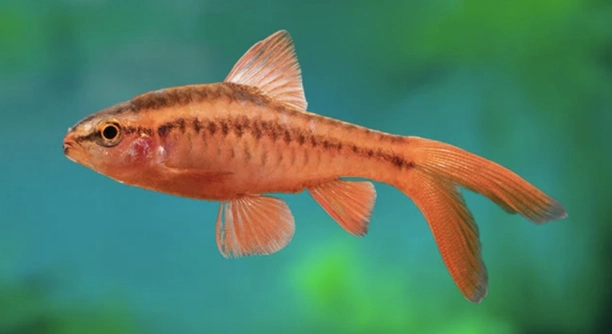
Cherry barbs are active and sometimes aggressive fish that may chase each other, causing stress. If you’re experiencing this behavior in your tank, it can disrupt the peace. Fortunately, several strategies can help calm things down.
The main way to stop cherry barbs from chasing each other is by adjusting their environment. Increasing hiding spaces, keeping a larger group of barbs, and providing proper tank conditions can help reduce aggression and make the barbs feel more secure.
A few simple adjustments can make a significant difference in your tank’s harmony.
Increasing Tank Size and Space
If you have a small tank, cherry barbs might feel cramped and become more aggressive. They are active swimmers and need room to move. A larger tank will give them space to establish territories, reducing the need to chase each other. Ensure the tank is spacious enough for them to swim freely and explore.
Increasing the tank size not only offers more swimming space but also helps keep the water quality stable. Larger tanks are easier to maintain and allow for better filtration, which is vital for the health of your fish.
Cherry barbs can be territorial, and in small spaces, they may compete for hiding spots and swimming areas. Adding extra room will help reduce territorial disputes. Additionally, placing plants, decorations, or other hiding spots around the tank gives the barbs a chance to find their own spaces. Providing areas of calm in your tank helps maintain balance and peace among your fish.
Keeping Them in Groups
Cherry barbs are social fish and do best in groups. When kept alone or in small numbers, they can become stressed and more prone to chasing each other. A group of at least six is recommended to ensure they feel secure and can spread out their attention.
When kept in larger groups, cherry barbs tend to focus on social interactions with one another rather than chasing. This reduces stress and aggression, making the overall tank environment more peaceful. A well-established group will develop its own social structure, decreasing competition and conflicts.
A group of cherry barbs provides them with companionship, helping them feel more comfortable and less threatened. They can focus on school behavior and activities rather than acting aggressively. Be mindful to introduce them gradually, as sudden additions can cause initial disruptions.
Adjusting Water Conditions
Cherry barbs are sensitive to water parameters, which can influence their behavior. If the water quality is poor, it can lead to stress, causing them to chase each other. Regular water changes and proper filtration are essential. Ensure the temperature is steady and avoid sudden changes, as it can affect their mood.
Water pH, hardness, and temperature must be within the ideal range for cherry barbs. They thrive in slightly acidic to neutral water (pH 6.5-7.5) with a temperature range of 72-79°F. Poor water conditions increase aggression, and your fish may become more territorial, leading to chasing. Keeping the water clean and stable helps prevent this.
Regularly check your water parameters and invest in a good filter to maintain consistent quality. Frequent water changes can help remove toxins, ensuring your fish stay healthy. A stable environment promotes calmer behavior and a happier tank, reducing the likelihood of aggressive interactions.
Adding Plants and Decorations
Adding plants and decorations provides hiding spots and territorial boundaries. Cherry barbs may chase each other when there are limited areas to escape or claim. Plants and decorations help create a more natural, peaceful setting, allowing the barbs to feel more secure.
Plants offer shelter and create spaces where the fish can retreat if they feel threatened. This reduces the need to chase and fight over territory. Decor like rocks or driftwood also adds structure to the tank, allowing each barb to establish its own space. The more visual barriers, the less likely they will engage in aggressive behavior.
Ensure the decorations and plants you use are non-toxic and appropriately sized for your tank. Too many decorations could overcrowd the space, but the right amount creates a balanced environment. Adding greenery or other elements can reduce stress, provide hiding spots, and lower the chances of your cherry barbs chasing each other.
Provide Proper Nutrition
A well-balanced diet can help reduce aggression in cherry barbs. When fish are underfed or not receiving the right nutrients, they may become stressed and act out. Ensure your barbs are fed a variety of foods, including high-quality pellets, frozen or live foods, and occasional vegetables.
Feeding your cherry barbs a nutritious diet promotes overall health and helps keep stress levels down. Avoid overfeeding, as uneaten food can pollute the water and worsen water quality. Stick to a consistent feeding schedule and provide them with a balanced range of food to keep them satisfied and less likely to exhibit aggressive behavior.
Monitor Tank Mates
Tank mates play a crucial role in reducing aggression among cherry barbs. If you have fish that are too aggressive or territorial, it may escalate chasing. Choose peaceful, similarly sized fish that won’t threaten the barbs.
When selecting tank mates, ensure that they are not overly dominant or aggressive. Cherry barbs tend to do best with other peaceful species, such as tetras or smaller catfish. Avoid mixing them with larger, more assertive fish. The right tank mates will contribute to a balanced and calm atmosphere.
Observe Behavior Regularly
Keep an eye on your cherry barbs to identify any signs of ongoing aggression. If chasing continues despite changes in the environment, there could be other factors at play.
By observing your fish’s behavior, you can quickly address any issues that may arise. If you notice that certain individuals are consistently aggressive, you may need to adjust the group or relocate them to a different tank. Regular observation allows you to catch problems early and create a more peaceful environment for all your fish.
FAQ
Why are my cherry barbs chasing each other?
Cherry barbs are naturally active and sometimes territorial. They may chase each other due to a lack of space, insufficient hiding spots, or an imbalance in their social structure. Stress from poor water conditions or inadequate diet can also lead to aggressive behavior. Providing more space, adding hiding spots, and maintaining a balanced diet can reduce these conflicts. Additionally, keeping them in groups helps to decrease aggression by allowing them to socialize and establish their own pecking order.
Can cherry barbs live alone?
Cherry barbs are social fish and should not be kept alone. Keeping them in groups of at least six will help reduce stress and aggression. When isolated, they may become more territorial and engage in chasing behavior. A group allows them to focus on social interactions and reduces the likelihood of stress-induced aggression.
How many cherry barbs should I keep together?
It is recommended to keep at least six cherry barbs together in a tank. A small group helps establish a balanced social structure, preventing one fish from becoming overly dominant and aggressive. Larger groups provide more opportunities for social behavior, which helps the barbs feel secure and reduces chasing.
What is the best tank size for cherry barbs?
A minimum of a 20-gallon tank is recommended for a small group of cherry barbs. Providing more space gives them room to swim, establish territories, and reduce conflicts. A larger tank also helps maintain better water quality, which can decrease stress and aggression. The extra room ensures the fish can move freely and reduces the likelihood of chasing behavior.
Do cherry barbs get along with other fish?
Cherry barbs are generally peaceful and do well with other non-aggressive species. Ideal tank mates include small peaceful fish like tetras, guppies, or catfish. Avoid housing them with large or overly territorial fish, as they may provoke aggression in the barbs. Peaceful tank mates help create a harmonious environment and reduce chasing.
How often should I feed my cherry barbs?
Feed your cherry barbs once or twice a day, offering only as much food as they can consume within a few minutes. Overfeeding can lead to poor water quality, which can increase stress and aggression. A balanced diet of high-quality pellets, live or frozen foods, and occasional vegetables will keep them healthy and calm.
What water temperature do cherry barbs prefer?
Cherry barbs thrive in water temperatures between 72°F and 79°F (22°C-26°C). Maintaining a steady temperature within this range is crucial for their well-being. Fluctuations in temperature can cause stress, which may lead to aggression and chasing. Using a reliable heater will help maintain the ideal conditions for your fish.
How do I create hiding spots for cherry barbs?
Adding plants, rocks, driftwood, or decorations to your tank provides hiding spots for cherry barbs. These areas offer refuge when they feel threatened or stressed, reducing the need for chasing behavior. Plants are especially beneficial, as they mimic the barbs’ natural environment and provide cover for social interactions.
What are the ideal water parameters for cherry barbs?
Cherry barbs prefer slightly acidic to neutral water with a pH range of 6.5 to 7.5. The water should be moderately hard, with a hardness level between 5-15 dGH. Maintaining stable water conditions is essential for their health and behavior. Regularly check your tank’s water parameters to ensure they are within the recommended range.
How do I reduce stress in cherry barbs?
Reducing stress in cherry barbs involves maintaining optimal water conditions, providing enough space, and ensuring they are kept in groups. Reducing aggressive tank mates and offering plenty of hiding spots can also help. A balanced diet and regular water changes contribute to overall well-being, reducing the likelihood of stress and aggression.
Can cherry barbs breed in a community tank?
Yes, cherry barbs can breed in a community tank if the conditions are right. However, breeding may be less likely in a mixed-species tank due to the presence of other fish. To encourage breeding, provide a separate breeding area with soft water and a slightly higher temperature. Make sure to separate the eggs from adult fish to prevent them from being eaten.
Are cherry barbs hardy fish?
Cherry barbs are relatively hardy fish when kept in stable water conditions. They are tolerant of a range of water parameters but should still be maintained within their ideal range. Ensuring they are housed in the right environment and fed properly will help them thrive and prevent health issues.
How do I know if my cherry barbs are stressed?
Stressed cherry barbs may exhibit behavior such as rapid swimming, hiding, or lethargy. They may also show signs of aggression, including chasing or nipping at each other. Stress can also cause color fading and reduced appetite. Maintaining a calm and stable environment is crucial to preventing these signs of distress.
Final Thoughts
Cherry barbs are generally peaceful fish that can live harmoniously in a well-maintained tank. However, issues such as chasing can arise due to various factors, including inadequate space, poor water quality, and stress from their environment. By addressing these factors and providing a proper tank setup, you can reduce the likelihood of aggressive behavior and promote a more peaceful aquarium. Ensuring your cherry barbs are kept in groups, with plenty of hiding spots and a stable water environment, will help them thrive and reduce chasing incidents.
Maintaining good water quality is one of the most important aspects of keeping cherry barbs healthy. Regular water changes, proper filtration, and monitoring the pH and temperature will ensure that your fish stay comfortable and stress-free. Additionally, providing them with a balanced diet and observing their behavior regularly can help you identify early signs of aggression or stress, allowing you to address any issues before they become serious problems. These simple measures contribute significantly to the well-being of your cherry barbs and reduce the chances of chasing behavior.
In conclusion, cherry barbs are easy to care for when provided with the right conditions. By ensuring they have enough space, proper water parameters, and a peaceful tank environment, you can minimize aggressive behavior such as chasing. If problems persist despite these efforts, it may be necessary to adjust tank mates or rearrange the tank to help reduce territorial disputes. With the right approach, your cherry barbs can live peacefully, offering beauty and activity to your aquarium.

Hello,
If you enjoy the content that we create, please consider saying a "Thank You!" by leaving a tip.
Every little bit helps us continue crafting quality advice that supports the health, happiness, and well-being of pets around the world, for pets of all shapes, sizes, and species.
We really appreciate the kindness and support that you show us!