
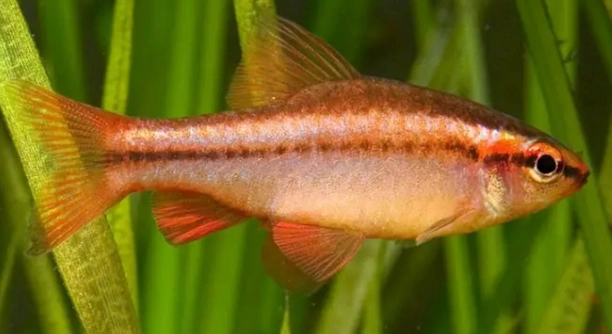
Introducing a new cherry barb into your aquarium requires careful attention. Quarantining helps ensure its health and prevents potential risks to your existing fish. This process is vital for a smooth and safe integration.
Quarantining a new cherry barb involves setting up a separate tank for the fish. Maintain proper water conditions, monitor for diseases, and provide the necessary care for at least two weeks before introducing the barb to the main aquarium.
Understanding the quarantine process ensures your cherry barb’s health and protects your aquarium from potential infections. You’ll be guided through each step to create a safe environment for your new fish.
Setting Up the Quarantine Tank
When setting up a quarantine tank for your new cherry barb, it’s important to ensure that it’s isolated from your main aquarium. Use a small tank or even a plastic container if space is limited. The water should be clean, with temperatures and pH levels similar to your main tank.
Keep the lighting minimal and make sure the tank has an air pump to circulate oxygen. If possible, add a small filter to maintain water quality. Avoid adding decorations or plants, as this could lead to hiding spots that make it difficult to monitor the barb’s health.
Make sure to use a water conditioner that neutralizes harmful chemicals like chlorine and chloramine. During the quarantine period, it’s also important to check the tank for leaks or malfunctions. This will ensure your barb stays in a safe, controlled environment while it adjusts to its new surroundings.
Monitoring for Health Issues
Once the quarantine tank is set up, the real work begins. Keep a close eye on your cherry barb for any signs of illness. Look for changes in behavior, such as reduced activity or difficulty swimming, and check for visible symptoms like spots, lesions, or unusual coloration.
Ensure the water is changed regularly to maintain quality. A good rule of thumb is a 25-50% water change every 3-4 days. While the barb adjusts to the new tank, avoid feeding it excessively. Only offer small amounts of food to avoid polluting the water. Keep the tank free from any stressors, like loud noises or vibrations from outside the room. This creates a peaceful environment to help your barb recover from transport stress.
Feeding and Care During Quarantine
Feeding your cherry barb during quarantine requires moderation. Avoid overfeeding, as the fish is not yet accustomed to its new home and may not eat much at first. Offer small portions of high-quality food, such as flakes or pellets designed for tropical fish. This will help the barb build strength without adding excess waste to the water.
Additionally, continue to monitor the fish’s health closely for any changes in appetite or behavior. If the barb doesn’t eat for more than a few days, it might be stressed or unwell, requiring further attention. It’s also advisable to isolate any uneaten food to prevent water contamination.
Preparing for the Main Tank
Once the quarantine period is complete, the cherry barb should be ready for integration into the main tank. First, double-check the fish for any signs of illness. If it shows any issues, keep it in the quarantine tank until fully recovered.
The main tank should also be prepared for the new addition. Make sure there are no territorial issues with other fish, especially if the barb will be joining more aggressive species. Create a peaceful transition by introducing the fish slowly, allowing it time to acclimate to its new environment.
Ensure that the main tank’s water parameters are stable and suitable for your barb. It’s important to maintain proper filtration and continue monitoring the water quality after the fish is introduced. A smooth transition will help reduce stress on the cherry barb and support its long-term health.
Water Quality and Temperature Control
Maintaining stable water quality is crucial during the quarantine phase. Ensure the tank’s pH, temperature, and hardness are compatible with the cherry barb’s needs. This will help reduce stress and promote better health.
Regular water changes are essential to maintain a healthy environment. Water should be replaced in increments of 25-50% every few days to ensure it remains clean. Use a reliable water testing kit to check the levels of ammonia, nitrite, and nitrate. Keeping these toxins at zero is vital for the fish’s health.
Additionally, the temperature should be kept between 72-78°F (22-25°C), which is ideal for cherry barbs. A thermometer will help monitor temperature fluctuations. Maintaining stable water conditions is key to avoiding any potential health risks during the quarantine period.
Managing Stress During Quarantine
Cherry barbs can be sensitive to stress, especially when placed in a new environment. To reduce stress, keep the quarantine tank in a quiet area, free from excessive movement or noise. Stress can lead to weakened immune systems, making the fish more susceptible to illness.
Avoid placing the tank in direct sunlight, as this can cause temperature fluctuations and promote algae growth. During quarantine, lighting should be kept dim and on a consistent schedule. A 10-12 hour light cycle helps simulate day and night, keeping the barb’s internal rhythm stable.
Avoid introducing other fish during the quarantine phase. This prevents potential conflicts and allows your cherry barb to get used to the environment without any added pressure.
Preventing Disease Outbreaks
Disease prevention starts with a clean quarantine environment. Regularly check for any signs of illness, such as spots, faded color, or abnormal swimming. If you spot these signs early, separate the affected fish and treat the tank immediately.
A thorough cleaning routine is essential. Clean the tank’s surfaces and equipment regularly, and ensure that any uneaten food is removed promptly. Keeping the water pristine is the best way to avoid bacterial or fungal growth. In case of illness, consider using a fish-safe medication to prevent spreading diseases.
Observing Behavior Changes
Monitor your cherry barb closely for changes in behavior. A sudden loss of appetite, unusual swimming patterns, or excessive hiding can indicate stress or illness. Address these concerns by adjusting the water conditions and removing potential stressors.
It’s essential to create a low-stress environment during quarantine. If the fish is not eating, try offering different food types. It’s also worth checking the water quality again to rule out any issues.
Adjusting the Acclimation Process
Acclimation to new water parameters can take time. Gradually adjust the water temperature and pH if needed to match the main tank. Sudden changes can shock the fish, so it’s best to make small adjustments over time.
Be patient and avoid rushing the process. Allowing the barb to become fully accustomed to its quarantine tank before transferring it to the main tank will help ensure a smoother transition.
FAQ
How long should I quarantine a new cherry barb?
It’s recommended to quarantine a new cherry barb for at least two weeks. This period allows you to observe the fish for any signs of illness and ensures that it does not carry any diseases that could affect your main tank. During this time, you can also monitor its behavior and ensure it’s eating well.
Can I add decorations to the quarantine tank?
It’s best to keep the quarantine tank simple and free from decorations. Adding decorations or plants can provide hiding spots, making it difficult to monitor your fish’s behavior. Additionally, keeping the tank minimal reduces the chance of introducing any contaminants or hiding places for harmful bacteria.
Should I add a filter to the quarantine tank?
Yes, adding a filter to the quarantine tank is important for maintaining water quality. A small sponge filter or air-driven filter works well, as it helps keep the water oxygenated and free from waste. However, avoid using any pre-used filter media from your main tank, as it may carry unwanted bacteria.
Can I use water from my main tank for the quarantine setup?
It’s generally not recommended to use water directly from your main tank in the quarantine setup. Although the water may seem similar, it could contain parasites or harmful bacteria that can affect the new fish. It’s best to use fresh, conditioned water to ensure a safe environment for your cherry barb.
What should I feed a cherry barb during quarantine?
During quarantine, feed your cherry barb small amounts of high-quality food such as tropical fish flakes or pellets. Overfeeding can cause water contamination, so only offer small portions that the fish can eat within a few minutes. If the barb is stressed or not eating, try different food types or reduce feeding to avoid polluting the water.
Can I treat the tank with medications during quarantine?
Yes, quarantining your cherry barb is a good time to treat the tank with medications if necessary. If you suspect any health issues or want to prevent diseases, you can use fish-safe medications. However, it’s important to follow the dosage instructions carefully and avoid over-medication.
What signs of illness should I look for in my cherry barb?
Look for signs such as faded color, loss of appetite, abnormal swimming patterns, or visible spots and lesions. If you notice any of these symptoms, separate the fish and start treatment immediately to prevent the spread of illness to other fish. Make sure to keep the water clean and maintain proper conditions during treatment.
Is a quarantine tank necessary for all new fish?
Yes, a quarantine tank is highly recommended for all new fish, not just cherry barbs. This helps prevent introducing diseases or parasites to your main tank. Even if the fish appears healthy at first, some illnesses may not show symptoms immediately. Quarantining ensures that any potential issues are addressed before they affect other fish.
What if my cherry barb isn’t eating during quarantine?
If your cherry barb isn’t eating, check the water quality first. Stress from poor water conditions or changes in temperature can cause the fish to lose its appetite. If the water is fine, try offering different food types such as frozen or live foods. Additionally, reduce any environmental stressors like loud noises or bright lighting.
Can I use a quarantine tank for multiple fish?
It’s generally not a good idea to quarantine multiple fish together unless you’re sure they are compatible and healthy. Quarantining them together can lead to stress, aggression, or the spread of diseases. If you must quarantine multiple fish, ensure that each one has enough space and monitor their behavior closely for any signs of illness.
How often should I change the water in the quarantine tank?
Water changes should be done regularly, ideally every 3-4 days. A 25-50% water change is sufficient to keep the water clean and maintain good water quality. Regular changes will help prevent the buildup of toxins like ammonia and nitrites, ensuring a healthier environment for your cherry barb.
Should I leave the quarantine tank light on all the time?
No, the quarantine tank should have a consistent light cycle, just like your main aquarium. Keeping the light on for 10-12 hours a day is ideal, as this mimics natural conditions and helps reduce stress. Avoid leaving the light on 24/7, as it can disrupt the fish’s day-night cycle.
Can I introduce my cherry barb to the main tank if it seems healthy?
It’s best to wait the full quarantine period, even if your cherry barb seems healthy. Some diseases may take time to show symptoms, so waiting two weeks helps ensure the fish is truly free of any potential issues. Only introduce the fish when you’re confident it’s healthy and disease-free.
What should I do if my cherry barb develops white spots?
White spots, often a sign of ich, are common in new fish. If you see white spots on your cherry barb, treat the tank immediately with an ich medication. Increase the water temperature slightly (within safe limits for your fish) to speed up the parasite’s life cycle and make the treatment more effective.
Do I need to monitor the water parameters every day?
During quarantine, it’s a good idea to check water parameters daily, especially in the first week. Ammonia, nitrites, and nitrates should be tested regularly to ensure they stay within safe levels. pH, hardness, and temperature should also be monitored to keep conditions stable for your cherry barb.
How can I prevent future quarantine issues?
To avoid problems in the future, always quarantine new fish before adding them to your main tank. Ensure the quarantine tank is properly set up with good filtration, proper water conditions, and minimal stressors. Regularly clean the tank and check water parameters to keep it in optimal condition for any new arrivals.
Final Thoughts
Quarantining a new cherry barb is a crucial step in ensuring the health and safety of your aquarium. By isolating the fish for at least two weeks, you allow time to observe its behavior, eating habits, and overall health. This period helps identify potential issues, such as diseases or parasites, before they can spread to other fish in your main tank. Although it may seem like an extra step, it is one that significantly reduces the risk of introducing harmful pathogens, making it worth the effort.
Throughout the quarantine process, maintaining proper water conditions is essential. Monitoring water quality, including ammonia, nitrites, and temperature, is critical for the fish’s well-being. A stable environment helps reduce stress and promotes healthy behavior, making it easier to spot any early signs of illness. Regular water changes are also necessary to keep the environment clean, preventing the buildup of harmful toxins. A well-maintained quarantine tank increases the likelihood of your cherry barb adjusting smoothly to its new home.
Once your cherry barb has completed its quarantine period and is free of any health issues, it’s time to transition it into the main tank. However, it’s essential to continue monitoring its behavior and health after the move. Introducing a new fish can sometimes lead to stress, so keeping an eye on the fish for any changes in behavior or appetite is important. With careful observation, you can ensure that your cherry barb thrives in its new environment, contributing to the overall health of your aquarium.

Hello,
If you enjoy the content that we create, please consider saying a "Thank You!" by leaving a tip.
Every little bit helps us continue crafting quality advice that supports the health, happiness, and well-being of pets around the world, for pets of all shapes, sizes, and species.
We really appreciate the kindness and support that you show us!