
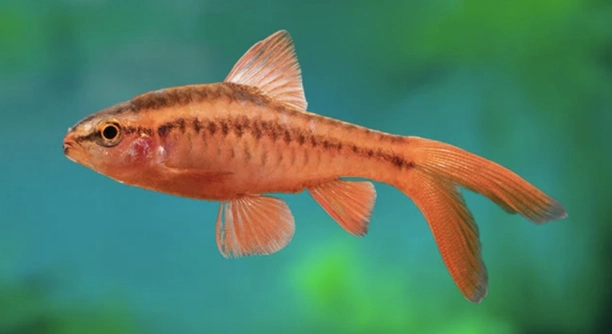
Do you ever find yourself setting up a peaceful community tank and wondering if cherry barbs and gouramis can live together in harmony?
Cherry barbs can be kept with gouramis if specific conditions are met. Both species prefer calm waters, dense planting, and compatible tank mates. However, temperament, tank size, and individual behavior must be carefully considered to avoid aggression.
Learning more about their needs and behaviors will help you decide if this combination is right for your aquarium setup.
Temperament and Compatibility
Cherry barbs are peaceful and tend to thrive in groups of six or more. When kept in small numbers, they can become shy or stressed, which may lead to hiding or dull coloration. Gouramis, depending on the species, range from peaceful to semi-aggressive. Dwarf gouramis are typically more tolerant, while larger species like three-spot gouramis can be territorial, especially during breeding. Housing them together requires careful planning, including adequate space, proper hiding spots, and a balanced male-to-female ratio for both species. These precautions help prevent aggression and encourage natural behaviors. Cherry barbs’ quick swimming and non-confrontational attitude often help them avoid conflict, making them suitable tank mates for calmer gouramis. However, consistent monitoring is key, especially in the first few weeks of introduction.
Cherry barbs should never be housed with aggressive or highly territorial gouramis, especially in smaller tanks where space is limited and escape routes are fewer.
Choose gourami species that match the cherry barbs’ peaceful nature, and provide a well-planted tank with clear swimming areas and visual barriers.
Tank Setup Essentials
The tank setup plays a major role in the success of this pairing.
A tank of at least 20 gallons is recommended to give each fish species enough space. Cherry barbs are active swimmers and benefit from open areas with gentle flow, while gouramis enjoy quieter zones near the top with floating plants. Use live plants like Java fern, hornwort, or water sprite to create natural separation and reduce stress. Include driftwood or rock structures to create shaded areas where fish can rest or avoid interaction. Avoid strong filters that disturb the water surface too much, especially for gouramis, as they breathe from the surface. Maintain stable water conditions: temperature between 74–80°F, pH around 6.5–7.5, and soft to moderately hard water. Feeding should be done mindfully, as cherry barbs are quick eaters and may outcompete slower gouramis. To avoid stress or aggression, feed in multiple locations and monitor interactions during meals.
Feeding and Behavior
Cherry barbs are quick to reach food and may eat more than their share if not monitored. Gouramis tend to be slower and more deliberate when feeding, especially shy ones, which can lead to imbalances in nutrition.
To prevent competition, offer food in different areas of the tank. Use a combination of sinking pellets, floating flakes, and small live or frozen foods like brine shrimp or daphnia to meet both species’ dietary needs. Feed smaller portions twice a day instead of one large meal. Observe feeding times closely to ensure all fish are eating adequately. Cherry barbs enjoy mid-level feeding, while gouramis feed at the top. Floating plants can help gouramis feel secure while they eat.
Watch for signs of stress during feeding, such as one species avoiding food or hiding. A well-balanced tank environment with consistent feeding habits supports healthy growth and peaceful interactions between the two species.
Signs of Stress or Conflict
Look for changes in behavior like hiding, faded color, torn fins, or refusal to eat. These signs may point to stress, overcrowding, or poor compatibility, especially in tanks lacking enough space or hiding areas.
Stress can build gradually if tank dynamics are off. Cherry barbs might nip fins if bored or kept in small groups. Gouramis may become territorial, especially during mating periods. Adding more plants and breaking up sightlines helps reduce tension. Rearranging decorations can reset territorial boundaries. If fin nipping or chasing becomes regular, consider removing the aggressor or adding more of the same species to dilute aggression. Regular water testing also helps prevent stress caused by poor quality. Keep a stable routine and avoid sudden changes in lighting or temperature. Noticing and responding early to behavior shifts can help maintain harmony and prevent long-term health issues in both cherry barbs and gouramis.
Breeding Considerations
Cherry barbs often breed in community tanks, especially when well-fed and kept in planted environments. Gouramis may become territorial during breeding, which can increase stress levels and disrupt tank harmony if space and hiding spots are limited.
If breeding behavior is noticed, monitor the tank closely. Separate breeding pairs if aggression starts to rise.
Monitoring Long-Term Compatibility
Long-term success depends on regular observation. Watch for signs of stress or changing behaviors over time. Rearranging tank decor occasionally can help maintain peace by disrupting territorial patterns and encouraging exploration. Consistent water changes and routine maintenance are also key.
Final Thoughts on Tank Mates
Keeping cherry barbs with gouramis works well when conditions are stable and space is shared fairly. Careful planning reduces stress and supports peaceful cohabitation.
FAQ
Can cherry barbs live with dwarf gouramis?
Yes, cherry barbs and dwarf gouramis can live together peacefully in a properly set up tank. Dwarf gouramis are generally calmer than other gourami species, and cherry barbs are active but non-aggressive. Provide plenty of plants and at least 20 gallons of space to help them feel secure. Avoid overcrowding and always monitor their behavior, especially during the first few weeks. If either species shows signs of stress—like hiding, aggression, or loss of color—adjust the tank layout or increase hiding spots to reduce tension.
Do cherry barbs nip at gouramis’ fins?
Cherry barbs are not typically fin-nippers, especially when kept in a school of six or more. However, under stress or in small groups, they may start chasing or nipping. Gouramis with long, flowing fins, like male dwarf gouramis, may become a target in these situations. To prevent this, keep cherry barbs in a proper group, ensure enough space, and avoid putting them with overly flashy gouramis if you notice signs of fin-nipping. Watching interactions closely after introduction can help catch any problems early.
How large should the tank be for cherry barbs and gouramis?
A 20-gallon tank is the bare minimum for a small group of cherry barbs and one or two dwarf gouramis. For larger gourami species or bigger schools of cherry barbs, aim for 30 gallons or more. A larger tank allows for better swimming space, natural territories, and stable water parameters. Overcrowded tanks can increase aggression and stress, making even peaceful fish act out. Consider the adult size of each species and build your tank layout with plenty of plants, open swimming areas, and shaded spots.
What’s the ideal water temperature for both species?
Cherry barbs and gouramis both prefer a water temperature between 74°F and 80°F. This range supports their health, digestion, and immune systems. Sudden temperature changes can lead to stress, illness, or loss of appetite. Use a reliable heater and thermometer to keep conditions stable. Also, avoid placing the tank near windows or vents that can cause temperature swings. Weekly checks of both temperature and water quality help maintain the conditions both species need to thrive.
How do you introduce cherry barbs to a tank with gouramis?
Introduce cherry barbs slowly, especially if the gouramis were already established. Start by floating their bag in the tank for 20–30 minutes to match the temperature. Then gradually mix small amounts of tank water into the bag over another 20–30 minutes. Release them gently and observe their behavior. If there’s any chasing or signs of stress, consider rearranging decorations to break up territories and add more hiding places. Always quarantine new fish first to prevent spreading illness to your main tank.
What signs of stress should I look for?
Common signs of stress include faded colors, clamped fins, hiding more than usual, refusing to eat, or sudden aggression. Both cherry barbs and gouramis show stress in subtle ways at first, so it’s important to check on them daily. Long-term stress can lead to illness or loss of social behavior. Poor water quality, lack of hiding spots, bullying, or incompatible tank mates can all cause stress. Fixing the cause early keeps both species healthy and reduces the chance of conflict.
Can I keep multiple gouramis with cherry barbs?
It depends on the gourami species and the tank size. Dwarf gouramis can sometimes be kept in pairs or small groups, but males may become territorial. Larger gouramis are more likely to show aggressive behavior, especially in confined spaces. If you plan to keep more than one gourami, choose a tank of at least 30 gallons with heavy planting and broken sightlines. Always monitor closely and be ready to separate fish if aggression occurs. It’s usually safest to keep one gourami with a group of cherry barbs.
Do cherry barbs and gouramis need different foods?
Both species are omnivores and share similar dietary needs. You can feed them high-quality flakes, pellets, and frozen or live foods like brine shrimp and bloodworms. Cherry barbs are fast eaters, while gouramis take their time, so feed in different areas or at staggered times if needed. Make sure food reaches both species without one outcompeting the other. Providing variety supports vibrant colors and strong immune systems. Avoid overfeeding to reduce waste and keep the water clean.
What happens if the fish start fighting?
If aggression starts, the first step is to identify the source. It could be related to space, breeding behavior, lack of cover, or overcrowding. Rearrange the tank decor to break up line of sight, add more plants, or increase the group size of the more active species. If one fish is constantly targeted or causing harm, a separate tank may be necessary. Regular observation helps catch these issues early before injuries or stress-related illness occur. Making a few small changes often helps restore peace.
Final Thoughts
Cherry barbs and gouramis can live together when their tank is set up with care. Both species need enough space, plants, and a calm environment to feel safe. Cherry barbs are active swimmers, and gouramis prefer slower, more relaxed movement, so creating a layout with open areas and quiet corners is important. A tank that offers hiding spots, shaded areas, and plenty of swimming space will reduce stress for both types of fish. Even peaceful fish can become territorial or stressed in crowded or poorly arranged tanks, so planning ahead makes a big difference in their behavior and health.
It’s also helpful to match their basic needs. Both cherry barbs and gouramis prefer similar water temperatures and pH levels. Keeping the tank clean, using a good filter, and doing regular water changes will help keep them healthy. Feeding them a varied diet, with both plant-based and protein-rich foods, supports their overall well-being. Watching how they act each day helps you catch signs of stress or illness early. If you see any changes—like color fading, hiding too much, or aggressive chasing—it’s usually a sign something needs to be adjusted in the tank.
Overall, this pairing can work well if the tank is large enough, well-maintained, and designed to meet the needs of both species. Cherry barbs do better in groups, which helps them stay active and less focused on other fish. Gouramis, especially dwarf varieties, usually stay calm as long as they’re not crowded. Always take the time to observe new fish introductions and make changes if needed. When the setup is right, these fish can live together peacefully, bringing color and activity to your aquarium. A balanced and carefully managed tank creates a safe and stable space for both cherry barbs and gouramis to thrive.

Hello,
If you enjoy the content that we create, please consider saying a "Thank You!" by leaving a tip.
Every little bit helps us continue crafting quality advice that supports the health, happiness, and well-being of pets around the world, for pets of all shapes, sizes, and species.
We really appreciate the kindness and support that you show us!