Why Did My Rasboras Move to the Bottom?

Do you ever notice your rasboras lingering at the bottom of the tank instead of swimming freely? This behavior can seem worrying at first, especially if your fish usually dart around happily in open water. Observing them closely is important. Rasboras often move to the bottom due to changes in water quality, temperature fluctuations, low … Read more
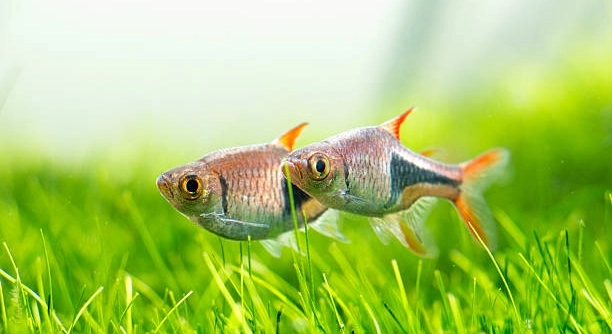
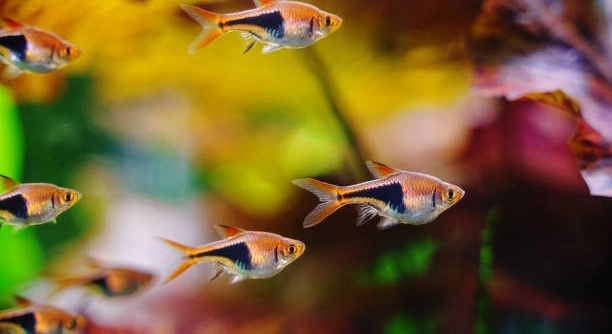
7 Visual Signs Your Rasbora Is Sick

Caring for rasboras can be very rewarding, but sometimes they may show subtle signs of illness that are easy to miss. Observing your fish closely helps ensure they remain healthy and vibrant in their aquarium environment. Rasboras exhibit several visual signs when sick, including faded colors, frayed fins, abnormal swimming patterns, swollen bodies, and surface … Read more

Can Rasboras Share Space with Corydoras?

Many aquarium enthusiasts enjoy keeping small, peaceful fish together to create a calm environment. Rasboras and Corydoras are both popular choices, known for their gentle behavior and vibrant colors that add charm to home tanks. Rasboras and Corydoras can coexist in the same aquarium when provided with enough space, hiding spots, and compatible water conditions. … Read more

What Causes Rasboras to Hide Suddenly?

Many aquarists enjoy watching rasboras swim gracefully across their tanks. These small fish are usually active and social, but sometimes they retreat to hiding spots unexpectedly. Such behavior can be surprising for anyone observing their lively movements. Rasboras often hide suddenly due to changes in water conditions, sudden loud noises, or the presence of aggressive … Read more

7 Reasons Rasboras Might Jump from Tanks

Rasboras are small, lively fish that add color and movement to any aquarium. They are generally peaceful, but sometimes they jump out of tanks, surprising their owners and raising concerns about their health and environment. Rasboras may jump from tanks due to stress, poor water quality, insufficient cover, aggressive tankmates, sudden environmental changes, inadequate feeding, … Read more

Why Do Rasboras Swim in Loose Circles?

Many aquariums feature small, shimmering fish that seem to move in gentle, loose circles. Rasboras are popular for their calm behavior and vibrant colors, often adding a peaceful rhythm to any freshwater tank environment. Rasboras swim in loose circles as a natural schooling behavior that enhances safety and coordination. This movement helps them detect threats, … Read more

Are Rasboras Bored Without Tank Flow?

Rasboras are small, active fish that bring life to any freshwater tank. Their playful movements and colorful scales make them a joy to watch, but many owners wonder how their environment affects daily activity levels. Rasboras benefit from tank flow as it provides stimulation and encourages natural swimming patterns. Without adequate water movement, they may … Read more

How to Calm a Rasbora in a New Tank

Introducing a new fish to your aquarium can be exciting, but rasboras often react nervously in unfamiliar surroundings. Their sudden darting and hiding can be stressful, making it important to create a calm environment for them early on. The most effective method to calm a rasbora in a new tank involves minimizing sudden movements, maintaining … Read more

7 Signs of Breeding Readiness in Rasboras

Rasboras are small, colorful fish that bring life to any aquarium. Watching them swim is enjoyable, but many hobbyists also take interest in breeding them successfully and responsibly in a home tank environment. Recognizing breeding readiness in rasboras involves observing physical, behavioral, and environmental cues. Signs include changes in coloration, increased activity, pairing behaviors, and … Read more

Are Rasboras Active at Night?

Are your rasboras quiet during the day, only seeming to appear when the lights dim? Many aquarists notice their fish behave differently as evening approaches, creating curiosity about their natural activity patterns at night. Rasboras are primarily diurnal, meaning they are most active during daylight hours. At night, their activity decreases significantly, and they tend … Read more