
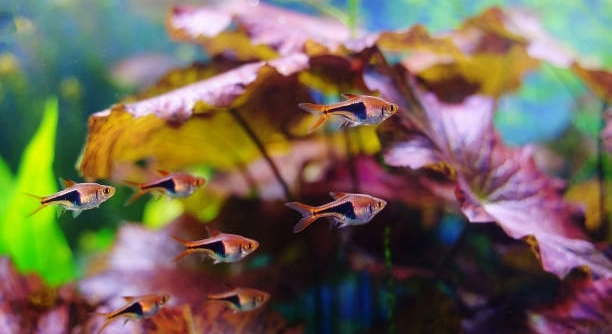
Are your rasboras quiet during the day, only seeming to appear when the lights dim? Many aquarists notice their fish behave differently as evening approaches, creating curiosity about their natural activity patterns at night.
Rasboras are primarily diurnal, meaning they are most active during daylight hours. At night, their activity decreases significantly, and they tend to rest or hover in safe areas. Nighttime behavior is minimal, with only occasional movement or feeding.
Understanding their patterns helps maintain a healthy aquarium and ensures that their environment suits their natural rhythms for long-term well-being.
Understanding Rasboras’ Natural Activity
Rasboras are small, peaceful fish that thrive in well-lit aquariums with plenty of swimming space. Their activity is strongly tied to light levels. During the day, they explore, forage, and interact with other tank mates, maintaining a steady, observable movement throughout the aquarium. As the light fades in the evening, their behavior shifts noticeably. They become calmer, often grouping together near plants or decorations, conserving energy for the next day. Temperature and water quality also influence their activity. Cooler, stable water promotes a relaxed night routine, while fluctuations can increase stress or restless swimming. Tank setup matters as well; hiding spots such as dense plants, driftwood, or rocks provide security, encouraging natural nocturnal rest patterns. Observing these behaviors can help you create a comfortable environment, reducing unnecessary stress and promoting long-term health. Nighttime activity is subtle but essential for understanding their overall well-being.
Rasboras’ nighttime behavior is mainly resting, with brief movement only for exploration or feeding if necessary.
Creating a tank environment that mimics their natural habitat supports their daily rhythm. Providing soft lighting at dusk and abundant cover allows them to feel safe, reducing stress and encouraging restful nighttime behavior. Small, slow movements may be observed, but these are typically minimal compared to daytime activity. Owners can monitor their patterns to ensure the tank conditions remain stable, including consistent water temperature, proper filtration, and a balanced feeding schedule. Over time, this consistency leads to calmer, healthier fish that display their natural behaviors without fear or agitation. Nighttime should be quiet for them, allowing energy conservation and supporting overall vitality, while daylight continues to stimulate swimming, social interactions, and feeding habits.
Tips for Nighttime Care
Providing a few floating plants or dim lights encourages natural resting behavior without startling the fish.
Monitoring water quality is crucial, as small changes at night can affect rasboras’ health. Stable conditions and minimal disturbances ensure they remain calm. Adding gentle filtration and hiding spots reduces stress. Observation during nighttime hours can reveal if adjustments are needed in lighting, temperature, or cover. Some owners find that very low, warm lighting helps mimic moonlight, allowing fish to move slightly without disrupting their rest. Feeding schedules should avoid night hours, as rasboras are unlikely to feed actively after dark. Understanding these nuances helps maintain their health and comfort, promoting steady growth and vitality while supporting their natural daily cycle. Regular checks prevent issues and allow you to respond to subtle changes in behavior. Proper nighttime care directly contributes to their overall well-being.
Common Nighttime Behaviors
At night, rasboras tend to rest near plants or decorations, moving only occasionally. Their colors may appear slightly muted, and they often gather in small groups, staying close to safe areas to conserve energy and reduce stress while the tank is dark.
Some rasboras may swim slowly along the tank edges or hover near hiding spots during nighttime hours. This minimal movement is natural and usually indicates healthy behavior. If you notice sudden bursts of activity or erratic swimming, it could signal stress from water changes, temperature fluctuations, or bright lighting. Consistent monitoring helps identify normal patterns versus unusual behavior, allowing you to adjust the tank environment for their comfort. Nighttime routines are subtle but important, reflecting how well your aquarium supports their natural cycles.
Rasboras’ interaction with other fish also changes at night. They are less likely to chase or compete for food, instead prioritizing safety. Social behavior shifts toward grouping together, often forming tight clusters near plants or shaded areas. This instinctive grouping helps them feel secure and reduces stress. Providing adequate hiding spots and low-light conditions supports these patterns, ensuring that all fish in the tank experience calm nighttime conditions. Observation over time will show consistent resting habits, helping maintain a healthy, stress-free aquarium environment.
Lighting and Its Impact
Bright or fluctuating lights at night can disturb rasboras’ rest, causing stress or erratic movement.
Gradual dimming and consistent light schedules help regulate their natural rhythms. Sudden changes can trigger defensive behavior or hiding, while a stable, predictable environment encourages calm. Some aquarists use timers to mimic sunrise and sunset, which improves overall fish health. Low-intensity moonlight-style lighting allows slight activity without disrupting rest. Proper lighting also affects plant growth and water quality, indirectly supporting fish behavior. Observing how rasboras respond to light changes helps identify the optimal setup for both daytime and nighttime activity.
Overexposure to light or irregular lighting schedules can interfere with sleep patterns, potentially impacting growth, immune function, and stress levels. Maintaining a predictable cycle—bright daylight followed by a gentle transition to darkness—supports their circadian rhythm. Floating plants or shaded areas can reduce light intensity and provide safe resting spots, allowing fish to feel secure. Nighttime feeding should be avoided, as it can encourage unnecessary movement and disrupt their rest. Monitoring both behavior and tank conditions ensures rasboras remain healthy, active during the day, and calm at night, reflecting a stable and supportive environment.
Feeding Habits at Night
Rasboras rarely feed during nighttime hours, focusing instead on resting. They may nibble occasionally if food is available, but active feeding is largely confined to daylight when they are most alert and energetic.
Providing food at night can disrupt their natural routine, causing unnecessary movement and stress.
Creating a Comfortable Nighttime Environment
A well-planned tank setup supports rasboras’ nighttime comfort. Include dense plants, driftwood, or rocks to provide secure resting areas. Keep lighting consistent, using dim or gradually fading lights in the evening to mimic natural dusk. Stable water temperature and minimal disturbances promote restful behavior. Over time, rasboras adapt, showing calm nighttime activity, reduced stress, and healthier overall behavior. Observation helps adjust hiding spots or lighting as needed, ensuring their environment meets natural instincts. These small adjustments make a significant difference in maintaining a balanced, peaceful aquarium that supports both daytime activity and nighttime rest.
Monitoring Behavior Changes
Regular observation helps detect stress, illness, or environmental issues.
FAQ
Do rasboras sleep at night?
Yes, rasboras do sleep at night, though their rest is not like human sleep. They enter a period of low activity, often hovering near plants or decorations. Their movement slows, and they remain close to safe areas, conserving energy and staying protected from perceived threats.
How can I tell if my rasboras are resting properly?
Resting rasboras will stay mostly still, forming small groups or hovering near plants. Their colors may look slightly muted, and sudden frantic movement is rare. If fish are swimming erratically or hiding constantly, it may indicate stress, poor water quality, or irregular lighting. Regular observation helps distinguish normal rest from concerning behavior.
Is it normal for rasboras to move a little at night?
Yes, occasional movement is normal. Rasboras may adjust positions, explore the tank edges, or briefly interact with other fish. This minimal activity is part of their natural nighttime behavior. Consistent, subtle movements indicate they are healthy and comfortable in their environment.
Should I feed my rasboras at night?
Feeding at night is generally unnecessary. Rasboras are primarily diurnal and feed actively during the day. Providing food at night can disrupt their natural routine, encourage unnecessary movement, and increase stress. Stick to daytime feeding for a predictable and healthy schedule.
How does lighting affect their nighttime behavior?
Lighting directly impacts rasboras’ sleep patterns. Bright or fluctuating lights can cause stress and disrupt rest. Using gradual dimming or soft, low-intensity evening lighting helps mimic natural dusk, allowing them to rest comfortably while maintaining subtle nighttime activity. Timers can create a consistent cycle for stability.
Can tank decorations improve nighttime comfort?
Yes, providing hiding spots like dense plants, driftwood, or rocks allows rasboras to feel secure. These areas reduce stress and promote restful behavior. Grouping decorations in quieter corners encourages natural resting patterns while offering protection from tank disturbances.
Do water conditions affect nighttime activity?
Absolutely. Stable water temperature and clean, well-filtered water are essential. Fluctuations in temperature or poor water quality can increase restlessness or stress at night. Maintaining consistent conditions ensures rasboras stay calm and follow their natural daily rhythms.
Are some rasboras more active at night than others?
Activity levels can vary slightly between species. Most rasboras remain largely inactive, but some may move more than others due to individual temperament or environmental factors. Proper tank setup, lighting, and water conditions minimize unnecessary nighttime activity.
How can I tell if my rasboras are stressed at night?
Signs include frantic swimming, hiding excessively, or color changes. Stress can result from bright lighting, poor water quality, sudden disturbances, or lack of hiding spots. Observing their normal rest patterns helps identify deviations and address environmental issues promptly.
Do rasboras’ social behaviors change at night?
Yes, they tend to group together more tightly near safe areas. Nighttime social interaction is reduced, focusing on security rather than play or competition. Providing adequate hiding spots ensures all fish feel safe, maintaining peaceful nighttime dynamics.
Can night lights benefit an aquarium with rasboras?
Soft moonlight-style lights allow subtle observation without disturbing rest. They support minimal movement and help monitor behavior while maintaining a calm environment. Avoid bright lights, which can cause stress and disrupt their natural sleep patterns.
How long do rasboras stay inactive at night?
Most rasboras remain inactive for the majority of the night, with minor adjustments in position. Activity resumes with daylight, reflecting their diurnal nature. Ensuring uninterrupted darkness supports proper rest and daily energy levels.
Is it necessary to monitor rasboras at night?
Yes, occasional observation ensures their environment remains suitable. Monitoring helps detect stress, illness, or behavioral changes early. Subtle signs, such as unusual restlessness or prolonged hiding, can indicate a need for adjustments in lighting, temperature, or tank layout.
Do temperature changes affect nighttime behavior?
Even minor temperature shifts can influence activity. Cooler water may slow movement, while sudden changes can trigger stress. Maintaining consistent, species-appropriate temperatures ensures rasboras remain calm and follow their natural circadian rhythm, supporting overall health.
Can nighttime disturbances harm rasboras?
Yes, loud noises, tapping on the glass, or sudden bright lights can startle them, causing stress or erratic swimming. Minimizing disturbances at night helps preserve their natural rest patterns, reduces stress, and maintains a healthy aquarium environment.
Are there signs of illness visible during nighttime?
Illness can sometimes be detected at night by observing inactivity beyond normal resting, unusual hiding, or abnormal posture. Color changes or labored breathing may also be noticeable. Regular observation during both day and night ensures early detection and timely care.
Do rasboras adjust to nighttime feeding if introduced?
They may adapt, but it is not ideal. Nighttime feeding can disrupt natural activity patterns and rest. Maintaining daytime feeding preserves their diurnal behavior and supports proper energy cycles and overall well-being.
How important is a consistent day-night cycle for rasboras?
Extremely important. Consistency in lighting and environmental conditions regulates their circadian rhythm, promoting healthy activity during the day and restful nights. Disruption can lead to stress, irregular feeding, and decreased immune function. Proper scheduling is essential for long-term health.
Can tank mates affect nighttime behavior?
Yes, more active or aggressive species can disturb rasboras at night, increasing stress. Choosing peaceful tank mates and providing hiding spots ensures calm nighttime rest and minimizes conflict, supporting their natural behavior.
Are there differences between species in nocturnal activity?
Most rasboras are diurnal, but slight differences exist. Some species may explore more at night, but generally, they remain largely inactive. Observing species-specific patterns allows better care and tailored tank setups.
How do I encourage natural nighttime behavior?
Provide stable water, low-intensity lighting, hiding spots, and avoid night feeding. Minimize disturbances and maintain a consistent day-night cycle. Observing their routine ensures adjustments can be made to support natural rest and overall health.
Is it safe to turn off all lights at night?
Yes, complete darkness is natural and supports proper rest. Moonlight-style lighting is optional for observation but not necessary. Darkness allows energy conservation and reinforces their diurnal rhythm.
Final Thoughts
Rasboras are naturally diurnal fish, meaning they are most active during daylight hours and largely rest at night. Their nighttime behavior is subtle, usually consisting of minimal movement, hovering near plants, or grouping together in safe areas. Observing their natural patterns can help ensure that the aquarium environment supports both daytime activity and restful nights. Providing proper hiding spots, stable water conditions, and consistent lighting contributes to their overall well-being. When rasboras are calm at night, it indicates that they feel secure in their habitat and that the tank conditions are appropriate. Stress or disruption during nighttime hours can affect their health, so creating a quiet, stable environment is important for long-term care. By understanding their nocturnal habits, owners can better manage feeding schedules, tank setup, and lighting to maintain a balanced, peaceful environment that supports natural behavior.
Lighting plays a key role in regulating rasboras’ nighttime rest. Bright or inconsistent lighting can startle them or cause unnecessary movement, while dim or gradually fading lights help mimic natural dusk and allow them to settle. Some aquarists use timers to maintain a consistent day-night cycle, which reinforces their natural rhythm. Soft, low-intensity lighting can also provide visibility for observation without disturbing their rest. Including floating plants or shaded areas further enhances a secure environment and encourages natural resting patterns. Nighttime feeding should be avoided, as rasboras are not typically active in eating after dark. Maintaining predictable conditions helps reduce stress, supports proper energy cycles, and promotes overall health, ensuring that the fish remain vibrant and active during the day. Attention to lighting and tank layout creates a calm, safe space that aligns with their natural instincts.
Monitoring rasboras regularly allows owners to detect changes in behavior, health, or stress levels. Subtle differences in nighttime activity, such as increased restlessness, hiding, or erratic swimming, may indicate environmental issues or water quality problems. Stable water temperature, proper filtration, and a carefully arranged tank with hiding spots all contribute to reducing stress and encouraging natural nocturnal behavior. Understanding species-specific patterns and individual temperament can also help tailor care to meet their needs. By providing a calm and supportive environment, owners can ensure that rasboras remain healthy, display natural behaviors, and enjoy a balanced routine of daytime activity and nighttime rest. Maintaining this balance is essential for long-term well-being, creating an aquarium where the fish thrive and their natural habits are respected.

Hello,
If you enjoy the content that we create, please consider saying a "Thank You!" by leaving a tip.
Every little bit helps us continue crafting quality advice that supports the health, happiness, and well-being of pets around the world, for pets of all shapes, sizes, and species.
We really appreciate the kindness and support that you show us!