
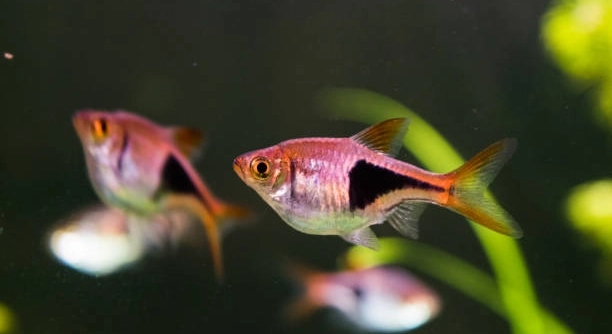
Introducing a new fish to your aquarium can be exciting, but rasboras often react nervously in unfamiliar surroundings. Their sudden darting and hiding can be stressful, making it important to create a calm environment for them early on.
The most effective method to calm a rasbora in a new tank involves minimizing sudden movements, maintaining stable water parameters, and providing ample hiding spaces. Gradual acclimation and consistent feeding routines further reduce stress and support their adjustment.
With the right approach, your rasbora can settle quickly, allowing you to enjoy a peaceful and vibrant aquarium experience.
Setting Up a Comfortable Tank Environment
A calm rasbora begins with a tank that feels safe. Use plants, rocks, and decorations to create hiding spots. Avoid overcrowding the tank, as too many fish or decorations can increase stress. Keep the water temperature steady, within the range suitable for rasboras, and monitor pH levels carefully. Soft lighting helps them feel secure, as harsh bright lights may trigger panic. Gentle water flow is preferable, since strong currents can make small fish anxious. Ensure the substrate is smooth, avoiding sharp edges that could injure them while exploring. Regular water changes are essential to maintain quality without causing sudden fluctuations. Gradually adding new decorations or rearranging the tank allows the fish to adjust slowly. Filtration should be quiet and efficient, avoiding strong vibrations. Observing their behavior daily helps spot signs of stress early. Feeding small portions at regular times establishes routine and reassurance.
Keeping plants and hiding spots consistent helps rasboras feel more at ease in the tank.
Providing structure and a controlled environment reduces stress significantly, allowing the fish to explore naturally and engage in typical social behavior.
Gradual Acclimation and Handling
Introduce rasboras slowly to a new tank by floating their bag in the water first.
After floating, add small amounts of tank water to their transport water over 20–30 minutes. This gradual acclimation helps them adjust to temperature and water chemistry differences. Avoid pouring the fish directly into the tank immediately, as sudden changes can shock them. Gently netting and handling should be minimized, as excessive interaction increases stress. Using a soft net or cup is preferable for any necessary transfers. Observe them closely during the first hours to ensure they swim normally and find hiding spots if needed. Feeding small amounts after acclimation reinforces their comfort and helps them establish a routine. Consistent conditions, patience, and careful observation allow rasboras to adjust at their own pace, promoting health and long-term stability in the tank. Avoid sudden noises or movements around the aquarium, as this can startle them even after acclimation. Monitoring water quality and maintaining stability are equally crucial during the initial week.
Controlling Water Conditions
Stable water conditions are essential for calming rasboras. Test temperature, pH, and hardness regularly. Sudden changes can stress them quickly.
Keeping the water within their preferred range, typically 24–28°C and slightly acidic to neutral pH, prevents erratic behavior. Frequent testing and gentle adjustments are key. Avoid sudden water changes, as they can shock the fish. Using a reliable thermometer and water test kit ensures accuracy. Filtration should be gentle but effective, removing debris without creating strong currents. Aeration is helpful, but keep bubbles minimal to prevent agitation. Consistent maintenance fosters a predictable environment, making rasboras feel secure. Adding live plants and hiding spots helps buffer minor fluctuations. Monitoring ammonia, nitrites, and nitrates is also important. Stress from poor water quality can weaken their immune system. Keeping conditions steady encourages natural swimming patterns and social interaction.
Regular observation allows you to catch problems early, ensuring your rasboras remain healthy and calm.
Ensuring water conditions are stable involves daily checks, gradual corrections, and awareness of chemical levels. This consistency reduces stress, promotes normal feeding, and supports overall wellbeing. Proper filtration and gentle aeration create a comfortable space for the fish.
Feeding to Reduce Stress
Offer small, frequent feedings to prevent overfeeding. Excess food can pollute the tank and cause stress.
High-quality flakes, micro-pellets, or frozen foods provide balanced nutrition. Feed amounts they can consume in two to three minutes, two to three times daily. Observing their eating behavior helps adjust portions. Remove uneaten food promptly to maintain water quality. Offering variety keeps them interested and reduces aggression during feeding. Feeding at consistent times establishes a routine, helping the fish anticipate and feel secure. Avoid sudden diet changes, as this can cause hesitation or stress. Live foods like daphnia or brine shrimp can be added occasionally to stimulate natural foraging instincts.
Maintaining a calm feeding environment, with minimal distractions, allows rasboras to eat comfortably. This practice promotes health, reduces anxiety, and supports steady growth and coloration over time. Consistency and careful observation are key to establishing a stable feeding routine that benefits both the fish and tank environment.
Minimizing External Stressors
Keep the tank in a quiet area away from heavy foot traffic. Sudden loud noises or vibrations can startle rasboras and increase stress levels.
Avoid tapping on the glass or sudden movements nearby. Maintaining a calm environment helps them feel safe and encourages normal swimming and social behavior.
Using Hiding Spots Effectively
Dense plants, caves, and decorations provide essential cover for rasboras. These hiding spots reduce anxiety by giving fish places to retreat when feeling threatened. Positioning them strategically throughout the tank allows easy access from all areas. Varied hiding spaces encourage exploration and natural behavior. Ensure spaces are large enough for groups to move freely.
Observing Behavioral Changes
Monitor your rasboras daily for signs of stress such as darting, hiding, or loss of appetite. Early detection helps prevent long-term health issues.
Regular observation allows adjustments to feeding, water conditions, or tank layout to maintain a calm and stable environment.
FAQ
How long does it take for a rasbora to calm down in a new tank?
Rasboras usually start adjusting within a few hours, but full acclimation can take several days. Consistent water conditions, hiding spots, and minimal disturbances speed up the process. Avoid rushing interactions or changing decorations during the first week. Patience is essential to ensure they feel secure and begin swimming naturally.
Can lighting affect their stress levels?
Yes, bright or harsh lighting can make rasboras skittish. Using soft, indirect lighting or floating plants to diffuse light helps them feel safer. Adjusting light gradually over the first few days allows the fish to adapt without panic. Maintaining a consistent day-night cycle also supports calm behavior.
Is tank size important for keeping rasboras calm?
Tank size plays a significant role in their comfort. Overcrowded tanks increase stress and aggressive behavior. A minimum of 10 gallons for a small group is recommended, with larger tanks being preferable. Providing enough swimming space and multiple hiding spots helps maintain harmony.
Should I mix rasboras with other fish immediately?
Introducing them to new tankmates too soon can cause stress and territorial behavior. Wait at least a week after acclimation before adding other species. Observe interactions carefully, and ensure compatible species that share similar water conditions. Gradual introductions reduce conflict and help all fish feel secure.
How do I know if my rasbora is stressed?
Common signs of stress include rapid darting, constant hiding, loss of appetite, faded coloration, and erratic swimming. Identifying these behaviors early allows adjustments to water quality, tank layout, or feeding routines. Addressing stress promptly prevents health issues and supports long-term wellbeing.
Can water changes calm rasboras or make them anxious?
Gentle, partial water changes are beneficial, but sudden or large changes can be stressful. Use dechlorinated water at matching temperature and similar pH levels. Introduce changes gradually, ideally over several days, to avoid shocking the fish. Consistency and care during water changes maintain calm behavior.
Are live plants necessary for reducing stress?
While not strictly required, live plants provide natural hiding spots, help maintain water quality, and create a more secure environment. They also encourage exploration and social interactions, contributing to overall calm behavior. Artificial plants can be used if properly arranged and soft enough for the fish to swim around safely.
Does feeding affect their stress levels?
Yes, feeding routines help rasboras feel secure. Offer small amounts at consistent times, and avoid overfeeding, which can lead to poor water quality and agitation. A varied diet of flakes, pellets, and occasional frozen or live foods encourages natural foraging and reduces stress.
How often should I monitor my rasboras during the first week?
Daily observation is ideal, focusing on swimming patterns, appetite, and interaction with hiding spots. Checking water parameters daily during the first week ensures conditions remain stable. Early detection of problems allows adjustments that keep the fish calm and healthy.
Can sudden noises outside the tank affect them?
Yes, loud noises, vibrations, or constant activity near the tank can startle rasboras. Keeping the tank in a low-traffic, quiet area reduces anxiety. Covering part of the tank or adding plants near the surface can buffer sudden disturbances and help the fish feel secure.
Is it okay to rearrange the tank decorations frequently?
Frequent rearrangement can stress rasboras. They rely on familiar landmarks for navigation and security. If changes are necessary, do them gradually, introducing one item at a time. Maintaining some consistency in layout helps them feel safe and supports natural swimming patterns.
How can I encourage social behavior among my rasboras?
Keep them in small groups of at least six, as they are naturally schooling fish. Provide enough swimming space and multiple hiding spots. A calm, stable environment encourages natural social interactions, reduces stress, and allows the group to establish a hierarchy safely.
Are there signs that indicate a tank is not suitable for rasboras?
Signs include constant hiding, erratic swimming, faded colors, and frequent skittish behavior. Water tests showing unstable parameters, strong currents, or overcrowding also indicate problems. Correcting these issues quickly ensures a calm and healthy environment.
Can temperature fluctuations cause stress?
Yes, rasboras are sensitive to temperature changes. Maintaining a stable range, typically 24–28°C, prevents panic and erratic swimming. Use a reliable heater and thermometer to monitor daily. Gradual adjustments are better than sudden changes, which can weaken the fish and increase susceptibility to disease.
Do rasboras need companions to feel secure?
Yes, they are schooling fish and feel safer in groups. A single rasbora may become anxious and hide frequently. Keeping at least six together encourages natural schooling behavior, reduces stress, and promotes a more active, balanced environment.
Can introducing new decorations affect their stress levels?
New decorations can either help or stress them, depending on how they are added. Introduce items gradually and allow the fish to explore at their own pace. Avoid sharp edges and ensure there are enough hiding spots for all members of the group.
How long should I wait before handling a rasbora?
Handling should be minimized, especially during the first week. If necessary, use a soft net or cup and move them gently. Frequent handling increases stress and can lead to injury or illness. Observation and minimal intervention are preferable.
What is the best way to maintain water quality without stressing them?
Perform partial water changes with dechlorinated water matching tank temperature and pH. Avoid sudden large changes. Gentle filtration and regular testing ensure stability. Monitoring ammonia, nitrites, and nitrates daily during the first week helps maintain a calm, healthy environment.
How do I know if my tank setup is optimal for rasboras?
An optimal setup includes stable water parameters, soft lighting, gentle currents, hiding spots, and a small group of compatible fish. Calm, predictable behavior, active schooling, and normal feeding habits indicate the tank meets their needs. Adjustments can be made gradually to improve comfort.
Can stress affect their color or growth?
Yes, stressed rasboras may show faded colors, slow growth, or reduced activity. Maintaining stable water conditions, consistent feeding, and hiding spots supports healthy coloration, normal growth, and active behavior. Early intervention prevents long-term health issues.
Are there natural methods to calm rasboras besides hiding spots and water control?
Yes, gentle floating plants, soft background colors, and minimal disturbances help. Consistent feeding schedules, gradual acclimation, and observing natural schooling patterns all contribute to reducing stress naturally. The environment should feel secure and predictable.
How can I reduce stress when adding new fish to the tank?
Quarantine new fish first and float them in the tank for gradual acclimation. Introduce them slowly, and monitor interactions closely. Maintaining stable water conditions and providing extra hiding spots during introductions reduces stress for both new and existing fish.
Is it normal for rasboras to hide a lot at first?
Yes, hiding is a natural response to a new environment. Over time, with consistent conditions and safe hiding spots, they gradually explore more. Frequent observation ensures they are adjusting properly and not showing signs of chronic stress.
What are the key factors for long-term calm behavior?
Stable water parameters, consistent feeding, sufficient hiding spots, minimal disturbances, and keeping them in appropriate group sizes are essential. Gradual changes and regular observation ensure ongoing health, calm behavior, and natural social interactions within the tank.
Final Thoughts
Maintaining a calm environment for rasboras is essential for their health and well-being. These small, schooling fish are sensitive to changes in their surroundings, and even minor disruptions can cause stress. By keeping water parameters stable, providing adequate hiding spots, and minimizing sudden movements near the tank, you create a space where rasboras can feel secure. Consistent feeding routines and gentle lighting further contribute to their sense of safety. Observing their behavior daily allows you to respond quickly if they show signs of stress, such as hiding excessively, darting suddenly, or refusing to eat. Creating a predictable and structured environment not only helps the fish adjust faster but also encourages natural behaviors, including schooling and exploration, which are important for their physical and mental health. Over time, a calm and stable tank setup becomes a reliable foundation for the rasboras to thrive, making your aquarium both vibrant and peaceful.
Gradual acclimation is a key factor when introducing rasboras to a new tank. Sudden exposure to unfamiliar water chemistry, temperature, or tankmates can trigger anxiety and erratic behavior. Floating the transport bag, adding small amounts of tank water over time, and carefully releasing the fish reduces the risk of shock. Providing multiple hiding spots and ensuring the tank is quiet during the initial days helps the fish settle more comfortably. These practices support their natural instincts while reducing the likelihood of illness caused by stress. Even simple measures, such as avoiding abrupt decorations changes or limiting handling, can have a significant impact on their adjustment. Over the first week, closely monitoring their swimming patterns, appetite, and coloration provides valuable insight into how well they are adapting. This careful and patient approach ensures that the fish feel secure while minimizing any long-term stress effects that could compromise their health or growth.
Feeding practices also play an important role in maintaining a calm environment. Small, consistent meals reduce competition among the group and prevent leftover food from affecting water quality. A balanced diet, including flakes, pellets, and occasional frozen or live foods, encourages natural foraging and keeps them engaged. Overfeeding can pollute the tank and increase agitation, while underfeeding may cause stress and weaken the fish. Maintaining a regular schedule for feeding, water changes, and observation allows the rasboras to predict daily routines, which promotes comfort and confidence in their surroundings. The combination of stable water conditions, adequate hiding spaces, gentle acclimation, and mindful feeding creates an environment where rasboras can thrive. By prioritizing these factors, you help ensure their long-term health, vibrant coloration, and natural behaviors, ultimately creating a peaceful and harmonious aquarium that benefits both the fish and your enjoyment of their presence.

Hello,
If you enjoy the content that we create, please consider saying a "Thank You!" by leaving a tip.
Every little bit helps us continue crafting quality advice that supports the health, happiness, and well-being of pets around the world, for pets of all shapes, sizes, and species.
We really appreciate the kindness and support that you show us!