
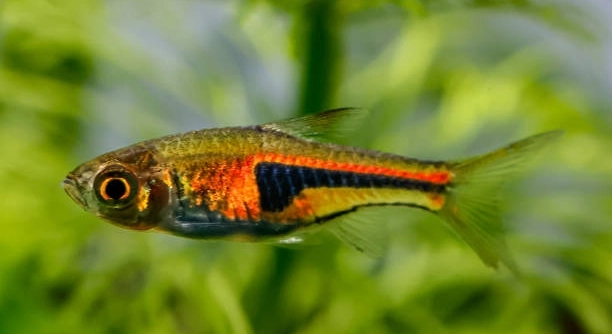
Many aquariums feature small, shimmering fish that seem to move in gentle, loose circles. Rasboras are popular for their calm behavior and vibrant colors, often adding a peaceful rhythm to any freshwater tank environment.
Rasboras swim in loose circles as a natural schooling behavior that enhances safety and coordination. This movement helps them detect threats, maintain social bonds, and navigate their environment efficiently while reducing stress and potential conflicts within the group.
Observing these circular patterns can reveal more about their instincts and how to create a comfortable tank setup for them.
Understanding Schooling Behavior
Schooling is a natural instinct for many small fish, including rasboras. They often swim together in loose circles to stay organized and reduce the chance of being targeted by predators. Even in home aquariums, this behavior persists because it is deeply rooted in their biology. By moving in a coordinated way, rasboras can communicate subtle signals to each other about changes in their environment. This includes shifts in light, temperature, or even nearby movement that may indicate danger. Watching them can be calming, but it is also a way to observe how instinct shapes behavior. Their circular patterns are not random; each fish adjusts its speed and direction to maintain balance within the group. This alignment helps avoid collisions and ensures that all members can move efficiently together. Over time, rasboras learn to predict each other’s movements, which strengthens their cohesion. Proper tank setup with enough space enhances this natural schooling behavior, allowing them to express their instincts fully.
Loose circles allow rasboras to stay coordinated and feel secure, helping them move without stress or constant conflict with other fish.
Observing rasboras swimming in circles is more than just a display of beauty. It reflects their survival instincts, communication, and comfort levels. Creating an environment that supports these behaviors ensures they remain healthy and active, making their patterns easier to appreciate over time.
Environmental Factors Affecting Movement
Tank size, water quality, and decoration placement can influence how rasboras swim.
If a tank is too small or cluttered, rasboras may not form proper circles. They need open space to glide together smoothly, and too many obstacles can disrupt their movement. Water temperature and cleanliness also play a role; when conditions are off, fish may become lethargic or hide instead of swimming freely. Lighting can affect how they interact, with softer, consistent light encouraging more natural behavior. Adding plants and low decorations gives them a sense of security, reducing stress while allowing them to school in loose circles. Observing and adjusting these factors can improve their movement patterns significantly. Over time, small tweaks to the environment lead to more visible and comfortable swimming behavior.
Proper attention to these environmental details ensures rasboras thrive and maintain their characteristic patterns, giving observers a clearer insight into their natural habits. Understanding these elements helps create a balanced and visually pleasing aquarium. When rasboras are able to swim freely in loose circles, it is easier to notice subtle interactions, such as slight speed changes or direction shifts, which show how each fish responds to its companions. Maintaining water quality, adjusting decorations, and monitoring group size are simple but effective ways to enhance their natural schooling behavior. A comfortable environment not only supports physical health but also mental well-being, making the tank more enjoyable to watch. Over time, these measures encourage consistency in their movements, showcasing the harmony and instinct that define rasboras. Proper planning and observation can turn even a small tank into a space where these fish can exhibit their unique, circular swimming patterns confidently.
Feeding and Swimming Patterns
Rasboras often adjust their swimming based on feeding times. They become more active when food is introduced and may circle more energetically. Predictable feeding helps maintain their rhythm and reduces stress.
Feeding influences their social interaction as well. When food is scattered, rasboras spread out slightly but still maintain circular movement around the feeding area. This balance allows each fish to access food while staying aware of the group. Over time, they learn patterns, anticipating mealtime and adjusting their speed and position accordingly. Observing how they circle during feeding gives insight into their instincts and hierarchy. A regular feeding schedule ensures consistency in their behavior, making their swimming patterns more stable and predictable.
The type of food also matters. Flakes, micro-pellets, and live foods all provoke slightly different movement. Heavier foods may slow them down, while smaller particles encourage quicker, tighter circling. Their activity level directly reflects the way food is introduced. By providing varied diets, you can observe subtle changes in swimming style. This variation keeps the fish engaged and helps maintain healthy activity. Watching them adapt to feeding conditions highlights their responsiveness and coordination, emphasizing how diet and movement are interconnected in a small, social species like rasboras.
Tank Companions and Social Behavior
Rasboras interact closely with tank mates, influencing their circular swimming. Compatible species promote harmony, while aggressive fish disrupt patterns.
The choice of companions affects schooling behavior. Peaceful fish like tetras or small danios encourage rasboras to maintain their loose circles without stress. In contrast, aggressive or much larger species may chase or intimidate them, breaking the rhythm of movement. Observation of interactions shows how social hierarchy develops, with dominant individuals often leading sections of the circle. Group size is equally important. Smaller groups may circle less consistently, while larger groups strengthen cohesion and coordination. Understanding social dynamics allows better planning for community tanks. Ensuring compatible companions creates a stable environment where rasboras can express natural instincts confidently.
Maintaining an ideal social environment requires monitoring behavior closely. Unequal numbers or incompatible species can cause stress, making the circles irregular or prompting hiding. Space and hiding spots are critical for confidence and comfort, giving each fish a sense of security. Regular observation helps detect changes in patterns early, allowing for adjustments in population or tank layout. Gradual introduction of new tank mates reduces tension and maintains harmony, preventing disruption of schooling behavior. Balanced social conditions ensure active, healthy fish, where circular swimming remains consistent. Watching interactions over time also provides insight into personality differences among individual rasboras, highlighting leaders and more cautious members. Proper planning and attention to social structure make the tank more vibrant and engaging, ensuring all species coexist comfortably.
Water Conditions and Activity
Rasboras swim more actively in stable water conditions. Consistent temperature, pH, and cleanliness support their natural behavior. Sudden changes can cause stress and disrupt circular movement.
Proper filtration and regular water changes keep the environment balanced. Healthy water encourages regular schooling and smooth, loose circling, reflecting their natural instincts without interference.
Lighting and Day-Night Cycles
Rasboras respond to light levels when swimming. Moderate lighting encourages activity, while overly bright or dim conditions can make them hide or slow down. Maintaining a consistent day-night cycle supports normal swimming patterns and overall well-being, allowing them to circle naturally and calmly within the tank.
Tank Size and Space
Adequate space is crucial for circular swimming. Small or overcrowded tanks restrict movement, causing stress and irregular patterns. Providing enough open water ensures rasboras can glide freely in loose circles, maintaining their social cohesion and natural coordination while reducing conflict and promoting a peaceful environment.
Observing Subtle Behaviors
Watching rasboras closely reveals small signals like slight speed changes or direction shifts. These subtle behaviors show their awareness of companions and environment, giving insight into their instincts and how they communicate within the group.
FAQ
Why do rasboras swim in circles instead of straight lines?
Rasboras swim in circles as part of their natural schooling behavior. Circular movement helps them stay coordinated and maintain social bonds. This pattern allows each fish to adjust its speed and direction in response to the group, preventing collisions and promoting safety.
Is it normal for rasboras to stop circling sometimes?
Yes, occasional pauses are normal. Rasboras may rest, explore hiding spots, or respond to changes in lighting, temperature, or feeding. Temporary breaks from circling do not indicate a health issue as long as they resume normal movement afterward.
How many rasboras should I keep together for proper circling?
A minimum of six to eight rasboras is recommended for visible schooling. Smaller groups may form weak circles or appear scattered, while larger groups increase cohesion and make the circular patterns more consistent and natural.
Can other fish affect their circular swimming?
Yes, tank mates play a big role. Peaceful fish encourage smooth movement, while aggressive or much larger species can disrupt patterns by chasing or intimidating them. Proper selection of companions is essential to maintain calm, coordinated circles.
Does tank size influence their swimming behavior?
Absolutely. Rasboras need open space to glide freely. Overcrowded or small tanks restrict movement, causing stress and breaking their circular patterns. Providing sufficient water volume ensures they can swim naturally and maintain their social structure.
How does water quality affect their circling?
Stable water conditions support healthy schooling behavior. Sudden changes in temperature, pH, or ammonia levels stress rasboras, slowing movement or causing irregular circling. Regular water changes and proper filtration are key to maintaining consistent swimming patterns.
Do rasboras circle more at certain times of day?
Yes, activity often peaks around feeding times or when lighting is moderate. They may circle less under very bright or dim conditions, or when resting. Consistent day-night cycles help regulate their activity and natural swimming behavior.
What role does diet play in their movement?
Feeding influences both speed and coordination. Small flakes or live foods encourage more energetic circling, while heavier foods may slow them down. A varied diet helps maintain activity levels and ensures they can express natural schooling behavior fully.
Are there signs that circling behavior indicates stress or illness?
Erratic movement, sudden stops, hiding excessively, or inability to maintain circles can signal stress or health problems. Checking water quality, tank setup, and tank mates can help address these issues and restore normal behavior.
Can decorations or plants disrupt their circles?
Yes, dense decorations or tall plants can interrupt movement. While some plants provide hiding spots and security, too many obstacles make smooth circling difficult. Balancing open space with shelter ensures healthy, natural patterns.
Do individual personalities affect schooling behavior?
Yes, some rasboras are naturally more cautious, while others may take the lead in circles. Observing their interactions can reveal leaders and followers, showing subtle social dynamics within the group and how each fish adapts to companions.
How can I encourage consistent circular swimming?
Maintaining stable water conditions, choosing compatible tank mates, providing adequate space, and following a regular feeding schedule all support consistent circling. Observing and adjusting the environment ensures rasboras can express their natural instincts confidently.
Is it possible for a single rasbora to circle alone?
While a lone rasbora may move in small loops, circling is primarily a social behavior. They rely on the presence of other rasboras to coordinate movement and feel secure. Single fish may show stress or irregular patterns over time.
Do different rasbora species circle differently?
Yes, patterns vary slightly depending on size, temperament, and natural instincts of the species. Some species form tighter circles, while others move in broader, looser patterns. Understanding species-specific tendencies helps create suitable environments for each type.
Can stress completely stop circling behavior?
High stress can temporarily halt natural movement. Overcrowding, aggressive tank mates, poor water quality, or sudden environmental changes can all affect schooling. Addressing these factors usually restores normal behavior, allowing rasboras to resume their natural, loose circling.
How long do rasboras typically maintain circular swimming each day?
They may circle intermittently throughout the day, particularly when exploring, feeding, or responding to companions. Duration varies based on activity level, tank conditions, and group size, but they generally maintain consistent patterns in healthy, comfortable environments.
Do young rasboras circle differently than adults?
Juveniles often form less structured circles as they learn to coordinate with the group. Adult rasboras exhibit tighter, more consistent patterns, reflecting experience and social cohesion developed over time. Observing young fish helps track their development and adjustment to the school.
What is the main reason rasboras circle in captivity?
The primary reason is instinctive schooling. Even without predators, this behavior persists as a form of social coordination, safety, and communication. Providing conditions that support this instinct ensures their behavior remains natural and healthy.
Are there signs that circling is excessive or abnormal?
Excessive, frantic, or repetitive circling may indicate stress, poor water conditions, or illness. Regular observation of patterns, combined with proper tank care, helps maintain healthy and natural movement.
Rasboras are small, delicate fish that display unique and engaging behaviors, and one of the most noticeable is their habit of swimming in loose circles. This movement is not just for show; it is a natural instinct that helps them stay safe, coordinated, and connected with other members of their group. In the wild, circling allows them to detect potential threats more effectively, maintain social order, and navigate their environment with efficiency. Even in home aquariums, this behavior remains strong, reflecting their inherent instincts. Observing these patterns can be calming and satisfying, showing the subtle ways in which fish communicate and move as a group. The gentle, continuous motion of a school of rasboras is a reminder of the complex, instinctive behaviors that even small fish rely on for survival and comfort.
The environment in which rasboras live greatly influences their ability to swim naturally. Tank size is a crucial factor, as overcrowded or small spaces limit movement and can increase stress, leading to irregular or disrupted swimming patterns. Water quality also plays a significant role; stable temperature, proper pH, and cleanliness encourage consistent activity and support overall health. Feeding routines and the type of food offered affect their energy and coordination, as rasboras often adjust their swimming in response to mealtime. Even minor changes, such as the arrangement of plants or decorations or variations in lighting, can temporarily influence their circling behavior. Paying attention to these details ensures that the fish can swim freely, reducing stress and promoting natural, predictable patterns of movement.
Understanding the social dynamics of a group of rasboras adds another layer to appreciating their behavior. Each fish may have a slightly different personality, with some taking the lead in the circle and others following closely behind. Group size and the presence of peaceful, compatible tank mates are important for maintaining harmony and smooth swimming patterns. Providing adequate open space along with strategically placed hiding spots helps them feel secure while still allowing freedom of movement. When all these conditions are met, their circular swimming becomes consistent and healthy, reflecting both physical well-being and social comfort. Observing these patterns over time reveals how subtle interactions, coordination, and instincts shape their behavior, making rasboras not only visually appealing but also fascinating to watch as they display their natural, circular swimming tendencies in a well-maintained aquarium.

Hello,
If you enjoy the content that we create, please consider saying a "Thank You!" by leaving a tip.
Every little bit helps us continue crafting quality advice that supports the health, happiness, and well-being of pets around the world, for pets of all shapes, sizes, and species.
We really appreciate the kindness and support that you show us!