
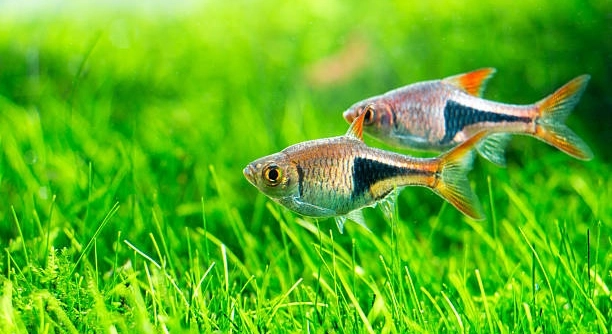
One rasbora swimming alone can catch your attention, especially when the rest of the school moves together in harmony. Observing this behavior may leave you wondering about its cause and what it might mean for your fish’s wellbeing.
A rasbora may swim alone due to stress, illness, or social hierarchy within the school. Environmental factors, insufficient hiding spots, or changes in water quality can also influence its behavior, prompting temporary or persistent isolation from the group.
Watching a single rasbora drift apart is more than a simple curiosity, as it often reveals insights into your aquarium’s overall balance and health.
Common Reasons for a Rasbora Swimming Alone
Sometimes, one rasbora separates from the school simply because of stress or illness. Stress can come from overcrowding, aggressive tank mates, or sudden changes in water conditions. Illness may make a fish weak or less active, causing it to drift away from the group. Water quality is a major factor as well. High levels of ammonia, nitrites, or nitrates can make a fish uncomfortable, prompting isolation. Temperature fluctuations also impact behavior, especially if the water is too cold or too warm for the species. Even changes in lighting or decorations can affect how comfortable a rasbora feels in its environment. Observing your fish closely can help identify subtle signs like clamped fins, loss of color, or unusual swimming patterns. Providing hiding spots, maintaining stable water parameters, and keeping stressors low can encourage the fish to rejoin the school over time.
Monitoring water quality and tank conditions regularly helps prevent isolation. A healthy environment keeps the school cohesive.
It is important to notice early signs of stress or illness because they often go unnoticed. A single fish swimming alone may indicate underlying problems that could affect the entire tank if left unaddressed. Consistent water testing, regular tank maintenance, and proper feeding routines can prevent most issues. Introducing decorations or plants can also give shy or stressed fish safe spaces, reducing their need to separate. Additionally, observing interactions between tank mates can reveal whether aggression or bullying is causing isolation. Some rasboras are naturally more timid and may need gradual acclimation to feel comfortable within the group. Over time, attention to these details ensures a healthier, more balanced aquarium and encourages solitary fish to rejoin their school naturally.
How to Encourage a Solo Rasbora to Rejoin Its School
Providing more plants or hiding spots can make a timid rasbora feel secure.
Encouraging a rasbora to rejoin the school requires consistent care and attention. Start by ensuring the tank’s water conditions are optimal and stable, including temperature, pH, and chemical levels. Remove any aggressive or overly dominant fish that might be intimidating the lone rasbora. Adding floating plants or decorations can create sheltered areas that reduce stress and give the fish confidence to swim closer to the group. Feeding the fish evenly and gently can also help, as a calm feeding routine reduces tension and encourages social interaction. Patience is key, as some rasboras take time to adjust. Observing their behavior daily will help you understand when the fish feels safe enough to rejoin the school. Over time, these measures often lead to a healthier, more social environment, promoting natural schooling behavior and reducing solitary tendencies.
Observing Behavioral Changes
A rasbora swimming alone often shows other subtle behavioral changes. It may eat less, hide more frequently, or stay near the surface. Tracking these changes helps identify whether the isolation is temporary or linked to illness or stress.
Careful observation is essential when one rasbora separates from the group. Changes in swimming patterns, appetite, and interaction with other fish can indicate stress, disease, or discomfort in the tank. It’s important to note whether the fish is consistently isolated or only occasionally drifts away. Environmental factors, such as sudden temperature shifts or new tank additions, can influence behavior. Observing feeding habits also provides insight, as a fish that refuses food may be ill or stressed. Recording these patterns helps determine the best approach to encourage rejoining the school and maintaining overall tank health.
Behavioral changes can also be subtle. A fish that normally swims actively may become sluggish, cling to decorations, or show unusual fin movements. Early detection of these signs can prevent worsening conditions. Tracking these patterns daily allows for timely interventions. Adjusting water quality, providing hiding spots, and monitoring tank mates can reduce stress. In some cases, isolation is a natural response, and the fish may return to the group when it feels safe. Recognizing the difference between natural behavior and concerning signs is key to keeping your rasboras healthy and maintaining a harmonious tank environment.
Environmental Factors Affecting Isolation
Tank size, decorations, and water quality all influence a rasbora’s social behavior. Inadequate space or poor water conditions often prompt solitary swimming.
Environmental conditions play a major role in a rasbora’s tendency to swim alone. A small or overcrowded tank can make fish feel threatened, forcing them to seek personal space. Decorations, plants, and hiding spots also impact behavior, providing areas to retreat when stressed. Water parameters such as temperature, pH, and chemical levels must remain stable, as fluctuations can disrupt schooling. Even lighting intensity and placement affect comfort levels, as overly bright or dim conditions may trigger isolation. Ensuring the tank environment meets the species’ needs encourages social interaction and reduces solitary tendencies. Regular maintenance, including water changes and cleaning, helps sustain optimal conditions and overall fish health.
Health Concerns
A rasbora swimming alone can be an early sign of illness. Symptoms such as faded color, clamped fins, or labored breathing often accompany this behavior and require attention.
Prompt action can prevent the issue from worsening. Quarantining the affected fish and checking water parameters are essential steps to ensure recovery.
Social Hierarchy in the Tank
Rasboras naturally establish a social hierarchy within their group. Dominant fish may claim preferred swimming areas or food sources, causing timid individuals to isolate temporarily. Understanding these dynamics helps in managing tank interactions. Consistently observing behavior allows you to distinguish normal social adjustments from concerning isolation, ensuring balance.
Stress Triggers
Environmental stressors, including sudden changes in temperature or water quality, can cause a rasbora to separate from the school.
FAQ
Why is my rasbora always swimming alone?
A rasbora may swim alone due to stress, illness, or environmental changes. Overcrowding, aggressive tank mates, or poor water quality can all contribute. Some fish are naturally more timid and may temporarily separate until they feel comfortable with their surroundings.
Could water conditions be causing my rasbora to isolate?
Yes. Temperature fluctuations, improper pH, high ammonia, nitrite, or nitrate levels can make a fish uncomfortable. Even subtle changes in lighting or decoration placement can cause stress. Maintaining stable water conditions encourages schooling behavior and reduces the likelihood of solitary swimming.
Is it a sign of illness if my rasbora is alone?
Often, yes. Illnesses such as parasitic infections, bacterial problems, or fin rot can weaken a fish, causing it to separate from the school. Look for other signs like faded color, clamped fins, labored breathing, or loss of appetite. Early detection improves recovery chances.
Can social hierarchy affect swimming behavior?
Absolutely. Rasboras form natural social hierarchies, and dominant fish may claim prime swimming or feeding areas. Timid fish may retreat or swim alone to avoid conflict. Observing interactions helps determine whether isolation is behavioral or a response to stress.
Will adding more hiding spots help?
Yes, providing plants, decorations, or caves gives shy fish safe areas to retreat. This reduces stress and encourages them to return to the school gradually. Creating a comfortable environment is key to supporting social cohesion.
How long does it take for a solitary rasbora to rejoin the group?
It depends on the cause. If isolation is due to stress, improvements in water quality, hiding spots, and calm tank conditions may result in the fish rejoining the school within days to weeks. Illness-related isolation requires treatment first.
Should I quarantine a rasbora that swims alone?
If the fish shows signs of illness, quarantining is recommended. Isolating it prevents disease from spreading to other tank mates and allows for focused treatment. Healthy fish that are simply shy usually do not need isolation.
Can diet influence social behavior?
A balanced diet can improve overall health and activity levels. Fish that are well-fed and healthy are more likely to participate in schooling behavior. Uneven feeding or nutrient deficiencies may increase stress and cause temporary isolation.
Does tank size matter for schooling behavior?
Yes. Small or overcrowded tanks can increase stress, forcing timid fish to swim alone. Providing enough space for all fish to move freely helps maintain natural social interactions and reduces solitary behavior.
How can I tell the difference between natural isolation and a problem?
Natural isolation is temporary and the fish shows no other symptoms. Problematic isolation comes with signs like lack of appetite, faded colors, clamped fins, unusual swimming, or aggression from other fish. Monitoring behavior daily helps identify the cause.
Can lighting affect my rasbora’s behavior?
Yes. Too bright or inconsistent lighting may make a rasbora uncomfortable, prompting it to seek calmer areas. Providing a stable light cycle with moderate intensity helps fish feel secure and encourages normal schooling.
Is it normal for a fish to occasionally swim alone?
Occasional separation is normal for timid or curious individuals. Problems arise when the fish consistently isolates, shows stress signs, or avoids food. Regular observation ensures any concerning patterns are addressed quickly.
What should I do first if a rasbora is alone?
Check water quality, observe for illness, and ensure there are enough hiding spots. Adjust environmental factors calmly, monitor behavior, and separate only if illness is suspected. Consistency and patience are essential for helping the fish rejoin the school naturally.
Can stress from tank mates cause isolation?
Yes. Aggressive or overly dominant fish can intimidate others, causing them to swim alone. Rearranging tank mates, adding hiding spots, or adjusting feeding routines can reduce stress and promote cohesion within the group.
How often should I monitor a solitary rasbora?
Daily observation is best. Track swimming patterns, appetite, color, and interactions. Early detection of stress or illness allows prompt action, preventing prolonged isolation or worsening health.
Are certain rasbora species more prone to swimming alone?
Some species are naturally more timid or less social. While most prefer schools, individuals may occasionally separate, especially in stressful environments or when first introduced to a new tank. Understanding species-specific behavior helps set realistic expectations.
Can water changes improve social behavior?
Yes. Regular water changes maintain stable conditions and remove harmful chemicals, reducing stress. Clean water encourages natural schooling and helps solitary fish feel more comfortable returning to the group.
When should I seek professional help?
If a fish shows prolonged isolation accompanied by illness signs or refuses food, consulting a veterinarian or experienced aquarist is recommended. Prompt advice can prevent serious health issues and improve the fish’s chances of recovery.
Does temperature consistency matter?
Absolutely. Sudden temperature drops or spikes stress fish, causing them to separate. Keeping water temperature stable and suitable for the species promotes natural behavior and reduces solitary tendencies.
Can adding more rasboras help?
Adding more fish may improve social dynamics if the tank is spacious enough. However, overcrowding increases stress and can worsen isolation. Introduce additional fish carefully, ensuring compatibility and adequate space for all individuals.
Observing a rasbora swimming alone can be concerning, but it is often a sign that the fish is experiencing stress, minor illness, or adjusting to its environment. Rasboras are naturally social and prefer the company of their school, so isolation usually indicates that something in the tank is affecting their comfort. Environmental factors such as water quality, temperature fluctuations, or overcrowding are common causes. Even subtle changes, like rearranging decorations or adjusting lighting, can make a fish feel insecure. Paying attention to these small details helps maintain a calm and balanced aquarium. Providing hiding spots, plants, and enough swimming space allows the fish to feel secure, which encourages them to rejoin the school naturally over time.
Behavioral observation is essential for keeping rasboras healthy and socially active. Signs like clamped fins, faded color, reduced appetite, or unusual swimming patterns often accompany solitary behavior and can indicate underlying issues. Monitoring these signs daily gives a clear picture of whether the fish is experiencing temporary stress or a health problem. Consistent water testing, proper feeding routines, and careful observation of tank mates help prevent many common causes of isolation. Sometimes, the fish is simply timid or adjusting to a new tank. In such cases, patience and small adjustments to the environment usually allow the fish to feel safe enough to return to the school. Recognizing the difference between normal behavior and concerning signs is important for maintaining overall tank harmony.
Maintaining a stable and supportive environment benefits not only the solitary rasbora but the entire group. Tank size, proper water parameters, and a well-planned layout all contribute to a healthy social dynamic. Stress reduction, regular maintenance, and attention to subtle changes in behavior promote a more cohesive school. While occasional solitary swimming may occur naturally, persistent isolation often signals an issue that needs addressing. By focusing on water quality, environmental stability, and careful observation, it is possible to reduce solitary behavior and encourage healthy social interaction. Creating a safe and comfortable space allows all rasboras to thrive and supports their natural schooling instincts, ensuring a balanced and harmonious aquarium over time.

Hello,
If you enjoy the content that we create, please consider saying a "Thank You!" by leaving a tip.
Every little bit helps us continue crafting quality advice that supports the health, happiness, and well-being of pets around the world, for pets of all shapes, sizes, and species.
We really appreciate the kindness and support that you show us!