
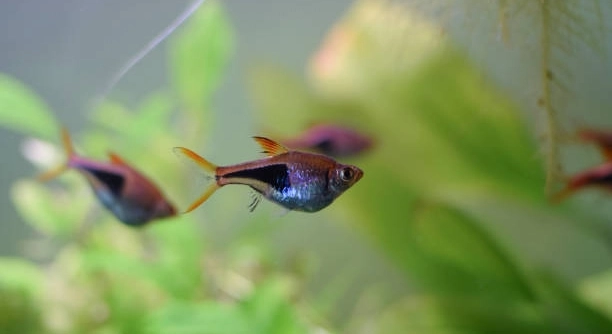
Rasboras are small, active fish that bring life to any aquarium. Observing them swim can be calming, yet their environment plays a crucial role in their overall well-being and daily activity levels. Their needs go beyond just water.
Rasboras can experience stress or reduced stimulation in a bare tank, which may affect their behavior. Providing a well-decorated habitat with plants, hiding spots, and varied textures promotes mental engagement and supports natural swimming patterns.
Creating a stimulating environment ensures rasboras stay active and healthy, enhancing both their longevity and the visual appeal of your aquarium.
Why a Bare Tank May Affect Rasboras
Rasboras are naturally active and curious fish. In a bare tank, their environment lacks hiding spots and textures, which can limit exploration and reduce stimulation. Over time, this may lead to stress or lethargy. Adding plants, rocks, or driftwood creates areas for swimming, resting, and exploring. Even simple decorations can encourage natural behaviors such as shoaling, darting between spaces, and investigating corners. Without these elements, rasboras may spend more time near the surface or appear listless. They rely on visual cues and environmental variety to remain engaged. Proper lighting, gentle water flow, and a varied setup can improve their daily activity. Observing their behavior can reveal whether they are comfortable or need enrichment. Gradually introducing new elements helps them adjust without causing sudden stress. Maintaining water quality alongside environmental enrichment ensures they stay healthy and active, supporting both their physical and mental well-being.
Adding simple decorations like plants or small caves can greatly increase activity levels and reduce stress.
Even a few well-placed decorations can transform a bare tank into a stimulating habitat. Plants provide hiding areas, rocks create exploration spots, and driftwood offers natural textures. These additions encourage swimming, shoaling, and interaction, allowing rasboras to display natural behaviors. A varied setup also supports mental engagement, preventing boredom. Observing how they move around different features helps track comfort levels. Even changing water flow or lighting slightly can add interest. Enrichment need not be complex; the goal is to create a safe, dynamic space. Regular maintenance, combined with these elements, keeps the tank inviting and reduces stress. By providing variety and structure, rasboras remain active, healthy, and visually appealing, benefiting both their welfare and the overall aquarium environment.
Signs Your Rasboras Need Enrichment
Lethargy, hiding excessively, or erratic swimming can indicate boredom or stress.
Fish that lack stimulation may stop exploring and focus only on feeding times. Changes in coloration or reduced appetite often signal that the tank environment is insufficient. Adding structures or live plants can restore activity and encourage natural behaviors. Consistently observing daily behavior allows early adjustments, ensuring long-term well-being. A balanced environment keeps their shoaling patterns intact and prevents stress-related issues.
Monitoring behavior is essential to identify when changes are needed. Rasboras in an empty tank may show repetitive swimming, stick near the surface, or avoid corners. Introducing hiding spots, floating plants, or textured substrates provides new areas to explore, supporting curiosity and comfort. Feeding strategies, like scattering small portions, encourage movement throughout the tank. Light variation and gentle water flow also add interest without causing stress. A combination of environmental and behavioral enrichment promotes health, reduces stress, and supports natural activity patterns. Regularly assessing water quality, temperature, and social dynamics ensures a stable, engaging habitat. By carefully balancing enrichment with tank conditions, rasboras thrive, display vibrant colors, and maintain consistent energy levels. These small adjustments can make a significant difference in their daily life, keeping them active, curious, and healthy.
Best Tank Additions for Rasboras
Live plants, small rocks, and driftwood provide hiding spots and exploration areas. Floating plants help diffuse light and create natural cover. Even simple decorations break up open space and encourage movement, keeping rasboras engaged and reducing stress. Variety is key to maintaining activity.
Adding soft substrate like sand or fine gravel gives rasboras comfortable footing and allows natural digging behaviors. Clustered plants and caves create distinct zones for swimming and resting. Floating plants reduce glare and offer partial cover, mimicking their natural habitat. Including a mix of textures, heights, and hiding spots encourages shoaling and playful darting. Decorations should leave enough open space for swimming while still offering retreat areas. Regularly changing or rearranging decorations can renew interest, preventing boredom without causing abrupt stress. Combining plants, driftwood, and soft substrate supports physical health, natural behaviors, and mental engagement.
Choosing decorations that match their size and temperament ensures rasboras can interact safely. Avoid sharp edges, overcrowding, or overly large rocks that could trap them. Plants should be easy to maintain, providing shelter without overwhelming the tank. Introducing driftwood or caves should balance aesthetic appeal with practical utility. Observing their behavior after each addition helps gauge effectiveness. A well-considered layout supports swimming patterns, shoaling, and resting zones, promoting natural activity. Gradually increasing enrichment and maintaining water quality preserves health, reduces stress, and enhances color vibrancy. Simple, thoughtful additions improve both their environment and overall happiness, making the tank more dynamic and engaging for daily observation.
Routine Care and Interaction
Regular water changes and monitoring temperature, pH, and ammonia levels maintain stability. Clean decorations and substrate prevent buildup of harmful substances.
Providing consistent feeding schedules supports energy levels and activity. Scattering small portions encourages swimming throughout the tank. Light cycles should mimic natural conditions. Interaction through observation or gentle adjustments helps monitor well-being. Healthy rasboras show active shoaling and responsive swimming.
Observing daily behaviors allows early detection of stress or illness. If activity drops, assess tank layout, water quality, and social dynamics. Adjusting plants, adding hiding spots, or rearranging decorations can re-engage interest. Feeding enrichment, like sinking or floating foods, stimulates movement and exploration. Light variation, gentle water flow, and temperature consistency further support health. Keeping track of growth and coloration ensures that environmental adjustments are effective. A balance of care, stimulation, and monitoring promotes natural activity, reduces stress, and maintains overall vitality. Over time, these measures create a comfortable, enriching habitat where rasboras thrive.
Signs of Boredom in Rasboras
Lack of movement, staying in one area, or hiding constantly can indicate boredom. Reduced appetite or dull coloration may also signal a need for environmental enrichment. Observing their behavior regularly helps identify early signs before stress becomes serious.
Repetitive swimming in circles or sticking to the surface can indicate frustration. Shoaling may appear disrupted, with some fish isolating themselves. Introducing new hiding spots or rearranging plants can renew interest and encourage natural activity. Monitoring these behaviors allows timely adjustments to maintain a healthy and stimulating environment.
Safe Plants and Decorations
Soft-leaved plants like Java fern, Anubias, or floating mosses provide cover without sharp edges. Small caves or smooth driftwood create secure retreat areas, supporting exploration while preventing injury.
Interaction Through Feeding
Scattering small portions or using sinking foods encourages movement. Feeding becomes a simple form of mental and physical stimulation.
Maintaining Consistency
Stable water parameters and consistent routines reduce stress. Rasboras thrive when temperature, pH, and light cycles are predictable, supporting overall health and natural behavior patterns.
FAQ
Can Rasboras live in a bare tank?
Yes, they can survive in a bare tank, but their behavior and activity may suffer. Without plants, hiding spots, or decorations, rasboras often become less active and may show signs of stress. Adding even minimal enrichment can improve their overall well-being and stimulate natural behaviors.
How do I know if my rasboras are bored?
Signs include lethargy, staying in one area, repetitive swimming, hiding excessively, or showing dull colors. Reduced appetite and disrupted shoaling patterns can also indicate boredom. Observing their daily behavior provides insight into whether the environment meets their needs and allows early adjustments.
What decorations are safe for rasboras?
Soft-leaved plants like Anubias, Java fern, or floating mosses are safe. Smooth driftwood, small caves, and rounded rocks provide hiding spaces without risk of injury. Avoid sharp or jagged objects that could harm delicate fins. Decorations should balance open swimming areas with exploration zones.
Do rasboras need live plants, or are fake plants enough?
Live plants provide oxygen, natural filtration, and realistic hiding spots, but high-quality fake plants can also offer enrichment and shelter. Combining both types can create a stimulating environment, giving rasboras areas to explore and hide while keeping maintenance manageable.
How often should I rearrange the tank?
Rearranging decorations occasionally helps prevent boredom, but frequent drastic changes can stress the fish. Gradual adjustments, such as moving one plant or adding a new hiding spot, are ideal. Observing their reactions after changes ensures they adapt without negative effects.
Can rasboras live happily without hiding spots?
They can survive, but happiness and natural behaviors are compromised. Hiding spots reduce stress, allow resting, and support shoaling. Without them, rasboras may appear anxious, stay near the surface, or avoid exploring, making environmental enrichment essential for a healthy tank.
How does tank size affect boredom?
A larger tank provides more space for swimming and exploration, reducing the risk of boredom. Small tanks limit movement and make enrichment even more critical. Ensuring ample swimming space along with decorations encourages activity and natural behaviors.
Do lighting and water flow impact rasbora engagement?
Yes, proper lighting mimics natural conditions and floating plants can diffuse brightness. Gentle water flow encourages swimming and supports natural activity patterns. Sudden changes in lighting or strong currents can stress them, so maintaining consistent, moderate conditions is important.
Are there behavioral activities to keep rasboras stimulated?
Feeding techniques like scattering food or using floating and sinking foods promote movement. Adding new hiding spots, rearranging plants, or creating visual interest keeps them active. Even small changes can maintain curiosity and reduce repetitive, stressed behavior.
How do I maintain a balance between open swimming space and decorations?
Ensure the tank has open areas for free swimming while providing enough hiding spots. Too many decorations can crowd the tank, limiting movement, while too few can reduce stimulation. A mix of zones encourages natural exploration, shoaling, and resting behaviors.
What should I do if my rasboras show stress despite enrichment?
Check water parameters, temperature, and social dynamics first. Stress may result from poor water quality or aggressive tankmates rather than lack of enrichment. Adjusting these factors and ensuring a calm, stable environment often restores natural behavior and reduces anxiety.
How long does it take for rasboras to adjust to a newly enriched tank?
Most rasboras adapt within a few days to a week. Initially, they may explore cautiously or remain in familiar areas. Gradual introduction of plants, hiding spots, and decorations helps them acclimate smoothly without causing stress or fear.
Can a bare tank affect coloration?
Yes, lack of stimulation or stress can dull coloration. A well-decorated environment with proper lighting, hiding spots, and enrichment encourages natural colors to appear brighter and more vibrant, reflecting better health and comfort.
Is it necessary to have a group of rasboras for stimulation?
Shoaling is natural for rasboras. Keeping at least six together ensures social interaction, reduces stress, and promotes natural swimming patterns. A solitary rasbora or too small a group may become anxious or inactive, making social enrichment crucial.
Do rasboras benefit from seasonal changes in tank conditions?
Mimicking subtle seasonal changes like light variation or slightly cooler periods can encourage natural behaviors. These adjustments should be gradual and controlled to prevent stress, supporting mental stimulation while maintaining stable water quality and overall health.
How often should tank cleaning occur without disturbing enrichment?
Partial water changes weekly or biweekly help maintain cleanliness without removing all decorations. Cleaning the substrate gently and wiping algae from surfaces preserves hiding spots and maintains stimulation while ensuring a safe, healthy environment for the fish.
Are there specific tank layouts that prevent boredom effectively?
Layered setups with tall plants at the back, mid-level decorations, and open swimming areas in front encourage exploration. Grouped hiding spots and varied textures create zones for resting, shoaling, and activity, keeping rasboras engaged throughout the tank.
Can temperature fluctuations cause behavioral changes mistaken for boredom?
Yes, unstable temperatures can make rasboras sluggish, reduce appetite, or trigger hiding. Consistent temperature maintenance is critical to ensure behaviors are linked to enrichment rather than environmental stress, helping distinguish boredom from health issues.
Is it better to introduce all decorations at once or gradually?
Gradual introduction reduces stress. Adding one or two elements at a time allows rasboras to explore without feeling threatened. Observing their reactions helps determine the right balance, ensuring each addition improves engagement and promotes natural activity.
Do rasboras respond differently to hard versus soft decorations?
Soft plants and smooth decorations are safer and encourage interaction, while hard or sharp objects can deter exploration or cause injury. Choosing materials that support safe engagement ensures rasboras can swim, hide, and explore freely without risk.
How does tank cover affect behavior?
Floating plants or partial covers reduce glare and provide security, encouraging exploration and reducing stress. Open-topped tanks may make some rasboras cautious. Cover helps them feel protected while maintaining visibility and access to swimming areas.
Are there signs of overstimulation in a decorated tank?
Overcrowded or overly complex setups can stress rasboras. Signs include frantic swimming, hiding constantly, or avoiding certain areas. Maintaining balance between enrichment and open space is essential for both mental stimulation and comfort.
What role does substrate play in activity levels?
Soft, fine substrates allow natural behaviors like hovering, foraging, and gentle digging. Rough or sharp substrates may discourage movement or cause injury. Substrate choice contributes to mental and physical engagement, complementing plants and decorations for a complete habitat.
How can I rotate enrichment without causing stress?
Gradually moving plants, swapping decorations, or introducing new hiding spots keeps the environment fresh. Avoid sudden large changes. Observing responses after each adjustment ensures rasboras adapt without stress, maintaining curiosity and natural behavior.
Is enrichment more important for younger or older rasboras?
Both benefit, but younger fish are more active and curious, so stimulating environments support development. Older fish may require gentle, predictable enrichment to encourage movement without causing anxiety, maintaining health and activity throughout life.
Can enrichment affect breeding behavior?
Yes, well-structured tanks with plants, hiding spots, and varied textures can encourage natural breeding behavior. Calm, safe areas allow egg-laying and reduce stress, improving chances for successful spawning and supporting natural reproductive instincts.
Does the presence of tankmates influence boredom?
Active, compatible tankmates can stimulate exploration and social interaction. Aggressive or overly passive companions may reduce activity or increase stress. Choosing appropriate species ensures rasboras remain engaged and exhibit normal behaviors.
How do I know if enrichment is sufficient?
Signs of adequate enrichment include active swimming, shoaling behavior, bright coloration, curiosity, and reduced hiding. Consistent observation over days helps determine if adjustments are needed to maintain mental and physical engagement.
What are the easiest ways to add mental stimulation?
Simple methods include rearranging plants, adding small hiding spots, using floating or sinking foods, and adjusting light patterns slightly. These low-effort strategies can significantly improve activity, reduce stress, and keep rasboras engaged without major tank overhauls.
Are there enrichment ideas that mimic natural habitats?
Yes, including floating plants, gentle currents, varied substrates, driftwood, and rocks recreates conditions similar to their natural streams. Mimicking these elements encourages natural behaviors, shoaling, and exploration while supporting health and mental stimulation.
Can enrichment reduce disease susceptibility?
While enrichment alone does not prevent disease, active, unstressed fish have stronger immune responses. A stimulating, stable environment combined with good water quality and nutrition supports overall health, reducing vulnerability to illness.
Is it possible to over-enrich a tank?
Yes, too many decorations or overly complex layouts can cause stress or limit swimming space. Balance is key—enough variety to stimulate activity without overwhelming the fish or restricting movement is ideal for a healthy habitat.
How important is observation for maintaining engagement?
Regularly watching behavior helps identify boredom, stress, or illness early. Observations guide adjustments to enrichment, tank layout, feeding strategies, and social groupings, ensuring rasboras remain active, healthy, and comfortable in their environment.
Do enrichment needs change over time?
Yes, as fish grow or tank dynamics evolve, enrichment should be updated. Older or larger fish may need more space, while new additions require gradual adjustments. Continuous observation ensures the environment meets changing needs and maintains stimulation.
Can enrichment improve overall longevity?
A stimulating, stress-free environment promotes natural behaviors, mental engagement, and physical activity, contributing to better health and potentially longer life. Proper enrichment, combined with stable water conditions and social structure, supports well-being throughout their lifespan.
Is tank maintenance part of enrichment?
Yes, clean water, healthy plants, and well-maintained decorations create a safe, engaging habitat. Regular maintenance prevents stress, supports exploration, and ensures that enrichment efforts remain effective, keeping rasboras active and comfortable.
How do I prioritize enrichment if space is limited?
Focus on versatile items like floating plants, small caves, and layered decorations. Even minimal additions can create zones for exploration and hiding. Open swimming areas must remain to allow natural movement while still providing mental stimulation.
Do rasboras prefer certain textures or colors in decorations?
Natural tones and soft textures tend to be most comfortable. Bright, harsh colors or rough surfaces can cause stress or avoidance. Subtle variation encourages exploration while maintaining a sense of security.
Can enrichment affect aggression?
Providing adequate hiding spots and space can reduce territorial disputes. Overcrowding or poorly arranged decorations may increase aggression. Balanced enrichment promotes peaceful shoaling and cooperative behavior among tankmates.
What is the easiest way to introduce enrichment gradually?
Start with one plant or small decoration, observe behavior for a few days, then add additional elements slowly. This method encourages exploration without overwhelming the fish, ensuring a smooth transition to a more engaging environment.
Are there seasonal enrichment changes to consider?
Mild adjustments in light intensity or flow patterns can mimic seasonal variation. These changes should be subtle and gradual to prevent stress while maintaining interest and natural activity patterns throughout the year.
Can enrichment reduce the need for constant observation?
While it does not replace monitoring, a well-structured, stimulating environment encourages natural behaviors, reducing signs of stress and inactivity. Regular check-ins remain important to ensure water quality, health, and social stability.
How often should I reassess tank enrichment?
Reassess every few weeks or after adding new fish. Observing behavior and activity levels indicates if adjustments are needed. This ensures that enrichment continues to meet the evolving needs of the rasboras and maintains a balanced, engaging habitat.
What role does enrichment play in feeding behavior?
Enrichment encourages exploration during feeding, preventing food-focused inactivity. Scattering food, using floating or sinking varieties, and placing them near different decorations promotes movement, mental stimulation, and natural foraging behaviors.
Are some rasboras more active than others?
Yes, activity can vary with age, personality, or health. Providing enrichment ensures all fish have opportunities to explore, hide, and engage, supporting balanced behavior and reducing stress among more passive or less confident individuals.
Does enrichment impact color intensity?
Yes, active and unstressed rasboras often display brighter, more vibrant coloration. A stimulating environment supports natural behaviors and reduces stress, indirectly promoting healthier, more colorful appearances.
Can enrichment prevent boredom entirely?
It may not eliminate boredom completely, but it significantly reduces it. Proper environmental variety, hiding spots, and social interaction keep rasboras mentally and physically engaged, minimizing stress and promoting a healthier, more natural lifestyle.
How do I balance enrichment with maintenance tasks?
Choose decorations that are easy to clean and maintain. Minimal disruption during water changes or cleaning preserves hiding spots and plant placement. A thoughtful setup supports both enrichment and routine maintenance without causing stress.
Do young rasboras require more frequent enrichment updates?
Yes, younger fish are more active and curious. Periodic additions, rearrangements, and minor environmental changes encourage exploration, development, and natural behavior while preventing early signs of boredom.
Can enrichment improve social behavior?
Yes, hiding spots, open swimming areas, and safe exploration zones support shoaling. Fish interact more naturally when the environment encourages movement and reduces stress, promoting cohesive social patterns and healthy group dynamics.
Are there signs that enrichment is no longer effective?
Repeated inactivity, persistent hiding, or disrupted shoaling may indicate that enrichment is insufficient. Reassessing decorations, layout, and social dynamics ensures the environment continues to engage and stimulate the fish effectively.
How much enrichment is ideal for a standard tank?
A mix of soft plants, driftwood, small rocks, and hiding spaces typically works well. Ensure open swimming space remains and adjust elements based on tank size, fish number, and behavior patterns to maintain optimal activity.
Does enrichment affect compatibility with other species?
Yes, proper hiding spots and open swimming areas reduce stress when tankmates are introduced. Compatible layouts prevent territorial disputes, allowing peaceful coexistence and supporting natural behaviors for all species in the tank.
Can enrichment reduce mortality rates?
While not a guarantee, a stimulating, stress-free environment promotes physical health, reduces disease susceptibility, and encourages natural behavior. Combined with proper water quality and nutrition, enrichment contributes to better survival rates and overall well-being.
Should enrichment strategies differ between male and female rasboras?
Generally, enrichment applies similarly to both sexes. Slight behavioral differences may exist, but hiding spots, swimming areas, and varied textures support natural activity for all, maintaining health and engagement regardless of gender.
Are there long-term benefits to consistent enrichment?
Yes, sustained enrichment encourages natural behavior, reduces stress, supports social interaction, enhances coloration, and promotes physical activity. Long-term, this contributes to healthier, more active, and visually appealing rasboras with improved quality of life.
What is the easiest daily enrichment routine?
Check water parameters, observe behavior, scatter food in different areas, and ensure decorations remain safe. Minor adjustments and brief interaction provide consistent stimulation with minimal effort, keeping the environment engaging without overwhelming the fish.
Can enrichment compensate for a smaller tank?
It helps, but space limitations remain a factor. Strategic placement of hiding spots, floating plants, and soft substrates maximizes available space, allowing activity and exploration even in smaller setups while reducing stress and boredom.
Do rasboras require different enrichment in community tanks?
Yes, compatible species and balanced layout are crucial. Adequate hiding spots and open swimming areas prevent competition, allowing rasboras to maintain natural behaviors and stay active alongside other tankmates.
Can enrichment prevent aggressive behavior?
Proper spacing, hiding spots, and activity zones reduce territorial disputes. Overcrowded or poorly arranged tanks may increase aggression. Thoughtful enrichment promotes peaceful interactions and supports natural shoaling behavior.
Are there enrichment strategies for breeding tanks?
Yes, creating safe areas with plants, caves, and subtle water flow encourages spawning. Calm, structured environments reduce stress and support natural reproductive behavior, increasing the likelihood of successful breeding.
Do rasboras show signs of enjoyment from enrichment?
Active swimming, exploring hiding spots, playful darting, and consistent shoaling are positive indicators. Bright coloration and curiosity demonstrate comfort and engagement, reflecting the effectiveness of enrichment efforts in supporting natural behavior and mental stimulation.
Is it better to use many small decorations or a few large ones?
A balanced mix works best. Too many small items can clutter the tank, while a few large objects may limit exploration. Layered layouts with varied textures and sizes support activity, hiding, and visual interest without overwhelming space.
How often should floating plants be trimmed or replaced?
Trim or thin plants weekly to prevent overcrowding. Floating plants maintain light diffusion and provide cover. Regular upkeep keeps the tank functional and stimulating while preventing shading of other plants or limiting swimming space.
Does enrichment affect feeding hierarchy in shoals?
Yes, providing multiple feeding points or scattering food reduces competition. Enrichment encourages natural foraging, allowing weaker or less dominant fish to access food and supporting balanced growth and social interaction.
Can enrichment reduce fin damage?
Smooth, soft decorations prevent injuries. Providing sufficient hiding spots reduces chasing and territorial stress, lowering the risk of fin nipping. Maintaining safe structures ensures rasboras can explore without harm.
How do I combine enrichment with filtration and circulation needs?
Arrange decorations to allow water flow and avoid dead spots. Floating plants or driftwood should not block filters. Proper layout ensures a healthy environment while maintaining stimulation and safe swimming areas.
Is enrichment necessary if the tank has only a few rasboras?
Yes, even small groups need mental stimulation and hiding spots. Limited numbers may become stressed or inactive without enrichment, so providing varied structures supports activity, reduces stress, and encourages natural behaviors.
Can enrichment be tailored to individual personalities?
Observing fish allows subtle adjustments for more timid or active individuals. Some may prefer dense plants while others explore open areas. Customizing the environment promotes engagement and comfort for all personalities in the tank.
Do seasonal light changes count as enrichment?
Yes, adjusting lighting intensity or duration gradually mimics natural patterns. Subtle changes can stimulate exploration, support natural rhythms, and maintain interest without causing stress or disrupting tank stability.
How can enrichment improve mental health of rasboras?
Varied decorations, hiding spots, and feeding strategies provide stimulation that reduces boredom and stress. Engaged fish exhibit normal behaviors, active shoaling, and curiosity, promoting overall mental well-being alongside physical health.
Are there enrichment mistakes to avoid?
Avoid overcrowding, sharp objects, sudden major rearrangements, and incompatible tankmates. Too many changes or unsafe decorations can stress rasboras, reduce activity, or cause injuries. Balance and gradual adjustments are essential for effective enrichment.
Can enrichment affect sleep or resting behavior?
Yes, appropriate hiding spots and calm areas allow resting while open spaces encourage daytime activity. Overcrowding or poor layout may disrupt resting patterns, highlighting the importance of balanced environmental features for mental and physical health.
**Is enrichment a one-time setup or
Rasboras are lively, social fish that benefit greatly from a well-thought-out environment. While they can survive in a bare tank, such conditions limit their natural behaviors and reduce overall activity. Providing plants, hiding spots, and textured decorations encourages exploration, resting, and shoaling. Even small additions can make a noticeable difference in how they move, interact, and respond to their surroundings. These fish rely on stimulation to maintain mental and physical health, and their environment plays a central role in ensuring they thrive. Observing their daily behaviors, such as swimming patterns, color vibrancy, and interactions, can help determine whether the tank setup is meeting their needs. A balanced environment combines open swimming areas with areas for retreat, offering a sense of security while keeping them active and engaged.
Environmental enrichment is not only about aesthetics but also about supporting natural instincts. Soft plants like Java fern or Anubias, smooth driftwood, and small caves provide both shelter and exploration opportunities. Floating plants can create shade, diffuse light, and add visual interest while encouraging activity. Even rearranging decorations occasionally helps prevent monotony and supports curiosity. Feeding strategies, such as scattering food or using sinking varieties, can also encourage movement and interaction with the environment. Combining thoughtful layout, safe decorations, and varied feeding routines ensures rasboras remain active and exhibit natural behaviors consistently. Over time, these measures contribute to improved coloration, reduced stress, and better overall health. Maintaining water quality, temperature, and social structure alongside enrichment further enhances their well-being, creating a more balanced and sustainable habitat.
Consistency and observation are essential components of a healthy tank environment. Regular monitoring of water parameters, behavioral cues, and interactions within the group allows adjustments to be made as needed. Rasboras, being social fish, thrive in small shoals, and having adequate space with stimulation helps maintain harmonious group dynamics. Stress from overcrowding, poor water quality, or lack of enrichment can lead to illness, dull coloration, or decreased activity. By focusing on a structured, stimulating environment that meets both physical and mental needs, these fish can live more vibrant and active lives. Even minor changes, like introducing a new plant, moving a decoration, or altering feeding routines, can make the tank feel fresh and engaging. Ultimately, creating a safe, enriched, and consistent environment ensures rasboras remain healthy, active, and visually appealing, providing satisfaction for both the fish and the keeper.

Hello,
If you enjoy the content that we create, please consider saying a "Thank You!" by leaving a tip.
Every little bit helps us continue crafting quality advice that supports the health, happiness, and well-being of pets around the world, for pets of all shapes, sizes, and species.
We really appreciate the kindness and support that you show us!